1 hour ago
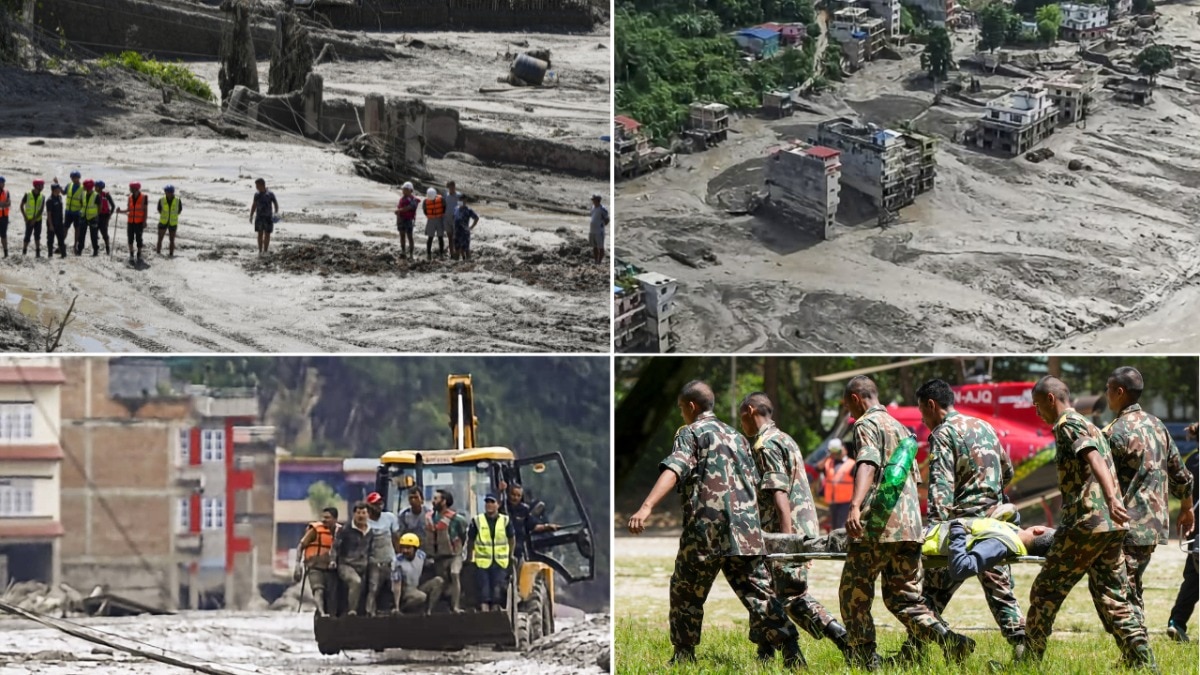
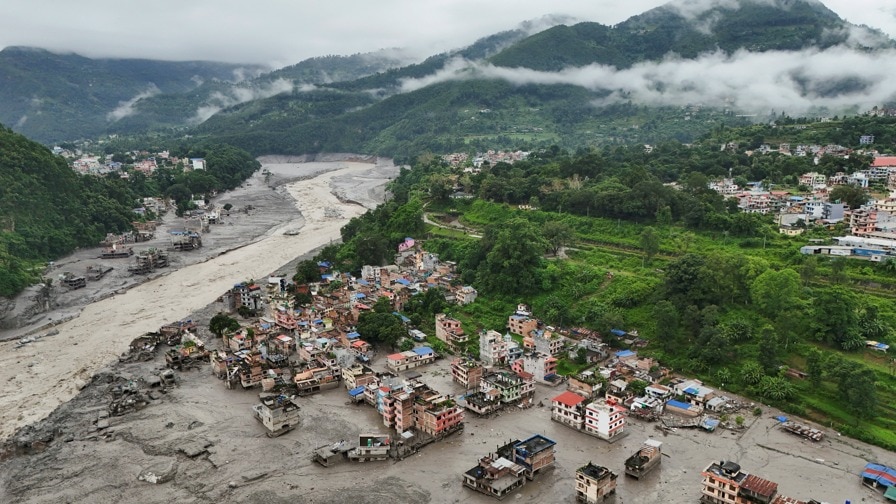
Massive floods on the Nepal-China border left devotees travelling to Mount Kailash missing. The disaster has renewed focus on a pilgrimage landscape revered across faiths.

Image used for representational purposes only

Beijing,UPDATED: Aug 27, 2026 23:38 IST
Devotees travelling to Mount Kailash, a sacred site in the Himalayas, were among the many people reported missing after massive floods along the Nepal-China border. The mountain has for centuries been an important pilgrimage destination for followers of several faiths.
Located in southwestern Tibet near China’s borders with Nepal and India, Mount Kailash and nearby Lake Manasarovar hold deep religious significance. Pilgrims visit the region for rituals linked to purification, while different traditions connect the mountain to their own sacred beliefs and histories.
Mount Kailash rises more than 6,400 metres above sea level and lies close to Lake Manasarovar. Both have long been part of Sanskrit religious and literary traditions. The mountain is sacred in Hinduism, Buddhism, Jainism and the Tibetan Bon tradition, with each faith linking it to different beliefs. According to the Centre for Integrated Mountain Development, the mountain is regarded as the home of Shiva, the Hindu god of destruction, and Parvati, a Hindu goddess associated with marriage, fertility and motherhood. Followers of the Tibetan Bon tradition see it as a seat of spiritual power and associate the region with Tonpa Shenrab, the tradition’s founder.
Geographer Emily Yeh, a professor at the University of Colorado Boulder who has researched Tibet, wrote in 2017 that Kailash is associated with the mythical Mount Meru, considered the centre of the world in Hindu and Buddhist cosmology. The surrounding landscape also appears in local legends and Himalayan traditions. A 2017 book published by ICIMOD, “Shared Sacred Landscapes”, brings together some of these stories. One of them tells of Guru Nanak, the founder of Sikhism, visiting villagers who wished to make the pilgrimage to Mount Kailash and teaching them that the true pilgrimage is a spiritual journey within themselves.
The Indian government runs the official Kailash Manasarovar pilgrimage every year from June through August or September, with routes passing through Uttarakhand and Sikkim. Private operators also organise pilgrimages through Nepal. Pilgrims usually walk around Mount Kailash instead of climbing it, completing a circuit of about 53 km around the peak. The journey is believed to cleanse them of their sins and can take about three days. Hindus and Buddhists traditionally circle the mountain clockwise, while followers of Bon travel counterclockwise.
At Lake Manasarovar, some Hindu pilgrims bathe in the water as a ritual of spiritual purification. Yeh wrote that Tibetan pilgrims stop at monasteries and other sacred sites along the route, touching prayer beads or their foreheads to features believed to carry sacred imprints. Other rituals are meant to test a pilgrim’s merit, sin or fortune. As the floods have drawn attention to the fate of missing devotees, Mount Kailash remains at the centre of a pilgrimage tradition shared across faiths and shaped by centuries of belief.
With PTI Inputs
- Ends
Published By:
India Today Web Desk
Published On:
Aug 27, 2026 23:38 IST