1 hour ago
Washington is pressing Iran's trading partners to cut financial and commercial links with Tehran. The drive could sharply worsen Iran's economic strain, but China's response will be decisive.

Beirut,UPDATED: Aug 27, 2026 20:20 IST
Iran's economy, already under pressure from high inflation, years of Western sanctions and a war that has sharply cut oil revenue, is facing the prospect of more instability as the Trump administration pushes other countries to end all financial dealings with Tehran.
The latest US effort gathered pace after the United Arab Emirates suspended trade relations with Iran last week. The success of Washington's strategy is expected to depend largely on China, Iran's main oil buyer and top trading partner, while countries such as Turkiye, Pakistan and Iraq may try to avoid exposure to US secondary sanctions because of their ties with both Tehran and Washington.
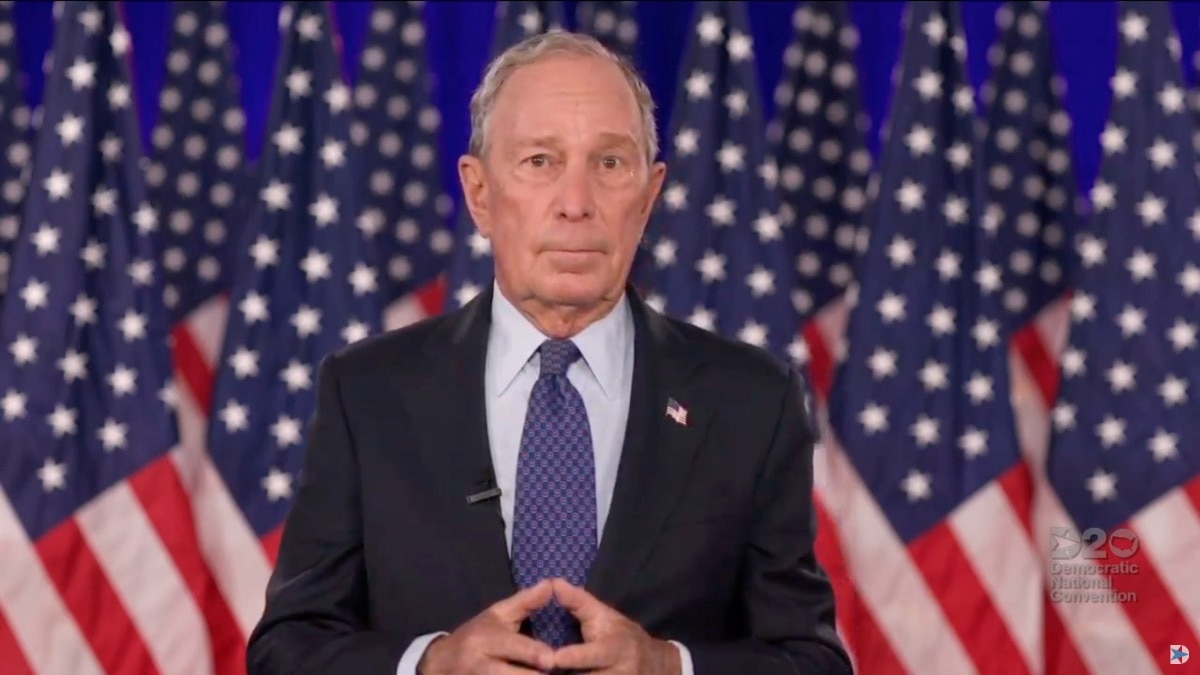
Announcing the plan he called "Operation Economic Outcast", US Treasury Secretary Scott Bessent said on Monday: "Those who stand with the United States will reap the rewards of our partnership. Those who tether themselves to the Iranian regime should expect to share in the isolation."
Despite Western sanctions, Iran exchanged USD 125 billion worth of goods globally in 2024, according to Trade Data Monitor, a private firm. Iran is not a member of the World Trade Organisation. But most of its declared trade was concentrated among a small group of partners. The UAE, China and Turkiye supplied nearly three-quarters of Iran's merchandise imports, while China, Iraq, the UAE and Turkiye accounted for more than two-thirds of its non-oil exports.
The UAE had particular importance for Iran. It was the country's biggest source of imported goods and also served as a channel for financial transactions that helped Iranian businesses send and receive international payments. As a re-export hub, it processed shipments from foreign suppliers that were unwilling to deal directly with Iranian customers. "From Iran's perspective, the UAE can be replaced, but the Iranians are openly saying it's not going to happen overnight," said Alex Vatanka, a senior fellow at the Middle East Institute in Washington.
China, however, is central to any US effort to tighten pressure. Beijing buys most of Iran's crude through trading networks that bypass sanctions, though it also has wider economic interests in the Persian Gulf and has so far avoided being drawn into the conflict the US and Israel initiated. David Lubin, a senior research fellow at Chatham House, said China's manufacturing strength and control over critical mineral supplies gave it more room than Iran's other partners to resist US pressure. "I don't see China playing ball by any means," he said.
China is Iran's largest reported export market and a supplier of essential parts and products, according to WTO and UN data. Daniel Fried, an Atlantic Council fellow and former US ambassador to Poland, said Beijing did reduce energy imports from Iran during the Obama administration. "We will want the Chinese to go a lot farther than they have gone in the past," Fried said. "But it's a lot harder now." Experts also noted that China has long helped North Korea withstand sanctions and has been its main diplomatic backer.
Iranian Parliament Speaker Mohammad Bagher Qalibaf, who has led his country's negotiations over the past six months, was in Iraq on the day the UAE suspended trade. He said one aim of the visit was "speeding up efforts to expand joint cooperation among all countries in the region, without foreign interference". But Vatanka said the dominance of the US dollar in global trade and finance limited how far Iran's partners could go. "We're still at a point where if the US wants to hurt you, it will matter," he said.
That challenge is visible across the region. Turkiye settled a long-running US dispute in July over the part played by a state-owned bank in helping Iran evade sanctions through an oil-for-gold scheme, and Trump moved to lift sanctions linked to Turkiye's purchase of a Russian missile system. "I really don't think Turkiye would like to become the next country helping Iran to evade sanctions right now," said Riccardo Gasco, an analyst at the IstanPol think tank in Istanbul.
Iran remains an important import source for Iraq and retains influence there through allied political factions and armed groups, even as Baghdad seeks closer economic and security ties with Washington. Oman, which has often acted as an intermediary between Washington and Tehran, also faces a more difficult balancing act after Trump threatened it last week over its talks with Iran on the future management of the Strait of Hormuz. Peter Harrell, a visiting scholar at Georgetown University, said one possible route for goods bypassing sanctions could be through ports in Pakistan. "Ship an intermodal container of drone parts to one of the ports in western Pakistan and unload it onto a truck and have it driven across the border into Iran," he said. But Pakistan, while looking to expand trade with Iran, is also mediating between Tehran and Washington and has deep security ties with Saudi Arabia.
Iran has also tried to develop alternatives through the Caspian Sea as the Strait of Hormuz has been mostly blocked and Russia's war with Ukraine has put Black Sea shipping at risk. Nikita Smagin, an independent analyst and former Russian state news agency correspondent in Tehran, said Iran had sought to build a "road of life" on the Caspian. Russia has reportedly sent drones to Iran this year and rerouted exports through Caspian ports such as Astrakhan, but Smagin said the two economies had little to offer one another beyond raw materials. "Both economies are exporting natural resources and have little to offer each other," he said.
The other Caspian states - Azerbaijan, Turkmenistan and Kazakhstan - are not expected to move quickly to expand such trade, according to Umud Shokri, a fellow at George Mason University. Even so, Mark Galeotti, executive director of the Mayak Intelligence firm, said Russia and Iran were already in an "axis of the sanctioned" and could increase bilateral trade in both strategic goods and contraband, including military technology, microchips and luxury items. "Pomegranates and tomatoes only go so far," he said.
Overall, the US push to isolate Iran is likely to test the limits of Tehran's trade networks, with the loss of the UAE creating an immediate problem, China emerging as the key factor, and neighbouring countries weighing the costs of maintaining business ties under the threat of US sanctions.
With PTI Inputs
- Ends
Published By:
India Today Web Desk
Published On:
Aug 27, 2026 20:20 IST