1 hour ago
Soon after the US blockade of the Strait of Hormuz was announced by Donald Trump, Iran-linked ships started slipping through the American build-up in the Persian Gulf. The Iranian ships are going dark, spoofing identities, and mimicking Russia's "shadow fleet" tactics to dodge the American naval blockade.
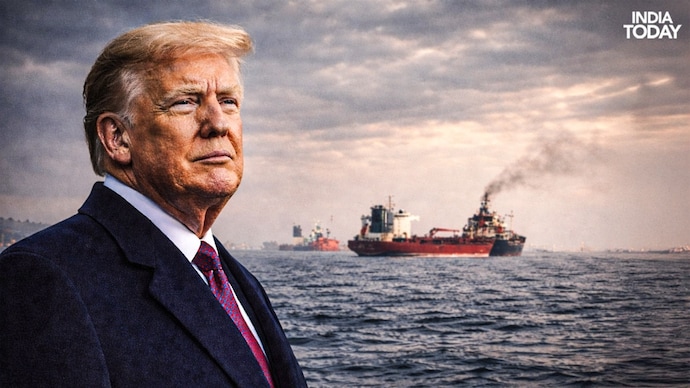
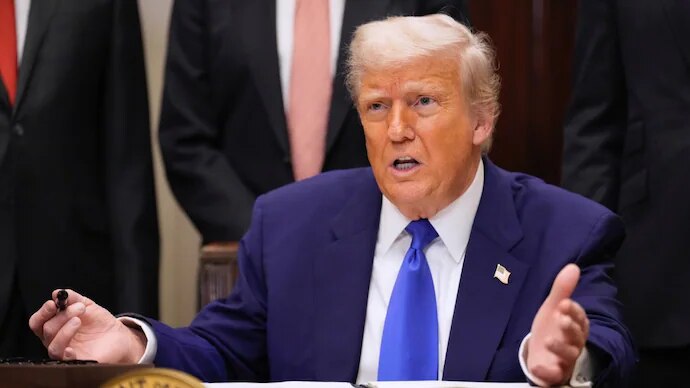
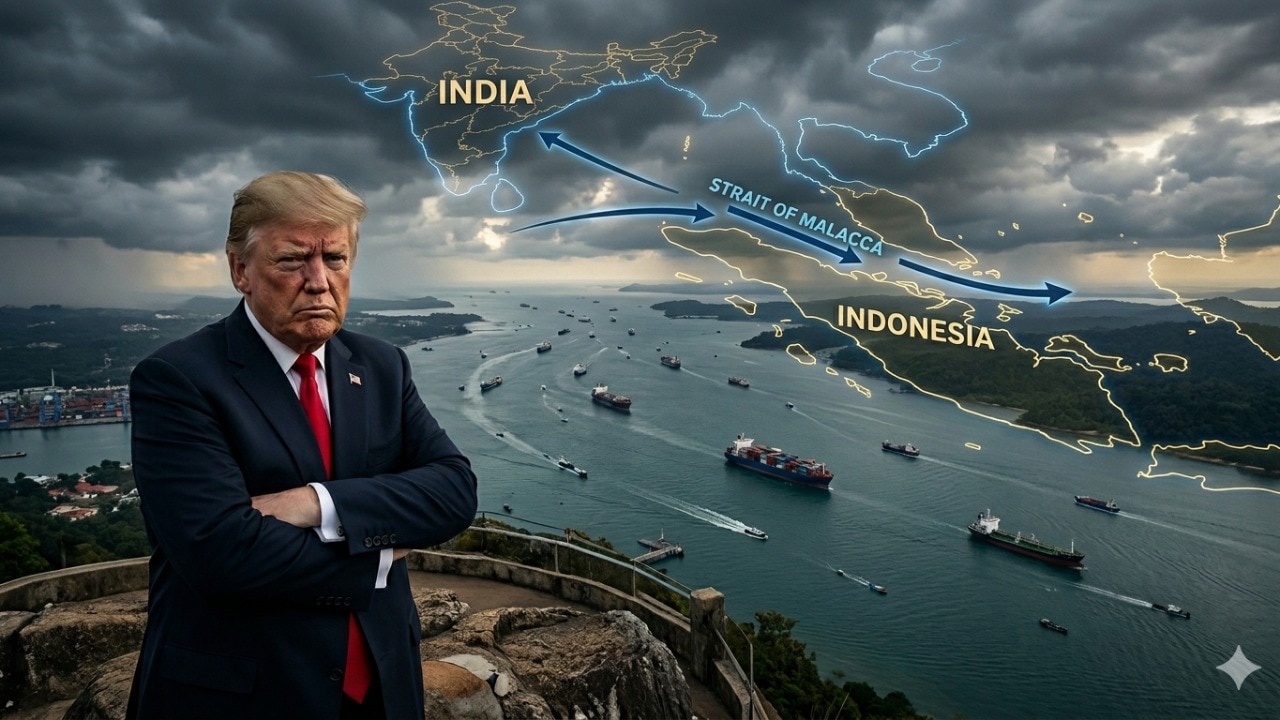
After US-Iran talks in Islamabad failed, Donald Trump announced an American naval blockade of the Strait of Hormuz. (File Image)
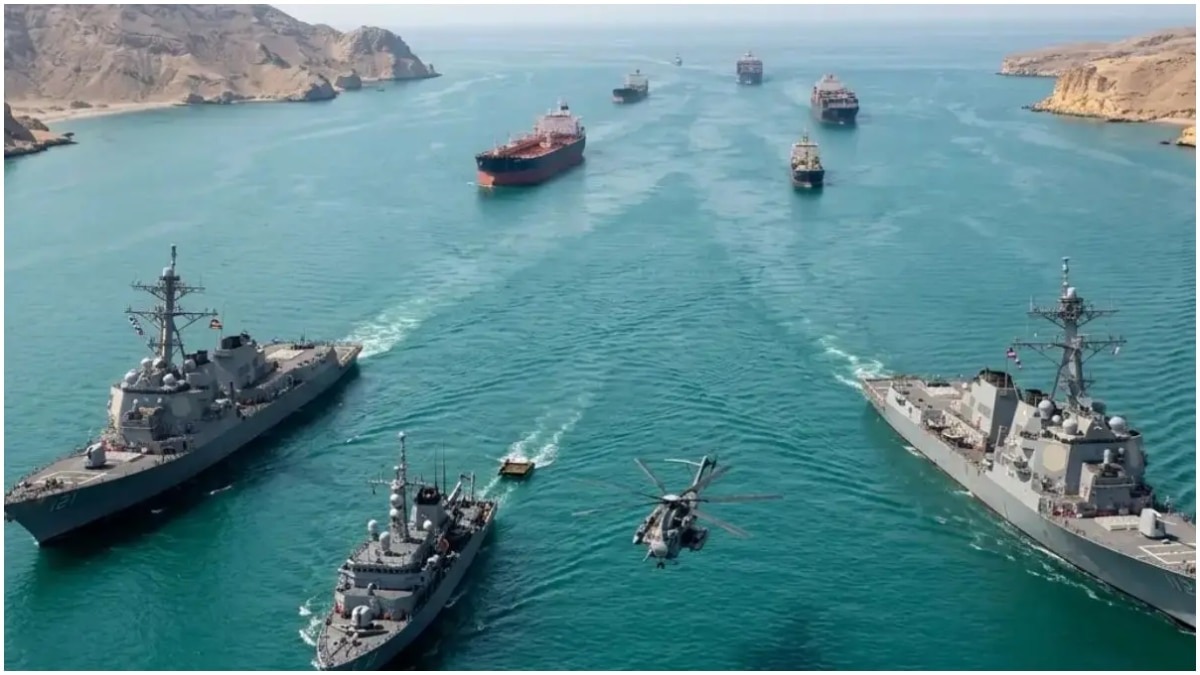
The American maritime blockade of Iranian ports in and around the Strait of Hormuz was meant to cut off oil and gas exports from Iran, and challenge Tehran's control of the world's most critical shipping lane. But, within just a day of the US blockade being enforced by over 10,000 American troops, Marines and airmen, holes are already visible in Trump's Hormuz closure efforts. That is because of the tricks Iran-linked ships are employing.
While US President Donald Trump would have wanted the US blockade to restrict the movement of Iranian ships through the Strait, at least eight ships, including three Iran-linked tankers, have been crossing the waterway since the closure came into effect, news agency Reuters reported on Wednesday, citing shipping data.
So, how are the Iran-linked ships dodging the American naval blockade? First a bit about the US blockade and why Trump imposed it.
HOW 10,000 US TROOPERS, JETS, WARSHIPS ARE IMPOSING BLOCKADE AT STRAIT OF HORMUZ
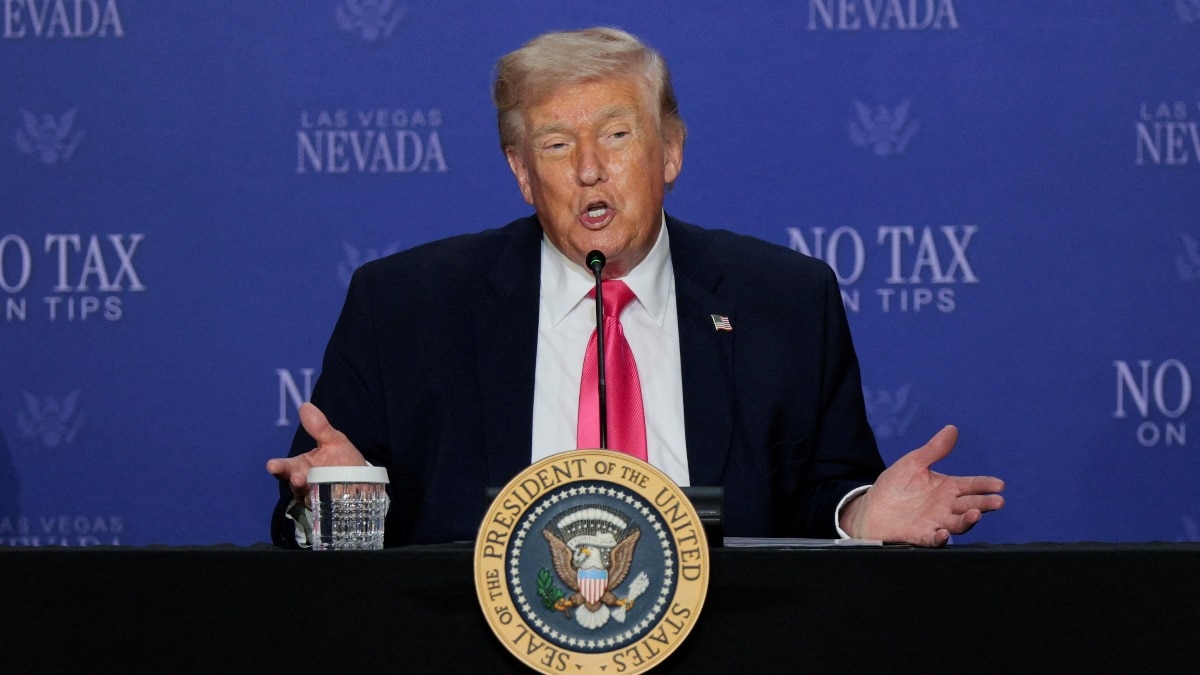
Trump imposed the naval blockade on the Strait of Hormuz after US-Iran peace talks in Islamabad collapsed without a deal over the weekend of April 11-12. American Vice President JD Vance said the US was taking on Iran's "economic terrorism", adding that the Washington DC knew how to deal with it. The blockade over Iran's closure of the Strait of Hormuz was a way to pressure Tehran by halting its oil exports and removing its leverage over the vital shipping lane.
Roughly 25% of global oil trade, and 90% of India's LPG imports, pass through the narrow strategic chokepoint in the Persian Gulf.
Trump announced the blockade on Sunday (April 12). The US Navy began its enforcement the following day, on Monday (April 13).
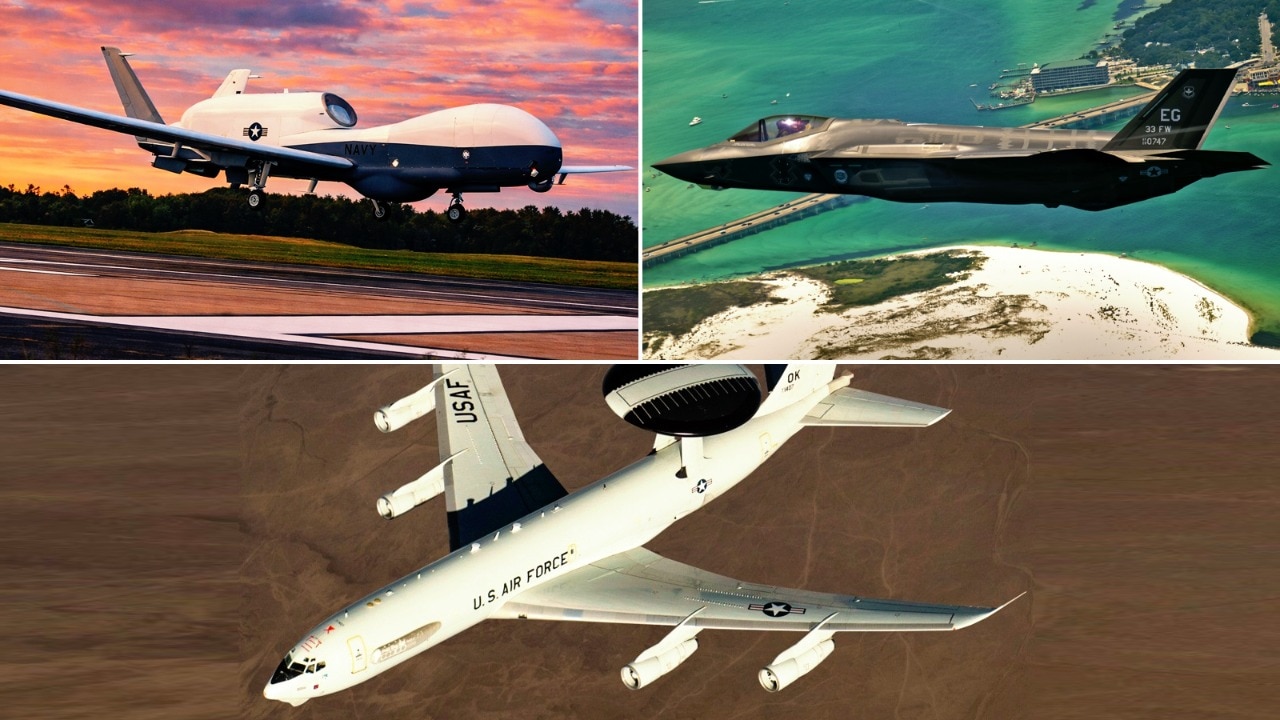
The United States Central Command (CENTCOM), on Tuesday evening, claimed the US blockade was being executed by "more than 10,000 sailors, Marines, and airmen, along with over a dozen warships and dozens of aircraft".
"During the first 24 hours, no ships made it past the US blockade and six merchant vessels complied with directions from US forces to turn around to re-enter an Iranian port in the Gulf of Oman," added the CENTCOM handle on X.
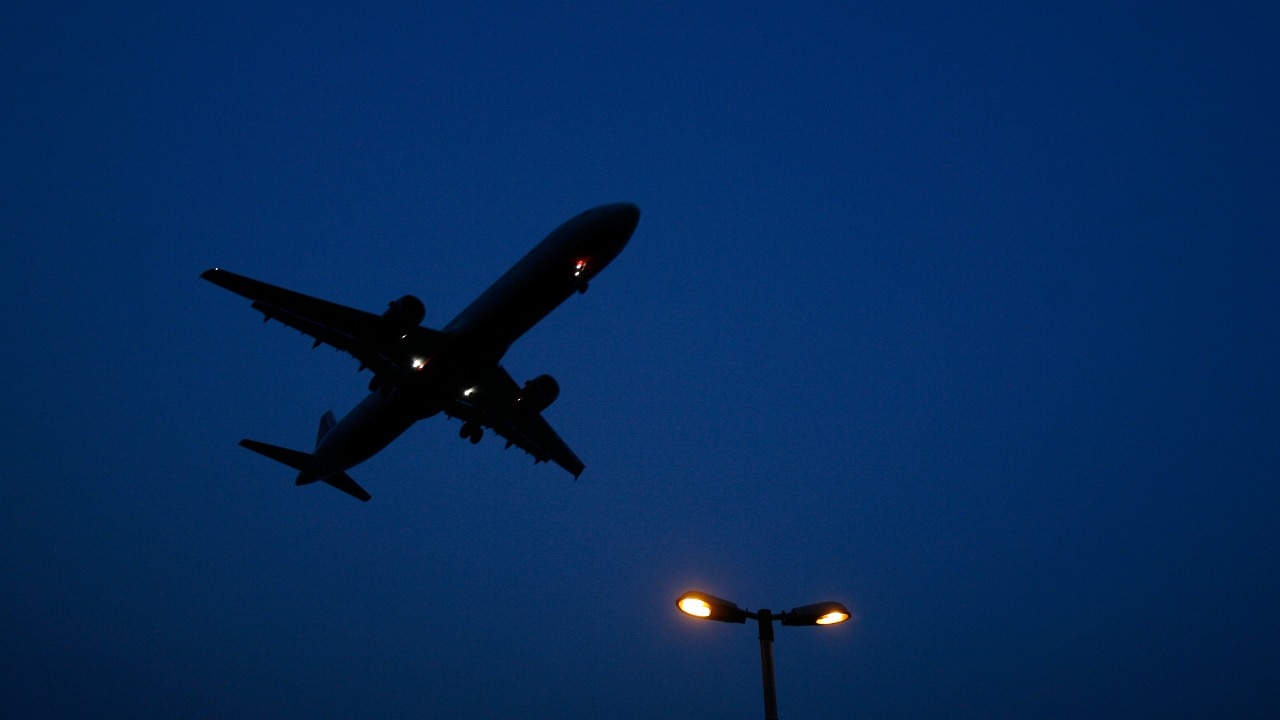
However, Iran-linked shipping vessels are employing several methods to evade being tracked in and around the Strait of Hormuz.
HOW IRAN SHIPS ARE DODGING TRUMP'S HORMUZ BLOCKADE
According to maritime intelligence experts, ships in and around the Strait of Hormuz "seemed to be adopting tactics to avoid detection," reported The New York Times.
A Comoros-flagged tanker, Elpis, which was under US sanctions, sailed from Iran's Bushehr port and crossed the Strait of Hormuz on Monday without interception by US forces, reported news agency AFP.
A Madagascar-flagged tanker, Murlikishan, which was previously involved in transporting Russian and Iranian oil, sailed through the Strait of Hormuz.
Iran-linked ships are manipulating maritime tracking systems, disguising their identities, and exploiting gaps in enforcement of maritime shipping rules.
Most large vessels are required to carry Automatic Identification System (AIS) transponders that broadcast their identity, location, and route. However, ships linked to Iran are switching off these transponders and are going dark. This makes them temporarily invisible.
Others engage in spoofing, where the ships deliberately transmit false data, like faking their coordinates and destinations. Some are impersonating another vessel altogether.
"Now, we are starting to see vessels going dark or using zombie or random identification," Ami Daniel, the CEO of maritime intelligence data provider Windward, told The New York Times. He added that there has been an increase in these deceptive practices after the blockade came into force.
Some ships are altering or fabricating their identification numbers, the unique nine-digit code that functions as a ship's digital fingerprint. Borrowing from the Russian-evasion playbook, ships are experimenting with "stateless" or manipulated IDs.
"Shadow fleet tankers have been experimenting with stateless ID numbers... What the Russians have been doing is altering the numbers," John CK Daly, a scholar of the Central Asia-Caucasus Institute in Washington, told the newspaper.
Ships are also using false flags and complex ownership structures of the ships. For example, a ship owned in one country, leased in another, and flagged in a third, is being used to be tracked.
Meanwhile, Iran and its wartime mouthpieces — the X handles of its embassies in world capitals — are waging an information war on the internet, by using confusion as a tactic.
So, while the US has deployed heavily in blocking the Strait of Hormuz, Iran-linked ships are going dark. Some are changing their identities. Others have borrowed from the playbook of the Russians, who have long manipulated their IDs to slip through.
- Ends
Published By:
Sushim Mukul
Published On:
Apr 17, 2026 10:09 IST
Tune In