2 hours ago
Iran said a comprehensive Lebanon ceasefire would stem from Hezbollah's resilience and Resistance unity, insisting Washington must uphold the agreement. Tehran warned the US to abandon its "Israel first" approach, saying Iran and the Resistance remain inseparable, including in ceasefire.
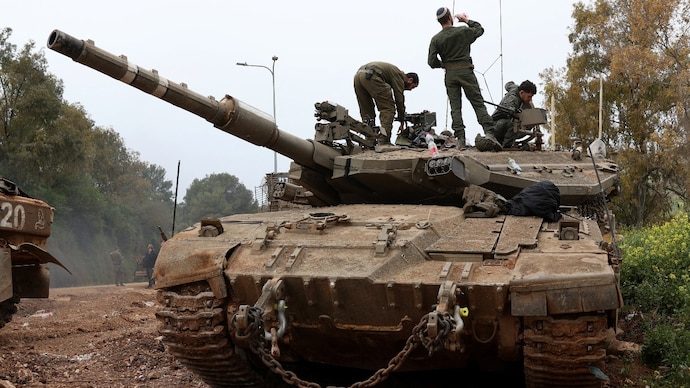
Israeli soldiers stand on top of a tank in northern Israel, near the Israel-Lebanon border( Photo- Reuters)

UPDATED: Apr 16, 2026 05:08 IST
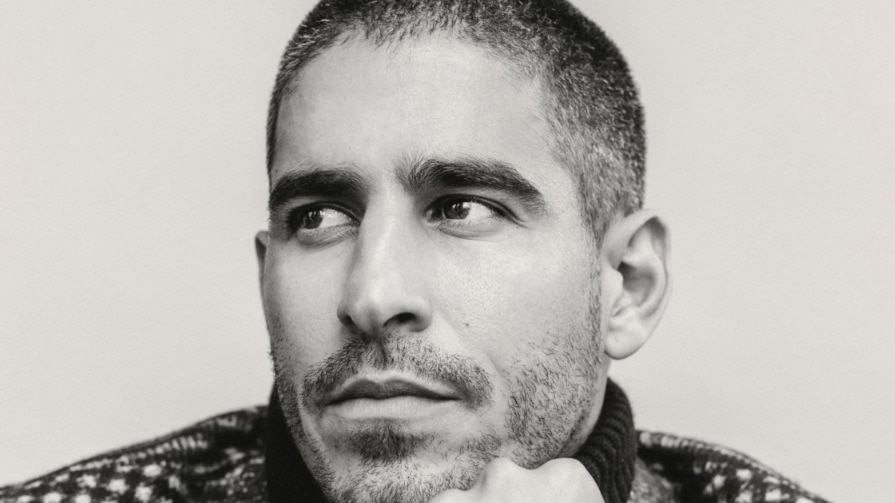
Iran’s Parliament Speaker Mohammad Bagher Ghalibaf has sharply raised the stakes around the stalled US-Iran diplomatic track, declaring that the “completion and consolidation” of a comprehensive ceasefire in Lebanon is essential to the broader ceasefire architecture involving Tehran.
In a post on X, Ghalibaf, who led the Iranian delegation in Islamabad for talks with the United States, said the outcome in Lebanon would depend on “the steadfastness and struggle” of Hezbollah and the wider Axis of Resistance, while insisting Washington must uphold its commitments under the agreement.
He further underlined Tehran’s position that “the Resistance and Iran are one and the same entity, whether in war or in a ceasefire,” signalling that continued Israeli military operations in Lebanon could directly complicate future negotiations with Washington.
The statement adds to growing friction over whether Lebanon is formally covered by the temporary US-Iran ceasefire framework brokered through Pakistan.
NETANYAHU SAYS STRIKES CONTINUE IN BINT JBEIL
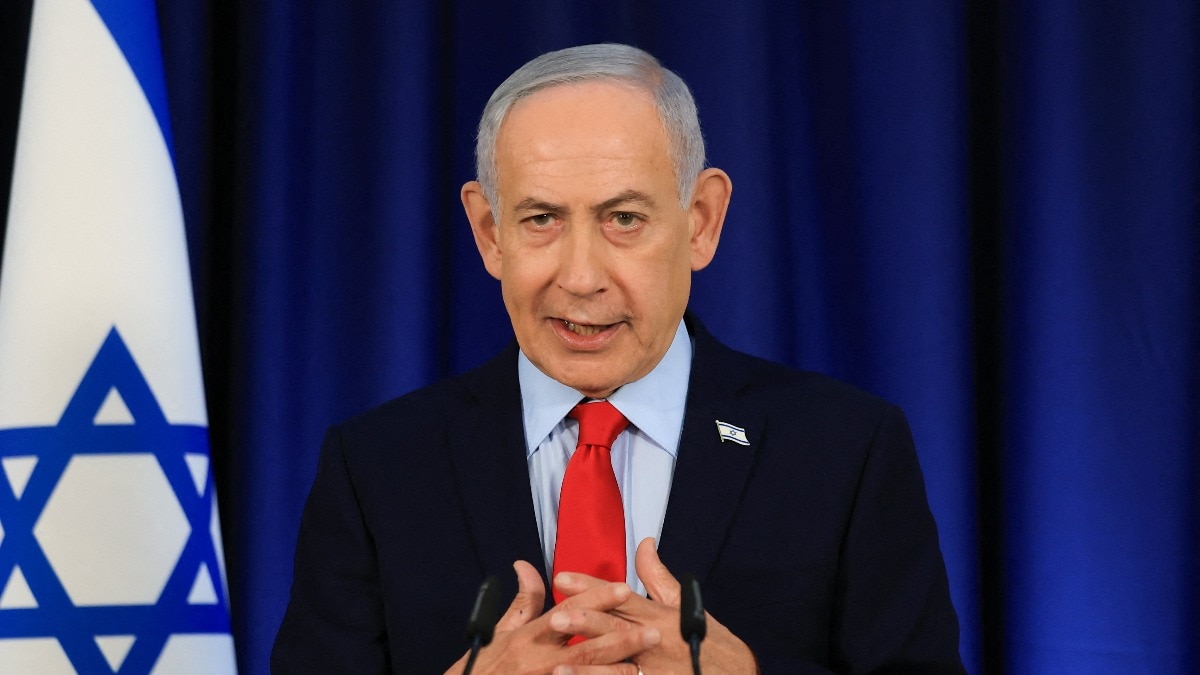
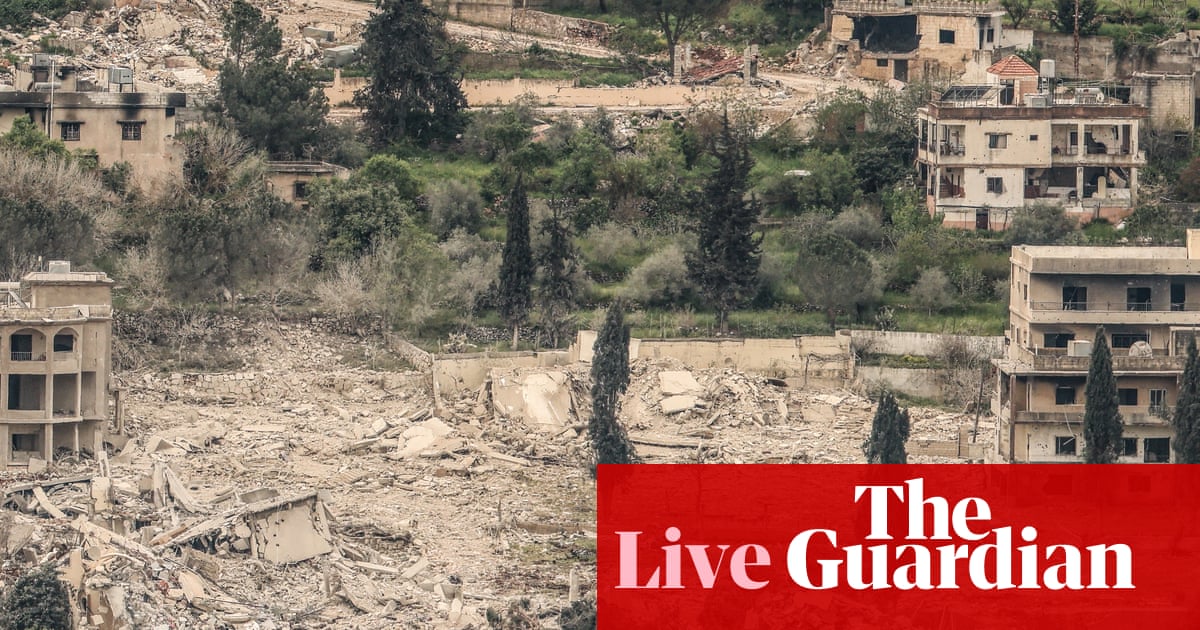
Even as diplomatic efforts continue, Israeli Prime Minister Benjamin Netanyahu said on Wednesday that Israeli forces were continuing to strike Hezbollah positions and were close to overrunning what he described as the group’s main southern Lebanese bastion in Bint Jbeil.
In a video statement, Netanyahu said he had ordered the military to keep reinforcing the security zone in southern Lebanon while simultaneously pursuing negotiations with Beirut.
“These negotiations have not taken place for over 40 years. They are happening now because we are very strong,” Netanyahu said, adding that Israel’s two key objectives are the dismantling of Hezbollah and securing a durable peace that is “achieved through strength.”
He described Bint Jbeil as Hezbollah’s “capital” in southern Lebanon and said Israeli forces were on the verge of eliminating the group’s stronghold there.
WHITE HOUSE SIGNALS MORE IRAN TALKS
Meanwhile, the White House denied reports that it had formally requested a ceasefire in the Iran war, while confirming that backchannel discussions with Tehran remain active.
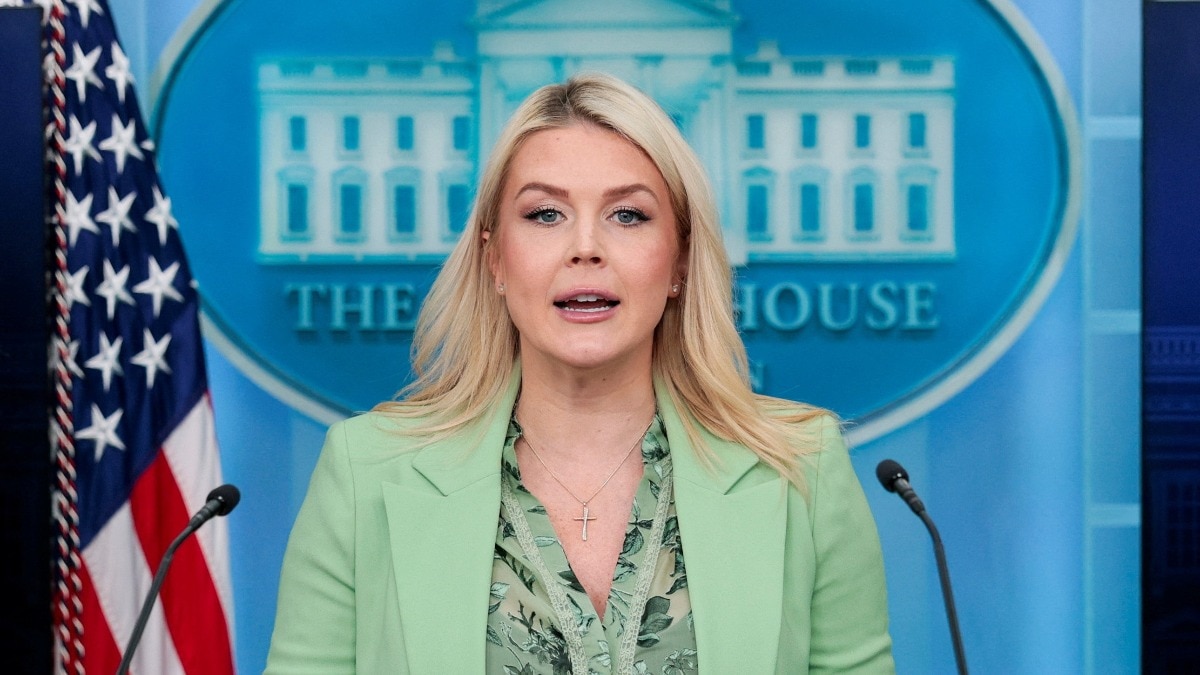
Press Secretary Karoline Leavitt told reporters that reports suggesting Washington had sought an immediate truce were incorrect, but said discussions over a second round of talks were “ongoing and productive,” with Pakistan likely to host the next phase.
She said no in-person meeting had been finalised, but added that the administration remained optimistic.
“These conversations are productive and ongoing,” Leavitt said. “Nothing is official until you hear it from us here at the White House, but we feel good about the prospects of a deal.”
Pakistan has increasingly emerged as the central mediator after last weekend’s negotiations in Islamabad collapsed without an agreement.
BREAKDOWN IN TALKS DEEPENS REGIONAL UNCERTAINTY
The failed talks followed the war launched on February 28, when President Donald Trump, alongside Israel, initiated military action against Iran, triggering retaliatory Iranian attacks on Gulf neighbours and reigniting the Israel-Hezbollah front in Lebanon.
The central dispute now appears to be whether military operations in Lebanon fall within the scope of any US-Iran ceasefire arrangement, a gap that continues to fuel mistrust between the parties.
With Israeli forces escalating in southern Lebanon, Iran tying Hezbollah’s battlefield position to ceasefire credibility, and Washington seeking another diplomatic opening in Pakistan, the region remains poised between renewed negotiations and a broader escalation.
- Ends
Published By:
Zafar Zaidi
Published On:
Apr 16, 2026 05:08 IST
Tune In