2 hours ago
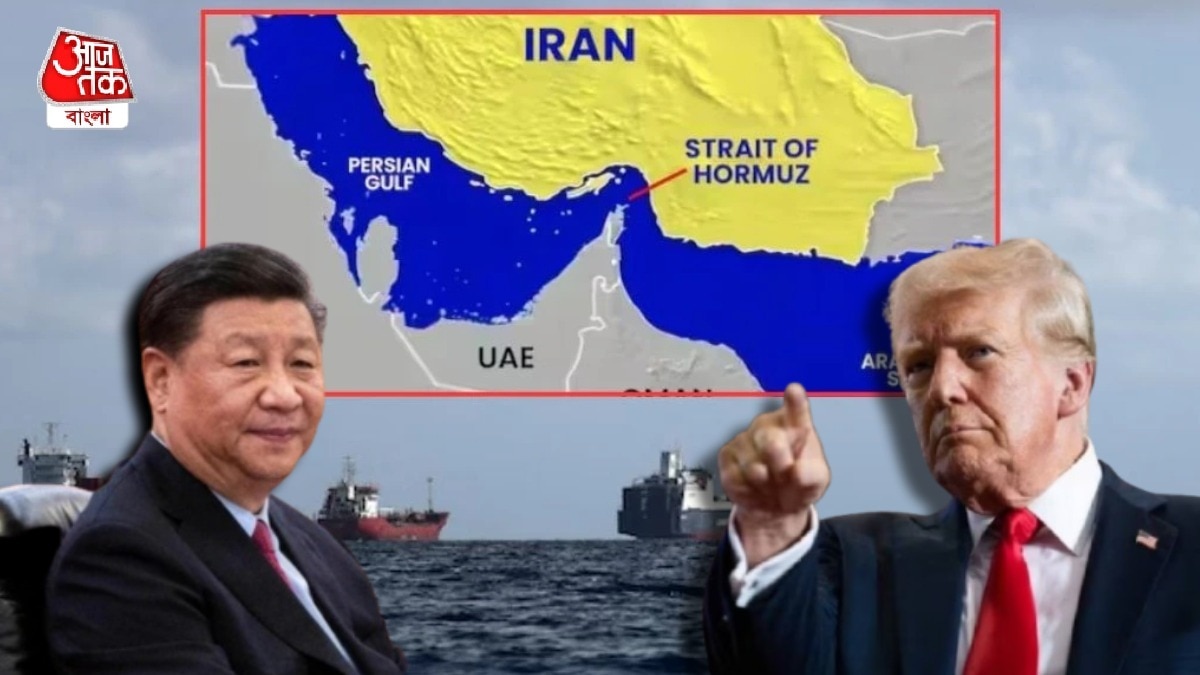
China remains central to the strategy, having accounted for the bulk of Iran's seaborne oil exports. US officials say the pressure from the blockade could significantly disrupt that trade.
US threatens to sanction countries buying Iranian oil.

UPDATED: Apr 16, 2026 06:06 IST
The United States on Wednesday threatened to sanction countries buying Iranian oil, and said it expects China to scale back purchases as Washington enforces a maritime blockade on Iran.
“We believe (that with) this blockade ... there will be a pause of Chinese buying,” US Treasury Secretary Scott Bessent said.
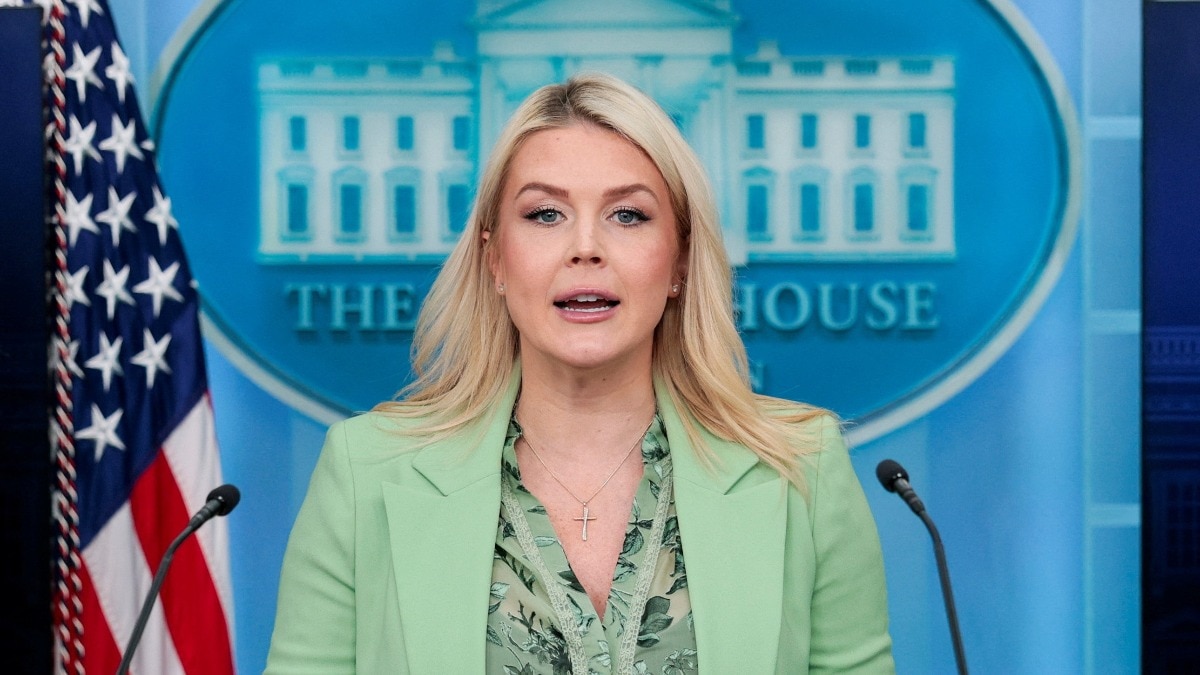
Speaking at the White House, Bessent said the administration is prepared to impose “secondary sanctions” on countries, companies and banks involved in handling Iranian oil revenues, signalling a more aggressive enforcement push.
“We have told countries that if you are buying Iranian oil, or if Iranian money is sitting in your banks, we are now willing to act,” he said.
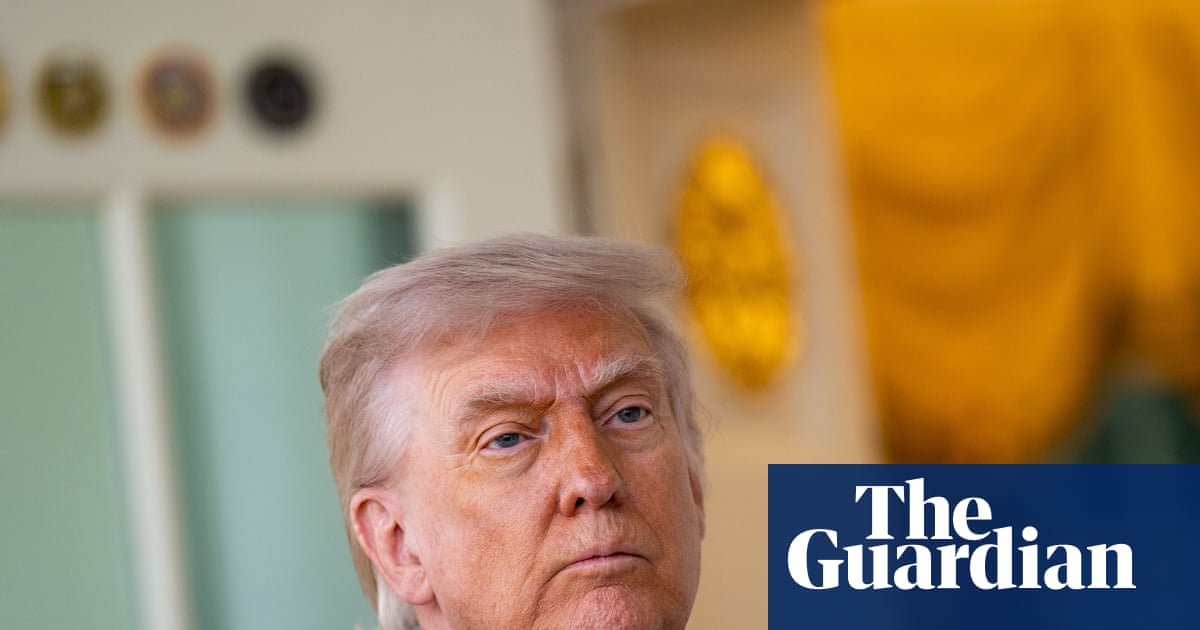
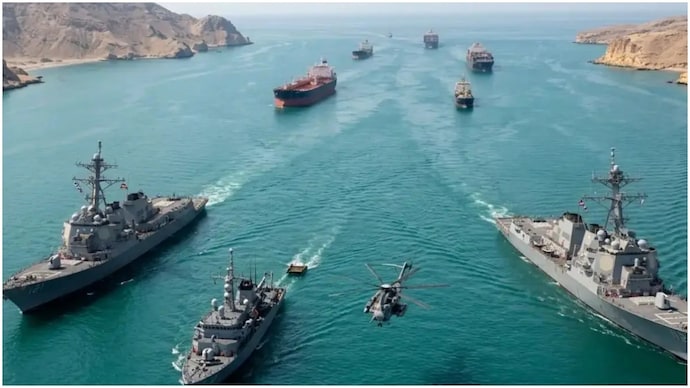
The warning comes as the US, under President Donald Trump, enforces a maritime blockade launched earlier this week, as the Iran conflict entered its seventh week, in a bid to choke off Tehran’s key revenue source.
Washington has also imposed fresh sanctions targeting Iran’s oil transportation network, aiming to curb shipments that have continued despite existing restrictions.
China remains central to the strategy, having accounted for the bulk of Iran’s seaborne oil exports. US officials say the pressure from the blockade could significantly disrupt that trade.
Bessent added that US authorities have contacted two Chinese banks, warning that if Iranian funds are found moving through their systems, they could face sanctions.
There was no immediate response from Beijing.
The measures are part of Washington’s long-running “maximum pressure” campaign against Iran over its nuclear program and regional activities, even as its oil continues to reach global markets—especially China.
The Treasury Department has also expanded its crackdown, sanctioning more than two dozen individuals, companies and vessels linked to Iran’s oil shipping network.
The move follows a 30-day waiver issued on March 20 that allowed Iranian oil already at sea to reach buyers. Bessent said the exemption enabled about 140 million barrels to enter global markets, easing supply pressures.
He confirmed the waiver, set to expire on April 19, will not be renewed, marking a return to tighter restrictions.
The US has also allowed a similar waiver covering seaborne oil from Russia to lapse, further tightening constraints on global energy flows.
- Ends
With inputs from Reuters
Published By:
Nitish Singh
Published On:
Apr 16, 2026 06:06 IST
Tune In