2 hours ago
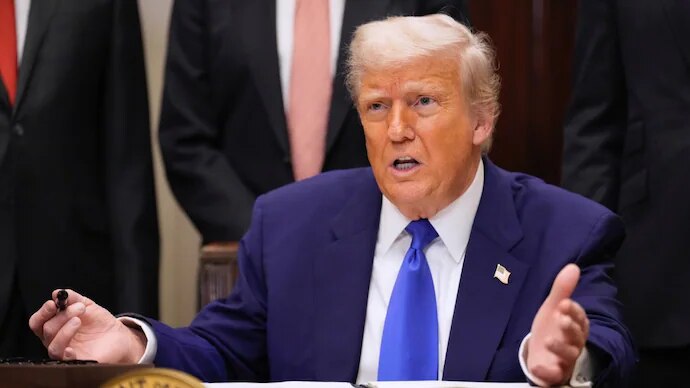
US Defence Secretary Pete Hegseth delivered a blunt message to Iranian leadership during a Pentagon briefing, framing the situation as a decisive choice for Tehran. "You Iran, can choose a prosperous future, a golden bridge, and we hope that you do for the people of Iran," he said.
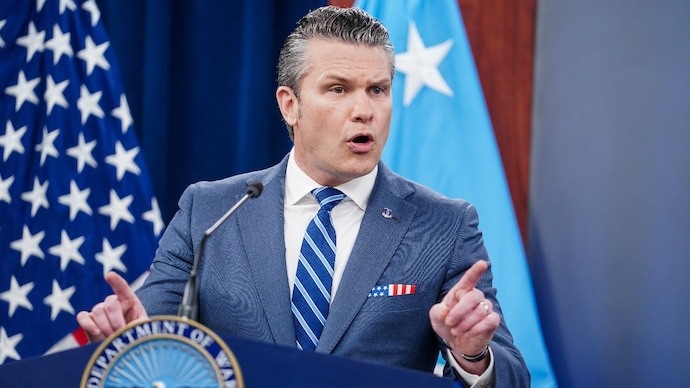
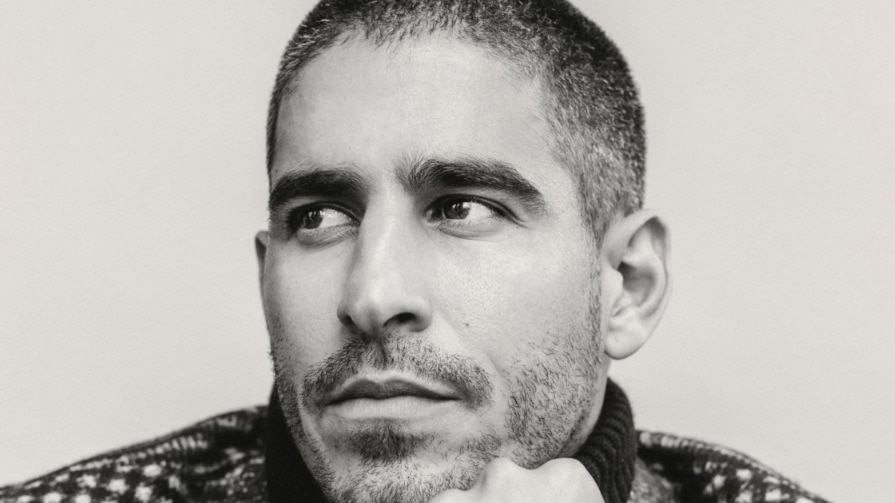
US Secretary of Defense Pete Hegseth speaks during a briefing on the Iran war, at the Pentagon. (Photo: Reuters)

New Delhi,UPDATED: Apr 16, 2026 19:41 IST
Tensions between Washington and Tehran have sharpened once again, with the United States signalling that its military stands prepared to escalate at a moment’s notice if diplomatic efforts collapse. US Defence Secretary Pete Hegseth said on Thursday that forces deployed across the Middle East are on high alert, even as negotiations continue behind closed doors.
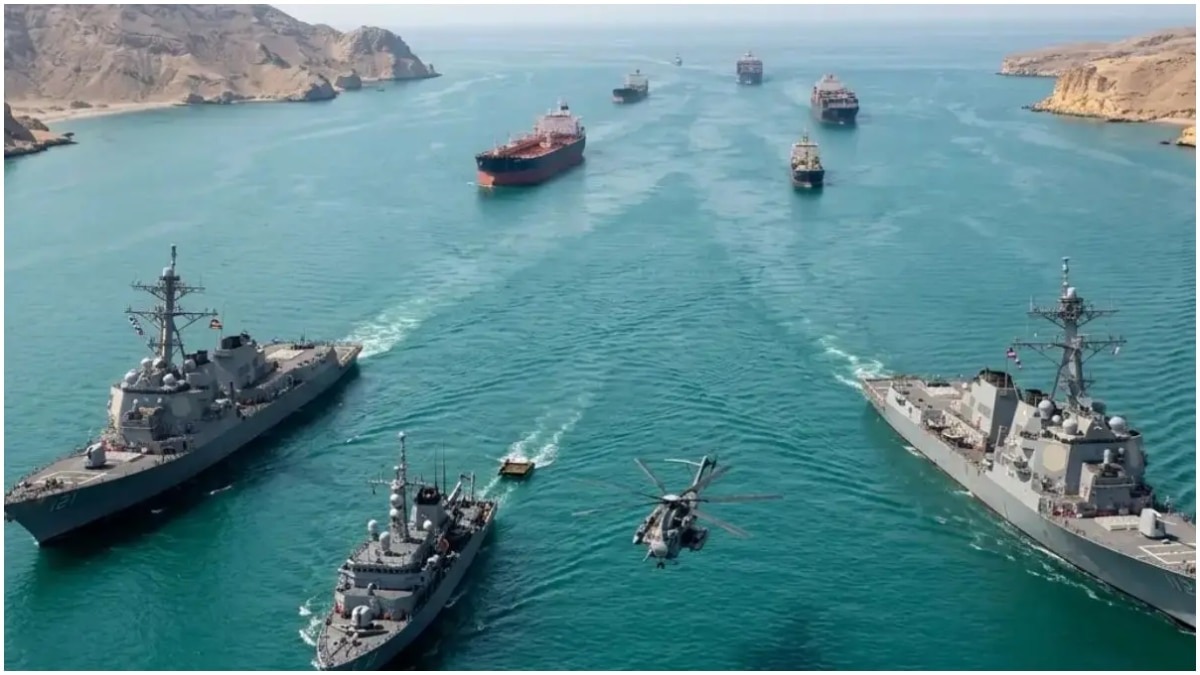
The warning comes amid an ongoing US-led naval blockade targeting vessels linked to Iran, part of a broader strategy to force Tehran back to the negotiating table. While Washington has publicly expressed hope for a peaceful resolution, its messaging leaves little doubt that military options remain firmly in play.
US WARNS OF BLOCKADE AND BOMBS
US Defence Secretary Pete Hegseth delivered a blunt message to Iranian leadership during a Pentagon briefing, framing the situation as a decisive choice for Tehran. "You Iran, can choose a prosperous future, a golden bridge, and we hope that you do for the people of Iran," he said.
"But if Iran chooses poorly, then they will have a blockade and bombs dropping on infrastructure, power and energy."
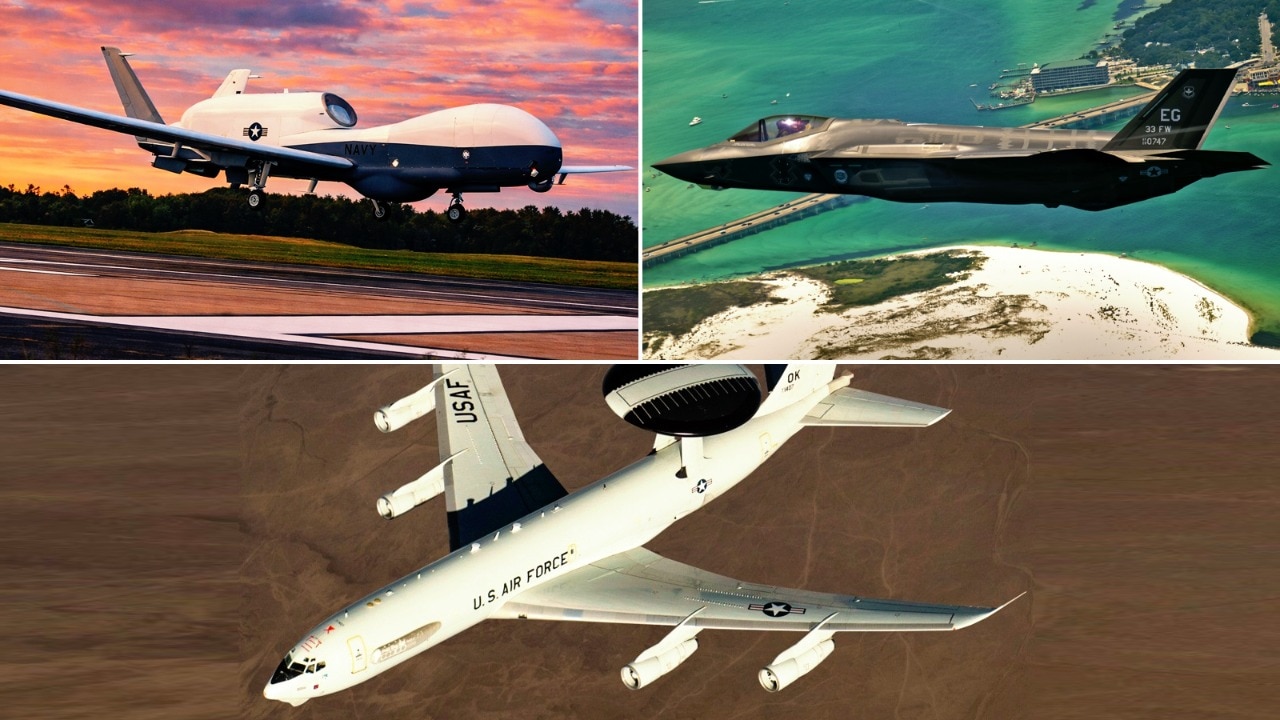
Pete Hegseth also highlighted the superiority of US military strength, stating, "This is not a fair fight, and we know what military assets you are moving and where you are moving them to."
NAVAL BLOCKADE TIGHTENS GRIP IN HORMUZ
General Dan Caine, chairman of the Joint Chiefs of Staff, reinforced the administration’s stance, stating that US forces are "ready to resume major combat operations at literally a moment’s notice."
According to him, US naval forces have been actively enforcing the blockade, targeting Iranian-flagged vessels and any ships suspected of providing material support to Iran. "If you do not comply with this blockade, we will use force," he said. So far, the show of force appears to have had an impact. Caine revealed that 13 vessels have already turned back rather than risk confrontation, with none boarded yet.
The top US general detailed how US forces tracked vessels of concern at the onset of the blockade, using intelligence inputs and coordinated naval movements. A warning transmitted to ships was stark: "Turn around or prepare to be boarded. If you do comply with this blockade, we will use force."
However, some uncertainty remains over the full impact of the blockade. It is still unclear whether vessels heading towards Iranian ports have been intercepted in all cases, particularly those navigating through the Strait of Hormuz.
CHOOSE WISELY, US WARNS IRAN
Pete Hegseth reiterated that the US military remains fully prepared, describing forces as "reloading" and "ready to go" at the push of a button. He also stressed that Washington would ensure Iran never acquires a nuclear weapon, adding that US objectives could be achieved the "nice way" or the "hard way."
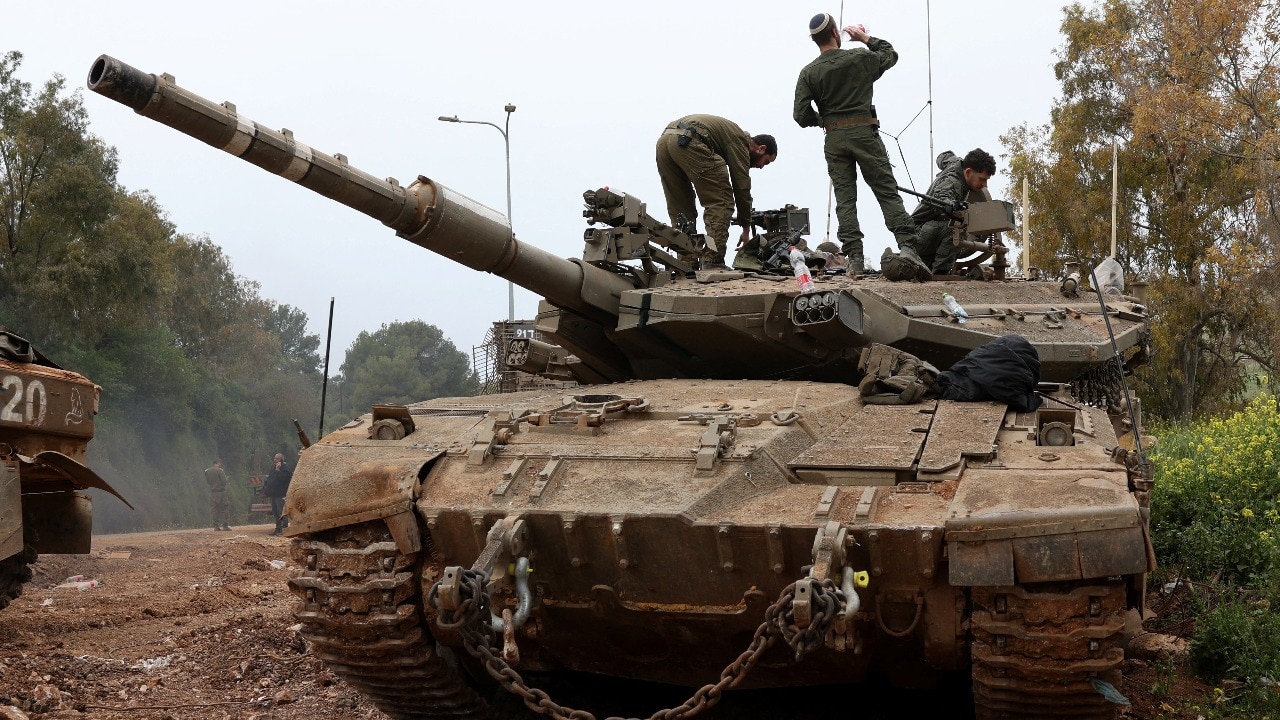
In a pointed remark, he dismissed Iranian threats against commercial shipping as "piracy" rather than legitimate control, while insisting the blockade would continue as long as it takes. Admiral Brad Cooper, commander of US Central Command, who just wrapped up his 15-day visit to the Middle East, said the current pause in fighting is being used to refine operational tactics. He also praised regional coordination, noting there has been "no better teammate" than Israel during the ongoing crisis.
CEASEFIRE HOLDS, BUT UNCERTAINTY REMAINS
Despite the aggressive posture, Trump administrated that Iran may still be inclined towards de-escalation. Pete Hegseth noted that Tehran’s motivation for maintaining a ceasefire is high, even as its command structure faces strain. He also pointed to the relative restraint shown by Iran-backed Houthi forces in Yemen, saying their decision to stay out of the conflict is a good decision by them.
This comes amid Pakistan's bid to ease tensions in the Middle East and arrange a second round of negotiations between the United States and Iran after almost seven weeks of war. Pakistan's army chief Asim Munir met with Iranian officials in Tehran. Meanwhile, the White House has put forward a cautiously hopeful message on Iran, describing talks as "productive and ongoing" while dismissing reports that it officially pushed for a ceasefire.
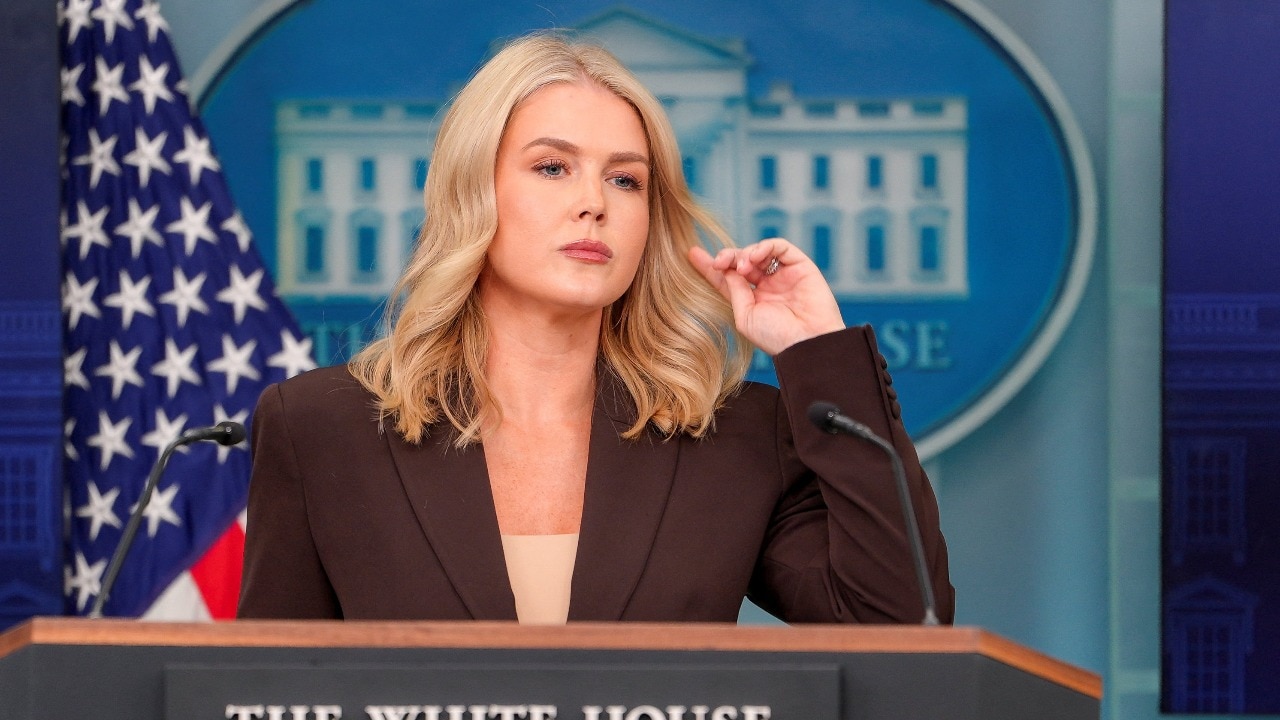
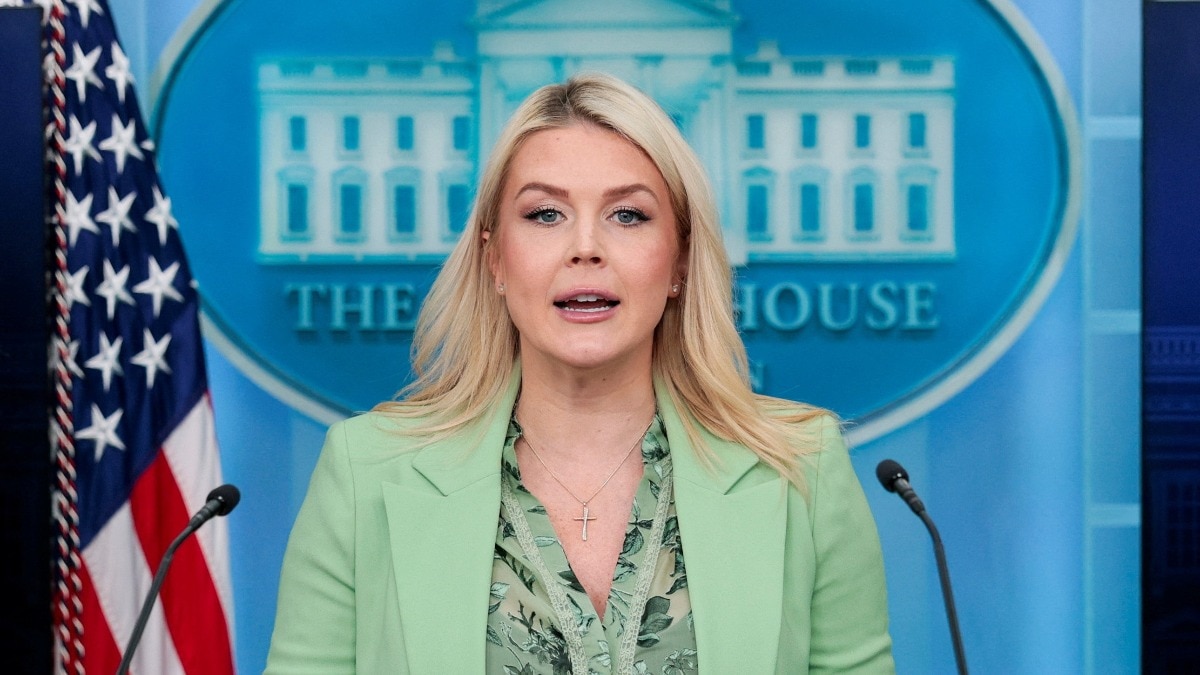
When a reporter asked whether the potential second round of talks would be held in Islamabad, Press Secretary Karoline Leavitt responded: "They would very likely be in the same place as they were last time, yes."
- Ends
With inputs from agencies
Published By:
Satyam Singh
Published On:
Apr 16, 2026 19:41 IST
Tune In