1 month ago
China, in a readout of the call, said the two presidents talked about upcoming major international summits hosted by both countries and the possibility of meeting in person. However, Beijing's statement did not mention Trump's expected April visit.
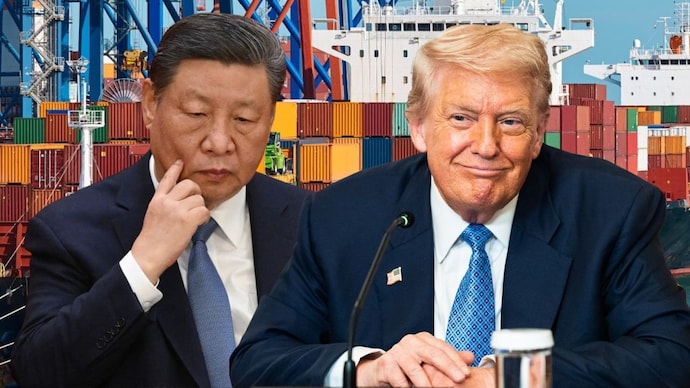
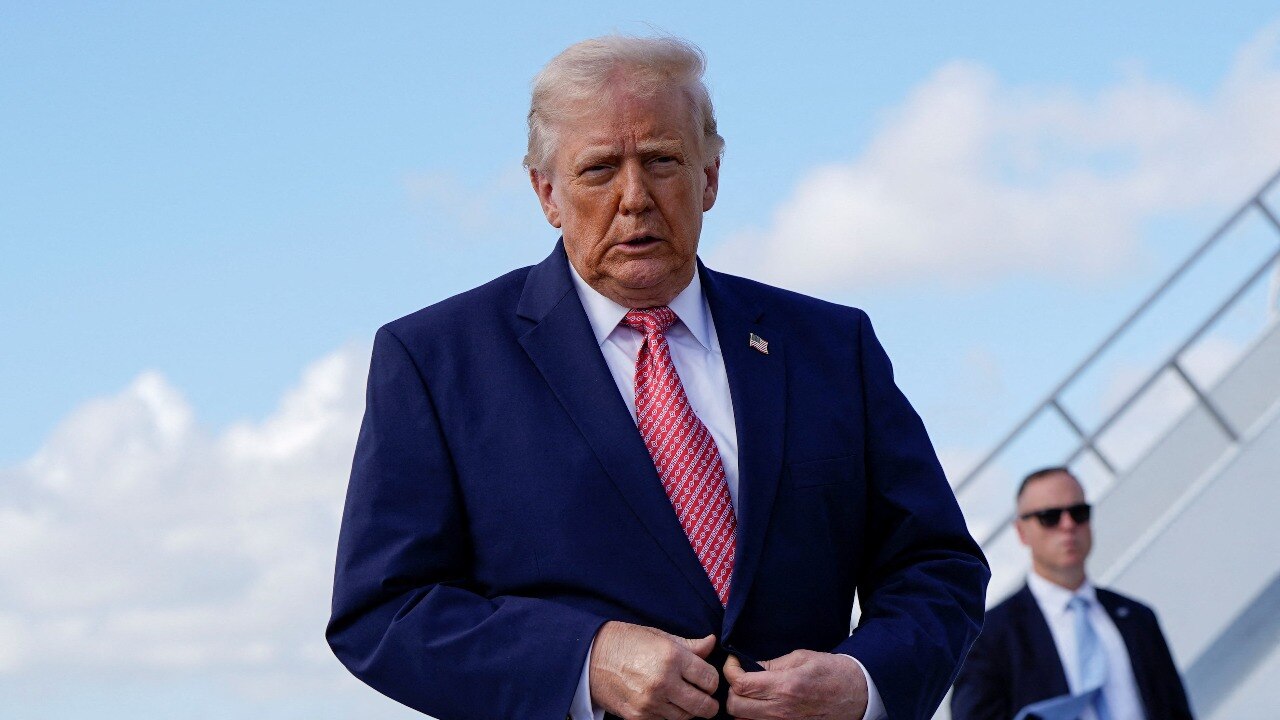
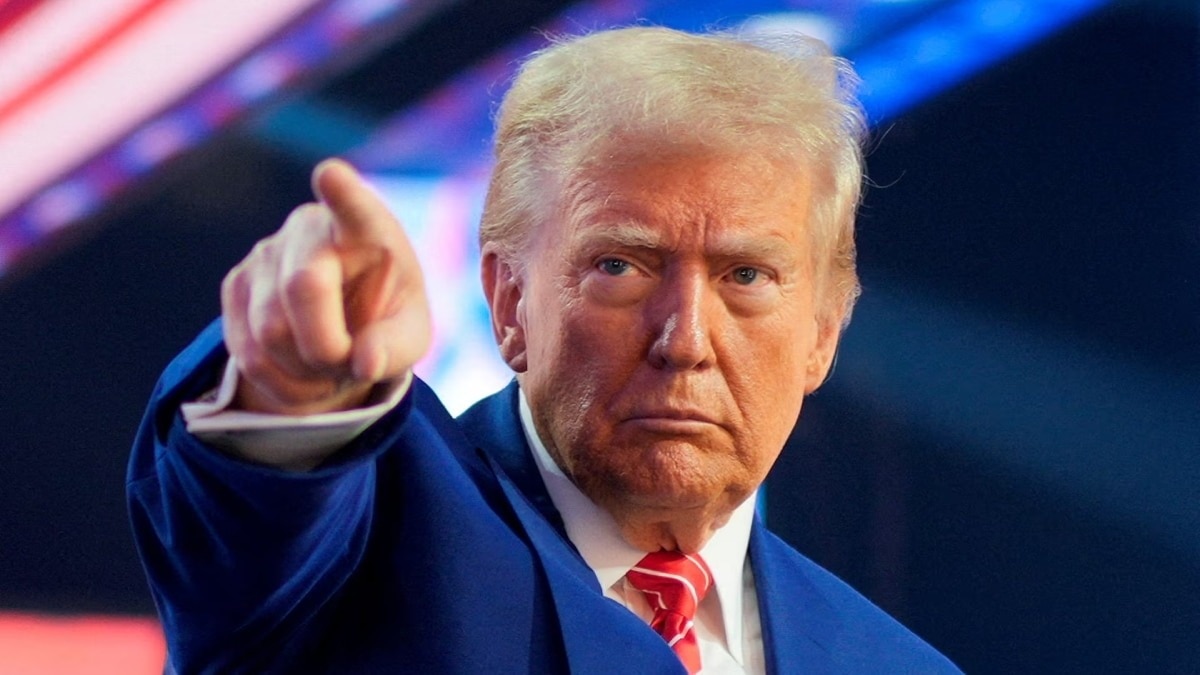
US President Donald Trump said on Wednesday that he held a broad-ranging phone call with Chinese President Xi Jinping

UPDATED: Feb 5, 2026 00:58 IST
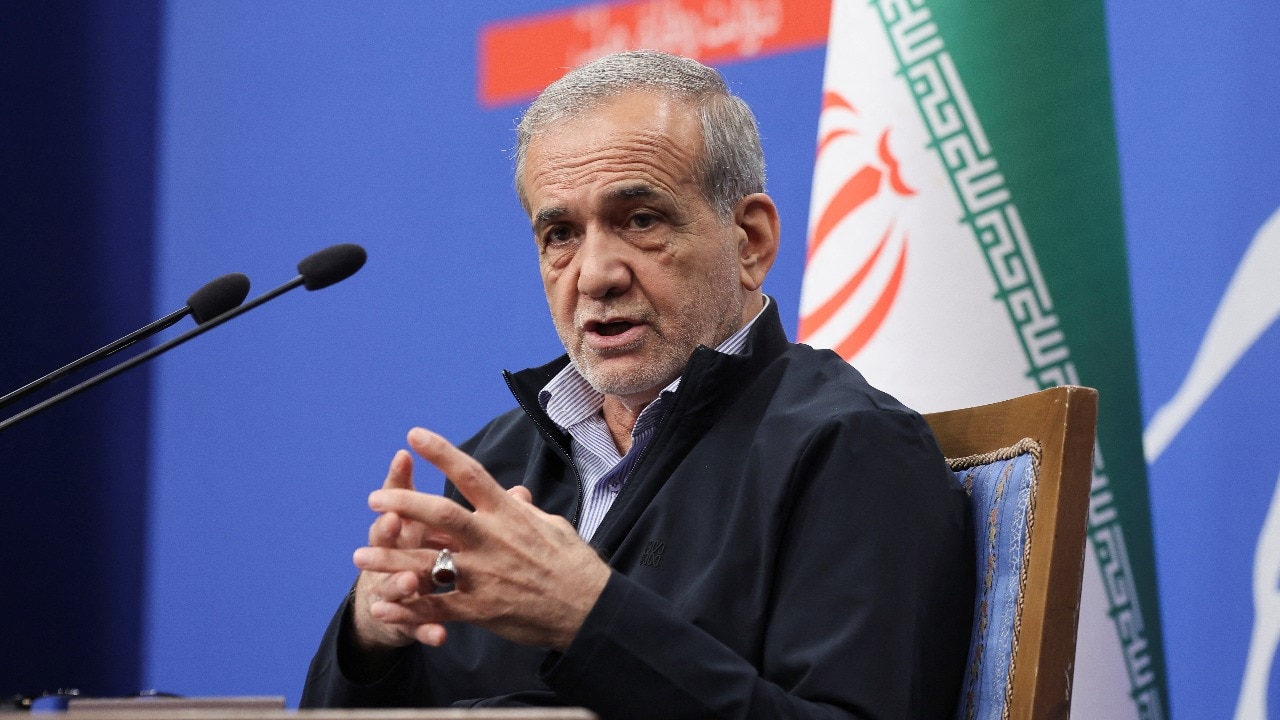
US President Donald Trump said on Wednesday that he held a broad-ranging phone call with Chinese President Xi Jinping, during which the two leaders discussed the situation in Iran. The conversation comes as the US administration is urging China and other nations to further isolate Tehran.
Trump said the call also covered several major issues shaping US-China relations, including trade, Taiwan, and his intention to travel to Beijing in April.
In a social media post, Trump described his ties with Xi as strong, saying both leaders understood the importance of maintaining a positive relationship.
China, in a readout of the call, said the two presidents talked about upcoming major international summits hosted by both countries and the possibility of meeting in person. However, Beijing’s statement did not mention Trump’s expected April visit.
The Chinese government also reaffirmed its position on Taiwan, insisting it would not abandon its long-standing goal of reunification. Taiwan is a self-governing democratic island that operates independently, though China claims it as part of its territory.
“Taiwan will never be allowed to separate from China,” China’s statement said.
Iran was also a key topic, as tensions remain high between Washington and Tehran following Iran’s violent crackdown on nationwide protests last month.
Trump is pressing Iran to make concessions on its nuclear program, which his administration argues was already weakened after the United States bombed three Iranian nuclear sites during the 12-day conflict Israel launched against Iran in June.
The White House has said special envoy Steve Witkoff is expected to participate in talks with Iranian officials later this week.
Last month, Trump announced that the US would impose a 25% tax on imports from countries that continue doing business with Iran.
Although years of sanctions have left Iran diplomatically isolated, the country still conducted nearly $125 billion in international trade in 2024. According to the World Trade Organization, Iran’s largest trading partners included China ($32 billion), the United Arab Emirates ($28 billion), and Turkey ($17 billion).
Separately, Xi also held a call on Wednesday with Russian President Vladimir Putin.
Xi’s conversations with both Trump and Putin come as the New START treaty — the last remaining nuclear arms control agreement between the US and Russia — is set to expire on Thursday. Its expiration would remove limits on the world’s two largest nuclear arsenals for the first time in more than 50 years.
Trump has said he supports continuing nuclear limits but believes China should be included in any future agreement.
“I actually feel strongly that if we're going to do it, I think China should be a member of the extension,” Trump told The New York Times last month. “China should be a part of the agreement.”
The call between Trump and Xi also took place as the Trump administration hosted a ministerial meeting in Washington with representatives from dozens of European, Asian, and African countries. The meeting focused on strengthening global supply chains for critical minerals without relying on China.
These minerals are essential for industries ranging from aerospace to consumer electronics, and China currently dominates the global market.
Vice President JD Vance told participants the effort was a chance for nations to build shared self-reliance in securing resources needed for industrial growth.
Meanwhile, Xi has recently met with several Western leaders seeking closer relations with China, as concerns rise over Trump’s tariff policies and his calls for the United States to take control of Greenland, a Danish territory.
The instability caused by shifting US trade policies has pushed many American economic partners to strengthen ties elsewhere. Vietnam and the European Union recently upgraded their relationship to a comprehensive strategic partnership, while the EU and India announced a free-trade agreement shortly afterward.
- Ends
Published By:
Nitish Singh
Published On:
Feb 5, 2026
Tune In