1 hour ago
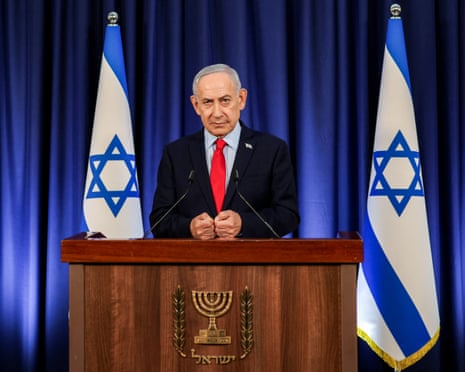
Netanyahu says 'no ceasefire in Lebanon'
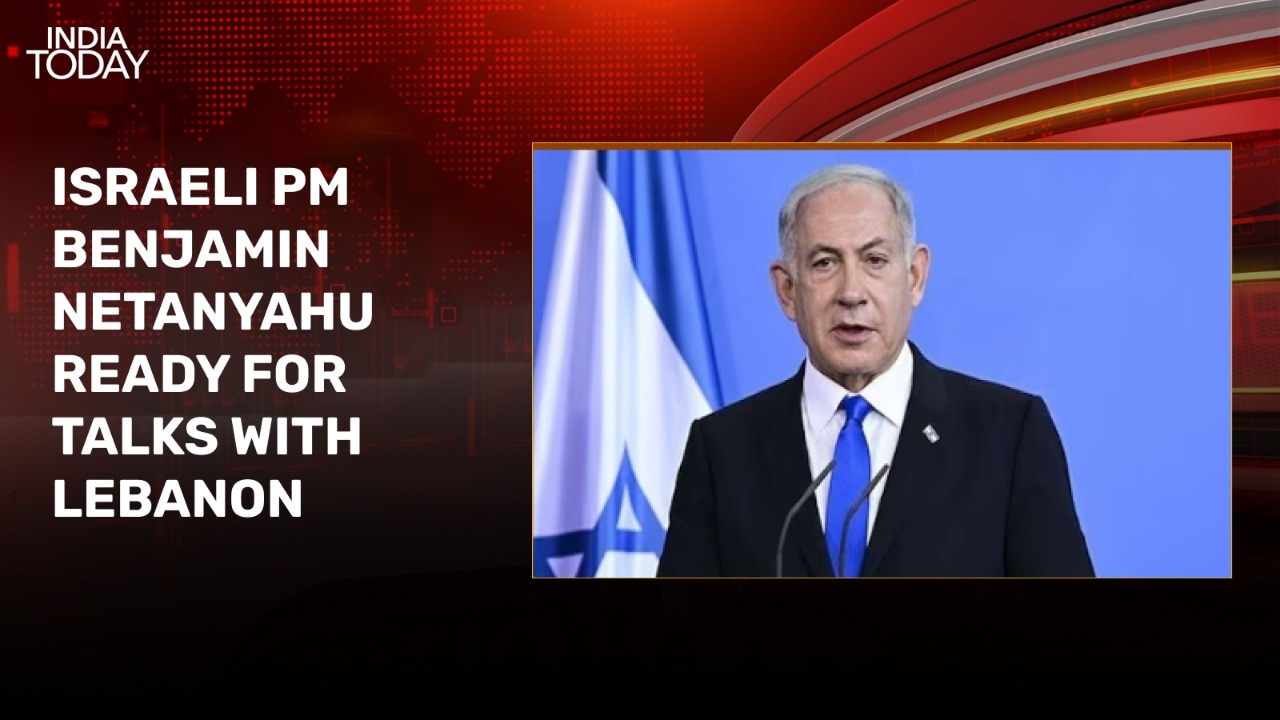
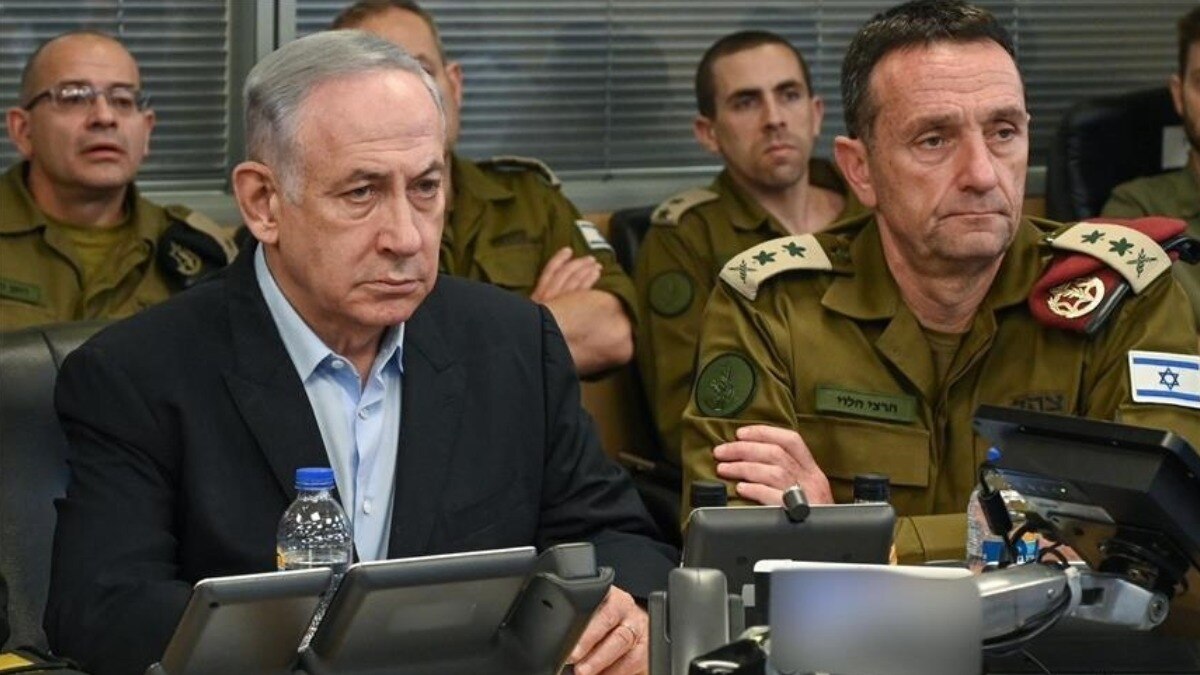
“I wish to inform you: There is no ceasefire in Lebanon,” Prime Minister Benjamin Netanyahu told Israelis in a short video address posted on X. He said Israel was “continuing to strike Hezbollah with full force, and we will not stop until we restore your security.”
His comments come shortly after President Trump said he had asked Netanyahu to be “more low-key” in Lebanon, as the US seeks to negotiate with Iran to bring the war to an end.
Netanyahu added that he had instructed his government to “open direct negotiations with Lebanon as soon as possible.” The talks will focus on the disarmament of Hezbollah and the establishment of peaceful relations between Israel and Lebanon, he added.
Key events Show key events only Please turn on JavaScript to use this feature
Trump says Iran 'better not be' charging tanker fees in strait of Hormuz
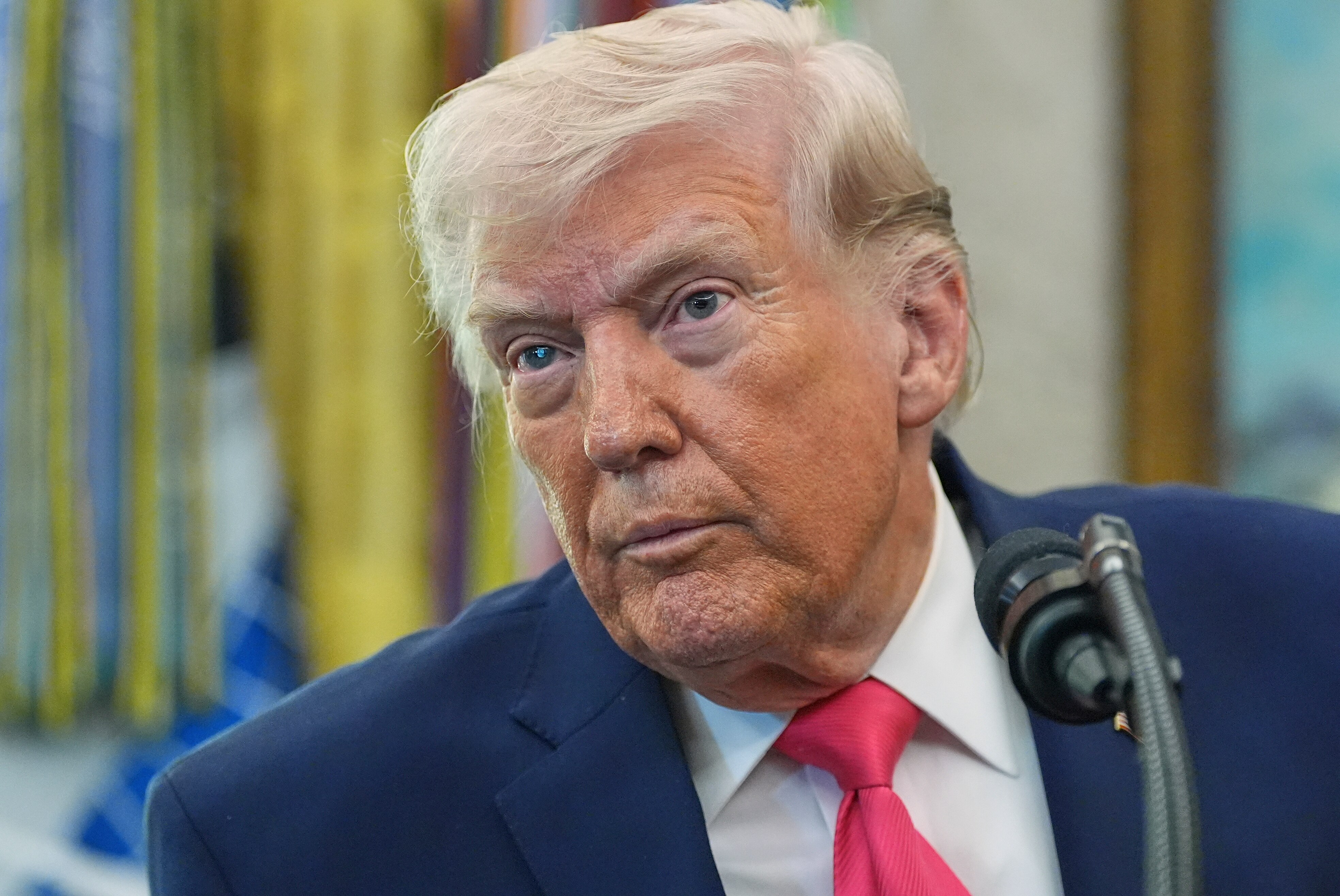
Donald Trump has warned Iran it “better not be” charging fees to tankers travelling through the strait of Hormuz, after hearing “reports” that Tehran was doing so.
“They better not be and, if they are, they better stop now!” Trump said in a post on his Truth Social platform.
Iran has said it has halted shipping traffic in the key waterway in retaliation for Israel’s strikes on Lebanon.
The day so far
Donald Trump said he is “very optimistic” a peace deal with Iran was within reach as a diplomatic delegation led by his vice-president JD Vance prepared to head to Pakistan for high-stakes talks aimed at ending the war this weekend. Iran’s leaders “talk much differently when you’re at a meeting than they do to the press. They’re much more reasonable,” the US president said, in line with his administration’s narrative that there’s a disconnect between what Tehran says publicly and privately. Trump went on: “They’re agreeing to all the things that they have to agree to. Remember, they’ve been conquered. They have no military. If they don’t make a deal, it’s going to be very painful.”
Trump also confirmed that he had asked Benjamin Netanyahu on Wednesday to be “more low-key” in Lebanon to help ensure the success of the upcoming US-Iran negotiations in Islamabad. “I spoke with Bibi and he’s going to low-key it. I just think we have to be sort of a little more low-key,” Trump told NBC News, adding that he believed Israel was “scaling back” its operations in Lebanon (there’s been no evidence of that yet – see the next few points).
Netanyahu said he had instructed his cabinet to begin direct negotiations with Lebanon aimed at disarming Hezbollah – all the while insisting that “there is no ceasefire” in Lebanon and that Israel will “continue to strike Hezbollah with force”.
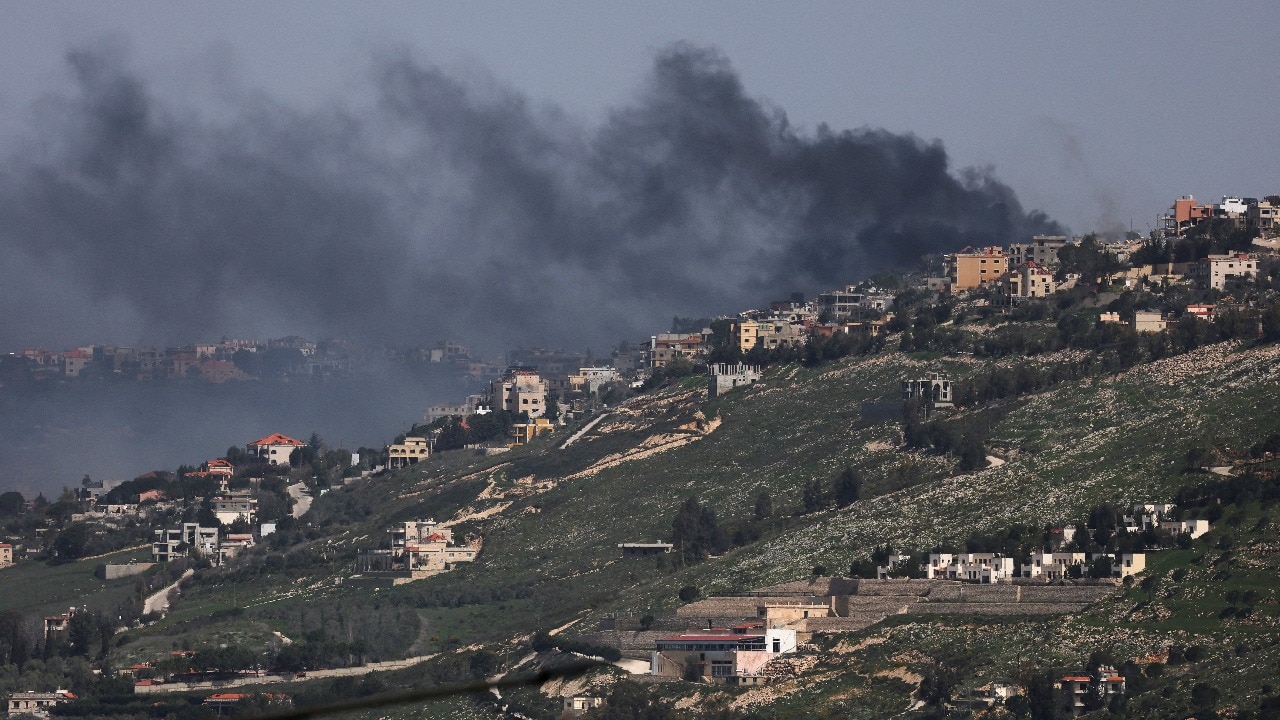
Israel has since launched a fresh wave of strikes against what it called “Hezbollah launch sites” in Lebanon, after the IDF earlier ordered people to flee Beirut’s densely populated southern suburbs. Later in the day, Hezbollah said it had fired a rocket salvo towards northern Israeli settlements.
While Israel continues to insist that the war will go on and “talks will be held under fire”, Lebanon is demanding a ceasefire before direct negotiations can begin. Joseph Aoun, the Lebanese president, said this was “the only solution”. Lebanon is also insisting that it needs the US as a mediator and guarantor of any agreement. Those talks will reportedly take place next week, hosted by the US state department in Washington.
Iran’s president Masoud Pezeshkian said Israeli strikes on Lebanon violate the ceasefire agreement and would render negotiations meaningless, adding that Iran would not abandon the Lebanese people.
The speaker of the Iranian parliament, Mohammad Bagher Ghalibaf, said Lebanon forms “an inseparable part of the ceasefire” deal. In a post on X, he said “there is no room for denial and backtracking”.
Pakistani prime minister Shehbaz Sharif condemned Israel’s “ongoing aggression against Lebanon” on Thursday, ahead of the expected US-Iran talks in Islamabad. “The prime minister said that Pakistan was engaged in sincere efforts for regional peace and it was in this spirit that the peace talks between Iran and the US were being convened,” Sharif’s office said in a statement.
Keir Starmer also said that Israel’s continued attacks on Lebanon “shouldn’t be happening”. The British prime minister also dismissed an argument put forward by US vice-president JD Vance on Wednesday that there had been “a legitimate misunderstanding”, saying the issue “isn’t a technical one of whether it’s a breach of the agreement or not”. It is “a matter of principles as far as I’m concerned”, Starmer said.
A statement attributed to Mojtaba Khamenei, Iran’s supreme leader, said Iran will take management of the strait of Hormuz into a new phase, but did not elaborate on what that would be. In the statement, read out on state tv, he also said Iran remains determined to “take revenge” for his father, who was assassinated on the first day of the war, and all those killed in the war. “We will certainly demand compensation for each and every damage inflicted, and the blood price of the martyrs and the compensation for the wounded of this war,” he said.
Iran’s foreign minister Abbas Araghchi suggested that Netanyahu is resisting a ceasefire because of his corruption trial, and urged Trump not to “crater” the US economy by allowing the Israeli prime minister to jeopardise ongoing diplomatic efforts to stop the war. Araghchi said on X: “Netanyahu’s criminal trial resumes on Sun. A region-wide ceasefire, incl in Lebanon, would hasten his jailing.”
Lebanon held a day of mourning after a punishing wave of Israeli attacks killed more than 300 people and injured more than 1,000 in a single day on Wednesday, prompting worldwide condemnation.
Keir Starmer and Donald Trump have said they’re at the “next stage of finding a resolution” for reopening the strait of Hormuz, Downing Street has said.
In a statement, No 10 said that the British prime minister discussed with Trump the UK’s “efforts to convene partners to agree a viable plan” to reopen the critical shipping lane.
“They agreed that now there is a ceasefire in place and agreement to open the Strait, we are at the next stage of finding a resolution,” the statement said.
“The leaders discussed the need for a practical plan to get shipping moving again as quickly as possible,” it went on, adding Trump and Starmer would speak again soon.
Iran’s foreign minister says Netanyahu delaying ceasefire to avoid corruption trial
Iran’s foreign minister Abbas Araghchi has suggested that Benjamin Netanyahu is resisting a ceasefire because of his corruption trial, and urged Donald Trump not to “crater” the US economy by allowing the Israeli prime minister to jeopardise ongoing diplomatic efforts to stop the war.
Araghchi said on X:
Netanyahu’s criminal trial resumes on Sun. A region-wide ceasefire, incl in Lebanon, would hasten his jailing.
If the US wishes to crater its economy by letting Netanyahu kill diplomacy, that would ultimately be its choice. We think that would be dumb but are prepared for it.
Netanyahu’s long-running trial will resume on Sunday, an Israeli courts’ spokesperson said on Thursday.
The first sitting Israeli prime minister to be charged with a crime, Netanyahu denies charges of bribery, fraud and breach of trust brought in 2019 after years of investigations. His trial, which began in 2020 and could lead to prison terms, has been repeatedly delayed due to his official commitments, with no end date in sight.
US state department to host Israel-Lebanon talks in Washington next week
Talks between Lebanon and Israel will take place next week in Washington DC, a US State Department official has confirmed to AFP.
We can confirm that the Department will host a meeting next week to discuss ongoing ceasefire negotiations with Israel and Lebanon.
We earlier brought you that report from Axios.
Earlier today, the Guardian’s Peter Beaumont wrote this analysis about Israel’s continued attacks on Lebanon – asking: What was the point of surprise mass strikes that killed more than 300 people and drew widespread international condemnation?
Here’s more from Peter’s piece:
Prime minister Benjamin Netanyahu and other officials have claimed the largest strike against Hezbollah during the month-long war against Iran was carefully aimed at members of the armed group.
Others have speculated that the attack – without warning and initially hitting more than 100 targets in 10 minutes including in densely populated residential areas in central Beirut – was aimed at undermining the US-Iran ceasefire that many see as being imposed on an unhappy Netanyahu.
The version being briefed in the Israeli media is that Hezbollah had sought to move command posts to civilian areas outside its historical centres, such as the sprawling Dahieh suburb, to better conceal and protect them – a claim Israel has previously made about Hamas in Gaza.
Netanyahu says 'no ceasefire in Lebanon'
“I wish to inform you: There is no ceasefire in Lebanon,” Prime Minister Benjamin Netanyahu told Israelis in a short video address posted on X. He said Israel was “continuing to strike Hezbollah with full force, and we will not stop until we restore your security.”
His comments come shortly after President Trump said he had asked Netanyahu to be “more low-key” in Lebanon, as the US seeks to negotiate with Iran to bring the war to an end.
Netanyahu added that he had instructed his government to “open direct negotiations with Lebanon as soon as possible.” The talks will focus on the disarmament of Hezbollah and the establishment of peaceful relations between Israel and Lebanon, he added.
Israel says it is attacking 'Hezbollah launch sites' in Lebanon
A few moments ago, the IDF said in a brief post on Telegram that it had started begun striking “Hezbollah launch sites in Lebanon”.
The Israeli army earlier ordered people to flee from Beirut’s southern suburbs as it warned of further strikes.
This is all as Lebanon says that a ceasefire must be in place before it can enter into negotiations with Israel, whereas Tel Aviv insists “talks will be held under fire”.
It is also despite Donald Trump telling Benjamin Netanyahu to scale back his attacks on Lebanon, ahead of high stakes talks with Iran this weekend.
I’ll bring you more on this as we get it.
Supreme leader says Iran will take management of strait of Hormuz 'into new phase'
A statement attributed to Mojtaba Khamenei, Iran’s supreme leader, who has still not been seen or heard from in public, has just been read out across state media – his first since the fragile ceasefire was announced.
He said Iran remains determined to “take revenge” for his father, who was assassinated on the first day of the war, and all those killed in the war:
We will certainly demand compensation for each and every damage inflicted, and the blood price of the martyrs and the compensation for the wounded of this war.
He was also quoting as saying that Iran will take management of the strait of Hormuz into a new phase, but did not elaborate on what that would be.
Khamenei also called on pro-regime protesters to take to the streets because “your voices raised in public squares have an impact on the outcome of the negotiations”.
He added:
Iran is not seeking war but will not forfeit its rights and considers all resistance fronts as a unified entity.
Trump confirms he asked Netanyahu to be 'more low-key' on Lebanon
In that interview with NBC News, Donald Trump also confirmed that he asked Benjamin Netanyahu to be “more low-key” in Lebanon as the US seeks to negotiate with Iran to bring the war to an end.
“I spoke with Bibi and he’s going to low-key it. I just think we have to be sort of a little more low-key,” Trump said, adding that he believed Israel was “scaling back” its operations in Lebanon (again, there’s been no evidence of that yet).
Earlier, I brought you CNN’s report that the US president had made the request to the Israeli prime minister. NBC News heard the same, reporting that Trump asked Netanyahu to pull back on the strikes to help ensure the success of the upcoming negotiations in Islamabad.
Israel’s attacks on Lebanon should not be happening, says Starmer
Peter Walker and Jamie Grierson
Israel’s continued attacks on Lebanon “shouldn’t be happening”, Keir Starmer has said on his visit to the region, echoing criticisms by Yvette Cooper, his foreign secretary; and John Healey, his defence secretary, and emphasising a potentially widening gap between the UK and Donald Trump’s US over the war on Iran and its aftermath.
As well as the condemnation over Lebanon, Starmer and his ministers have been adamant that the strait of Hormuz must be free of any sort of tolls or levies, after Trump mooted the idea of a “joint venture” between the US and Iran to do this.
Speaking in Bahrain on a trip in which he has also held talks in Saudi Arabia and the UAE on shoring up the tentative ceasefire between Iran, the US and Israel, and fully reopening the strait of Hormuz to commercial shipping, Starmer criticised Israel’s intensified bombing in Lebanon, which killed more than 300 people on Wednesday.
He told ITV:
That shouldn’t be happening. That should stop. That’s my strong view.
As we’ve been reporting, while Israel has announced it will begin talks with Lebanon, both Israel and the US have denied that ending attacks on Lebanon was part of the ceasefire. JD Vance, Trump’s vice-president, argued that there had been “a legitimate misunderstanding”.
Starmer dismissed this argument, saying the issue “isn’t a technical one of whether it’s a breach of the agreement or not”, calling it “a matter of principles as far as I’m concerned”.
UK ministers have refused to directly condemn Trump, even after the US president shocked the world by saying Iran’s “whole civilisation will die” if Tehran did not meet US demands before the ceasefire.
In the ITV interview, Starmer was obliquely critical of the language, saying:
They are not words I would use, ever use, because I come at this with our British values and principles.
Read the full report here:
Trump ‘optimistic’ about Iran peace deal even as ceasefire appears strained
Donald Trump has told NBC News that he is “very optimistic” a peace deal with Iran was within reach as a diplomatic delegation led by his vice-president JD Vance prepared to head to Pakistan for high-stakes talks aimed at ending the war this weekend.
Iran’s leaders “talk much differently when you’re at a meeting than they do to the press. They’re much more reasonable,” the US president said, in line with his administration’s narrative that there’s a disconnect between what Tehran says publicly and privately.
Trump went on:
They’re agreeing to all the things that they have to agree to. Remember, they’ve been conquered. They have no military.
If they don’t make a deal, it’s going to be very painful.
In line with what Reuters and others are hearing, a Lebanese official has told Al Jazeera that talks with Israel would take place under US oversight.
They said Lebanon is seeking a ceasefire before agreeing to enter direct negotiations, and that those negotiations would be led by former Lebanese ambassador Simon Karam.
Lebanese president says 'only solution' is ceasefire before talks with Israel
As we’ve been reporting, Lebanon wants a ceasefire from Israel before direct negotiations can begin, while Israel says the “talks will be held under fire”.
Earlier, Lebanese president Joseph Aoun said that a ceasefire first was the “only solution”.
In a statement posted on X, he said:
The only solution to the situation Lebanon is experiencing is to achieve a ceasefire between Israel and Lebanon, followed by direct negotiations between them.
He added that Lebanon’s security forces have been “carrying out their work fully to enforce security and stability”, despite the “difficult circumstances they are facing”.