1 hour ago
While Pakistan is looking to be seen as the mediator that pulled the US and Iran back from the edge, it is itself sitting in China's Urumqi, looking for a way out of its own "open war" with Afghanistan.
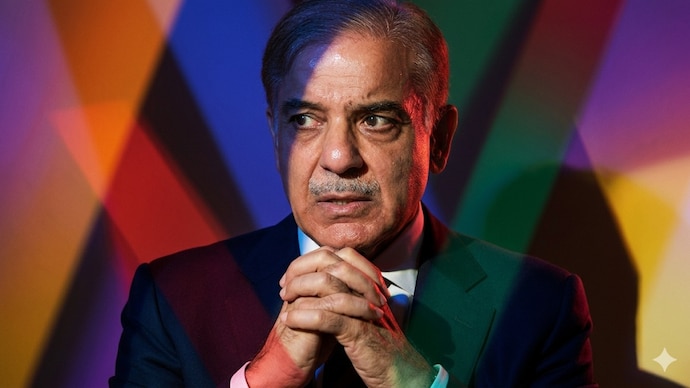
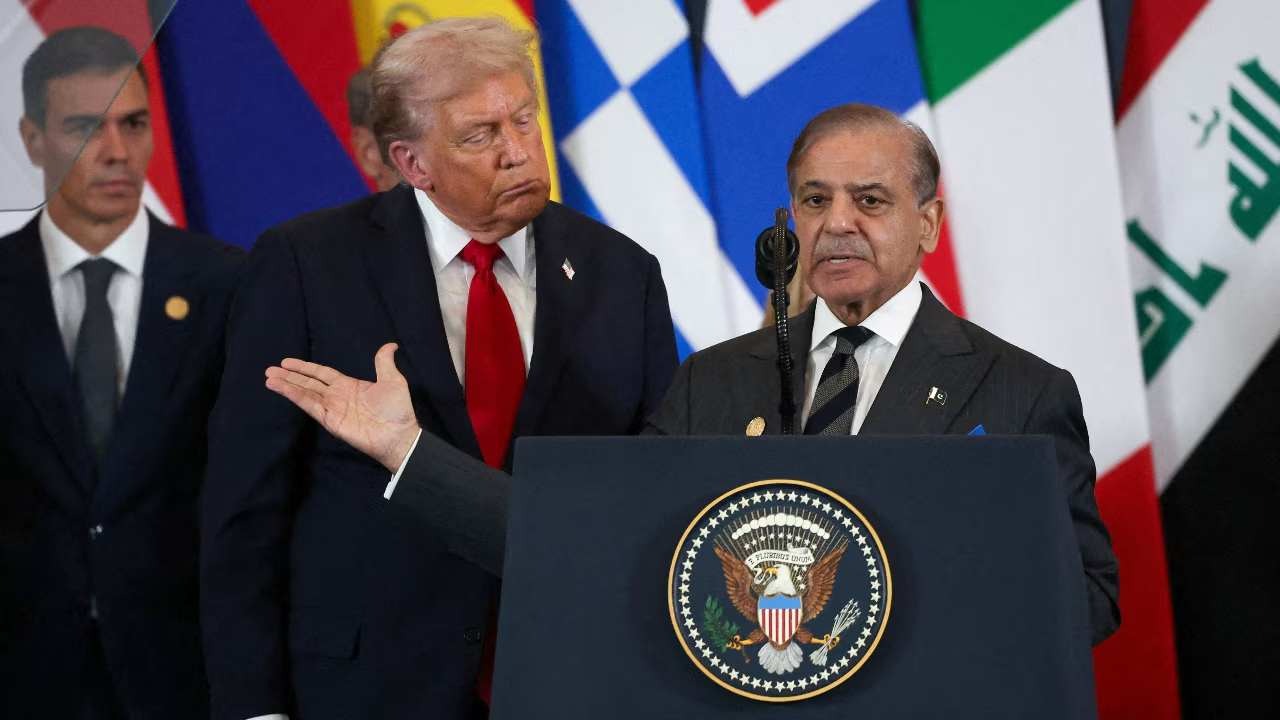
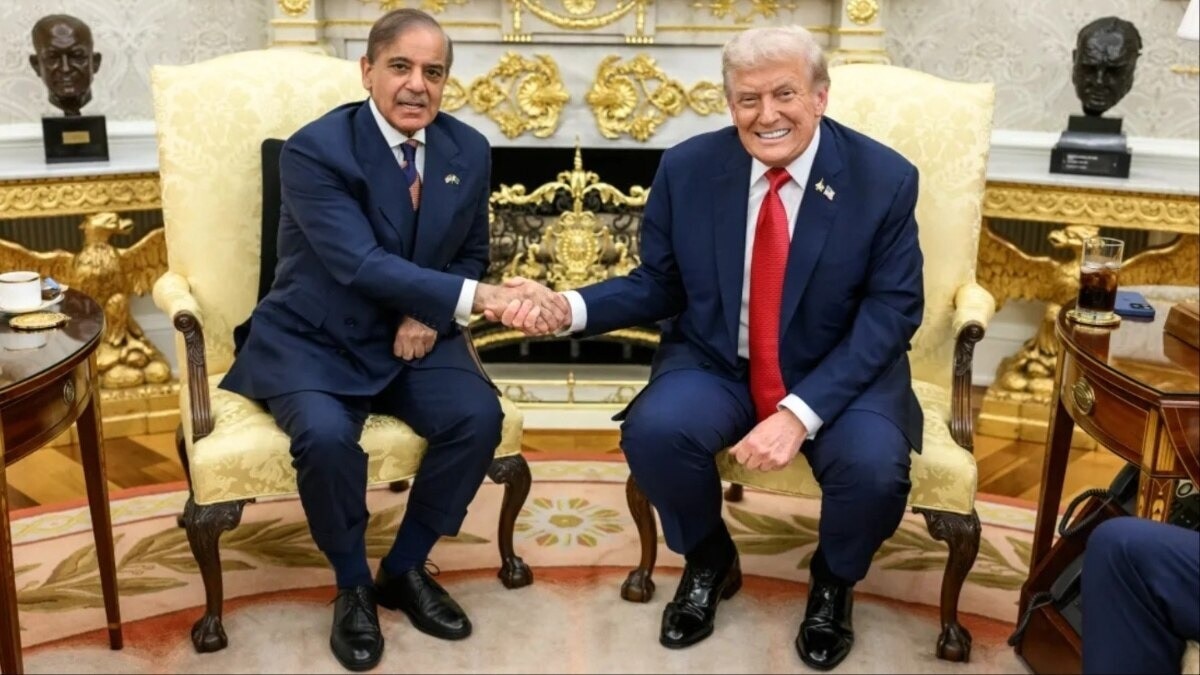
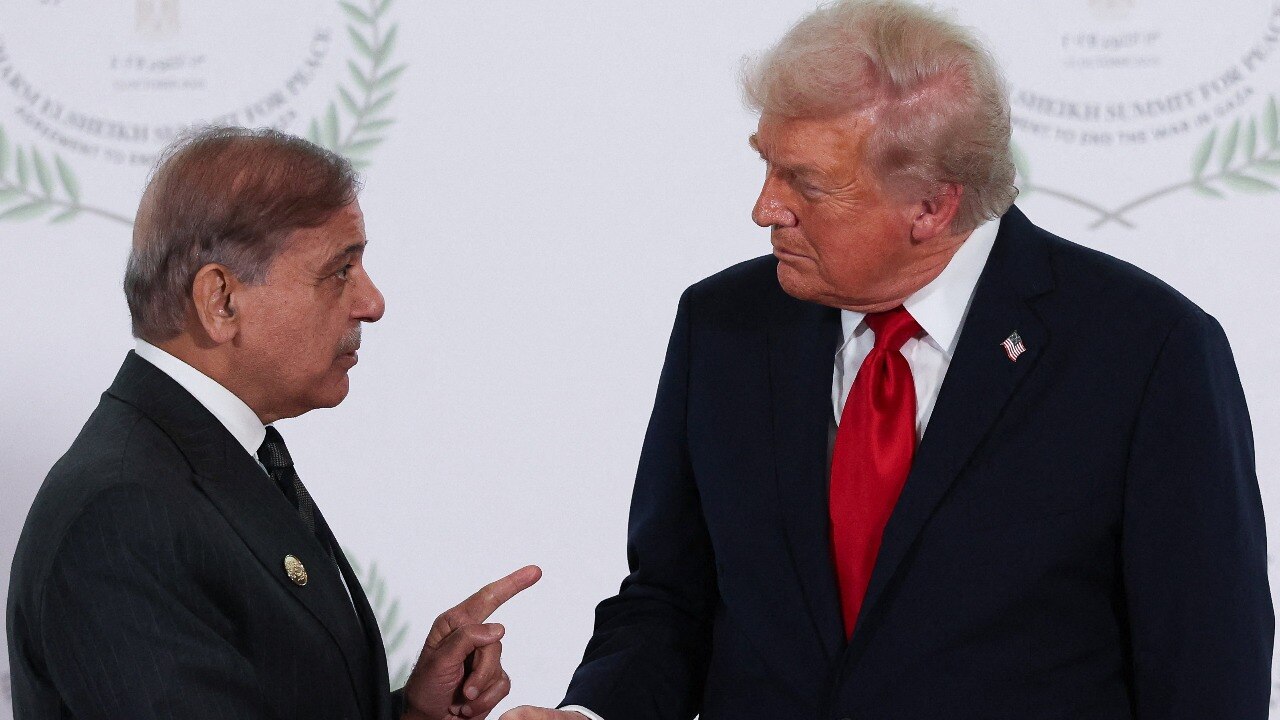
Pakistan PM Shehbaz Sharif is trying to name the US-Iran peace talks as the "Islamabad Talks". (File image)

New Delhi,UPDATED: Apr 9, 2026 12:48 IST
Pakistan and its hybrid regime are projecting the Islamic Republic as the peacemaker in the war in the Middle East. Prime Minister Shehbaz Sharif and Field Marshal Asim Munir, were the men who allegedly convinced US President Donald Trump to pause the strike on Iran, hours before the latter's deadline was expected to end. But even as Islamabad is celebrating its diplomatic relevance and role in "mediating" in the war, there is another war in its home that Pakistan cannot stop on its own. It's Pakistan's war with Afghanistan, where exchanges of fire have often made the situation volatile along the "border", the Durand Line. Trade has been badly hit for months. Hundreds of lives — military and civilian — have been lost. And, there's a constant threat that the situation could become worse.
Now, even as Pakistan is trying to mediate between Washington and Tehran, it is itself sitting across the table with Afghanistan. And it's China which is mediating to find a way out for the warring neighbours.
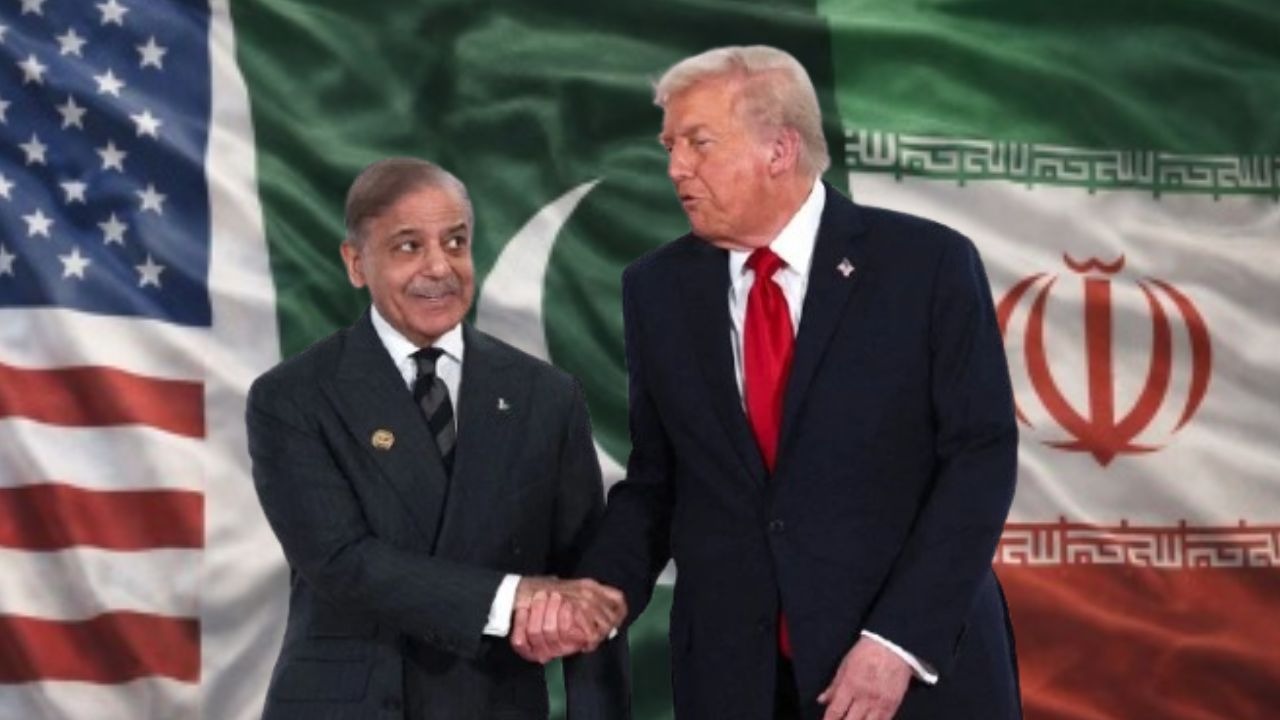
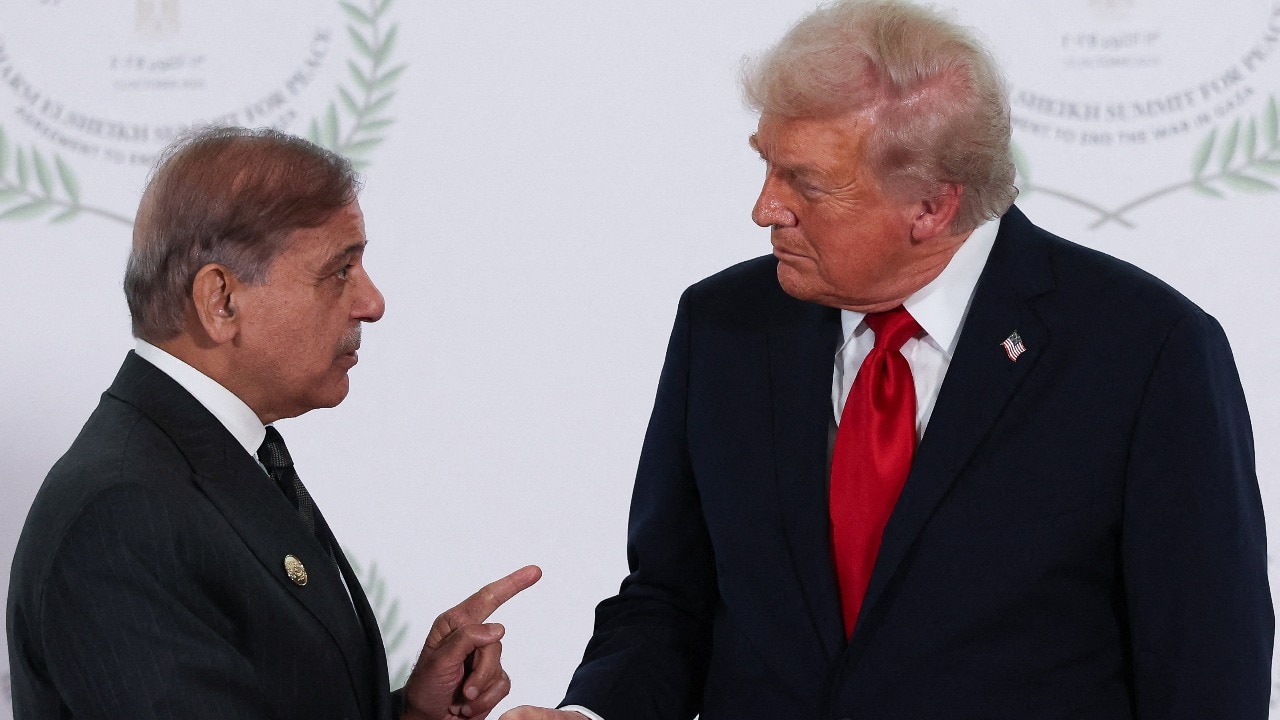
Just 90 minutes before US President Donald Trump's deadline on Iran was to expire, the US President announced a two-week suspension of bombing plans against Tehran. Trump said he had taken the decision after conversations with Pakistan's Prime Minister Shehbaz Sharif and Field Marshal Asim Munir.
Islamabad jumped into action, wasting no time. It started portraying the development as proof of Pakistan's strategic importance. The Pakistan-based think tank, the Centre for Strategic Studies, called it "evidence of Pakistan being a responsible and credible diplomatic actor".
However, at the very same time, the war Pakistan is involved in is being discussed in western China's Urumqi.
Pakistan has been alleging that Afghanistan supports the UN-designated terrorist organisation Tehrik-e-Taliban, also known as the Pakistani Taliban. Pakistan accuses the Afghan Taliban of giving TTP safe haven, training, and freedom to launch attacks inside their country. Afghanistan has denied all these claims by Pakistan repeatedly.
HOW CHINA IS MEDIATING BETWEEN PAKISTAN AND AFGHANISTAN
Mediator Pakistan, which has been hell-bent on calling the Middle East peace efforts "Islamabad Talks", has been engaged in a year-long conflict with neighbour, the Taliban-led Afghanistan. Tensions along the Durand Line have flared up sporadically. Airstrikes, artillery, and ground clashes along the disputed border have marred peace.
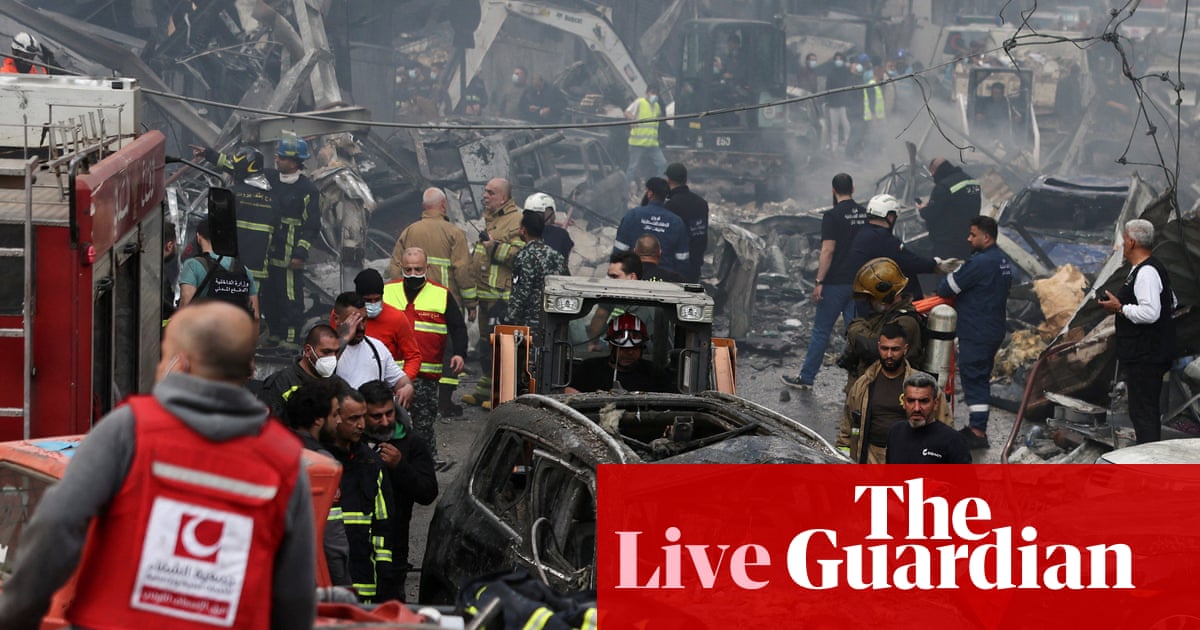
Last month, Pakistan conducted airstrikes in Kabul and Nangarhar. The Taliban claimed the strikes hit an addiction treatment hospital, killing over 400 people (mostly civilians) and injuring more than 250.
In February, Afghan forces launched a cross-border offensive, attacking Pakistani military positions along the border in retaliation for earlier Pakistani strikes. Pakistan responded with large-scale airstrikes and ground operations under Operation Ghazab lil Haq, targeting Afghan military installations.
Pakistan's Defence Minister Khawaja Asif said the Islamic Republic had declared an "open war".
After the hostilities subsided, Pakistan and Afghanistan came to the negotiating table in early April 2026. China, acting as the primary mediator due to its strategic interests in regional stability and the safety of its Belt and Road projects in both countries, invited senior mid-level delegations from Islamabad and Kabul to hold talks in the northwestern Chinese city of Urumqi.
Both sides accepted Beijing's request for dialogue. After seven days of talks under Chinese facilitation, the three parties agreed not to escalate the conflict. China described the outcome as positive progress. Pakistan and Afghanistan welcomed Beijing's mediation efforts.
The Chinese Foreign Ministry stated on Friday, "Both Pakistan and Afghanistan have valued and welcomed China's mediation efforts."
Afghanistan's Foreign Ministry said, "Peace talks with Pakistan being held in China have been useful."
A UK-based journalist of Afghan origin, Sami Yousafzai, claimed on X saying, "Pakistan is reportedly willing to provide a written guarantee that critical trade routes will remain open, while the Taliban side has agreed in principle in writing that Afghan soil will not be used by Tehrik-e-Taliban Pakistan."
While the ceasefire is holding up and both sides are on Beijing's talking table, this is an ironic situation for Pakistan. While it's looking to play the role of a peacemaker in the US-Iran War, China is holding it back from waging a war on Afghanistan.
- Ends
Published By:
Avinash Kateel
Published On:
Apr 9, 2026 12:48 IST
Tune In