1 hour ago
To understand why Pakistan found itself at the centre of this geopolitical manoeuvring, one must look at the historical architecture of its bilateral relationship with Iran. Aparna Pande, senior fellow at the Hudson Institute in Washington, DC, notes that shared geography and demographics afford Islamabad a unique utility.
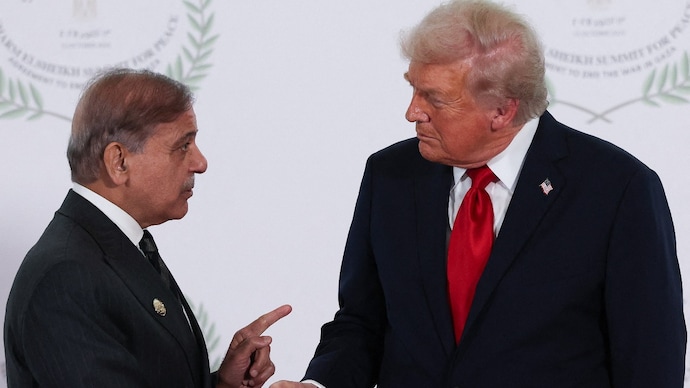
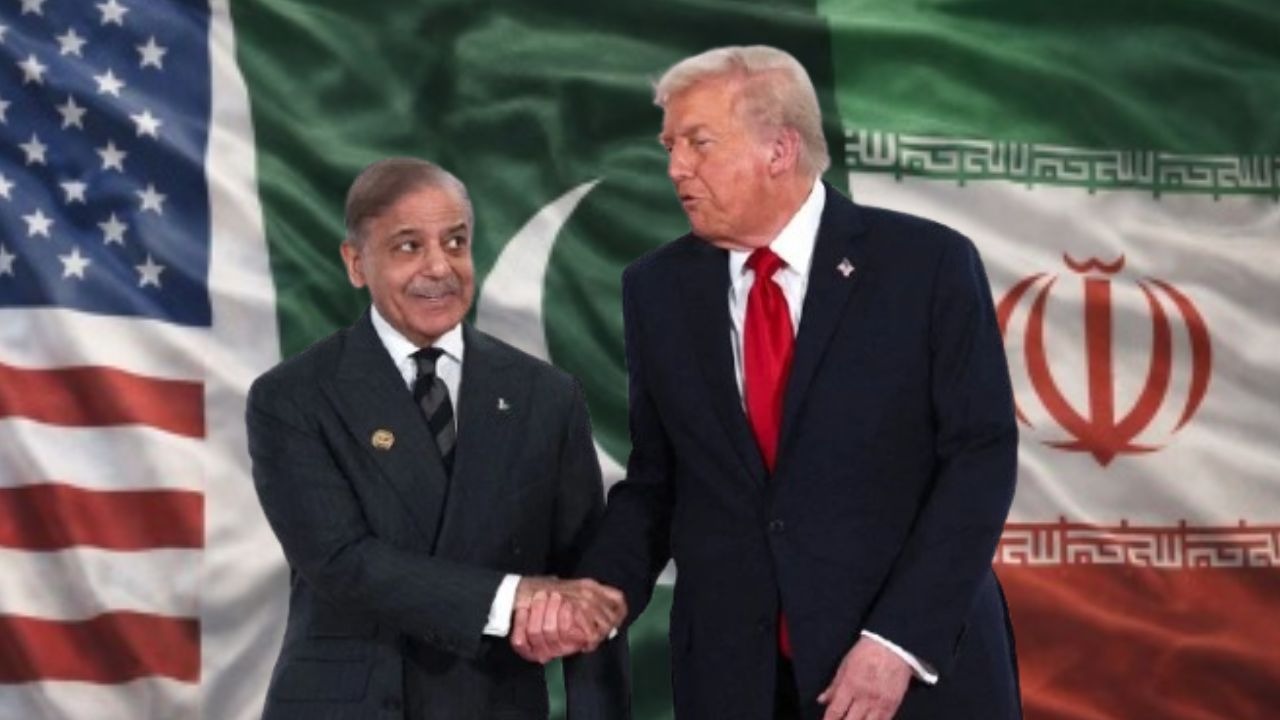
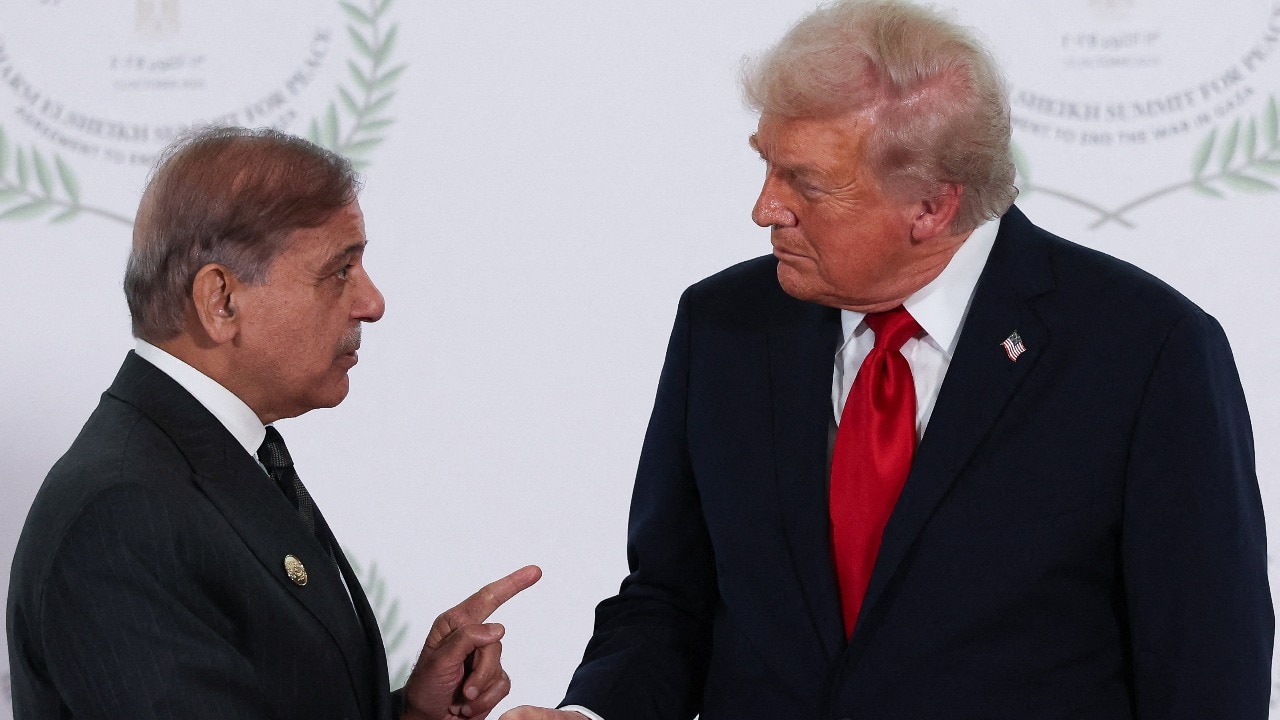
US President Donald Trump and Pakistani Prime Minister Shehbaz Sharif shake hands. (File Photo: Reuters)
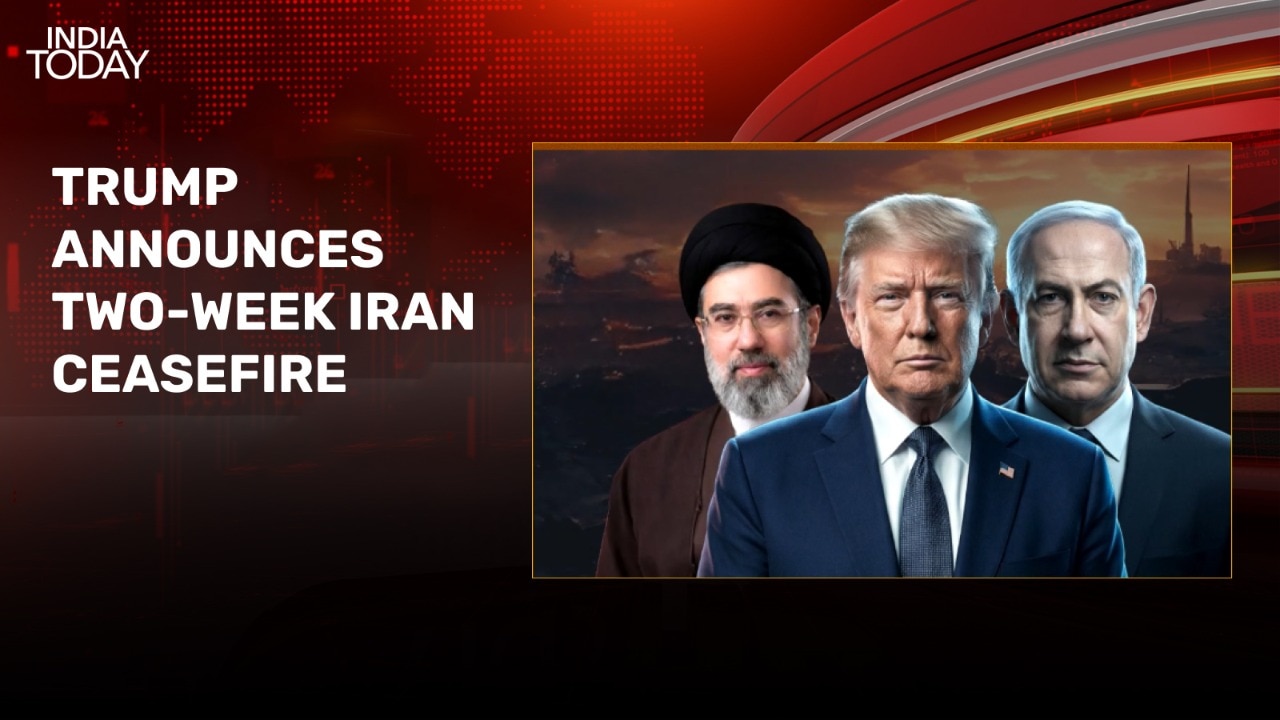
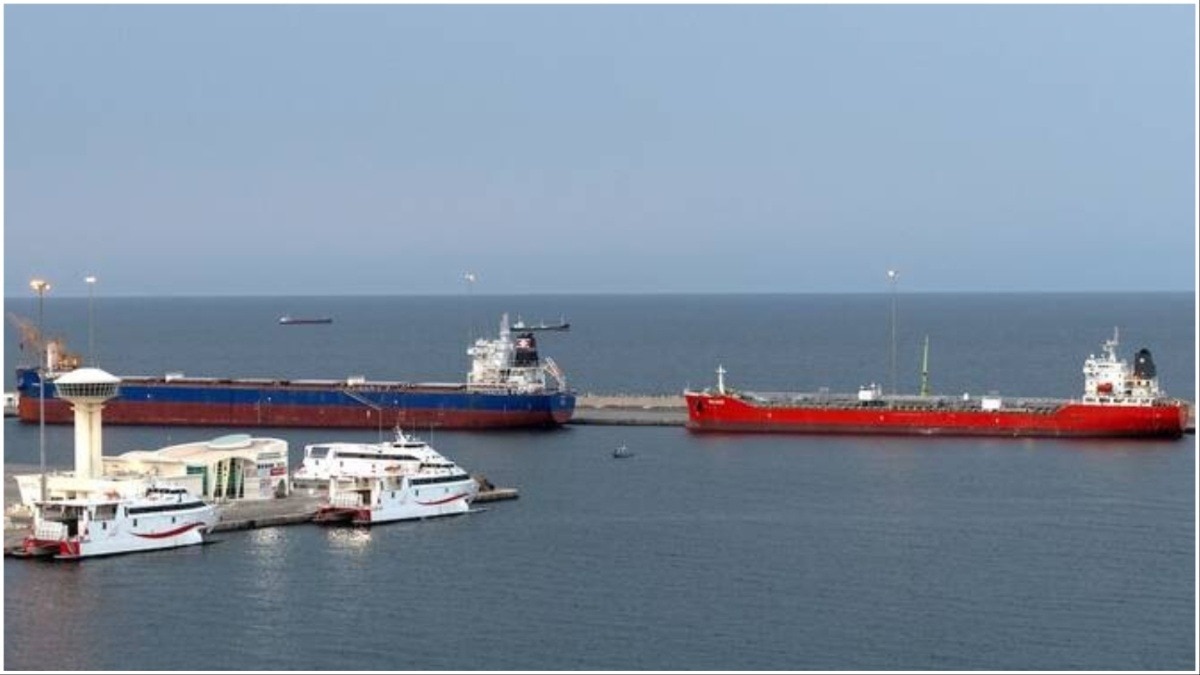
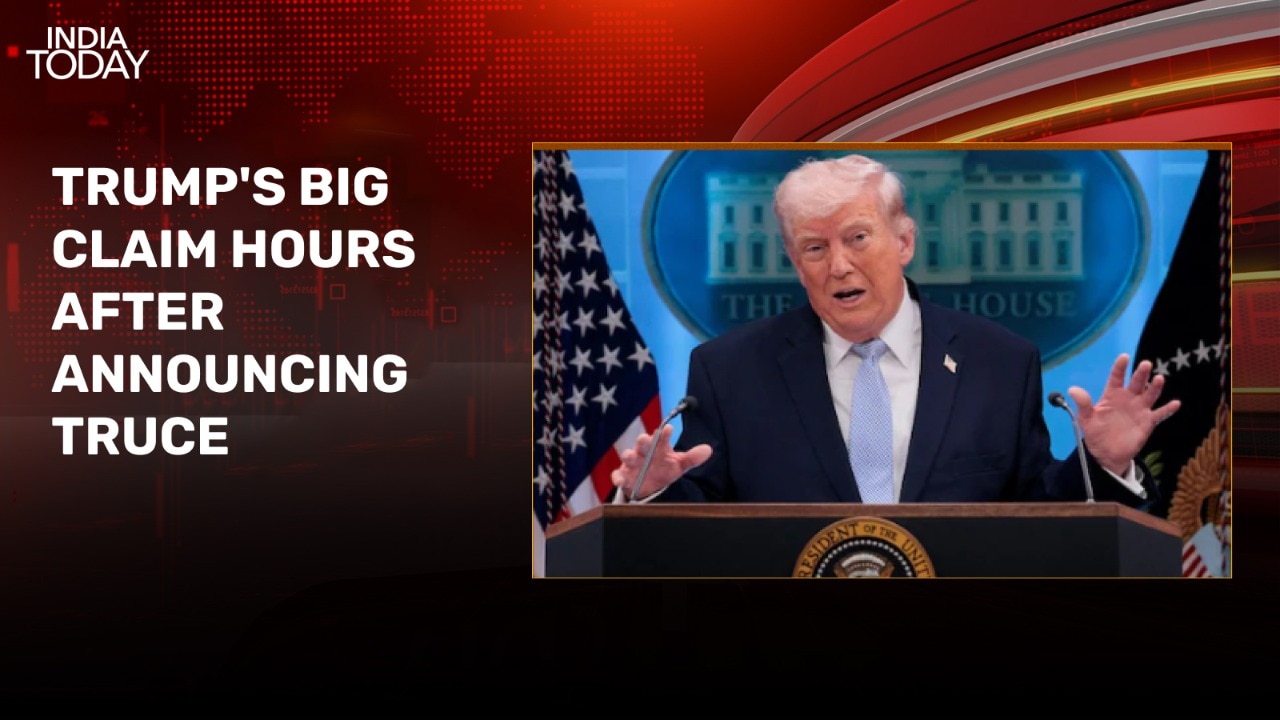
On Tuesday, President Trump heralded a precarious diplomatic breakthrough: a two-week ceasefire designed to secure the reopening of the strategic Strait of Hormuz. According to the initial framing of the announcement, the pause in hostilities followed requests by Pakistan’s prime minister and top military brass acting on Tehran’s behalf, utilising an Iranian 10-point plan as the foundational framework.
However, in the wake of the announcement, a critical geopolitical question has emerged among policy circles: Is Islamabad massively overplaying its role as a regional peacemaker?
To understand why Pakistan found itself at the centre of this geopolitical manoeuvring, one must look at the historical architecture of its bilateral relationship with Iran. Aparna Pande, senior fellow at the Hudson Institute in Washington, DC, notes that shared geography and demographics afford Islamabad a unique utility.
"Pakistan has had complicated ties with Iran," Pande explains. "They are neighbors. Pakistan has a large Shia population, both border Afghanistan, and both have Baloch populations. They have had tensions periodically — disagreements over Afghanistan; Iran launched missiles at Pakistan a few years ago — but they also have a strong diplomatic relationship, both under the Shah and under the Islamic regime."
Pande points out that this shared history gives Pakistan a slight strategic edge as a courier over competing regional powers. "Iran trusts Pakistan more than it trusts the Arab Gulf countries," she notes, making it, in many ways, the ideal Muslim-majority country in the region to act as a go-between.
Yet, a shared border and historical ties do not equate to actual diplomatic leverage.
Michael Rubin, senior fellow at the American Enterprise Institute in Washington, DC, dismisses the idea that Pakistan holds any real sway over Tehran or Washington. Addressing the fact that Pakistan’s embassy in Washington, DC, formally houses the Iranian interests section, Rubin is blunt: "Pakistan really doesn't have any levers other than its offices. Pakistan technically runs the Iran interests section out of its embassy in Washington, just like Switzerland handles US interests in Tehran. But I've been to the Iran interests section in DC, and there's not a Pakistani there; Pakistan just provides diplomatic cover while Iranians run the office. Frankly, given that Iran has a UN mission in New York, there's really no reason for Pakistan even to involve itself."
Rubin goes further, categorising Pakistan alongside nations like Qatar and Turkey as "dishonest brokers" whose primary motivation is escaping accountability for their own behaviour rather than securing regional peace. "Trump does not understand that rule number one of successful mediation is choosing a mediator who does not privately hope you lose," Rubin warns. "If Pakistan were a competent or sincere mediator, there would not be multiple versions of Iran's 10-point plan floating around."
If Pakistan lacks the geopolitical capital to enforce a truce, who actually brought Tehran to the table? The reality behind closed doors points largely to Beijing. Iran’s most significant economic lifeline — and its only major international backer providing material help during this war, largely facilitated via Pakistani territory — has been China. With its own economic interests threatened by the closure of the Strait, it was Chinese pressure that ultimately forced the issue, a dynamic corroborated by recent White House acknowledgements.
US political commentator Utsav Chakrabarty encapsulates this dynamic, reducing Pakistan's role to mere geography: "Pakistan is fundamentally a ping-pong ball between China and the US. In this crisis, Pakistan served merely as the venue where US, Chinese, and Iranian interests intersect. Iran's only real backer in this war was China, with material help flowing via Pakistani territory. For Islamabad to claim it orchestrated this truce is a massive overplay of its actual diplomatic hand."
With China acting as the true heavyweight, Pakistan's self-aggrandizement reveals deeper domestic vulnerabilities. Foreign policy analyst Adelle Nazarian views Islamabad's actions as a desperate bid for relevance. "The reports that Pakistan is overplaying its role are not entirely surprising," Nazarian observes. "Traditionally, we see Islamabad try to leverage its geostrategic location to gain favour with both Washington and Tehran. However, they aren’t India. There is a fine line between being a facilitator and a freelancer, and Islamabad’s attempt to bridge that gap has created a significant credibility vacuum."
She contrasts this with India under Prime Minister Modi, which possesses the "strategic autonomy and moral weight to be a true 'moderator'," whereas Pakistan is "acting out of economic desperation and a need for relevance."
On the question of leverage, Nazarian echoes Rubin: "They aren't brilliant; they are simply available. In a region currently on fire, 'availability' is the most valuable currency, but it's also the most volatile."
This volatility raises grave concerns about the durability of the current truce, which Nazarian claims is already on life support. "I knew the April 7 announcement would be short-lived. Frankly, I can't blame Israel for taking this window to surgically dismantle Hezbollah — the IRGC's most potent forward defence arm," she states. "The realpolitik is stark: Donald Trump wants the definitive 'win' of a reopened Strait of Hormuz and a permanent curb on nuclear enrichment, while the regime in Tehran is playing for survival and refuses to abandon its nuclear 'insurance policy.'"
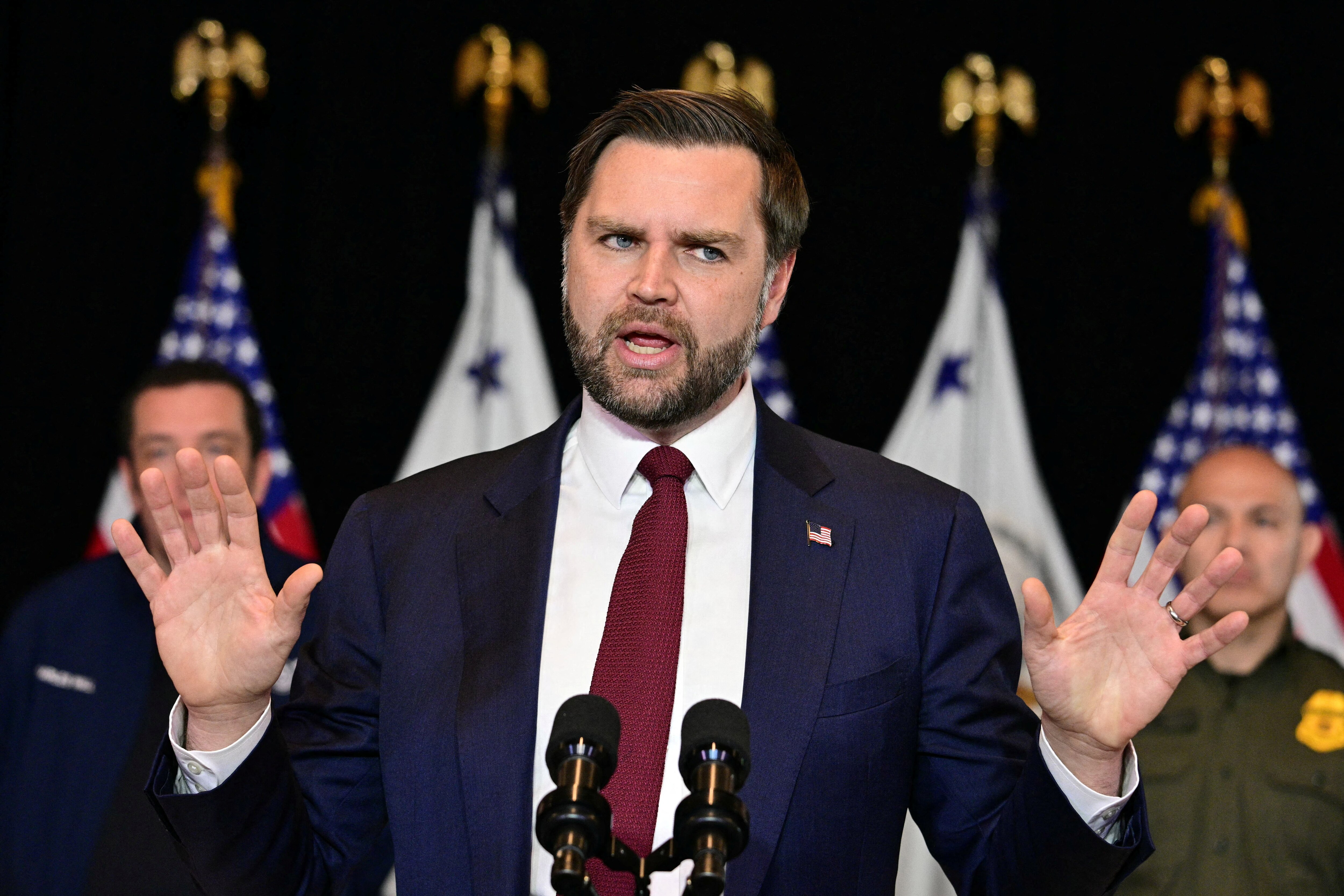
As Vice President JD Vance prepares to head to Islamabad on April 11, Nazarian warns against misinterpreting the visit. "The Trump-Vance doctrine isn't about 'nation-building' or 'saving' Pakistan's economy it's purely transactional."
Ultimately, Pakistan has succeeded only in operating as a diplomatic post office. Without the geopolitical capital to enforce the terms it delivered, there is no Plan B for when the peace fails. Both sides may continue to use Islamabad out of convenience to avoid a global energy market incineration, but the underlying agreement remains deeply flawed. As Nazarian forewarns, it is a deal that "may ultimately be signed in ink, but dissolved in blood."
- Ends
Published By:
Nitish Singh
Published On:
Apr 9, 2026 02:46 IST
Tune In