2 hours ago
Israeli Ambassador to India Reuven Azar said that Israel will continue its military offensive against powers threatening its existence, reiterating its right to self-defence.
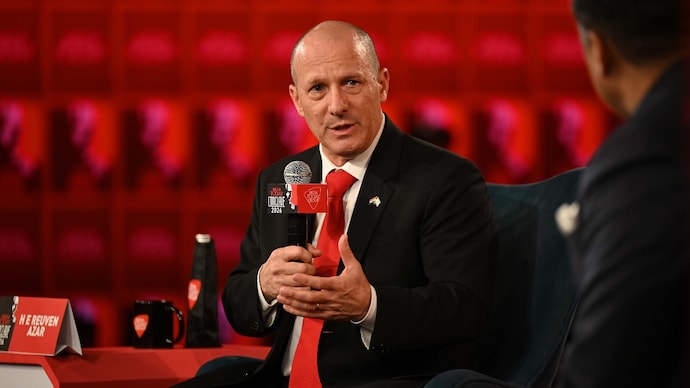
Israel envoy to India, Reuven Azar, at India Today Conclave 2026. (Photo: ITG)

New Delhi,UPDATED: Apr 8, 2026 22:16 IST
Israeli Ambassador to India Reuven Azar has said Israel will continue to take military action against threats from Iran and its regional allies, including Hezbollah, asserting that the country will act "again and again, as much as is needed" to neutralise existential dangers.
Speaking during an exclusive conversation with India Today’s Gaurav Sawant, Azar stressed that Israel views its actions as rooted in international law. "We will take action each time that we feel that this regime is producing weapons of mass destruction that will be aimed at the state of Israel," he said, adding that Iran’s posture constitutes "a blatant violation of the UN Charter".
Citing Article 51, he emphasised Israel's "right to defend ourselves against countries that have sworn to destroy us".
According to Azar, the regional balance of power has shifted in Israel’s favour following recent military developments and ceasefire dynamics involving the United States and Iran.
"I think that the balance of power in the region has changed in our favour," he said, adding that this shift benefits Gulf countries and the broader international community, including India.
At the same time, Azar confirmed that Israel has halted direct strikes against Iran for now. However, he made clear that Israel’s focus is now increasingly directed toward Hezbollah in Lebanon.
"And now we are concentrating, not only continuing, but actually intensifying our military effort against Hezbollah," Azar said. He reiterated Israel’s determination "to neutralise the threat so we can get back into conditions that are conducive for sustainable peace on our northern border".
Azar argued that Israel’s past operations against nuclear programs in Syria and Iraq demonstrated its willingness to act unilaterally when necessary, though he expressed hope that such action may not be required again.
He suggested that ongoing pressure on Iran could eventually lead to "either a change of policy or a change of regime," though he clarified that Israel has "neither the force nor the intention to impose a political solution in Iran" and will not invade the country.
Addressing concerns that militant groups could regroup during a ceasefire, Azar acknowledged they might gain some respite but downplayed their ability to recover quickly.
"They can get some oxygen," he said, but added that they would not be able to recover "hundreds and hundreds of billions of dollars of loss" in a short time.
He claimed that Israel has inflicted significant damage on their infrastructure, including equipment, factories, and personnel.
Rejecting the argument that continued strikes could make adversaries more aggressive, Azar said, "I don't buy into that".
He maintained that Iran has consistently shown intentions to target Israel and that Israel’s response is intended to weaken, not embolden, such threats. "We are going to weaken them, and that is exactly what we did", he said.
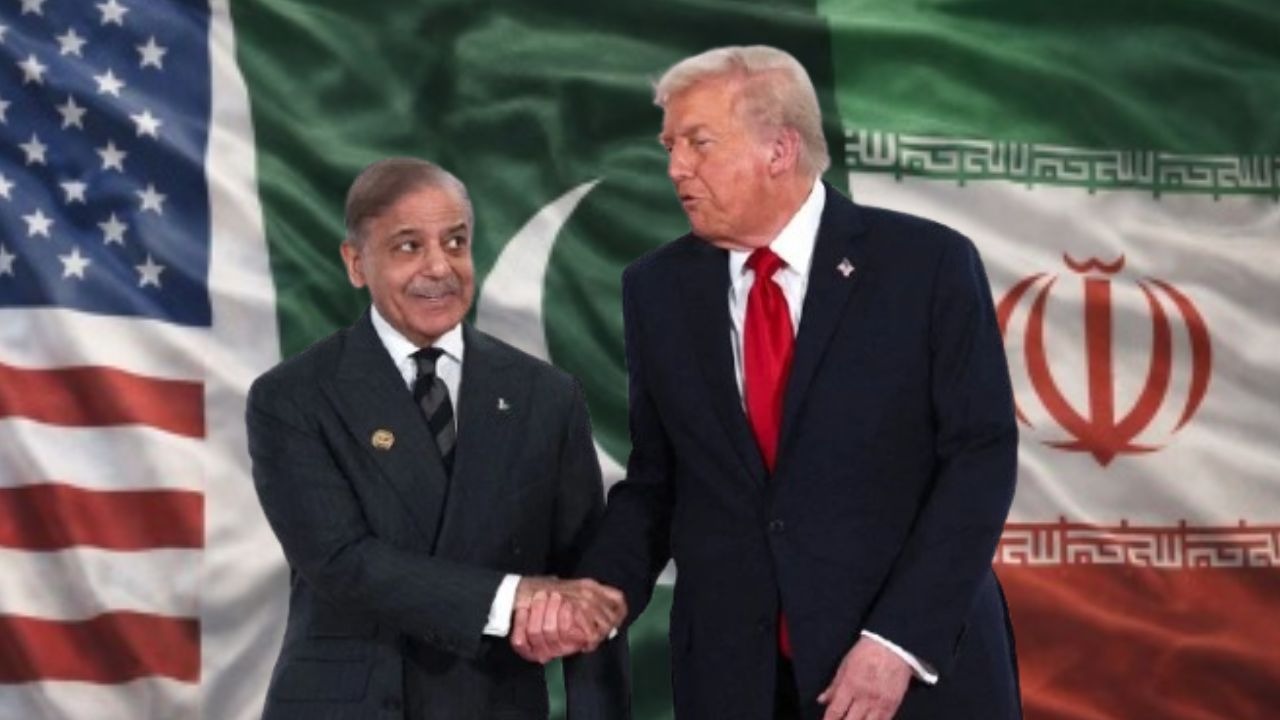
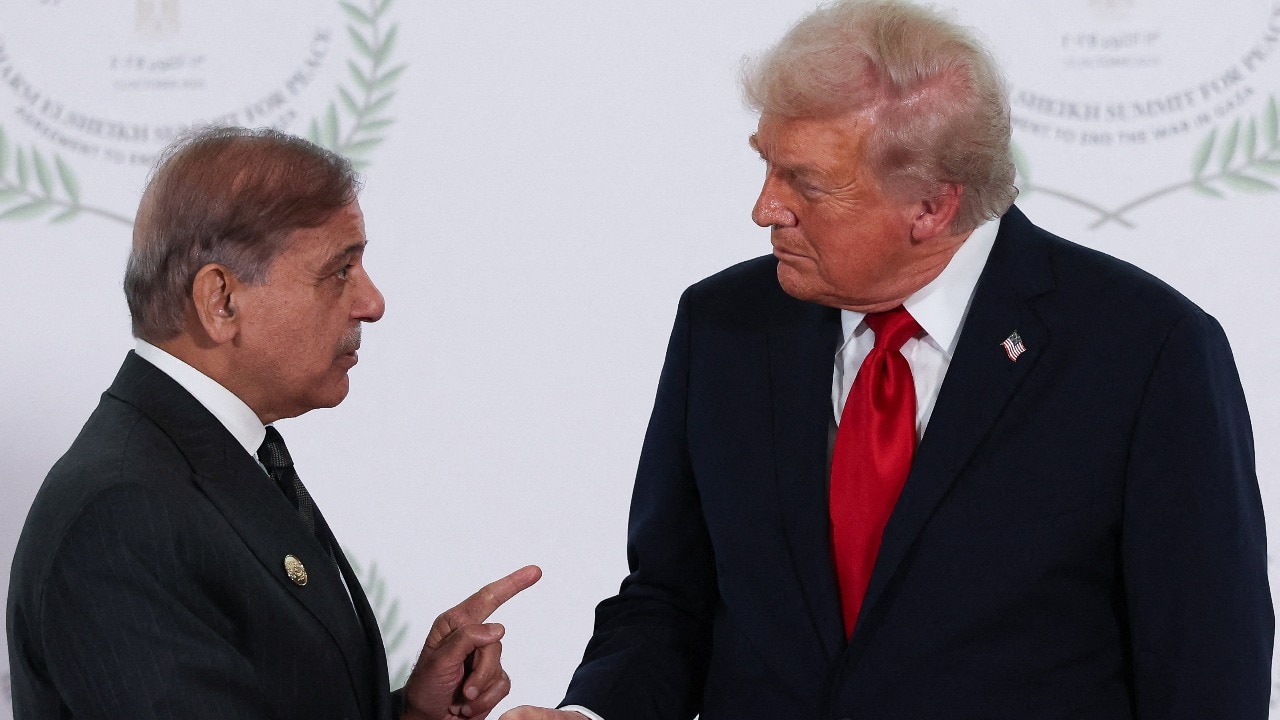
On broader diplomatic efforts and potential mediation involving countries such as Pakistan, Azar said Israel’s priority is coordination with the US. "That’s an American decision," he said. "We have to give a chance to our American friends to try to deliver this result," he noted, while declining to comment further on specific mediators.
Reiterating Israel’s long-term position, Azar concluded that the country will continue to rely on its right to self-defence. "We will always maintain our right to defend ourselves," he said, underscoring that Israel’s military posture will remain unchanged as long as it faces what it considers existential threats.
THE 'CEASEFIRE' AND THE 'VIOLATIONS'
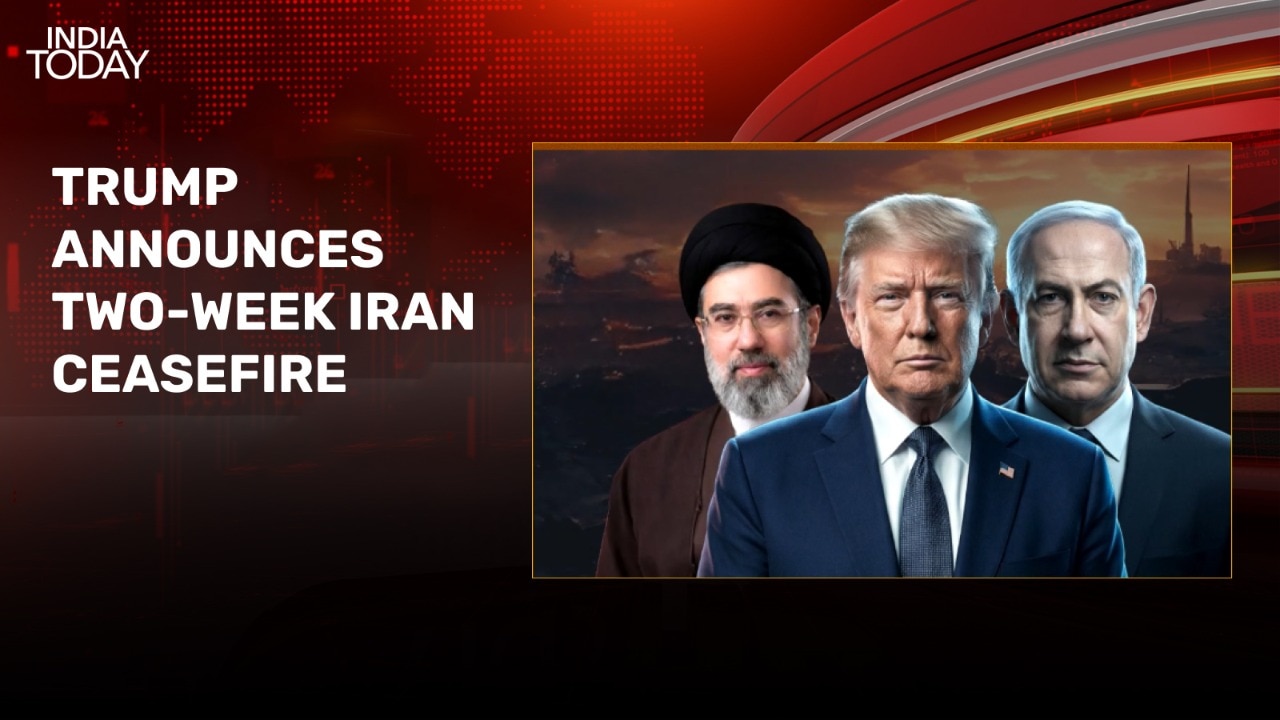
While the ceasefire between the US and Iran, as announced by both parties on Wednesday morning, is still in effect, Israel continued pounding Hezbollah installations in parts of Lebanon.
While both Hezbollah and the present Iranian leadership called the Israeli strikes in Lebanon a "violation" of the ceasefire, Israeli Prime Minister Benjamin Netanyahu sought to make it clear that Lebanon was not part of the agreement.
Meanwhile, concerns remain around the longevity of the ceasefire, with even US Vice President JD Vance going on to say that the ceasefire remains fragile.
Countries across the Gulf and outside now watch with a bated breath the developments unfolding every minute and keeping their fingers crossed, hoping for lasting peace in the region as it affects all.
- Ends
Published On:
Apr 8, 2026 22:16 IST