1 hour ago
"Iran managed to withstand a confrontation with the United States, and that in itself is a significant achievement."
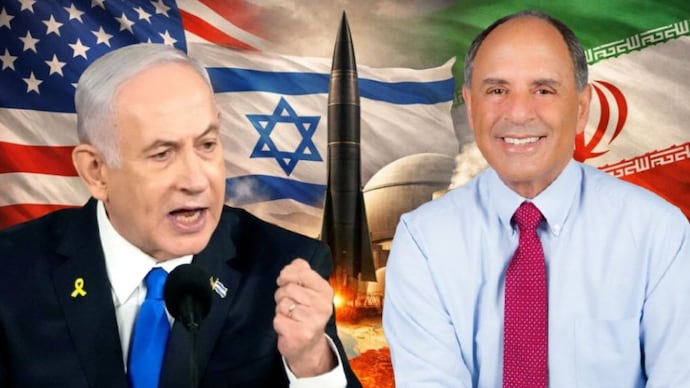
“The war was a military success for Israel, but a strategic failure overall.”

UPDATED: Apr 9, 2026 15:42 IST
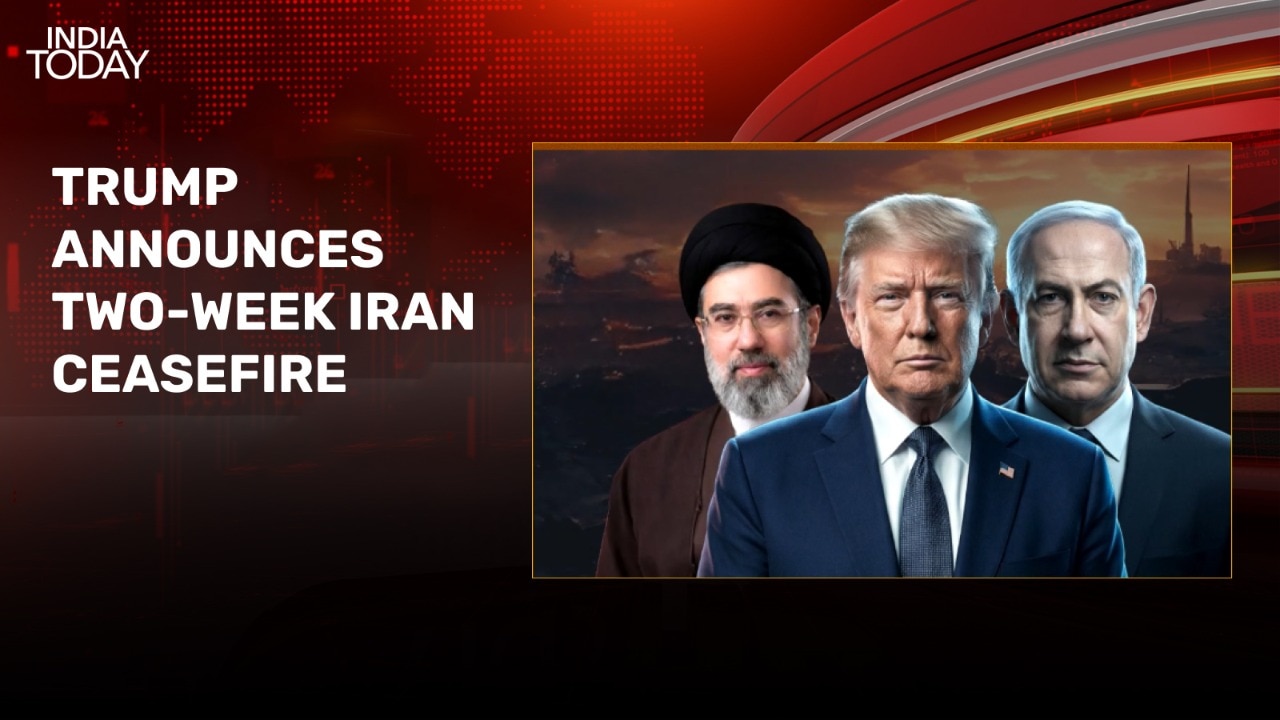
As a fragile ceasefire holds between the United States and Iran, questions are growing over the long-term impact of the conflict and whether key objectives were truly achieved. While the war may have weakened Iran militarily, doubts remain about its strategic outcomes and the broader implications for regional stability.
In an exclusive conversation with India Today, former Israeli Deputy Security Adviser Professor Chuck Freilich shares his assessment of the war, the ceasefire, and the shifting geopolitical dynamics, including Pakistan’s role and the future of critical maritime chokepoints.
Q: The fact that you have been part of the security system in Israel, and in a recent piece you wrote that this could very well be a military success but a strategic failure. What did you mean by that?
Prof. Chuck Freilich: There is no doubt that Iran's military capabilities have been substantially degraded, and that is the military success. The problem is that the objectives when the war began were regime change, ending their nuclear capability, and if not ending it, at least significantly reducing their missile capability. None of those objectives have been achieved. Iran has even ended the war, at least for now, with the ability to close off the Gulf to shipping, creating an international financial and oil crisis. In their ten points, they are essentially preserving that option for the future, so the ceasefire at the moment is problematic.
Q: We want to note that there has been a ceasefire, that Pakistan has been chosen as the venue, and that conversations are going to take place. In your view, will this ceasefire hold?
Prof. Chuck Freilich: That is a very good question. I think it will hold for two weeks, and I also believe that both sides, the United States and Iran, have a strong interest in avoiding a renewal of fighting. There is a good chance the ceasefire will continue. Whether it will lead to a real agreement, even a permanent ceasefire, let alone a peace agreement, is far less likely. The most probable outcome may be that things simply dissipate, resulting in a de facto ceasefire without a formal agreement, with neither side actively engaging in conflict. The fact that Iran has managed to withstand a confrontation with the United States is, in itself, a significant achievement for them.
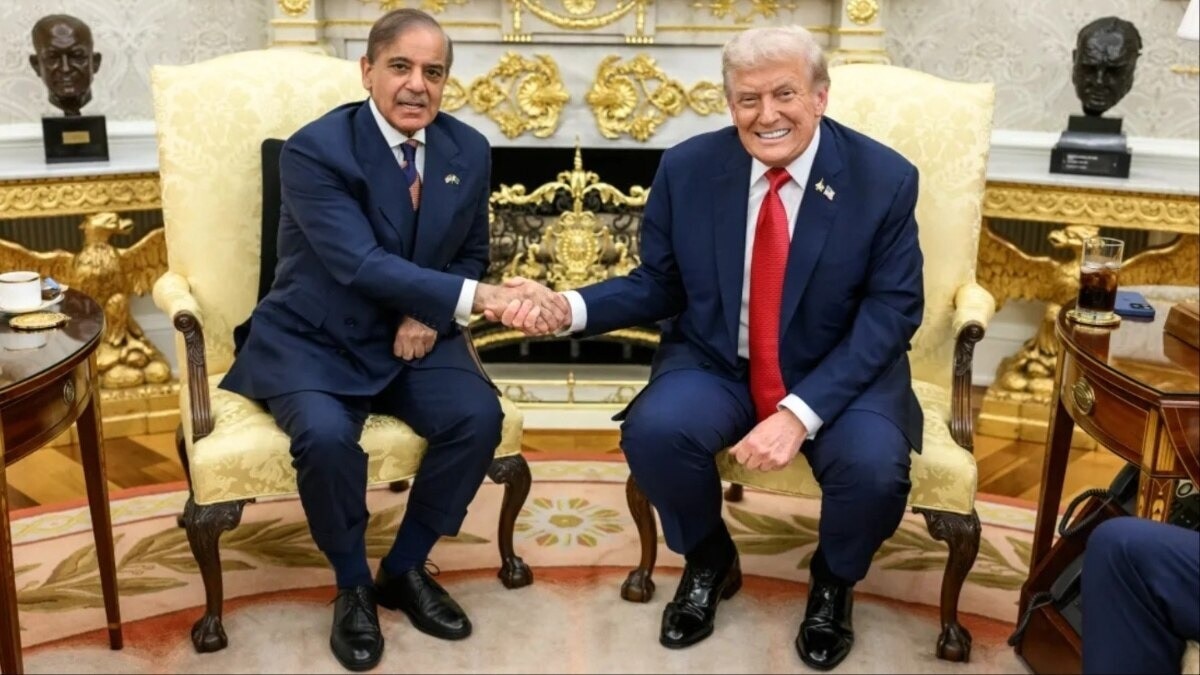
Q: As a former Deputy Security Adviser, how do you see Pakistan's role in mediating peace between the United States and Iran? They are calling it a double-sided ceasefire, which means Israel would also have to hold fire. What is at stake for Israel, and has that been considered?
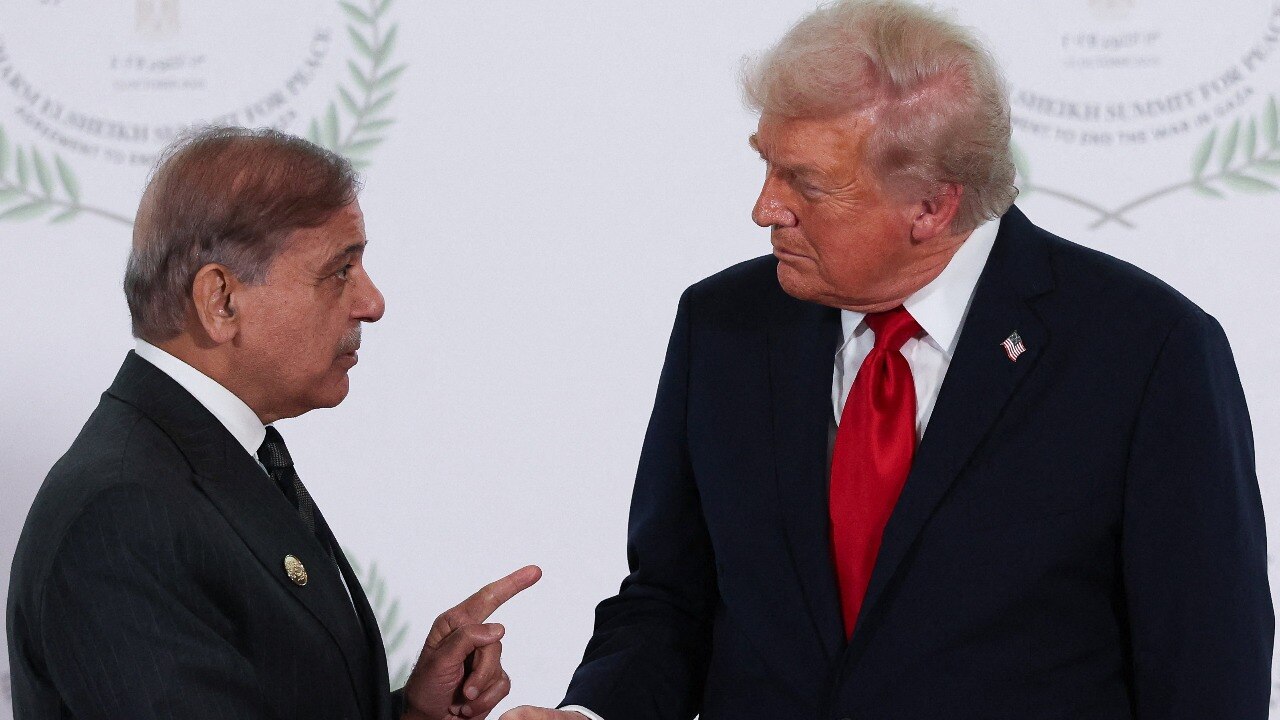
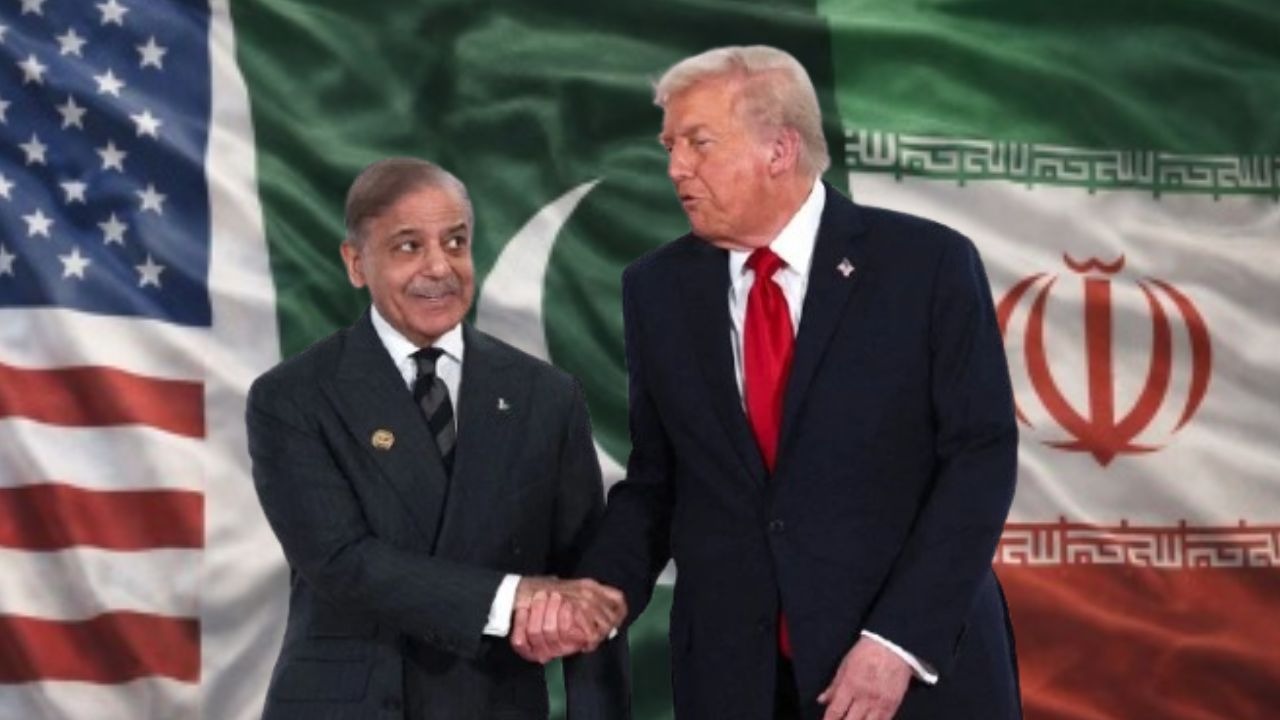
Prof. Chuck Freilich: I am not sure Israel was really consulted on this. This appears to have been primarily an American initiative. It has more implications for United States relations with other countries than for Israel. Israel does not have relations with Pakistan, so it is less relevant for us. The United States was looking for any actor that could help deliver a diplomatic outcome, and Pakistan stepped forward, along with Egypt and Turkey.
Q: The goalposts seem to have shifted, from regime change to reopening the Strait of Hormuz. How do you see the situation there evolving?
Prof. Chuck Freilich: As things stand, Iran is insisting on its right to demand payment of tolls for ships passing through the Strait as part of the ceasefire arrangement. The Strait remained open during the war for Iranian shipping, particularly to China, which purchases most of Iran’s oil exports. Now, Iran has agreed to open it to international shipping, but with a demand for payment. This has no basis in international law, as it is an open waterway. If allowed, it would be a major achievement for Iran, generating significant income to rebuild its military and stabilise its economy. I would hope that this does not become part of any final arrangement.
Q: You have also said that the objectives were unrealistic. Why do you believe that?
Prof. Chuck Freilich: I do not think that either the United States or Israel carried out sufficient planning. The approach appears to have been partial and based on overly optimistic assumptions. Iran had been weakened by earlier conflicts, and there was a belief that internal unrest might lead to regime change. That explains the timing and the urgency, but it also suggests insufficient strategic planning at the operational level.
Q: Prime Minister Netanyahu had long sought such an operation against Iran. Would you question the method, and what is his standing now?
Prof. Chuck Freilich: I think he will face challenges. Even before this war, polling suggested he would struggle to form a government after the upcoming elections. He may have hoped that a successful operation would strengthen his position, but the outcome is not particularly favourable. He is likely to remain under pressure politically.
Q: What is your view on Israel engaging on multiple fronts, including Gaza, Iran and Lebanon?
Prof. Chuck Freilich: From a military perspective, Israel’s position is significantly improved compared to two and a half years ago. Hamas has been weakened, Hezbollah has been substantially degraded, and Iran has also been affected. However, from a strategic perspective, the situation is less positive. Hamas still exists, Hezbollah remains active, and the broader objectives have not been fully achieved.
Q: Analysts say that despite the military gains, Iran remains intact and perhaps even emboldened. How does Israel deal with that?
Prof. Chuck Freilich: The conflict is ongoing. While the military situation has improved, this is not a decisive victory. It is part of a long-term conflict between Israel and Iran. For Israel, this remains a critical issue, and it will continue to shape its strategic priorities.
Q: Some experts suggest that control over key straits such as Hormuz and Bab el-Mandab gives Iran leverage comparable to nuclear power. Do you agree?
Prof. Chuck Freilich: That is one way of looking at it. Iran has used control over these maritime routes effectively in the past. Disrupting these chokepoints can have a significant global impact. It is surprising that this factor may not have been fully considered in the recent conflict. It will certainly need greater attention in the future.
Q: Do you think there has been a lack of strategic thinking in the planning of the war?
Prof. Chuck Freilich: The outcomes suggest that strategic planning was insufficient.
Q: Finally, what are the political implications for both Trump and Netanyahu, especially in the United States?
Prof. Chuck Freilich: There are claims that Netanyahu influenced Trump’s decision to enter the conflict, but I do not believe that is accurate. The President of the United States has extensive institutional support and advisory mechanisms. While Netanyahu may have presented his case strongly, the final decision was made by the president. However, perceptions matter, and this could have political consequences for Israel’s standing in the United States, as many people believe Netanyahu played a decisive role.
- Ends
Published By:
indiatodayglobal
Published On:
Apr 9, 2026 15:42 IST
Tune In