1 hour ago
Last Updated:December 05, 2025, 18:08 IST
The joint statement underscores that the primary focus of the India-Russia summit was to establish mechanisms to deepen cooperation and achieve more balanced, sustainable trade

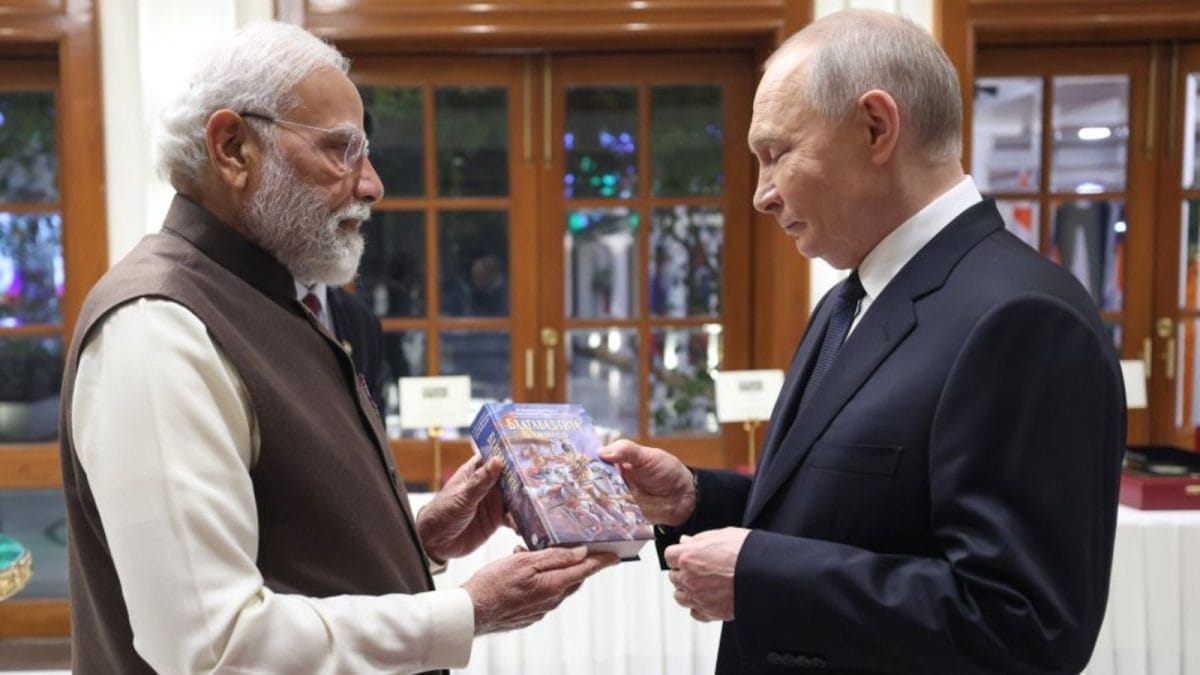
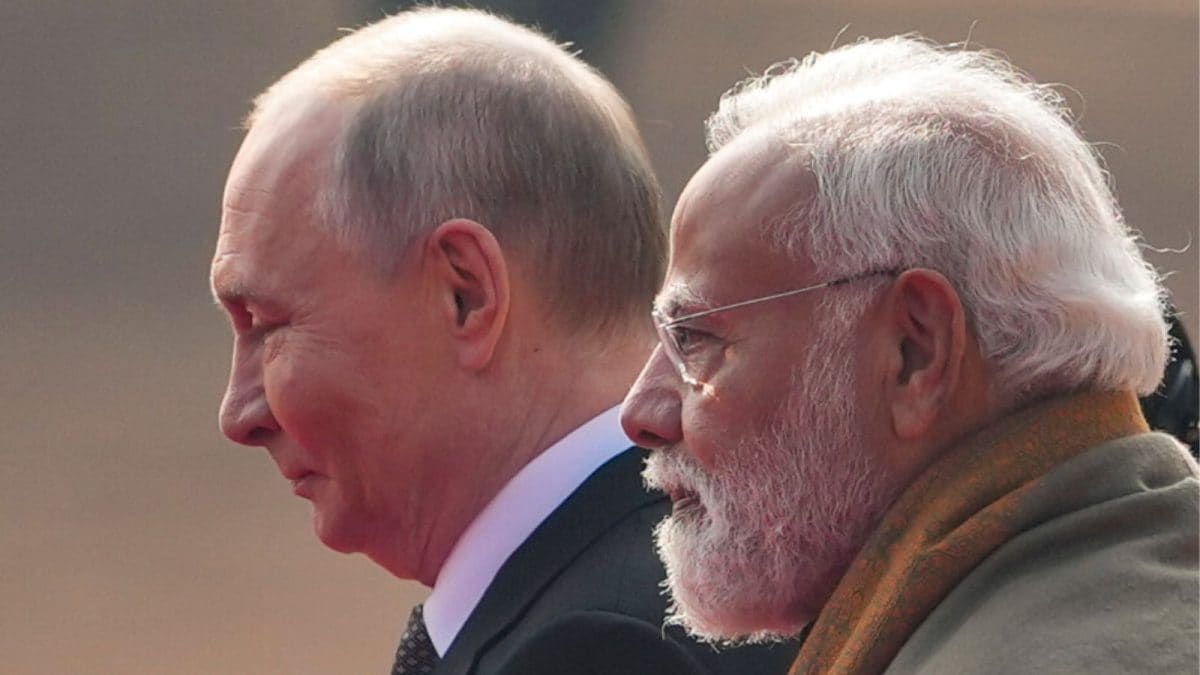
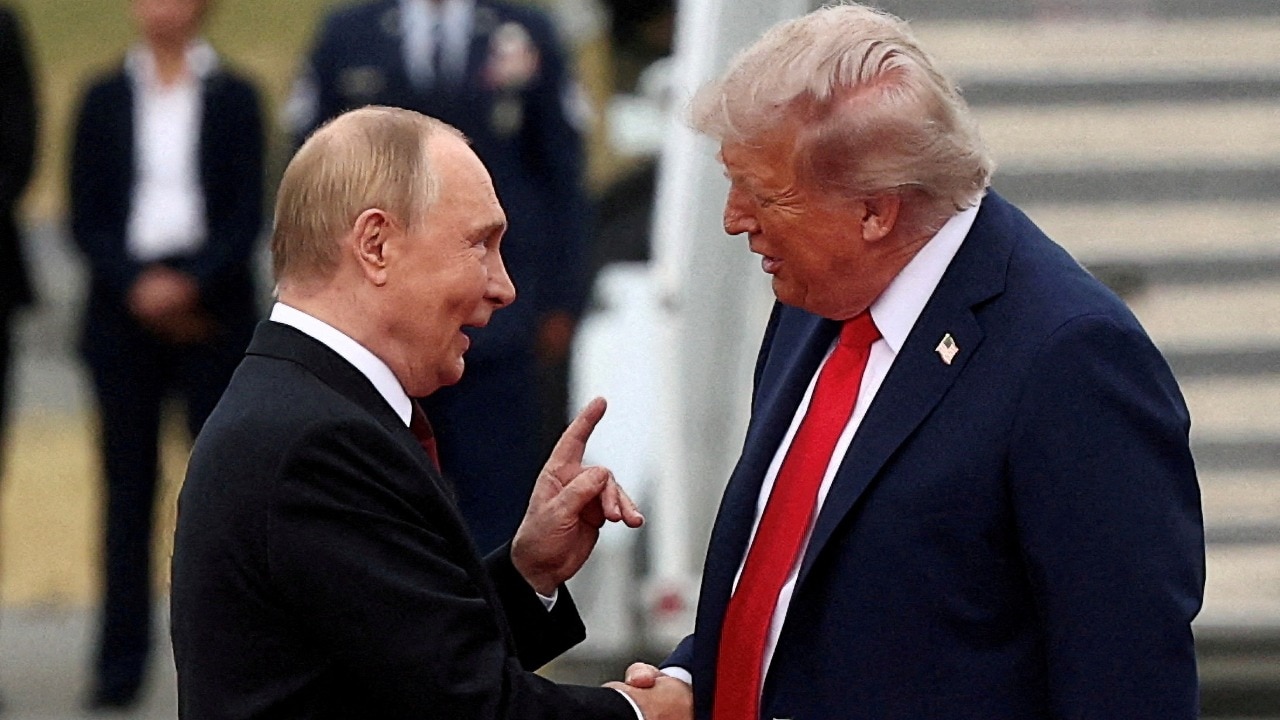
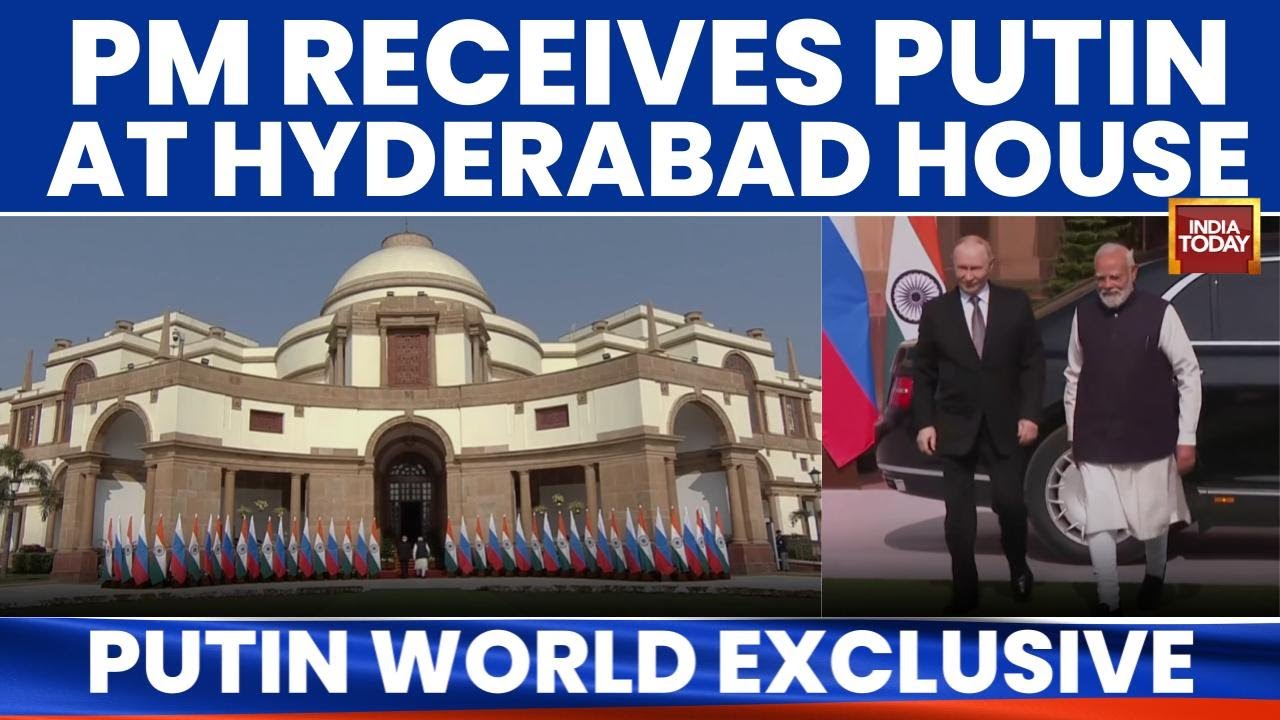
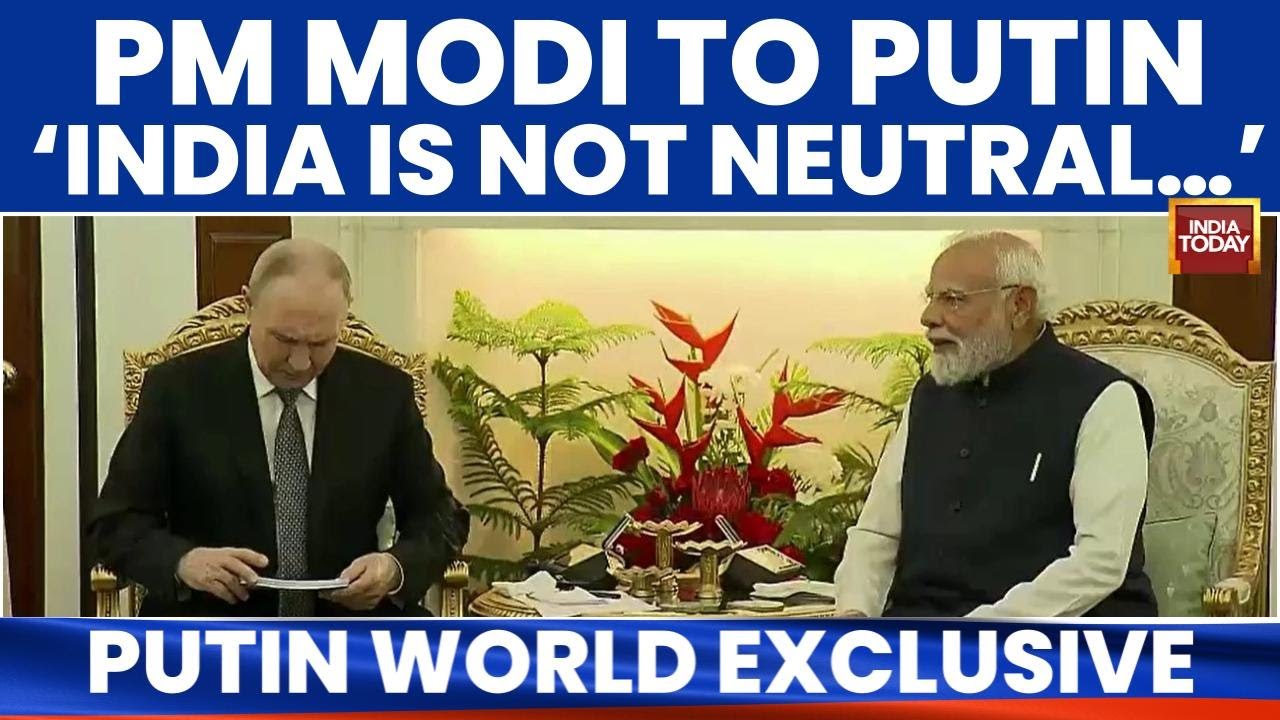
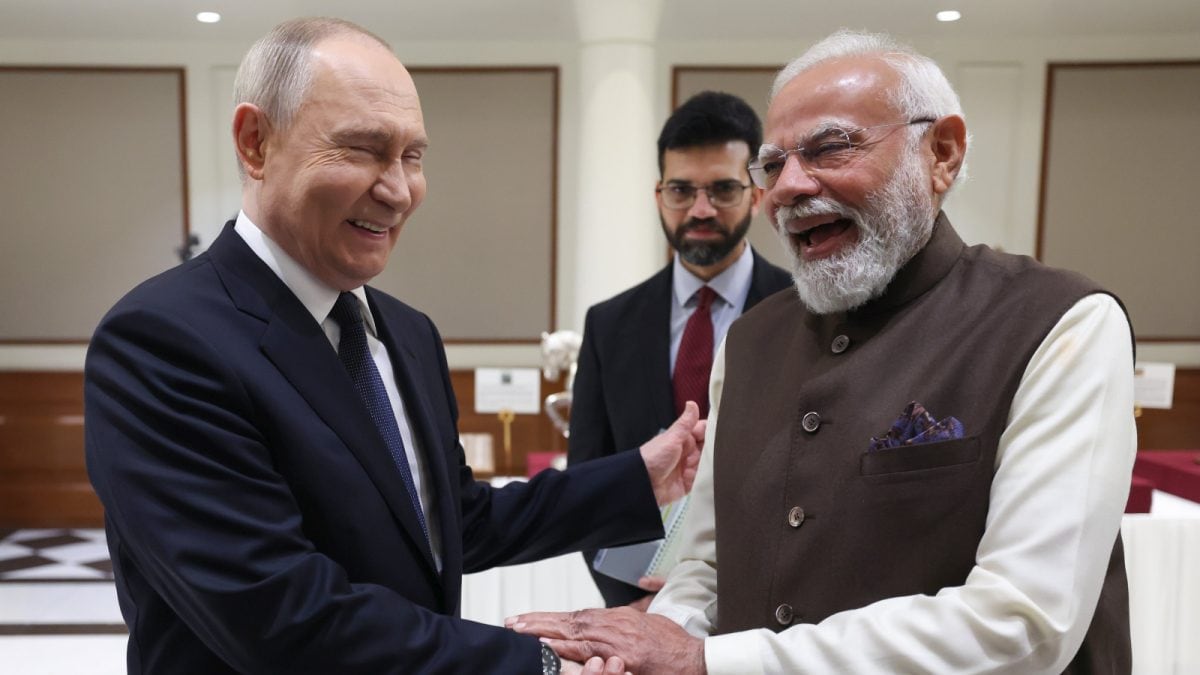
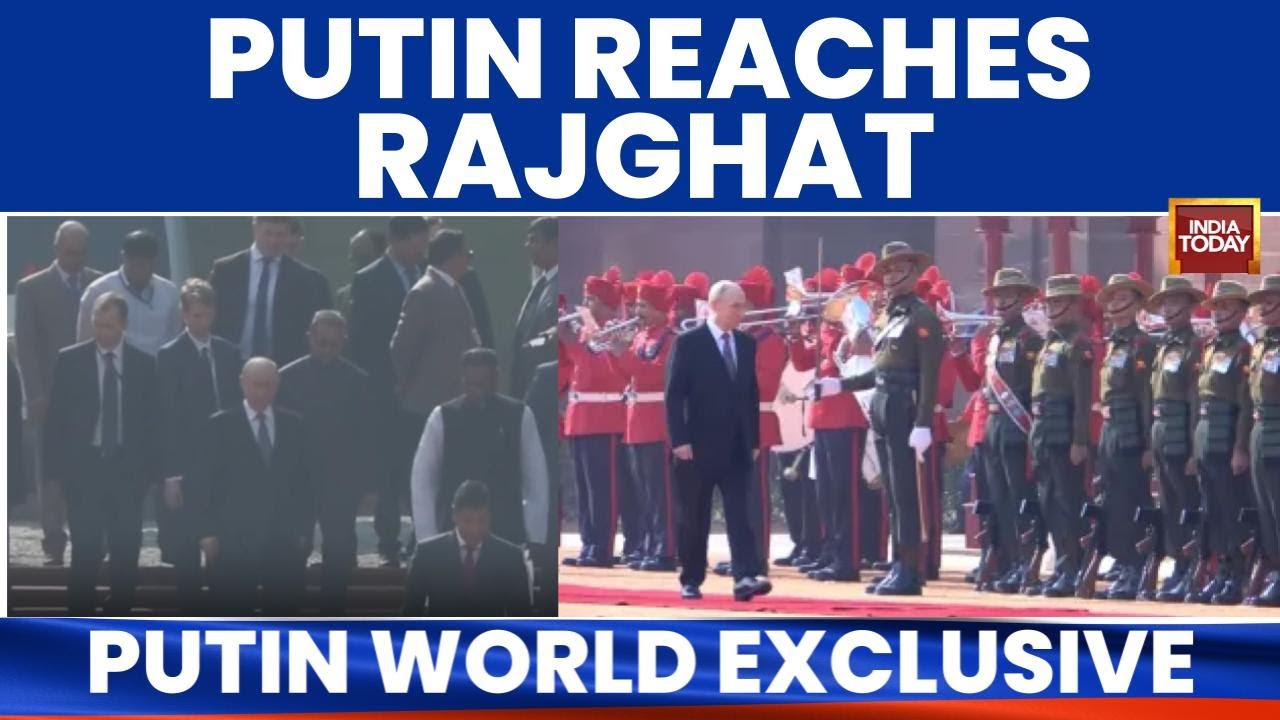
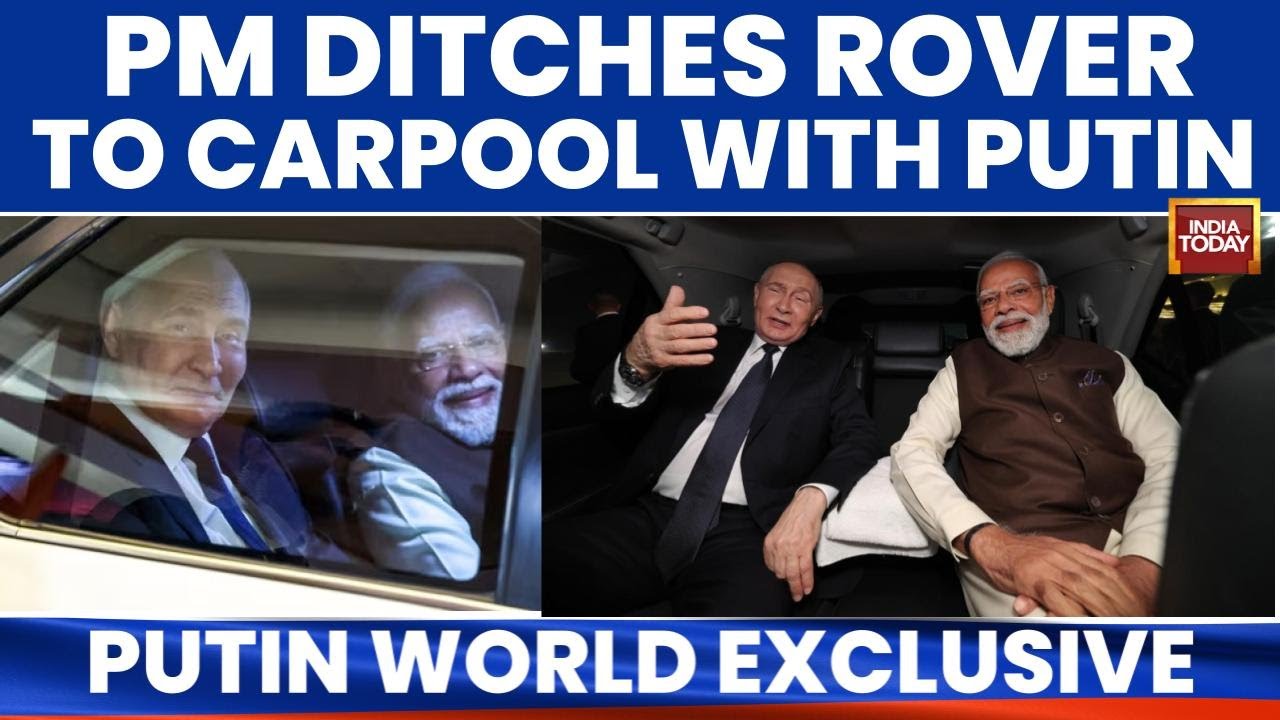
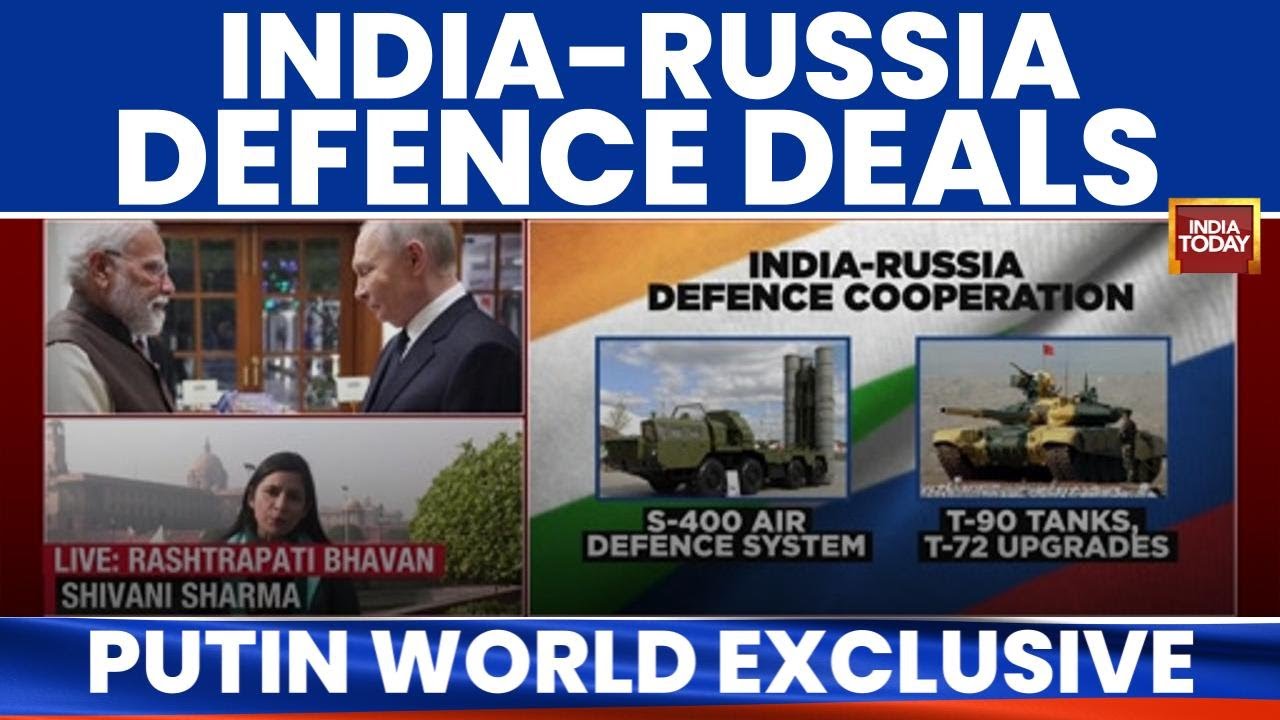
Prime Minister Narendra Modi with Russian President Vladimir Putin during the latter's ceremonial welcome at the Rashtrapati Bhavan, in New Delhi, on Friday. (Pic/PTI)
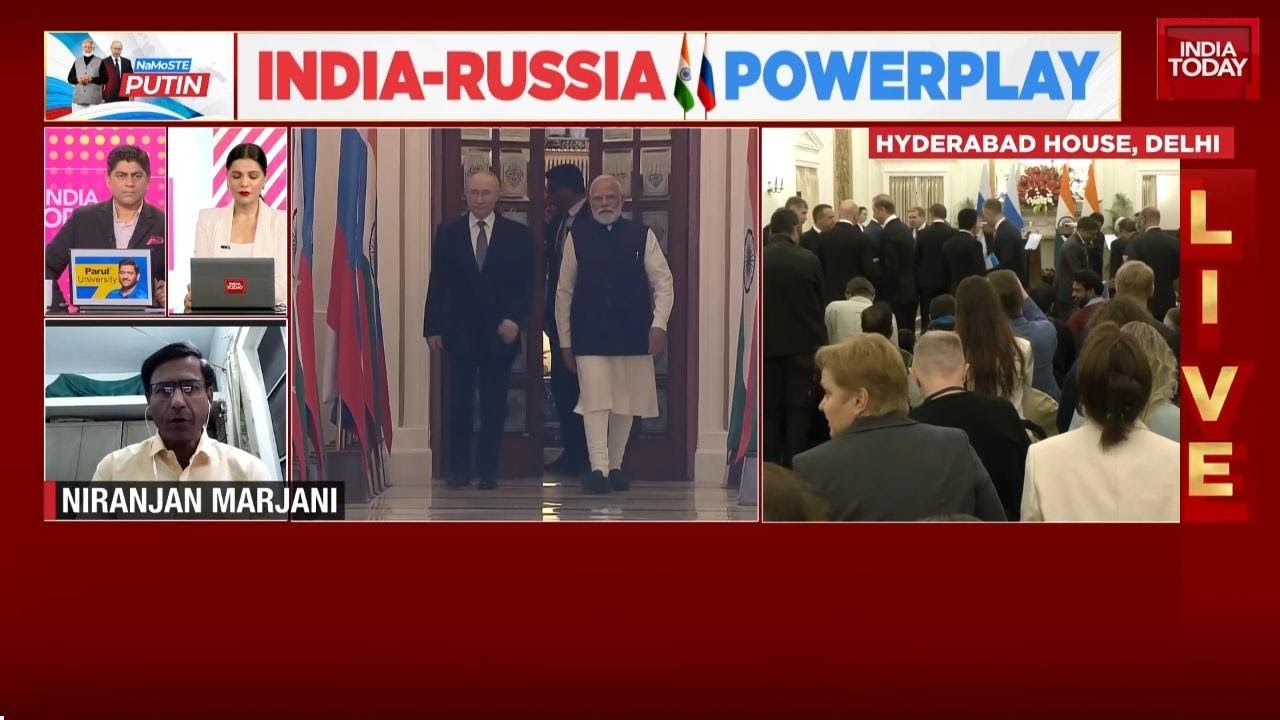
The joint statement following the 23rd India-Russia Annual Summit led by Prime Minister Narendra Modi and President Vladimir Putin affirms the continued resilience of the Special and Privileged Strategic Partnership, with both nations committing to unlock the full potential of their economic and energy ties amidst a complex global geopolitical landscape.
Entitled “India-Russia: A Time-Tested Progressive Partnership, Anchored in Trust & Mutual Respect", the joint statement underscores that the primary focus of the summit was to establish mechanisms to deepen cooperation and achieve more balanced, sustainable trade.
Trade and Economic Partnership: The $100 Billion Goal
The leaders heralded the adoption of the Programme for the Development of Strategic Areas of India-Russia Economic Cooperation till 2030 (Programme 2030), which reaffirms their shared ambition to achieve a bilateral trade target of USD 100 billion by 2030. To make this target achievable, the focus is squarely on increasing India’s exports to Russia to address the current trade deficit. Key sectors identified for enhanced Indian exports include pharmaceuticals, automobiles, agricultural products, including marine products, and advanced high-technology goods.
A crucial directive was given to both sides to intensify efforts on the Free Trade Agreement (FTA) on goods between India and the Eurasian Economic Union (EAEU), covering sectors of mutual interest. Furthermore, to remove bottlenecks in logistics, promote connectivity, and ensure smooth financial exchanges, the nations agreed to continue jointly developing systems of bilateral settlements through the use of national currencies and enable the interoperability of their national payment systems, financial messaging systems, and central bank digital currency platforms. This financial cooperation is aimed at overcoming challenges related to insurance, reinsurance, and external constraints. The Russian side also welcomed Indian involvement in the Saint Petersburg and Eastern Economic Forums, signalling concrete steps to deepen inter-regional trade.
Energy Partnership and Critical Infrastructure
Cooperation in the energy sector was highlighted as a significant pillar of the strategic partnership. Discussions covered wide-ranging engagement in oil and oil products, oil refining, petrochemical technologies, LNG and LPG infrastructure, and upstream technologies. A specific agreement was reached to ensure the long-term supply of fertilisers to India, with discussions also touching upon the potential establishment of joint ventures in this critical area, which impacts India’s food security.
On the civil nuclear front, the commitment to expand cooperation remains firm. The sides confirmed their intention to broaden cooperation across the full life cycle, including fuel cycle and life cycle support for the operating Kudankulam Nuclear Power Plant (KKNPP). Significantly, India reaffirmed its plan to strive to finalise the formal allotment of a second site for a Russian-designed nuclear power plant in India, contributing to the nation’s goal of increasing its nuclear energy capacity to 100 GW by 2047.
Connectivity and Arctic Cooperation
To support the massive projected trade growth, both sides agreed to deepen cooperation in building stable and efficient transport corridors. The focus remains on expanding logistics links to enhance infrastructure capacity for the North-South Transport Corridor (INSTC), the Chennai–Vladivostok (Eastern Maritime) Corridor, and the Northern Sea Route (NSR).
In recognition of India’s growing strategic interest, the Russian side welcomed India’s readiness to play an active role as an observer in the Arctic Council, supported by the signing of an MoU on the training of specialists for ships operating in polar waters. This confirms the joint resolve to intensify trade and investment in the resource-rich Russian Far East and Arctic zone.
 Click here to add News18 as your preferred news source on Google.
First Published:
December 05, 2025, 18:08 IST
News world From Markets To Megawatts: $100B Trade Ambition Meets Energy Synergy In India-Russia Talks
Disclaimer: Comments reflect users’ views, not News18’s. Please keep discussions respectful and constructive. Abusive, defamatory, or illegal comments will be removed. News18 may disable any comment at its discretion. By posting, you agree to our Terms of Use and Privacy Policy.
Read More