1 hour ago
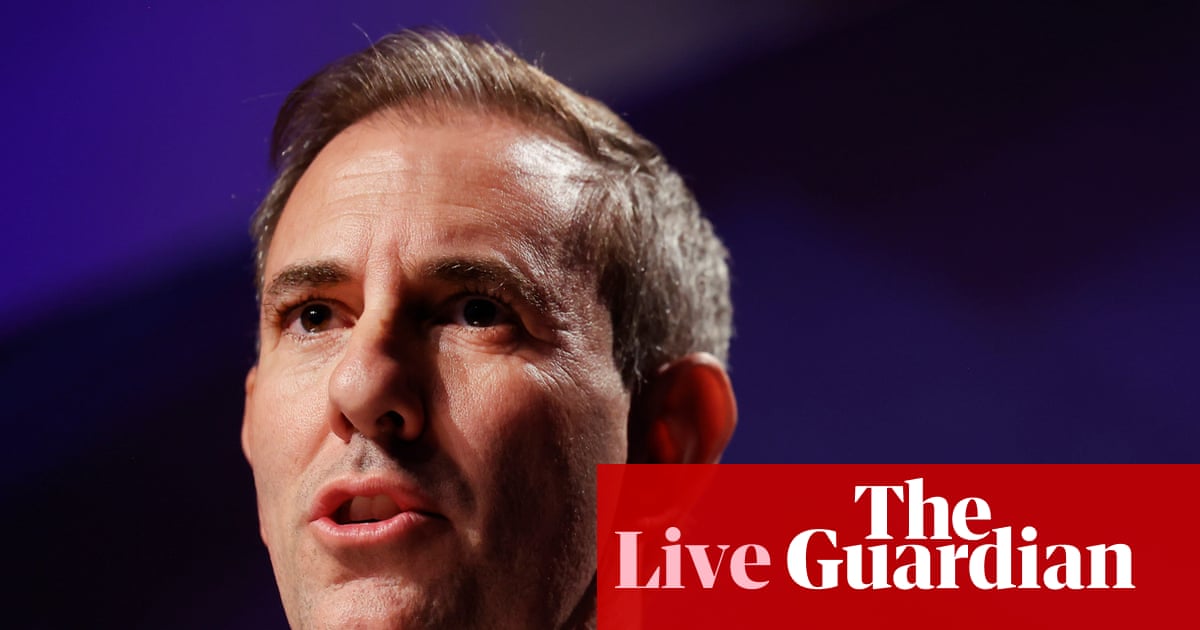
IAEA chief Rafael Grossi said transferring Iran's highly enriched uranium remains possible despite technical challenges. The remarks highlighted a central sticking point as Tehran and Washington pursue a broader nuclear understanding.
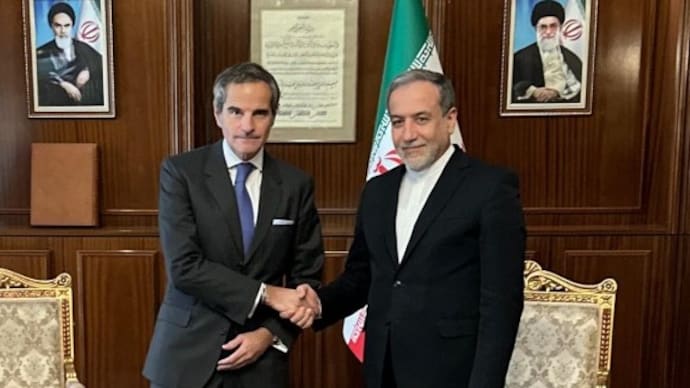
IAEA chief Rafael Grossi said moving Iran’s stockpile of enriched uranium was "difficult but not impossible" (Photo- IAEA)

UPDATED: Jun 2, 2026 05:52 IST
The transfer of Iran’s highly enriched uranium outside the country would be a complex operation but remains achievable, Atomic Energy Agency (IAEA) Director General Rafael Grossi has said, as diplomatic efforts between Tehran and Washington continue.
Speaking to Al Jazeera, Grossi said moving Iran’s stockpile of enriched uranium was "difficult but not impossible", noting that the material is stored in a form that makes transportation challenging.
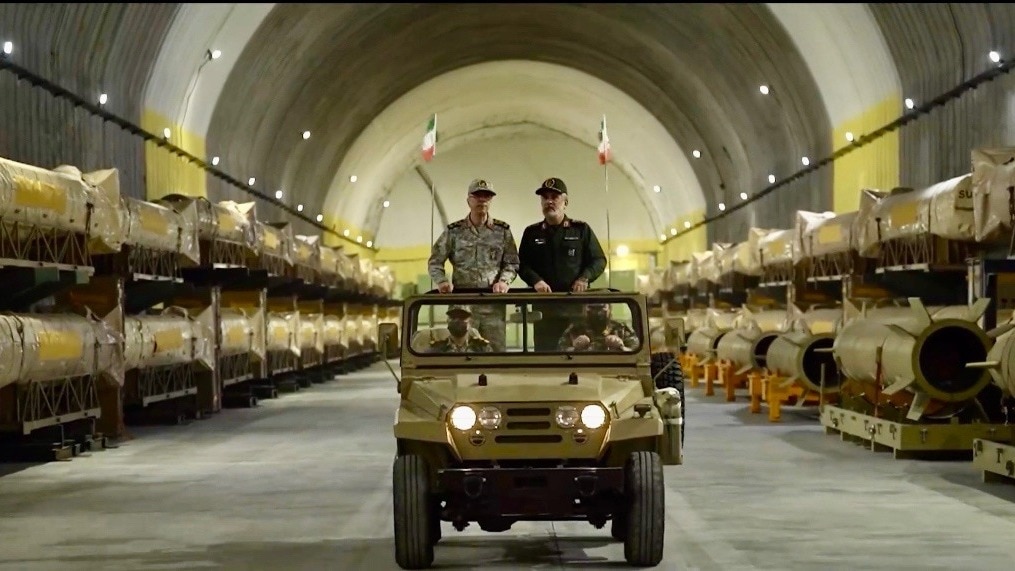
Iran is estimated to possess about 440 kilograms of uranium enriched to around 60 percent purity.
"Such an operation is not easy, because this is in gas form, highly contaminant, and it’s not an easy operation," Grossi said. He added that alternative options, including "downblending" the uranium into a less potent form, were also under discussion.
"All of these things are the things we have been discussing," the IAEA chief said, while emphasising that the agency is not directly involved in the ongoing negotiations between Iran and the United States.
Grossi said the UN nuclear watchdog has maintained separate communications with both Tehran and Washington. "Our contribution to this is to make it possible, to make it viable," he said, referring to efforts to support a potential agreement.
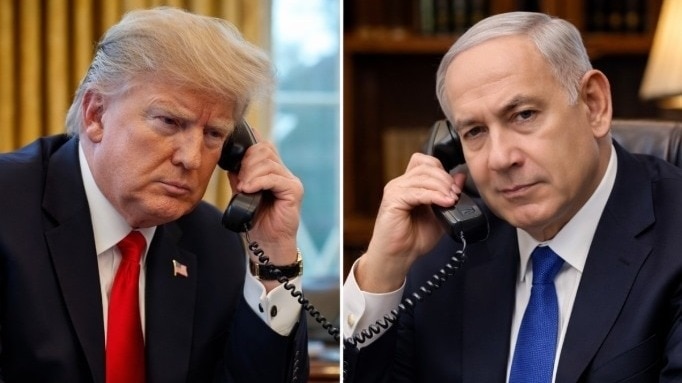
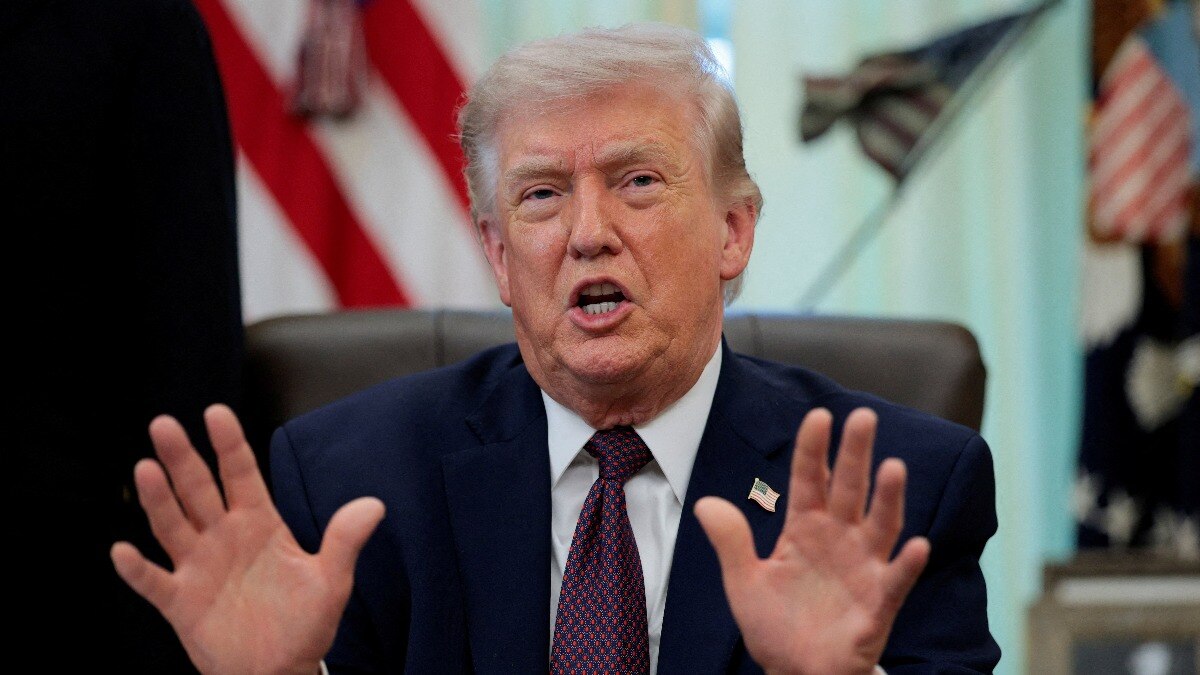
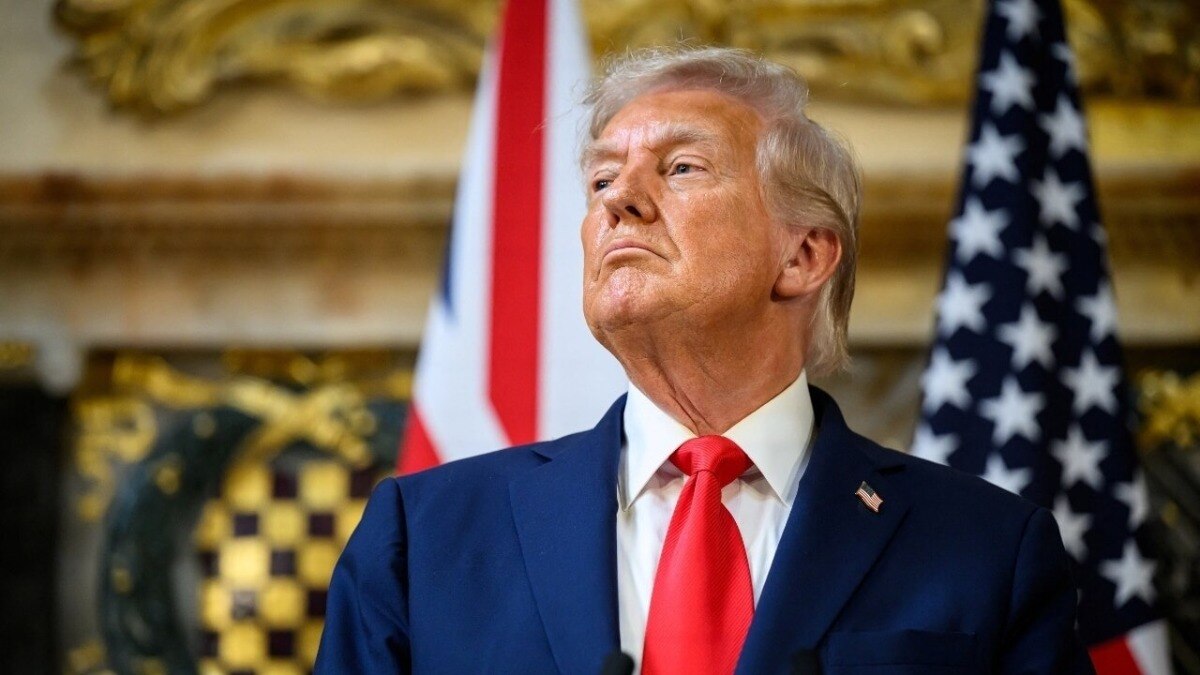
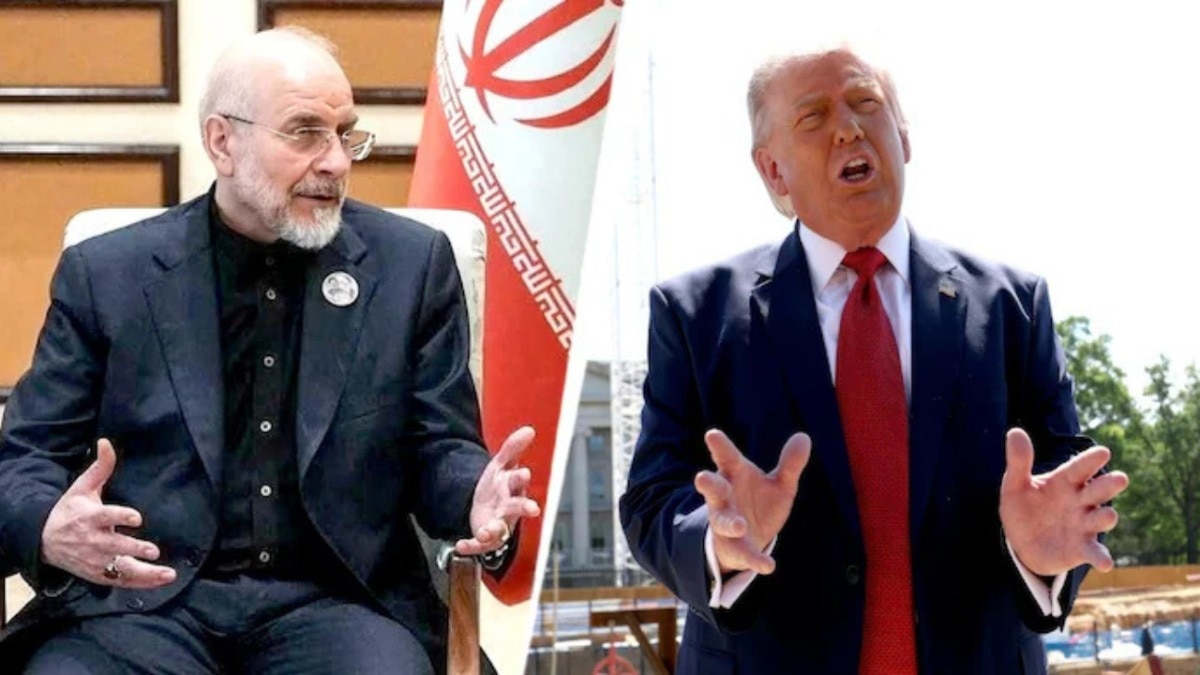
The comments come after US President Donald Trump renewed calls for Iran to relinquish its enriched uranium stockpile. In a post on Truth Social, Trump described the material as "nuclear dust" and argued that it should either be transferred to the United States for destruction or eliminated under international supervision.
"The Enriched Uranium (Nuclear Dust!) will either be immediately turned over to the United States to be brought home and destroyed or, preferably, in conjunction and coordination with the Islamic Republic of Iran, destroyed in place or, at another acceptable location," Trump wrote.
Trump has also promoted a broader vision of regional diplomacy, including a potential expansion of the Abraham Accords that could eventually involve Iran as part of a wider peace framework in the Middle East.
However, Tehran has firmly rejected any suggestion that it would abandon uranium enrichment activities that it considers lawful under international agreements.
Iran’s Ambassador to India, Mohammad Fathali, said the country would not surrender what it regards as its legitimate right to peaceful nuclear technology. He stressed that the issue of uranium enrichment is not currently part of the ongoing negotiations with the United States.
"Regarding the issue of uranium enrichment, the position of the Islamic Republic of Iran is completely clear. We have stated many times that we will not give up the legal and legitimate rights of the Iranian people, including the right to the peaceful use of nuclear energy, which is mentioned in the Nuclear Non-Proliferation Treaty (NPT)," Fathali said.
The differing positions underscore one of the key challenges facing efforts to secure a broader understanding between Tehran and Washington, even as diplomatic contacts continue and international mediators explore possible compromises over Iran’s nuclear programme.
- Ends
Published By:
Zafar Zaidi
Published On:
Jun 2, 2026 05:52 IST