1 hour ago
Lebanon's government tried to use a ceasefire to curb Hezbollah's weapons and border role. Renewed fighting involving Israel, Iran and Hezbollah has halted that effort and deepened the political risk.

UPDATED: Jun 1, 2026 20:04 IST
A few months ago, Lebanon's leaders believed they had a rare opportunity to weaken Hezbollah's grip on the country. Iran backed group had been weakened by months of fighting. When a US-backed ceasefire paused fighting in late 2024, there was a moment when Lebanon believed they might finally succeed where others had failed.
According to a report by The New York Times, the ceasefire agreement called for Hezbollah to gradually disarm , especially from areas south of the Litani River near the Israeli border. The effort gained momentum after Lebanon elected a new president and prime minister in early 2025. Both promised to strengthen state authority and reduce the influence of armed groups operating outside government control.
In August 2025, Prime Minister Nawaf Salam's cabinet directed the Lebanese military to prepare a roadmap for dismantling Hezbollah's arsenal before the end of the year. The plan immediately faced resistance. Ministers allied with Hezbollah walked out of cabinet discussions, blaming that disarming the group would leave Lebanon exposed to Israeli attacks. However, the government pressed ahead.
Behind the scenes, Lebanese and Israeli officials met regularly at a UN base in southern Lebanon with US officials acting as mediators. The talks focused on reducing tensions along the border and limiting Hezbollah's military presence.
The process appeared to produce results. As reported by The NYT, US Central Command said the Lebanese army removed nearly 10,000 rockets and about 400 missiles from southern Lebanon over the previous year. The army later announced that it had completed the first phase of clearing weapons from the area between the Litani River and the Israeli border.
Israel welcomed the development, calling it "an encouraging beginning", while stressing that it remained "far from sufficient".
IRAN WAR DERAILS THE DISARMAMENT PLAN
The fragile progress did not last.
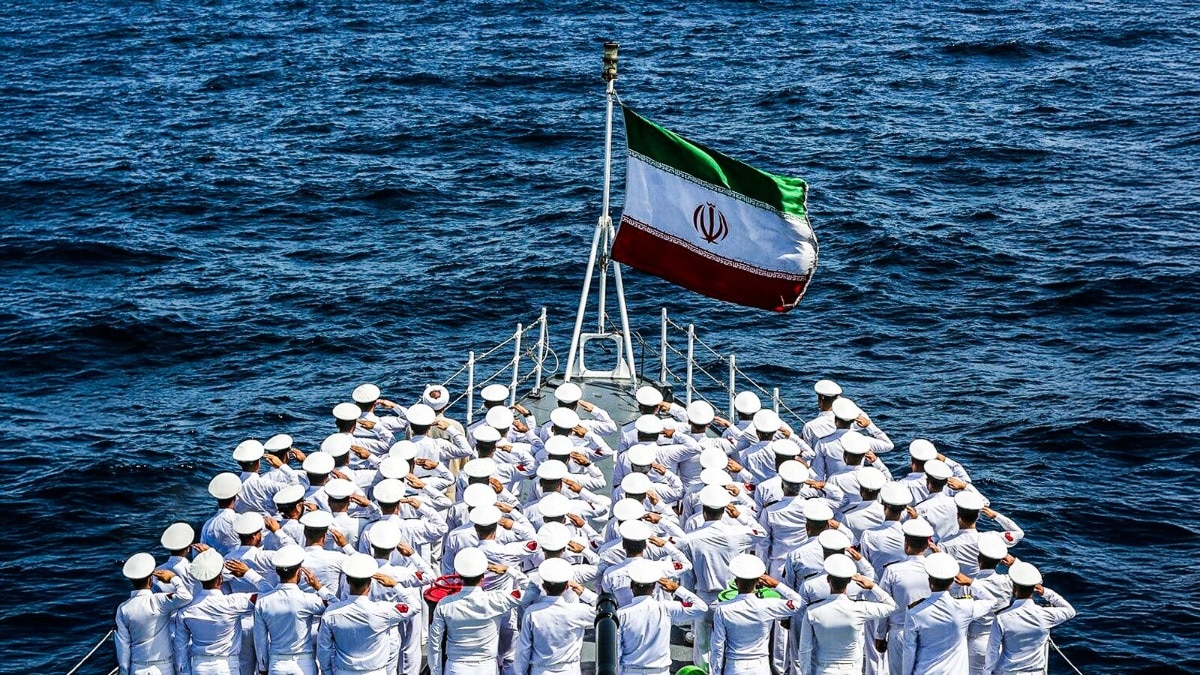
Everything changed after the US and Israel jointly launched attacks on Iran on February 28. Within days, Hezbollah re-entered the conflict, and launched attacks against Israel in support of Tehran.
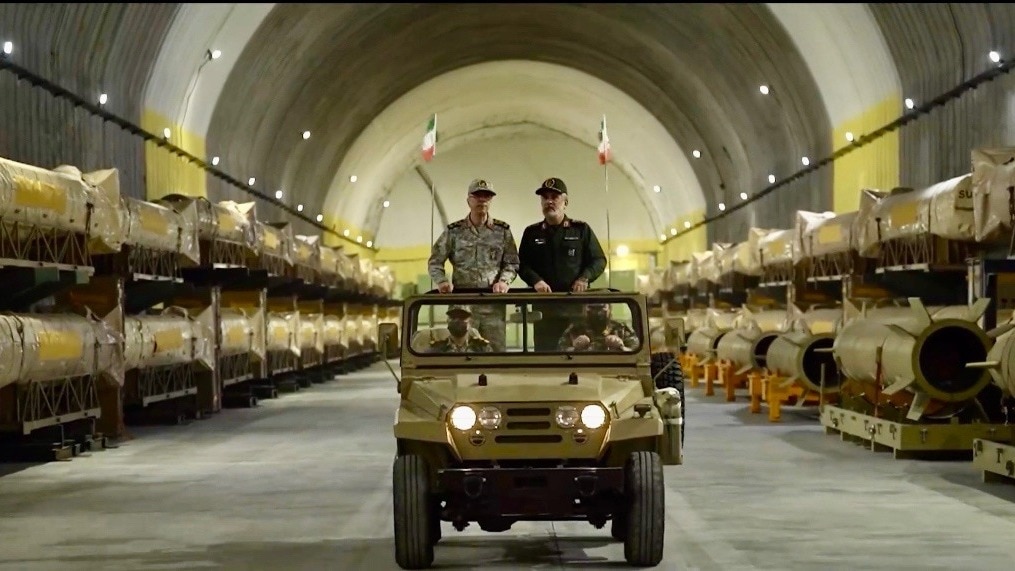
It was a reminder that despite months of pressure, Hezbollah still possessed large numbers of rockets and anti-tank weapons. It also began using explosive drones that proved difficult for Israeli air defences to stop.
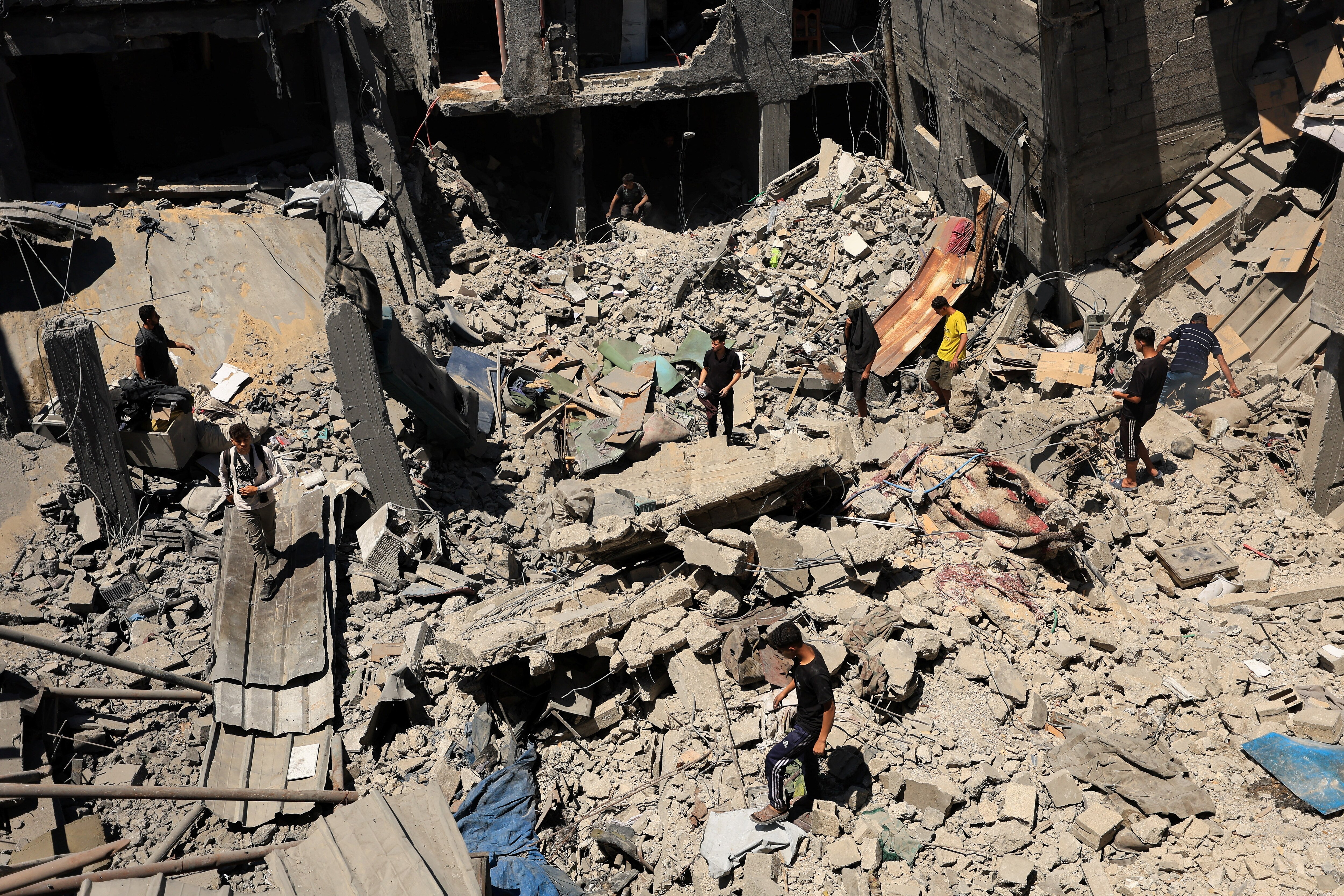
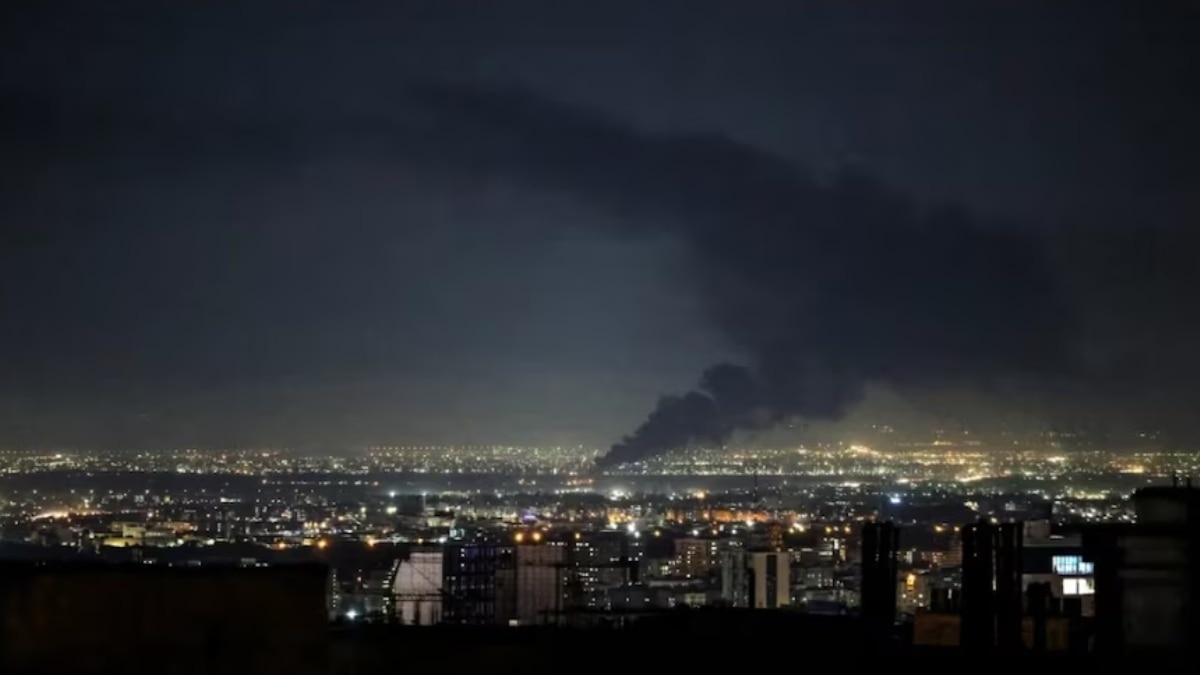
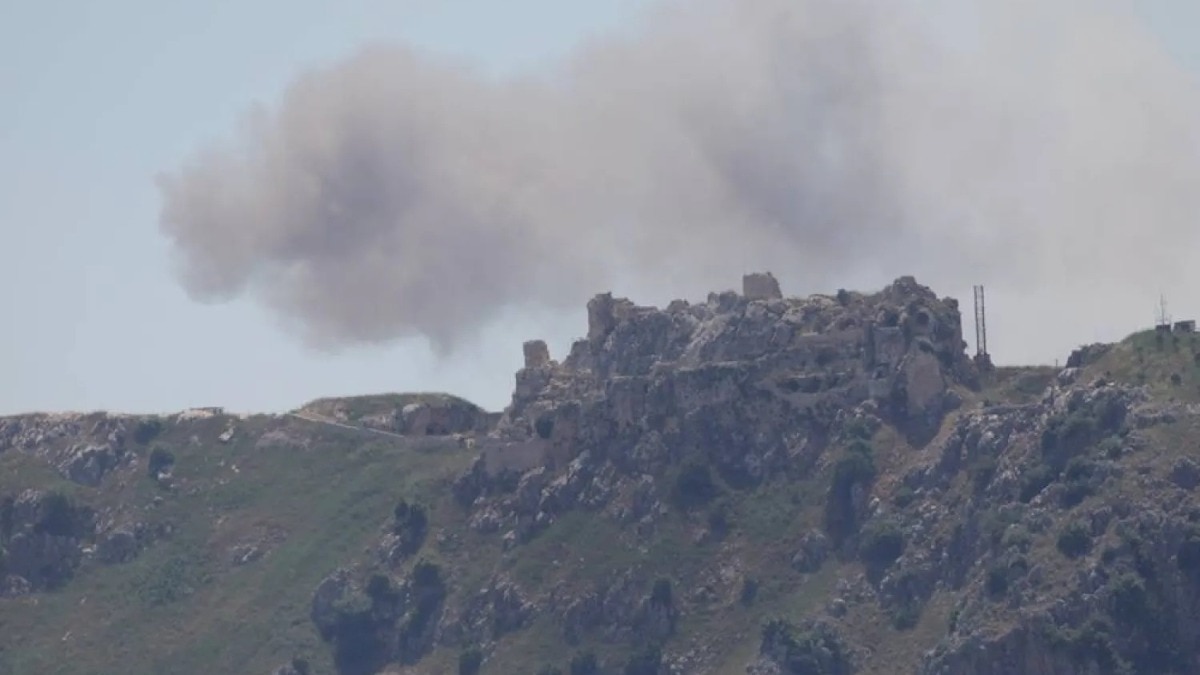
Israel responded with a bigger military campaign across southern Lebanon. Air strikes and ground operations caused mass destruction, displaced civilians and expanded Israeli control in some areas.
However, instead of pushing Hezbollah toward disarmament, the fighting appeared to harden its position.
"The Israelis were surprised. The Americans were surprised. And the whole world was surprised by the resistance's capabilities," Hezbollah spokesman Hajj Youssef al-Zein told reporters in May.
The renewed conflict left Lebanon's government stuck between competing pressures. It formally banned Hezbollah from carrying out military operations in March, but the order had little effect on the ground. Many leaders remain hesitant to confront the group directly because of its military strength and political influence.
Another challenge runs much deeper than today's conflict.
Many Lebanese still carry memories of the country's devastating civil war, which lasted 15 years and left deep scars across society. According to experts quoted by The NYT, any attempt by the army to seize Hezbollah's weapons could trigger dangerous tensions inside the country.
Iran also remains a major factor. Analysts believe Hezbollah is unlikely to give up its weapons while Tehran continues to project influence across the region.
PEACE EFFORTS FACE NEW OBSTACLES
Diplomatic efforts continue through US-mediated talks involving Lebanon and Israel, but the road ahead remains uncertain. Washington has proposed strengthening the Lebanese military and increasing pressure on Hezbollah. However, Lebanon's armed forces face serious shortages of money, equipment and personnel.
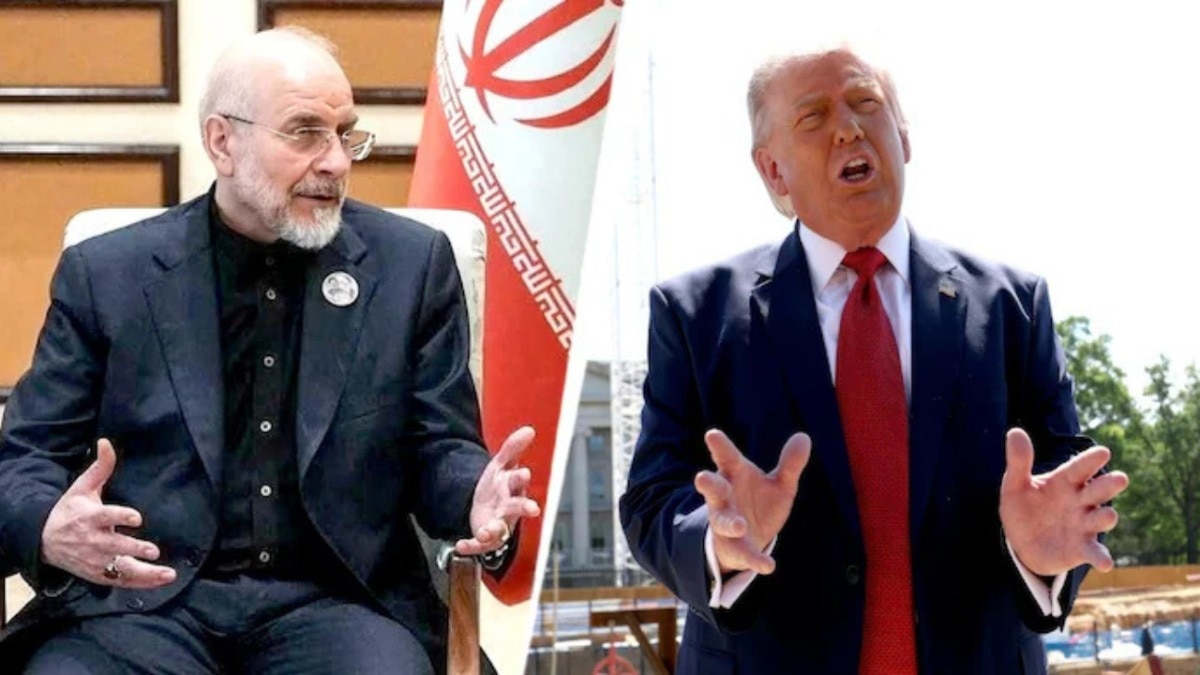
Iran has placed Lebanon among the conditions for establishing peace in the region. It suspended indirect peace talks with the US in protest at Israel's military actions in Lebanon and Gaza.
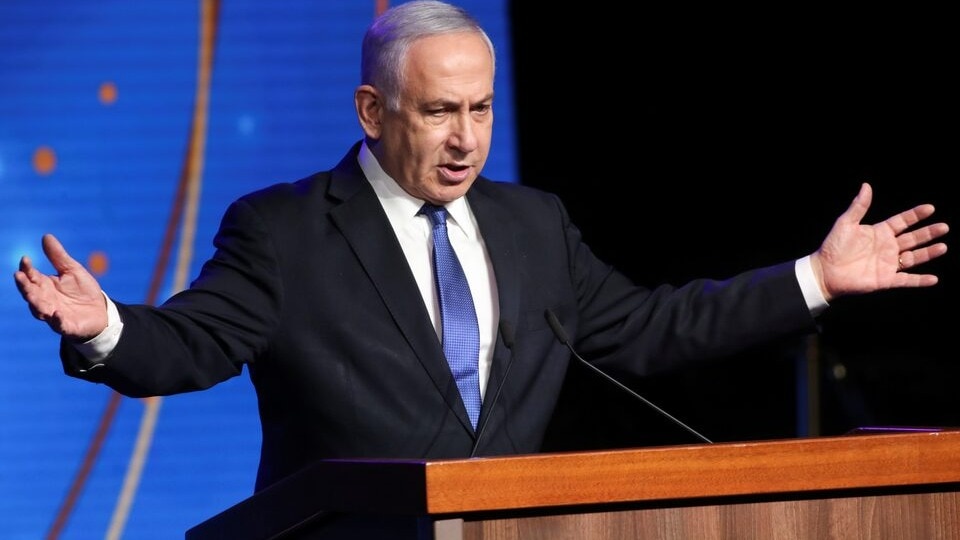
The brief window that once raised hopes of disarming Hezbollah appears to have closed as Israeli Prime Minister Benjamin Netanyahu ordered the military to deepen its campaign against Hezbollah. The Iran-backed group has been launching rockets at northern Israel.
- Ends
Published By:
Satyam Singh
Published On:
Jun 1, 2026 20:04 IST