40 minutes ago
Last Updated:December 03, 2025, 22:36 IST
Starting January 2026, Chinese consumers will pay a 13% value-added tax (VAT) on contraceptive items, including condoms, under the revised Value-Added Tax Law.

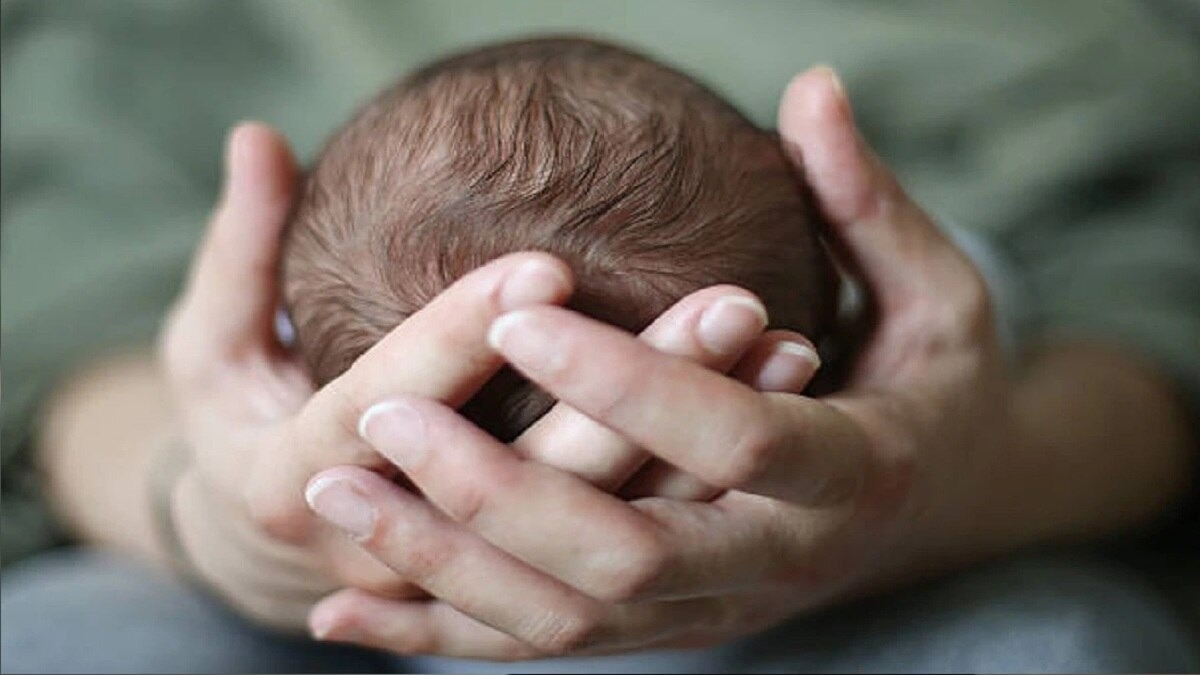
China’s decision sits against the backdrop of a rapidly worsening demographic picture. (News18)
In a significant policy reversal after more than three decades, China is set to impose value-added tax on contraceptives, including condoms, in a bid to boost birth rates amid a steady decline.
Starting January 2026, Chinese consumers will pay a 13% value-added tax (VAT) on contraceptive items, including condoms, under the revised Value-Added Tax Law approved in December 2024. The updated legislation lays out a refreshed list of tax-exempt categories — such as agricultural goods, medical treatments and cultural services — but notably excludes birth control products, which have been tax-free since 1993, reported Bloomberg.
The decision came at a time when Beijing is attempting to arrest a sustained collapse in birth rates that is shaping the country’s economic trajectory.
China originally removed taxes on condoms and promoted contraception as part of its stringent one-child policy enforced from 1979 to 2015.
The policy relied on fines, registration restrictions and workplace oversight, and was accompanied by state-driven campaigns for sterilisation and birth control. During that era, the state promoted widespread use of birth control implants, pills and condoms, while abortions and sterilisations were routinely carried out.
In a bid to boost the birth rate, authorities have been rolling out a slate of incentives. Local governments have been offering cash rewards for newborns, extending parental leave, and discouraging non-medically necessary abortions. To further support parenting, the government is simultaneously removing VAT from childcare providers, elder-care facilities and marriage-related services.
The new effort comes in the wake of China’s declining population. Official data shows that only 9.54 million babies were born in 2024, a sharp decline from the 18.8 million births recorded nearly ten years earlier — just after the end of the one-child rule.
In 2024, the country recorded 6.77 births per 1,000 people, one of its lowest levels yet. The fertility rate stood at 1.0 in 2023, according to the World Bank — less than half the 2.1 replacement level needed to sustain population size. The United Nations projects the number of Chinese women of reproductive age (15–49) will fall by more than two-thirds to below 100 million by 2100.
Demographers warn that if this trend continues, China faces long-term economic challenges from a shrinking workforce and growing elderly population.
 Click here to add News18 as your preferred news source on Google.
First Published:
December 03, 2025, 22:36 IST
News world China To Impose Tax On Condoms After 3 Decades As Birth Rates Hit Record Lows
Disclaimer: Comments reflect users’ views, not News18’s. Please keep discussions respectful and constructive. Abusive, defamatory, or illegal comments will be removed. News18 may disable any comment at its discretion. By posting, you agree to our Terms of Use and Privacy Policy.
Read More