44 minutes ago
Last Updated:December 03, 2025, 14:45 IST
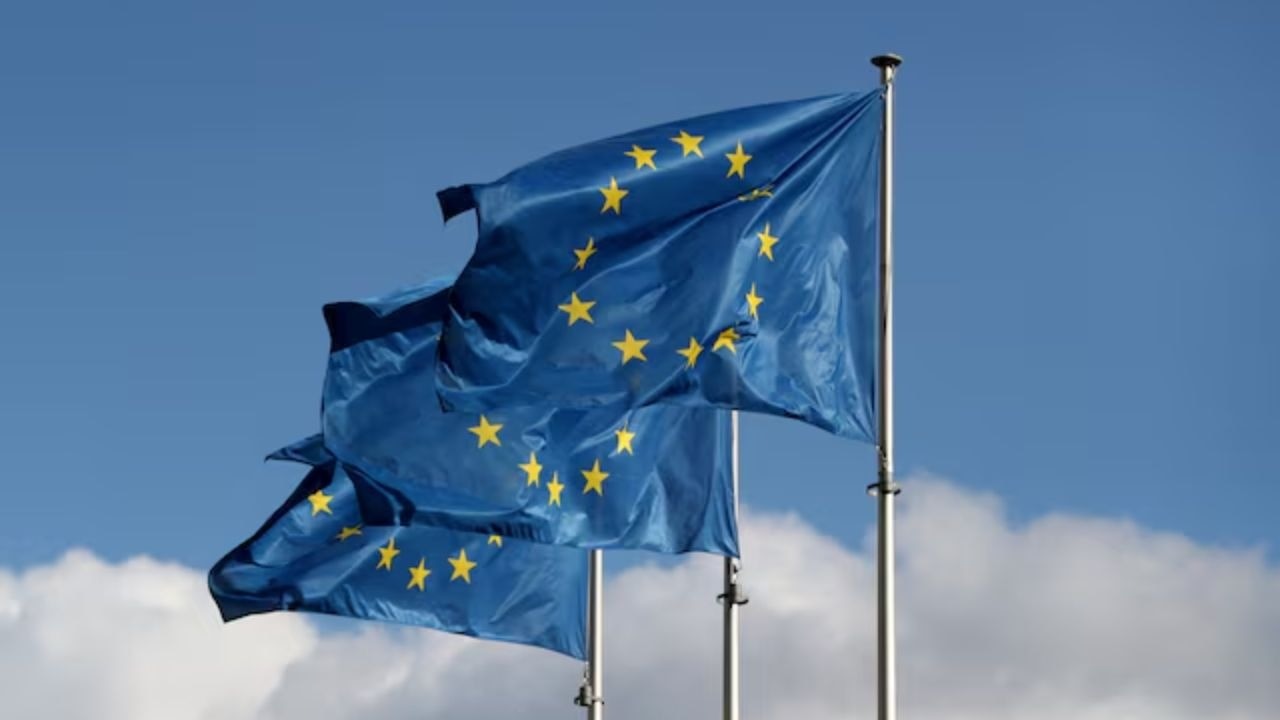
The European Union has reached a landmark agreement to end all Russian gas imports by 2027, marking its strongest break yet from Moscow’s energy influence.

An image for Russian fossil fuel (Getty)
In a decisive shift that signals the end of one of Europe’s most entrenched energy dependencies, European Commission President Ursula von der Leyen announced on X that the continent has formally chosen to “close the tap" on Russian fossil fuels for good.
Her declaration came shortly after negotiators from EU member states and the European Parliament struck a far-reaching agreement to completely halt imports of Russian gas by the autumn of 2027.
The breakthrough deal to halt the imports, reached after prolonged overnight deliberations, represents one of the bloc’s most consequential steps since Moscow’s 2022 invasion of Ukraine.
Despite major reductions over the past three years, Russian gas, both via pipelines and as liquefied natural gas (LNG), has continued to flow into Europe, generating billions of euros in revenue for the Kremlin.
For the EU, ending that revenue stream has long been both a political and logistical challenge.
EU Energy Commissioner Dan Jørgensen celebrated the agreement as a historic turning point.
“Europe is turning off the tap on Russian gas, forever," he wrote on X, adding that the bloc had chosen “energy security and independence" over vulnerability to geopolitical pressure.
“No more blackmail. No more market manipulation by Putin," he said, underscoring the strategic dimension of the shift.
Under the terms of the deal, long-term pipeline contracts, typically the most complex because they can extend decades, will be prohibited from September 30, 2027, provided that gas storage levels are adequate.
In any case, they must cease no later than November 1, 2027.
Long-term LNG contracts will be barred even earlier, beginning January 1, 2027, echoing von der Leyen’s push for tighter sanctions against Russia’s energy sector.
Shorter-term supply deals will end sooner still, LNG contracts from April 25, 2026, and pipeline gas from June 17, 2026.
The European Council described the move as essential to dismantling Moscow’s use of energy as a “weapon," which has destabilised European markets since the war began.
Crucially, European firms will be allowed to cite “force majeure" when terminating existing contracts, shielding them from legal repercussions once the EU’s ban takes effect.
The agreement also directs the European Commission to craft a plan to end Russian oil imports to Hungary and Slovakia by late 2027, two countries still benefiting from exemptions granted during earlier sanctions rounds.
Hungarian Prime Minister Viktor Orbán has openly resisted EU efforts to cut ties with Russia, recently vowing to continue buying Russian hydrocarbons.
Although the share of Russian gas in EU imports has dropped sharply, from 45 per cent in 2021 to 19 per cent in 2024, Russia remains one of the bloc’s top LNG suppliers, AFP reported.
About the Author

Vani Mehrotra is the Deputy News Editor at News18.com. She has nearly 10 years of experience in both national and international news and has previously worked on multiple desks.
 Click here to add News18 as your preferred news source on Google.
First Published:
December 03, 2025, 14:45 IST
News world Europe Announces Ban On Russian Fossil Fuels Imports, Calls It 'Energy Independence'
Disclaimer: Comments reflect users’ views, not News18’s. Please keep discussions respectful and constructive. Abusive, defamatory, or illegal comments will be removed. News18 may disable any comment at its discretion. By posting, you agree to our Terms of Use and Privacy Policy.
Read More