1 hour ago
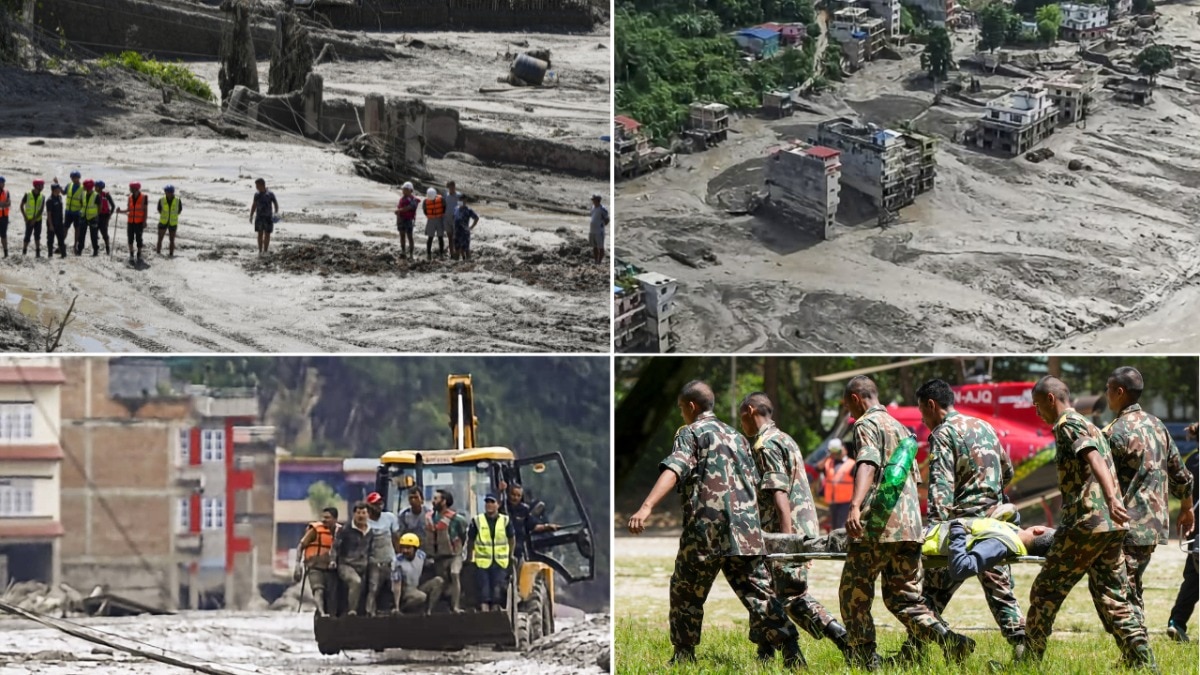
Bodies from the Bhote Koshi floods are being recovered far downstream across Nepal. Overflowing morgues are forcing temporary storage and complex identification efforts.

Stock photo used for illustration

Kathmandu,UPDATED: Aug 28, 2026 12:04 IST
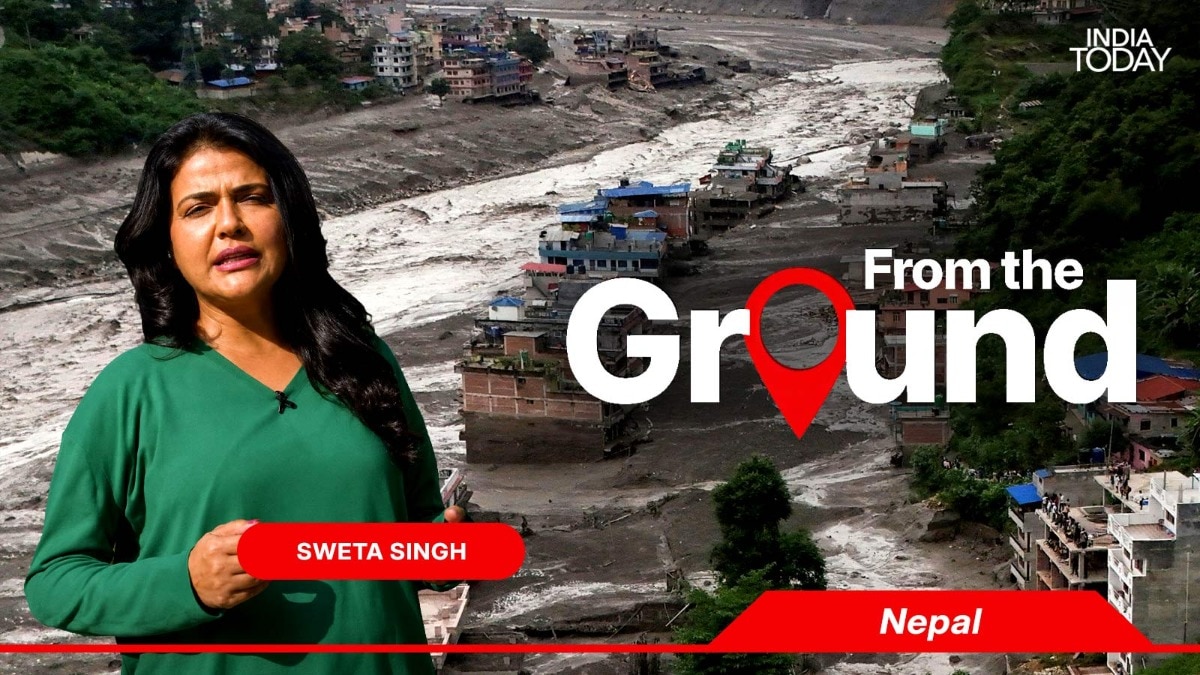
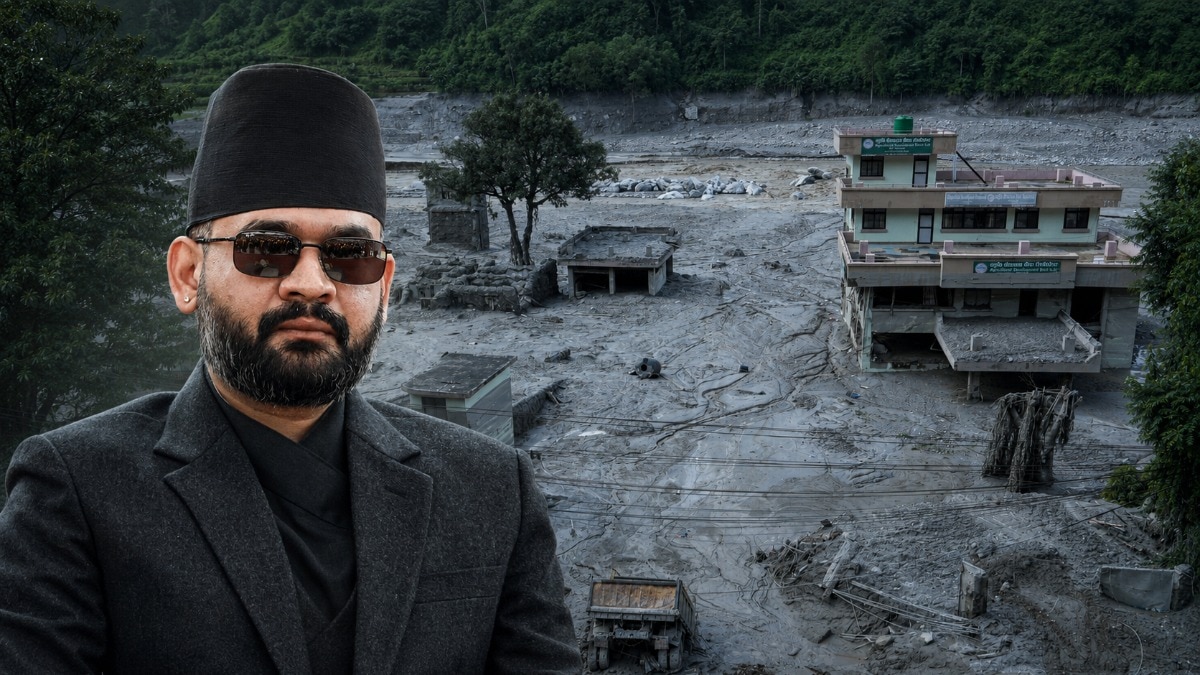
Bodies of people swept away by the devastating Bhote Koshi floods in Nepal are being recovered far downstream, putting pressure on morgues and forcing authorities to set up temporary facilities to store and identify the remains, according to a media report.
The bodies recovered from Rasuwa and Nuwakot have been found as far downstream as Chitwan, Tanahun, Nawalparasi, Gorkha and other districts, The Kathmandu Post reported. As recoveries continue, families of missing people are travelling to Chitwan from Rasuwa, Nuwakot, Gorkha and other districts in search of their relatives.
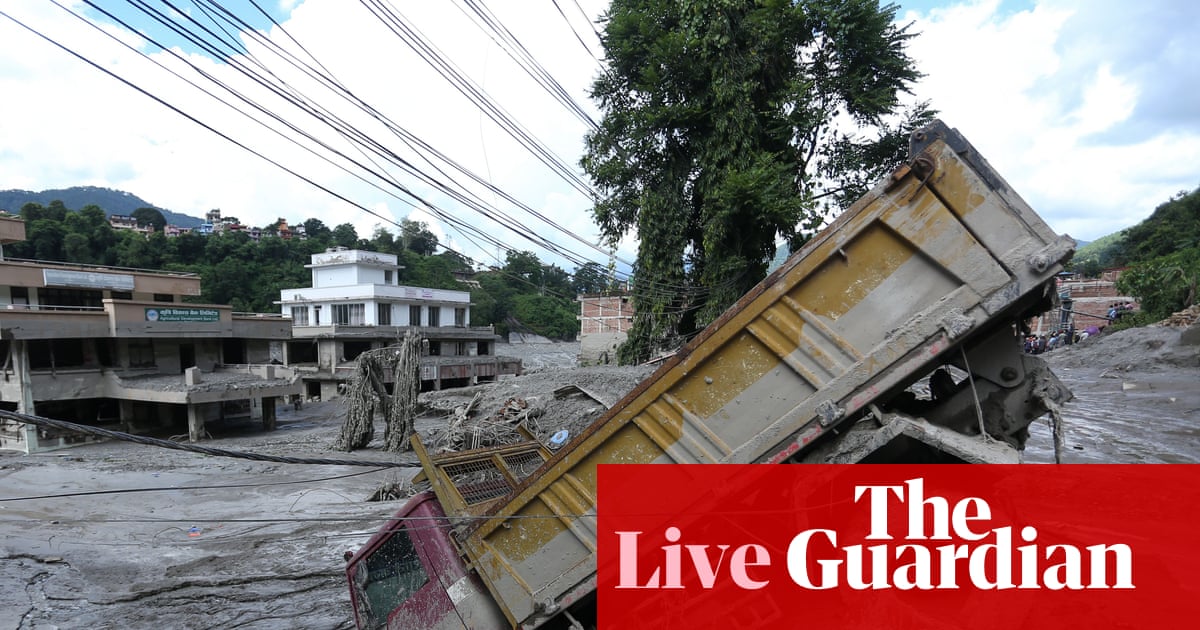
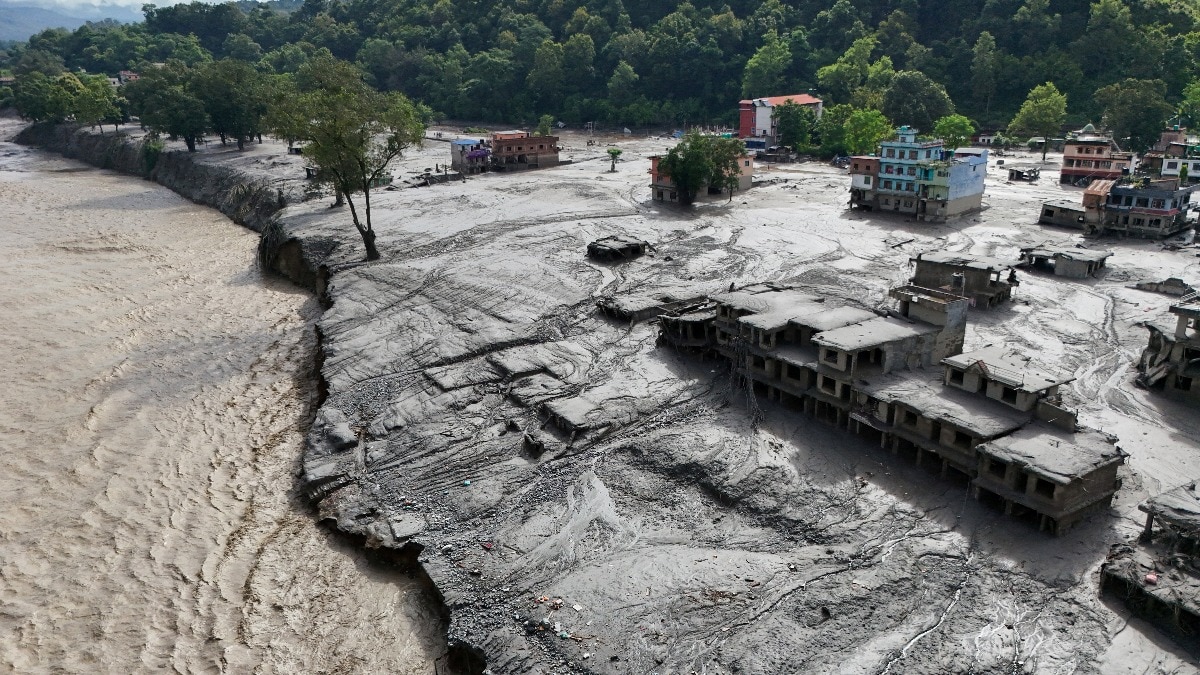
The Bhote Koshi flash floods hit Nepal on Wednesday, sweeping through Rasuwa and other districts before surging downstream along the Trishuli and Narayani river systems. The floods caused widespread loss of life and damage to settlements, roads, bridges and hydropower infrastructure.
In Chitwan, where the number of recovered bodies has gone beyond hospital capacity, authorities are preparing a temporary body storage centre in Bharatpur. An unused building of the Industrial Enterprise Development Institute on Vidhyut Road in Bharatpur Metropolitan City-10 will be converted into the facility after a decision taken at a meeting chaired by Chitwan Chief District Officer Ganesh Aryal on Thursday.
Early on Thursday, 137 bodies had been recovered along the Chitwan stretch of the Trishuli and Narayani rivers, between Phishling and Golaghat, with recoveries continuing. Aryal said morgues at hospitals in Chitwan can together accommodate between 30 and 50 bodies, while the temporary facility is expected to have space for around 250 bodies.
If that capacity is also exceeded, authorities have decided to use the electric crematorium at Devghat as an additional option, the report said. Bharatpur Metropolitan City will repair and equip the temporary facility, with plans to control the temperature inside the rooms, install air conditioners and use dry ice to slow decomposition.
Meanwhile, morgues in Pokhara are also nearing capacity after bodies were brought there from several flood-hit districts. A total of 93 bodies have been taken to Pokhara from Tanahun, Gorkha, Nawalparasi East and Dhading, the report said. Kaski Chief District Officer Kuman Singh Gurung said hospitals in the district had a combined capacity to accommodate 88 bodies. "By the numbers, we are already above capacity," Gurung said, adding that authorities had managed to accommodate the bodies for now but would have to coordinate with neighbouring districts if more arrived.
According to Sushil Aryal, information officer at Pokhara Academy of Health Science, the bodies are being stored at temperatures between 2 and 6 degrees Celsius. He said bodies can generally be preserved at those temperatures for only 10 days to two weeks, and that longer storage would require facilities capable of maintaining sub-zero temperatures.
Authorities are also preparing to manage unidentified and unclaimed bodies as recoveries continue. Under Nepal's Unidentified and Unclaimed Bodies Management Guidelines, 2021, a committee headed by the district police chief is responsible for managing the remains. Police photograph the bodies, take fingerprints, conduct post-mortems and collect DNA samples, and photographs are made public where possible to help families identify their relatives.
Kaski police chief Superintendent of Police Nabin Karki said unidentified bodies could not be kept indefinitely and authorities were preparing to designate secure burial sites if relatives could not be traced. He said each body would be assigned a tag number, with details of the burial recorded for future identification. Overall, the flood-hit districts are dealing with a rising number of bodies being recovered downstream, stretched storage capacity and the challenge of identifying the dead.
With PTI Inputs
- Ends
Published By:
India Today Web Desk
Published On:
Aug 28, 2026 12:04 IST