1 day ago
Last Updated:March 09, 2026, 13:08 IST
US-Israel-Iran war: What are water desalination plants and why are they so important? How could attacks make things worse? Where does India stand in global water crisis? Explained


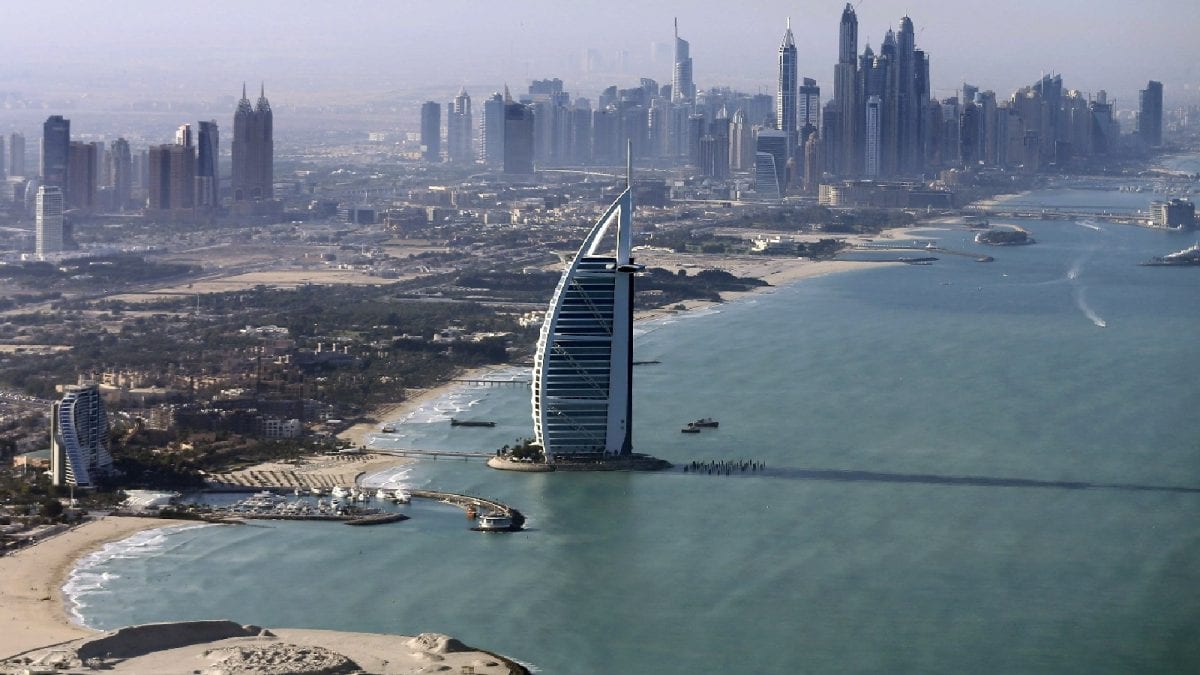
Security experts say these plants are lifelines for the region. (AP File)
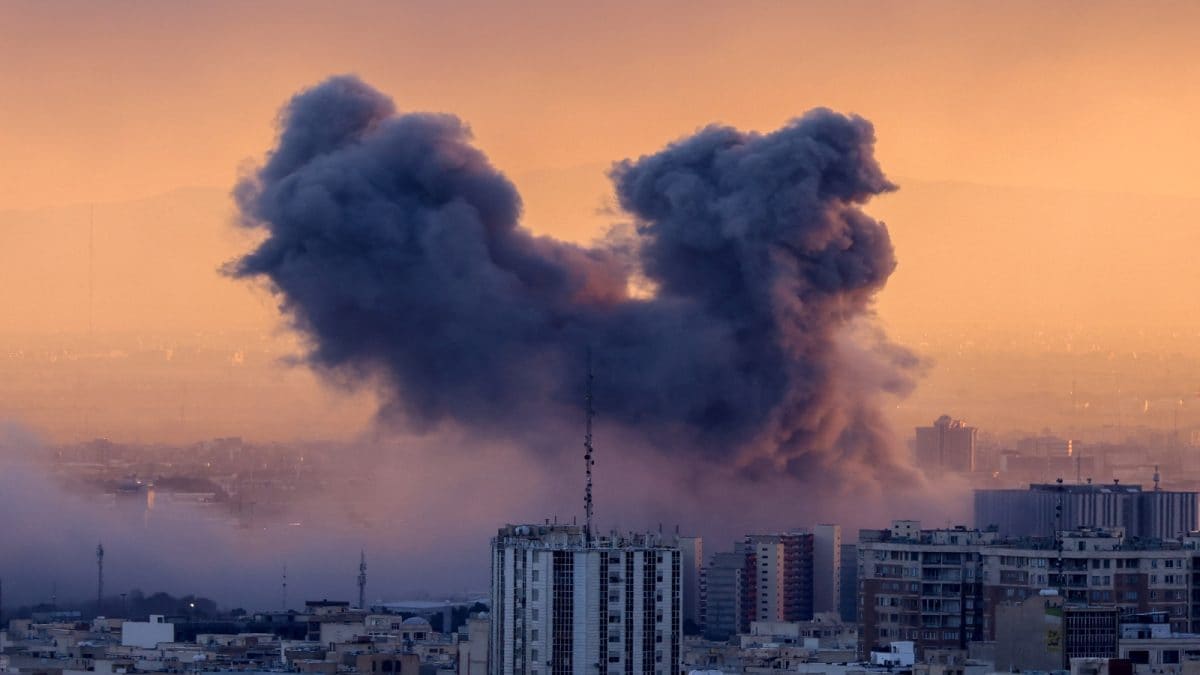
From oil and missiles, the conflict between Iran, Israel, and the US has escalated to water. Desalination plants, which purify water, are being attacked.
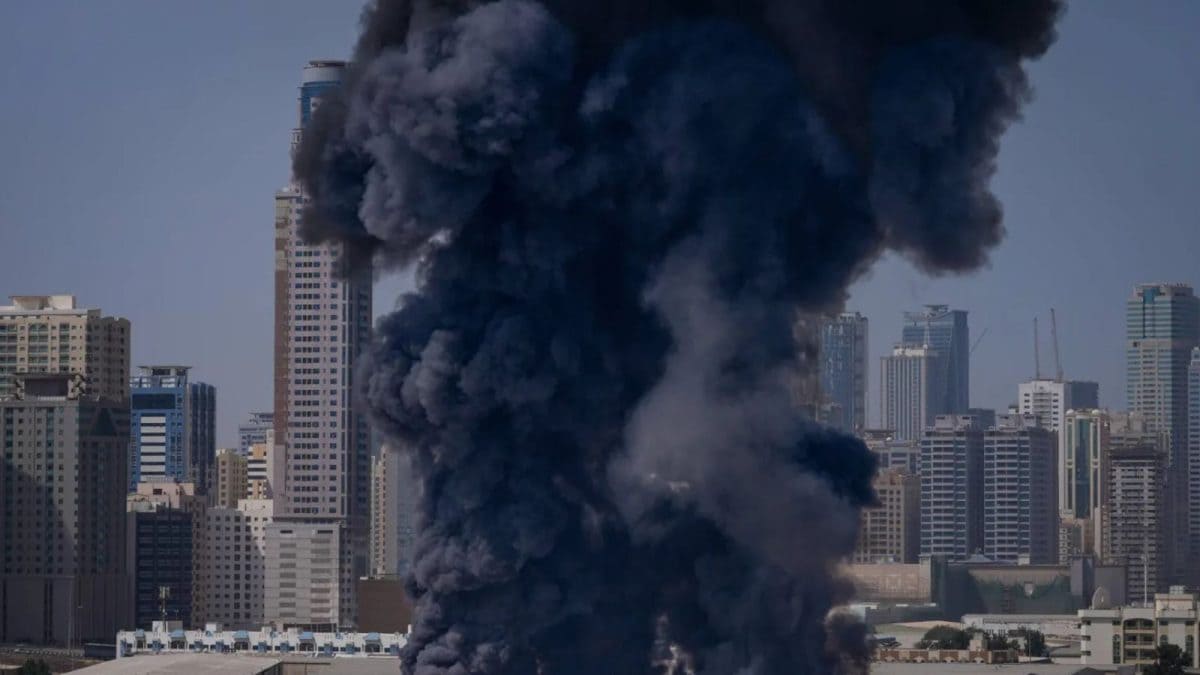
The US recently struck Iran’s water plant on Qeshm Island, leaving 30 villages without water. In response, Iran targeted a water desalination plant in Bahrain for the first time.
Security experts say these plants are lifelines for the region, and attacks on them could be dangerous for everyone. If these plants are damaged, hit by cyberattacks, or the water is contaminated, it’s not just an economic loss—it could create a serious human security crisis across the Gulf.
If these plants are harmed, daily life in cities could come to a halt. So, what are water desalination plants, and why are they so important in this region? How could attacks make things worse?
US-Israel-Iran war: Why desalination plants matter
From Iran to the Gulf countries, desalination plants are used to make seawater drinkable. Saudi Arabia, UAE, Kuwait, Qatar, Bahrain, and Oman are among the world’s driest places, with limited natural water sources. GCC countries produce about 40% of the world’s desalinated water, with over 400 plants operating in the region.
In many countries, most drinking water comes from this technology.
For example, Qatar gets 100% of its drinking water from desalination, Kuwait about 90%, Bahrain 90%, Oman 86%, Saudi Arabia 70% (with cities like Riyadh relying up to 90%), and the UAE about 42%, with Dubai and Abu Dhabi depending even more. The Gulf is extremely hot and gets very little rain. With fast-growing populations, underground water sources are running out. Desalination isn’t just a technology—it’s a basic need for society.
What happens if water is attacked
An attack on water could cause a disaster. Oil shocks can be managed to some extent, but there’s no quick fix for water. If water supply stops in big cities, a crisis could develop in just a few days. Water isn’t just infrastructure or a technical facility—it’s tied to the country’s survival. Experts believe that if water systems are targeted in war, the impact could be bigger than oil.
According to a leaked US diplomatic document from 2008, more than 90% of Riyadh’s drinking water comes from the Jubail desalination plant. If this plant is destroyed, the capital might have to be evacuated within a week. Qatar’s Prime Minister warned last year that if Iran’s nuclear sites are attacked and seawater gets contaminated, life in Qatar, UAE, and Kuwait could be at risk. Qatar estimated it would have only three days of drinking water left in such a situation, so it built 15 large water reservoirs to keep supplies going in emergencies.
Iran’s Foreign Minister Abbas Araghchi called the US attack on Qeshm Island’s desalination plant a “heinous and desperate crime," saying it cut off water to about 30 villages and was a dangerous step with serious consequences. Iran’s Revolutionary Guard Corps (IRGC) fired missiles at the US military base Al-Jafair in Bahrain, claiming it was a measured response to the US attack on Qeshm Island’s water infrastructure. The IRGC said their missile operation was a “calculated countermeasure" to defend critical civilian infrastructure. Without these water plants, Gulf countries could face a water crisis.
Drinking water from desalination
Desalination is the process of removing minerals from salty water to make it drinkable. The water is monitored and tested just like water from regular filtration plants. There are two main methods: distillation, where salty water is boiled and the steam is condensed back into water, and reverse osmosis (RO), where pressure pushes water through a membrane that only lets water through, leaving salt and impurities behind.
Currently, about 1% of the world’s drinking water comes from desalination, mainly in the Middle East and North Africa, as well as small island nations and developing countries. However, disposing of the highly concentrated salty brine produced is a big problem, as it’s often pumped back into the sea, harming local ecology.
What will happen if more water plants are attacked?
Right now, only one plant has been attacked, but if Iran keeps targeting water plants, the Gulf could run out of water. Saudi Arabia’s Jubail and Ras Al Khair plants are among the world’s largest, producing millions of cubic meters of water daily.
Iranian attacks could cause major damage, as these plants are within range of Iranian missiles and drones.
If a big plant is damaged, cities could run out of water in days, leaving millions without drinking water, causing health crises and migration. Brine discharge and oil spills could harm marine life and disrupt water production for a long time.
Wars and water: The history
Water has been a source of conflict for millennia, often referred to as “hydro-politics."
Early disputes arose in Mesopotamia over irrigation channels, with one city-state blocking water flow to another as a war tactic.
While water scarcity rarely causes war between nations, it acts as a “threat multiplier." Examples include conflicts over the Nile, the Tigris-Euphrates, and the Jordan River Basin.
India faces both trans-boundary disputes (e.g., Indus Waters Treaty issues with Pakistan, Ganga water sharing with Bangladesh) and severe inter-state conflicts (e.g., Cauvery River disputes between Karnataka and Tamil Nadu).
Where does India stand in the global water crisis?
India is experiencing its worst water crisis in history, with 600 million people facing high-to-extreme water stress and 75% of households lacking access to safe drinking water, according to PMF IAS and this forumias.com post. Ranked 120th of 122 countries in water quality, India holds only 4% of the world’s freshwater while supporting 17% of its population. By 2030, demand is expected to exceed supply twofold, potentially reducing GDP by 6%.
India’s water issues
India is currently facing a dire, man-made, and systemic water crisis driven by overexploitation, pollution, and climate change.
India is the largest user of groundwater in the world, consuming over 25% of the global total, with 70% of its groundwater now contaminated.
Reports indicate major cities like Delhi and Bengaluru are facing extreme risks of running out of groundwater, with nearly 40% of the population projected to have no access to drinking water by 2030.
Agriculture consumes roughly 85% of available freshwater, often using inefficient flood irrigation to grow water-intensive crops (rice/sugarcane) in arid regions.
Rapid urbanisation, encroachment of water bodies, erratic monsoons due to climate change, and weak regulatory frameworks are accelerating the crisis.
Approximately 200,000 people die annually in India due to inadequate access to safe water.
The crisis, if not addressed, is projected to result in a 6% decrease in GDP by 2030, notes a report from WaterAid America.
The situation demands urgent, massive investment in water harvesting, improved irrigation technology, and strict groundwater regulation to prevent widespread, long-term catastrophe.
With agencies inputs
First Published:
March 09, 2026, 12:11 IST
News explainers Why Water Is Fuelling US-Israel-Iran War: History, Global Crisis To India’s Position, Explained
Disclaimer: Comments reflect users’ views, not News18’s. Please keep discussions respectful and constructive. Abusive, defamatory, or illegal comments will be removed. News18 may disable any comment at its discretion. By posting, you agree to our Terms of Use and Privacy Policy.
Read More