2 hours ago
India and Russia move to rebalance a massively skewed trade relationship as President Putin's visit to New Delhi opens doors to new cooperation in labour, industry, tourism, and pharmaceuticals.

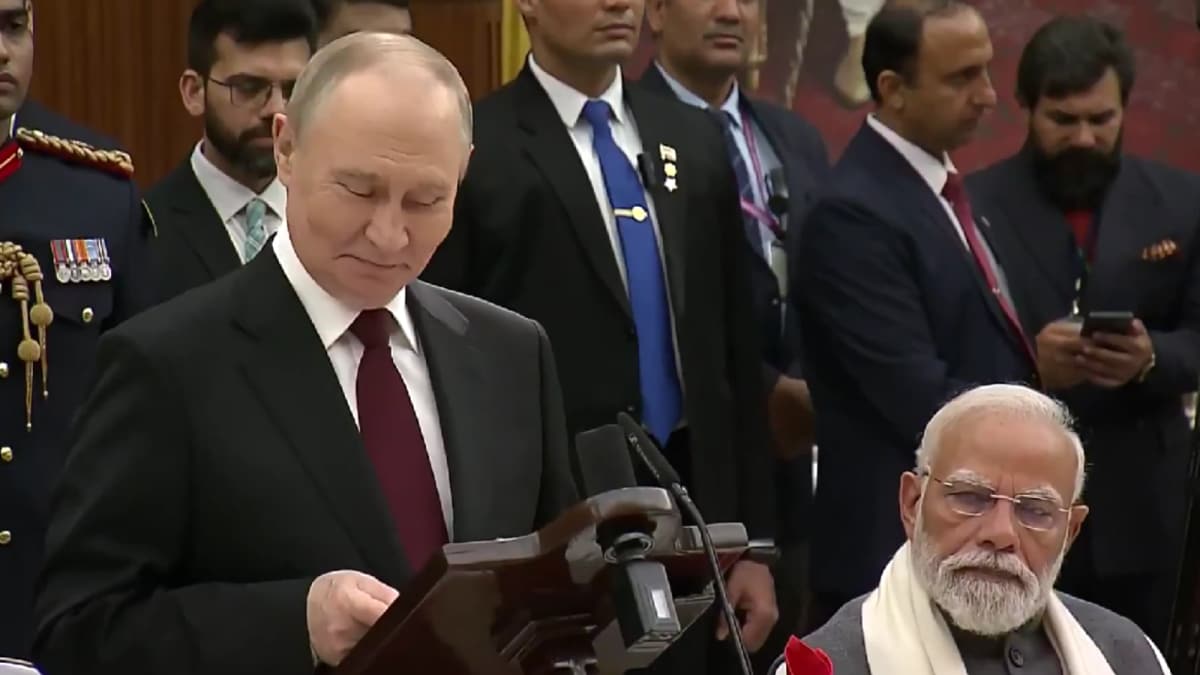
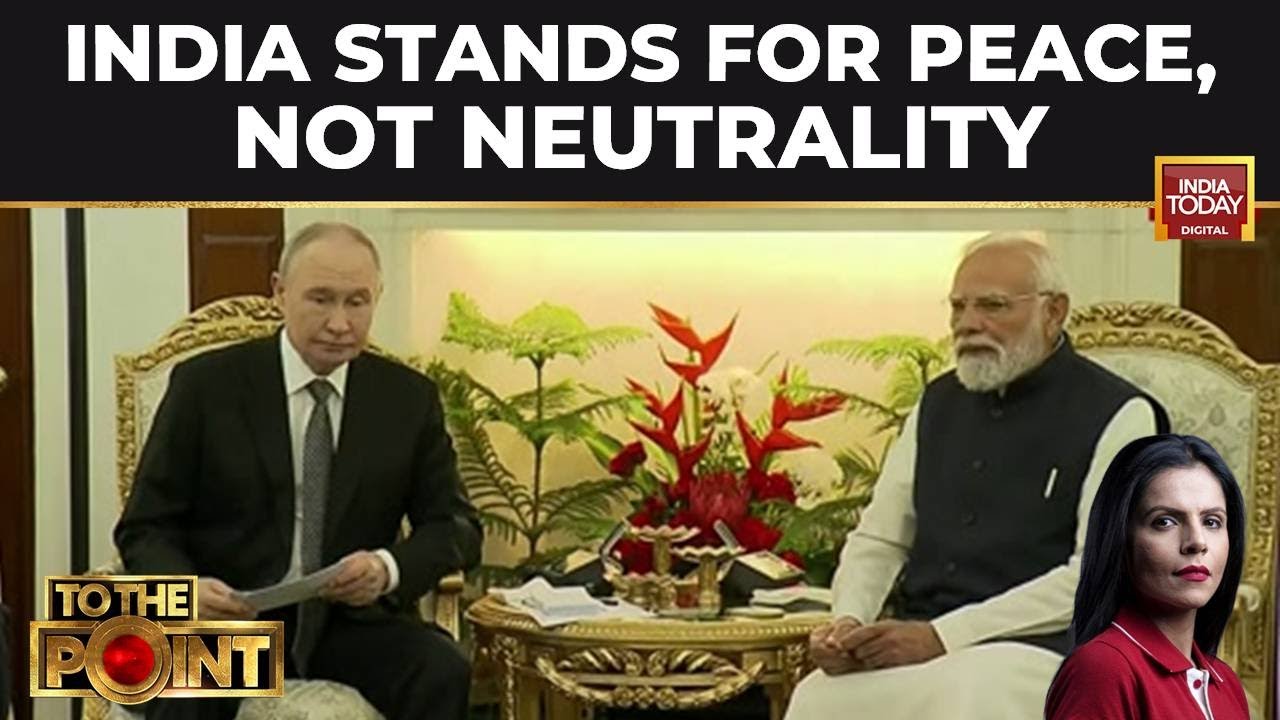
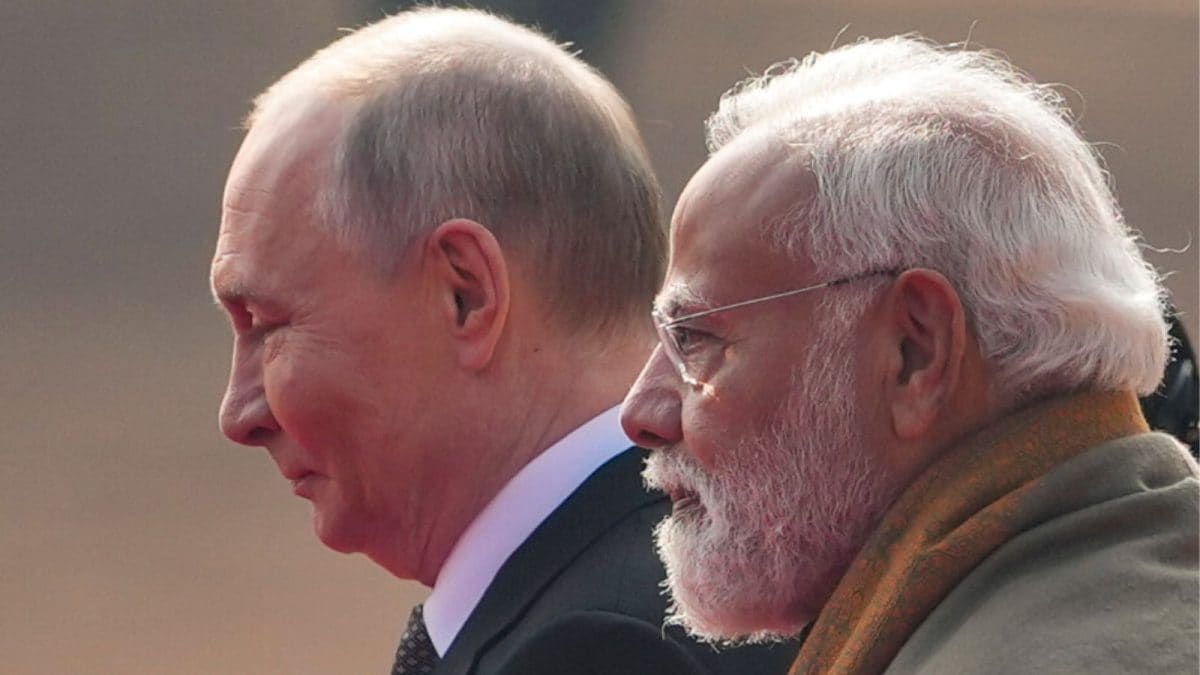
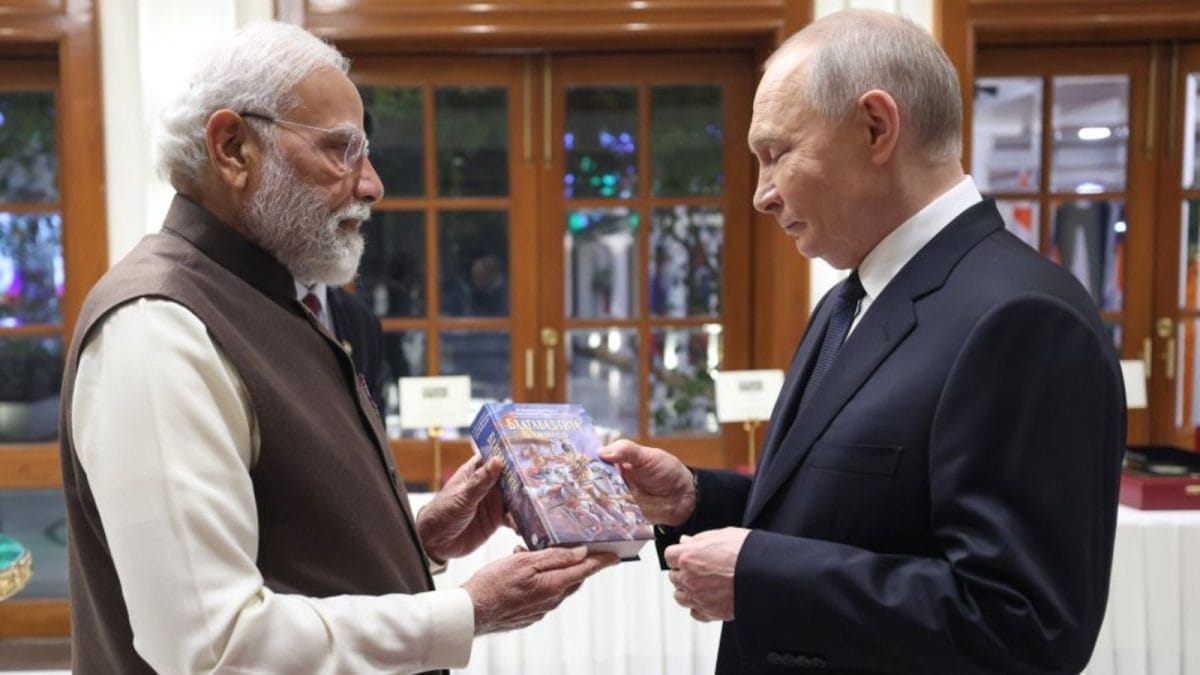
Prime Minister Narendra Modi with Russian President Vladimir Putin during a state reception, in New Delhi. (PTI)

UPDATED: Dec 6, 2025 00:21 IST
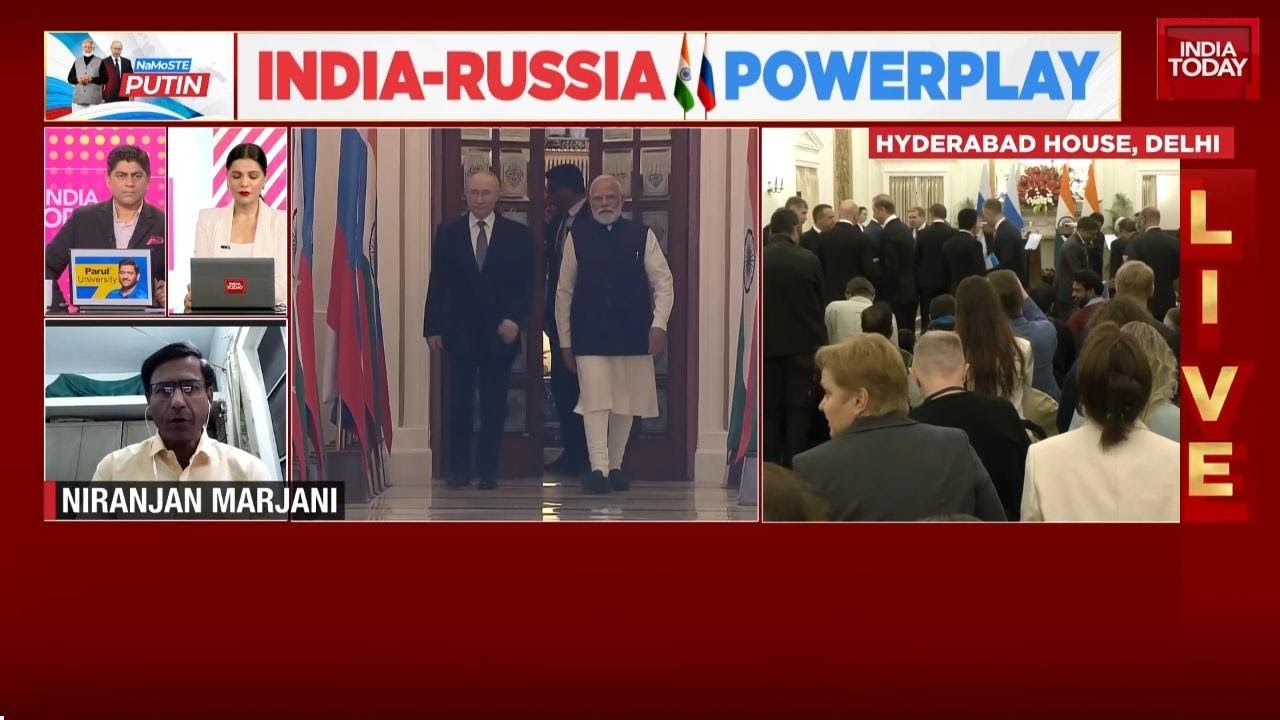
Russian President Vladimir Putin’s arrival in New Delhi signifies a pivotal moment in India–Russia relations, indicating a shift well beyond the traditional pillars of defence and energy cooperation. As Prime Minister Narendra Modi welcomes Putin for the 23rd India–Russia Annual Summit, both parties are preparing for what could become one of the most significant policy reorientations in their bilateral partnership’s history.
For decades, India–Russia ties have been rooted in defence procurement and energy supplies. However, this year’s summit has a broader strategic goal: to rebalance a trade relationship that has become heavily biased. Last year, bilateral trade soared to nearly USD 70 billion, but this surge was largely driven by India’s substantial imports of discounted Russian crude oil, coal, fertilisers, and diamonds.
In contrast, Indian exports totalled just USD 4.9 billion. The resulting trade deficit, now one of India’s largest with any nation, has prompted an urgent reset. Officials from both governments recognise that the current energy-heavy model is unsustainable and that new areas of cooperation must be developed. Moscow’s changing import needs, especially amid Western sanctions reshaping Russia’s supply chain, are creating a rare economic opportunity for India.
Indian manufacturers and exporters are now looking to Russia’s vast, underserved markets. Engineering goods constitute the largest untapped sector: Russia’s import demand is estimated at USD 2.7–2.8 billion annually, while India currently supplies just over USD 90 million worth of machinery and industrial equipment.
Pharmaceuticals present another major opportunity. India exported USD 577 million worth of pharmaceutical products to Russia last year, yet this remains a small fraction of Russia’s nearly USD 10 billion pharma import market. Chemicals, plastics, and agricultural products show similarly large gaps that Indian companies are eager to fill. Tourism has unexpectedly become a rapidly growing link between the two nations.
Russia has experienced a significant increase in Indian tourist arrivals, driven by streamlined e-visa procedures, additional direct flights, and cultural festivals such as Bharat Utsav and the Day of Yoga. Moscow now regards India as one of its fastest-growing sources of tourists and aims to host six million visitors annually by 2030. Another vital pillar of the new partnership is labour mobility.
As Russia faces workforce shortages across construction, electronics, manufacturing, and engineering sectors, New Delhi and Moscow are working towards a formal framework to regulate and expand the flow of Indian workers. More than 70,000 Indians could be employed in Russia by late 2025, potentially forming a new diaspora and strengthening people-to-people links.
As Putin begins his engagement in New Delhi, this visit signifies far more than diplomatic symbolism. It marks the start of a long-term plan to transform India–Russia relations into a diversified, resilient, and future-ready economic alliance, one that reflects the evolving needs and aspirations of both nations.
- Ends
Published By:
indiatodayglobal
Published On:
Dec 6, 2025
Tune In