1 month ago
Images of pre-Islamic Zoroastrian kings and warriors have been unveiled in Iran, evoking courage and resilience. Many say the Ayatollah regime in Iran revives the country's Persian identity during conflicts with Israel and the US. But this Persian heritage has always run deep, and is visible from time to time, in both dissent and unity.
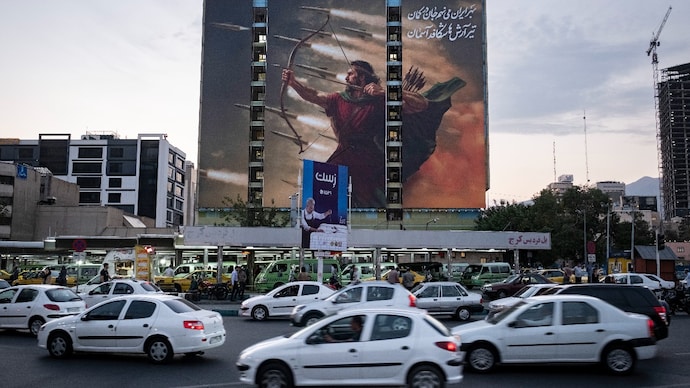
A mural depicting Arash the Archer, a mythical Persian hero who is said to have marked Iran's borders with a single arrow, in Tehran, after the US-Israeli airstrikes in June 2025. (Image: Getty Images)

New Delhi,UPDATED: Mar 19, 2026 08:59 IST
Wearing a Faravahar locket, a Zoroastrian symbol of a guardian spirit, would be considered haraam by the Muslim community globally. But that's not the case in Iran — the world's largest Shia Muslim nation, with over 90% of its population following Islam. Experts of the Persian culture say the Zoroaster insignia is sold openly across Iran, and even worn by many Shias. That's how multifaceted cultural identity is in the country. Today, amid the war with Israel and the US, these Persian roots have seemingly strengthened Iran's resolve.
The Faravahar is just one of the examples of Iran's Persian roots showing through. Images of Achaemenid soldiers, from one of ancient Persia's greatest empires; statues and posters of the legendary archer Arash, a symbol of sacrifice; and Rostam, a hero from Persian mythology — all have appeared in Iran, from billboards to TV programmes, or in the form of statues.
Before the Arab conquest of Iran, the land saw a thousand-year rule by Zoroastarian empires, beginning with the Achaemenid Empire of Cyrus the Great. These pre-Islamic empires were among the biggest of their times. And while the Caliphates merged Iran with the Arabian empire, the Zoroastrian roots remained deep.
Persian heritage in Iran runs so deep it surfaces in both dissent and unity.
For centuries, the Zoroastrian heritage and symbols remained key for Iranians to assert their distinct identity from the Arabs. Even the Shahs of Iran used the old Persian empires to justify their rule in Iran from 1925 to 1979, when the Iranian Revolution was used to usher in the Ayatollah regime.
In recent years too, whenever Iranians have protested against the clerical regime, slogans have been raised in support of the Shah's rule, which was overthrown in 1979 during the Enqelab-e Eslami, aka the Islamic Revolution. In some such protests, crowds were dotted with symbols like the Lion and Sun flags, also rooted in Iran's pre-Islamic identity.
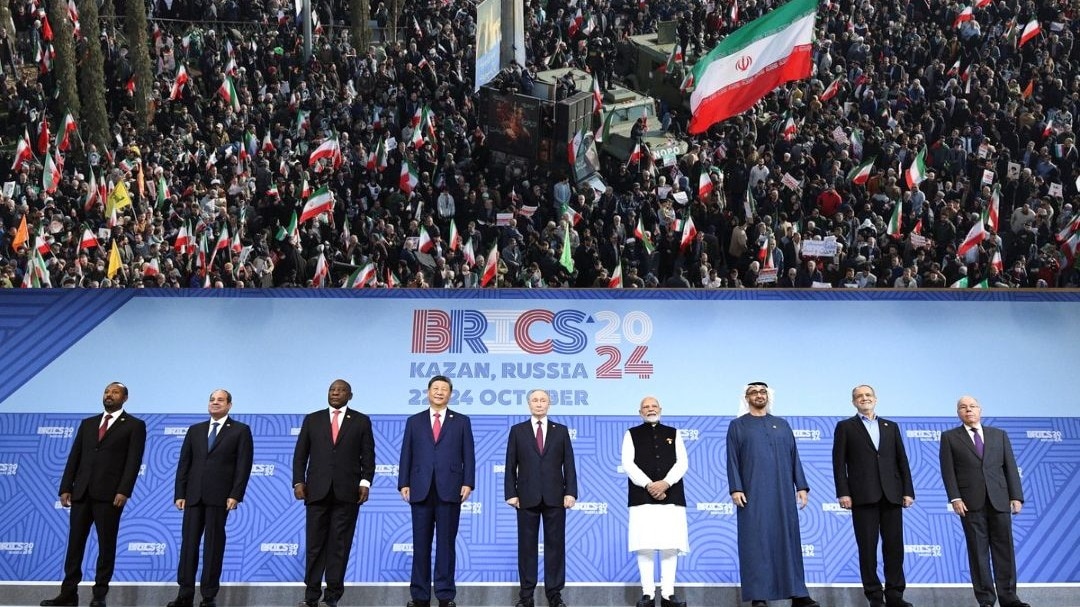
The latest example of this was seen soon after the killing of Ayatollah Ali Khamenei in the US-Israeli strikes, when lakhs of Iranians poured into the streets across the country. They chanted, "Long live the Shah" — calls for the return of the crown prince of Iran, Reza Pahlavi, the son of the last Shah of Iran, Mohammad Reza Pahlavi.
The Pahlavis took great pride in their Persian heritage.
But the picture is a little more complicated than that.
THE SHIA REGIME HAS ITSELF PUSHED FOR PERSIAN IDENTITY
The Shia clerical regime in Iran itself has increasingly incorporated Persian nationalist elements to bolster its legitimacy amid protests against it.
For a theocratic country, such layers of identity are intriguing.
Remember, Iran's official language is also Persian, aka Farsi, which makes it stand out amid Arabic-speaking neighbours. It also celebrates Nowruz, Iran's official new year rooted in the Zoroastrian calendar.
However, the most striking example of the clerical regime pushing for the Persian identity came in July last year, soon after Israel's Operation Rising Lion against Iran. On the eve of Ashura, the Shia mourning day for Imam Husayn ibn Ali, Ayatollah Ali Khamenei personally requested a veteran eulogist, Mahmoud Karimi, to perform an adapted version of "Ey Iran", a song often seen as Iran's unofficial national song. It was the first time that Khamenei appeared in public after Israel's attack.
The song is deeply linked to the country's Persian identity, and celebrates Iran's beauty and resilience, its ancient grandeur, without referencing any ruler or religion. The nationalist song has rarely featured in strict religious ceremonies like Ashura, which traditionally focus on elegies for Imam Husayn.
It must be noted that Khamenei made the unusual request on the heels of the US bombing of Iran's key nuclear facilities in Natanz, Fordow and Isfahan. It was a tough time for Iran, when its top military leadership had been obliterated, and over 400 civilians were killed.
The same pattern was followed by the madahs (religious singers) in Yazd city too. Reza H Akbari, an Iranian-American scholar, posted a video of a gathering in a shopping mall, saying, "On the heels of the Iran-Israel war, we're witnessing some of the most patriotic mourning gatherings in Iran. Numerous examples of elegies being infused with Iran-centric lyrics from classical literature, pop songs, nationalistic poems, and national anthems."
The emotions were intense. Khamenei beat his chest during Ashura, and so did the crowds mourning their beloved Imam. But there was also a powerful undercurrent of nationalism. Persian identity wove together religion and politics.
PERSIAN SYMBOLS DOMINATE THE WAR DISCOURSE
A few months after Israel's attack on Iran in June last year, images of ancient Persian warriors began appearing across Iran. Courtesy: Iran's government.
Billboards filled with Achaemenid Empire soldiers in traditional robes and bows slung across their shoulders.
Depictions of Arash, a legendary figure from Persian mythology said to have determined Iran's borders by releasing arrows from the peak of a mountain, appeared. In Tehran's Vanak Square, he was depicted aiming his bow with missiles in the background.
Just before the anniversary of the 1979 US Embassy takeover, Tehran Municipality in 2025 launched a campaign called "You Will Kneel Before Iran Again".
Under the campaign, a massive bronze sculpture in Enghelab Square was unveiled, which was a modern take on the Naqsh-e Rostam relief showing the Sasanian king Shapur I accepting the surrender of the Roman emperor Valerian. Valerian's capture in 260 CE in the Battle of Edessa was the only time a Roman emperor was taken prisoner in battle.
The Sasanian Empire was the last of the pre-Islamic Zoroastrian empires of Iran.
In Shiraz, one of the most ancient cities of Iran, a billboard showed Israeli Prime Minister Benjamin Netanyahu kneeling before a statue of Shapur I, a scene that echoed the reliefs carved into the ruins of Persepolis, the capital of the Achaemenid Empire.
The supporters of the Islamic Republic saw it as a powerful message to Israel, even as they hailed it as a "historic reminder to Iran's enemies" that Iran will stand unbowed in the face of adversity.
While many claim Iran's Persian identity has been "revived" post-Operation Rising Lion, a closer look shows it has never truly disappeared, even amid over five decades of political Islam.
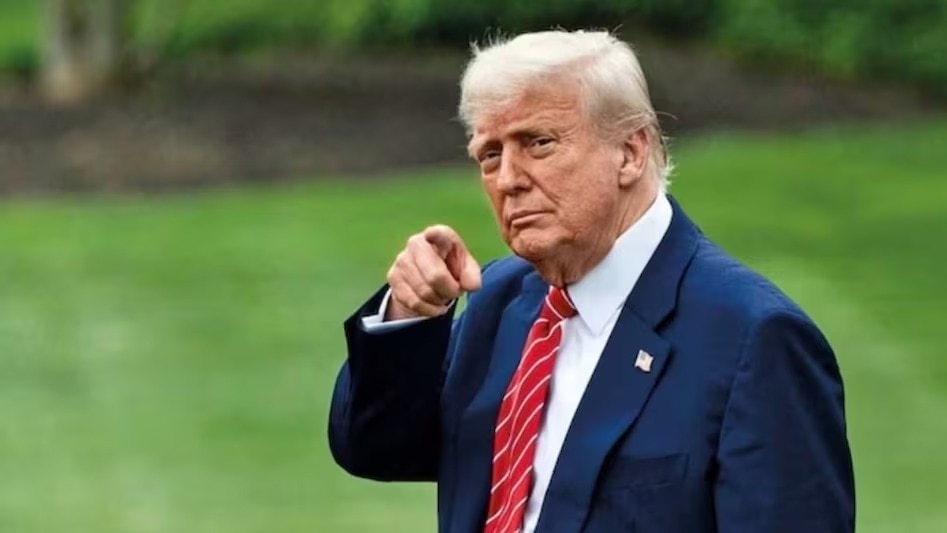
It is perhaps this rich heritage that has reshaped global perceptions as well. US President Donald Trump, for instance, recently described Iranian leadership as "high-level, high-IQ individuals" who are "really smart" — a sharp contrast from his earlier vitriol toward the regime.
From the chessboard to the battlefield, Persian warriors have shown Iran how to face its foes, unbowed. That's why an Iran that is battling powerful enemies finds strength in pre-Islamic Persian heroes.
- Ends
Published By:
Anand Singh
Published On:
Mar 19, 2026 08:59 IST