 1 month ago
Iran produces over three million barrels of crude oil per day, the majority of which flows through its main export terminal at Kharg Island. Today, amid the war with the US and Israel, Iran is rapidly running out of space to store the unsold crude. The US naval blockade is preventing tankers from leaving the Persian Gulf, and even as Iran revived offshore tanks and floating storage vessels, they too have seemingly filled quickly.
And since Tehran cannot shut down production, because doing so risks severe and potentially permanent damage to its underground reservoirs, it is seemingly throwing oil into the sea.
Satellite images have captured large dark patches on the sea surface near Iran's main oil export terminal at Kharg Island, raising questions about whether Tehran is releasing crude into the water because it has run out of storage space.
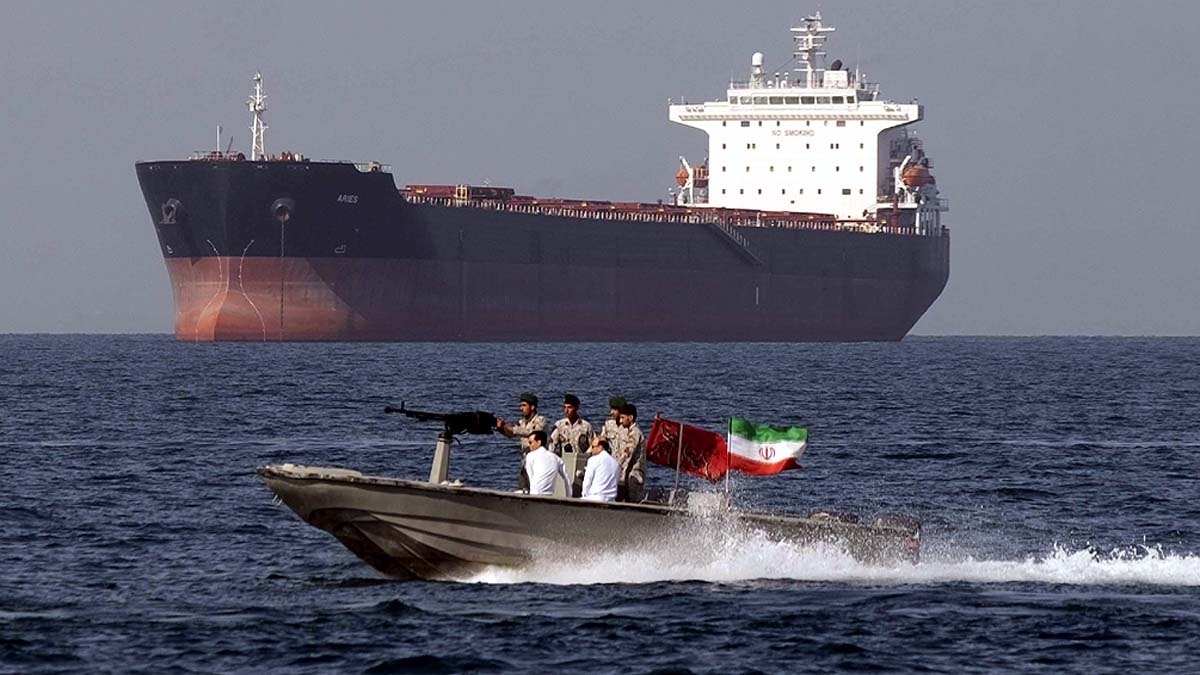
As the blockade took hold in mid-April, onshore tanks there filled first. In response, Iranian authorities revived several old tankers for use as floating storage offshore. These ageing vessels, positioned near the island, are now holding excess oil to prevent production shutdowns and keep wells operating.
IRAN'S OIL STORAGE CRISIS TRIGGERING SPILLS IN THE PERSIAN GULF, SATELLITE IMAGES SUGGEST
While one might ask why Iran cannot simply shut down oil production, the answer is quite technical. When wells are shut in for extended periods, water and gas can intrude into rock formations, permeability can decline, and sediment or paraffin can clog pores and pipelines. Restarting production later often becomes far more expensive — and in some cases, output never fully recovers.
Satellite data, as reported by Tel Aviv-based YNet and American broadcaster CNN, suggests the measures Iran took to store the excess oil might not have been enough. European Space Agency Sentinel imagery has shown multiple suspected oil slicks across the Persian Gulf and around the Strait of Hormuz in recent weeks. Patches appeared near the Kuwait coast on March 5, around Lavan Island on April 10, just days after reports of strikes on nearby facilities, off Qeshm Island on April 22, and most recently in a large slick west of Kharg Island on May 6.
One slick near Kharg covered more than 120 square kilometres – an area roughly the size of a major city. True-colour images showed vessels nearby, some apparently engaged in loading or transfer work. To check whether the dark streaks were likely oil, analysts turned to Sentinel-1 radar data.
Oil floating on water flattens tiny wind-driven ripples, creating smoother, darker patches on radar images. After filtering out noise, the processed pictures pointed to thin films consistent with spilt or released crude, reported CNN.
Experts note that satellite views alone cannot prove the substance is oil. Similar effects can come from algae, sediment, sunlight glare or natural films. Still, the location near major tanker routes and oil infrastructure, combined with the timing after reported strikes, has led to concerns about leaks or possible deliberate releases to ease storage pressure.
OIL SPILLS HIGHLY RISKY FOR MARINE LIFE, FISHING BUSINESS, HUMANS ALIKE
The slicks carry real risks for the environment and people.
The Gulf supports fishing communities, coral reefs and rich marine life that provide food and income for coastal families in the region. Oil floating on the surface can poison fish, harm seabirds and damage fragile habitats.
In a separate but worrying development, large numbers of dead shrimp washed ashore on beaches in southern Oman's Dhofar region, staining stretches of coastline red. Scientists have linked such die-offs mainly to low oxygen levels or strong currents pushing the creatures into shallow, stressful waters, but the timing has added to fears of broader pollution stress in the region.
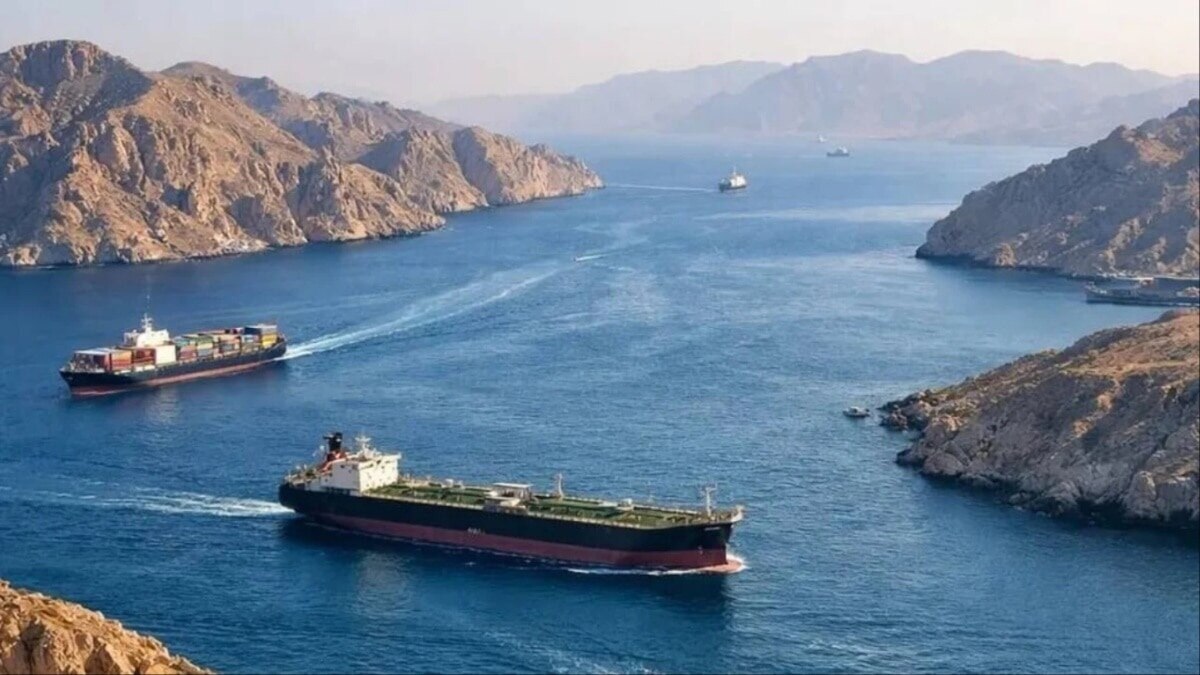
The same waters carry about one-fifth of global oil and gas shipments and remain important for energy supplies to countries such as India. Disruptions in and around the Strait of Hormuz have already pushed up world oil prices, making fuel, transport and everyday goods more expensive everywhere.
IRAN IS MOVING OIL THROUGH BACKCHANNEL METHODS
At the same time, Iran has kept some oil moving through back-channel methods.
US President Trump has maintained the US naval blockade of Iranian ports and the Strait of Hormuz, which began in mid-April 2026. It remains fully in effect despite a fragile ceasefire. It's costing Iran significant oil revenue daily.
US intelligence assessments indicate Iran can endure the blockade for several months while retaining much of its missile capabilities.
But, maritime tracking and satellite imagery show at least 13 tankers took part in covert ship-to-ship transfers thousands of kilometres away, near Indonesia's Riau Archipelago, reported The Washington Post.
Laden Iranian vessels offloaded an estimated 22 million barrels – worth more than $2 billion at current prices – to other ships, many sailing under different flags. The empty tankers then continued toward buyers, most likely in China, allowing Tehran to maintain some revenue despite the blockade. This route has been used for years to bypass sanctions, reported The Washington Post.
However, the sustained US blockade might have now forced Iran to dump some of the surplus oil. It's ironic that while global markets face shortages and higher costs, oil appears to be floating unused in the sea. Iranian officials have not commented publicly on the specific slicks.
Notably, these could also be accidental leaks from damaged facilities or vessels too. But given how tense the situation is, these could also be releases driven by the lack of storage.
As the blockade continues, the pressure on Iran's oil sector is growing. Reviving old tankers for floating storage bought some time, but the visible slicks show that Iran might be in deep crisis, which could also cause major ecological problems.
- Ends
Published By:
Anand Singh
Published On:
May 10, 2026 14:27 IST