15 hours ago
Last Updated:January 09, 2026, 15:06 IST
The Donroe Doctrine is a modern reinterpretation of the 19th-century Monroe Doctrine, used by the Trump administration to justify a more aggressive and interventionist US policy.

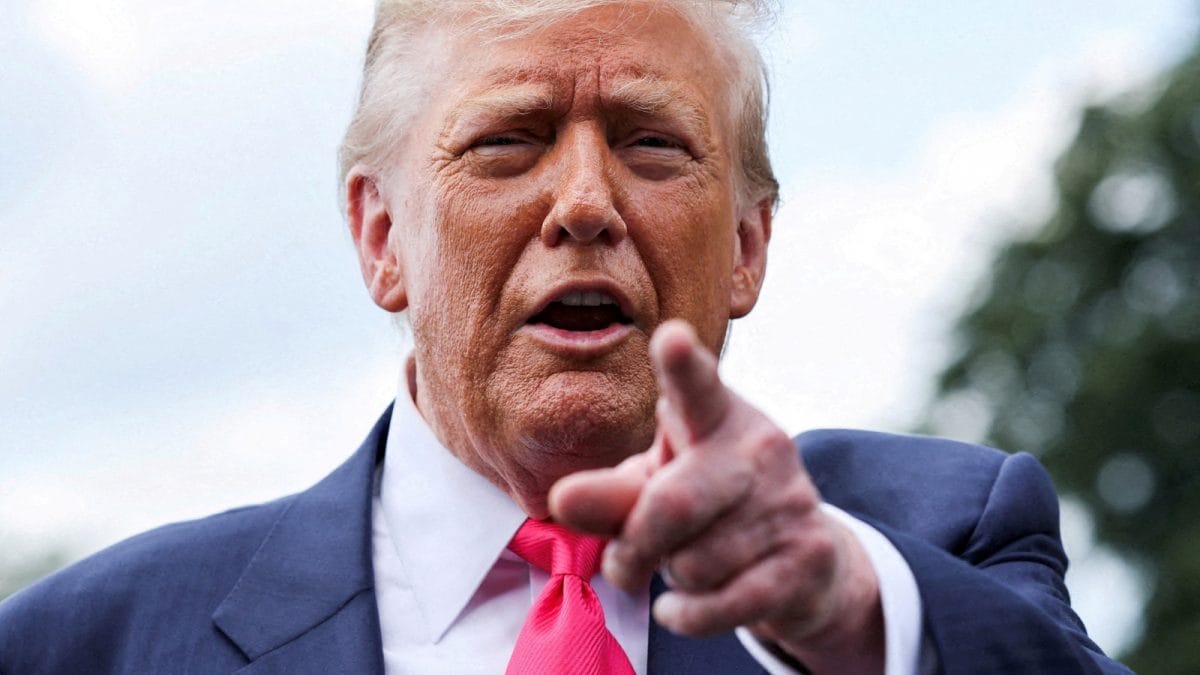
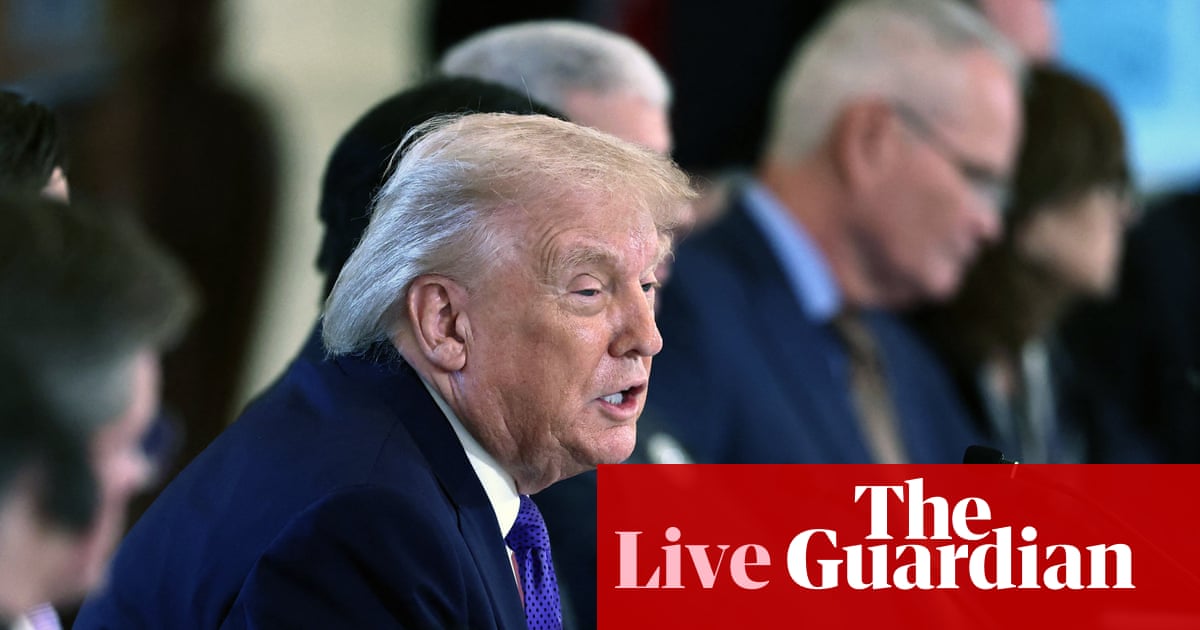
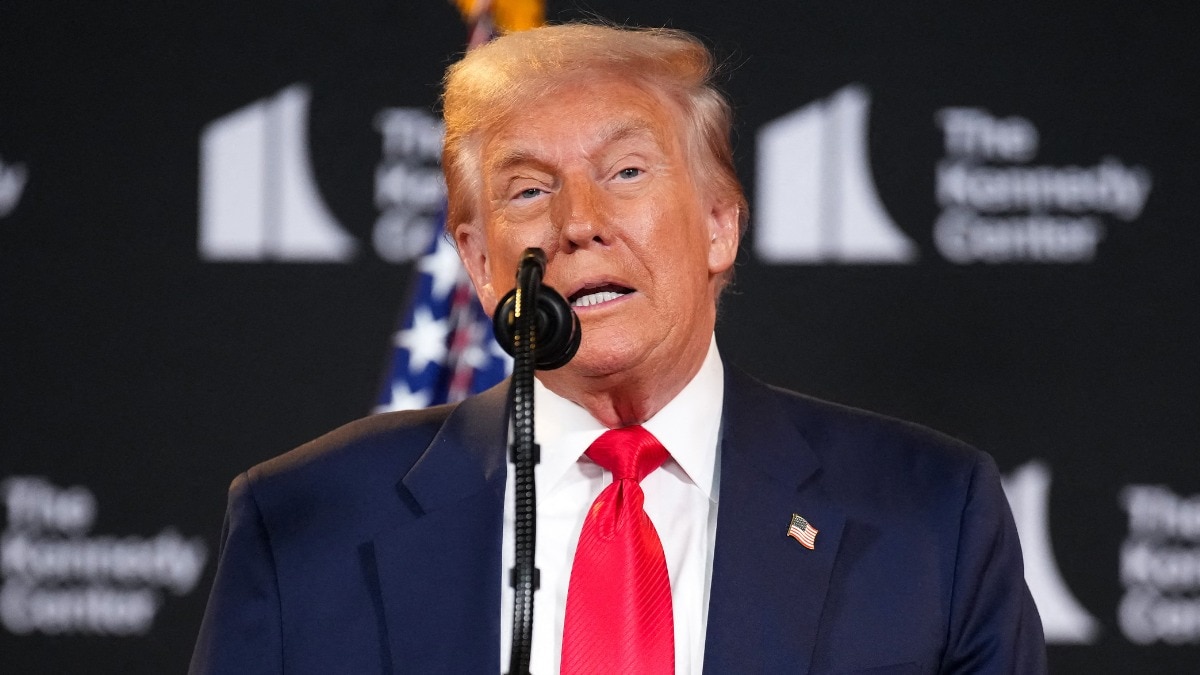
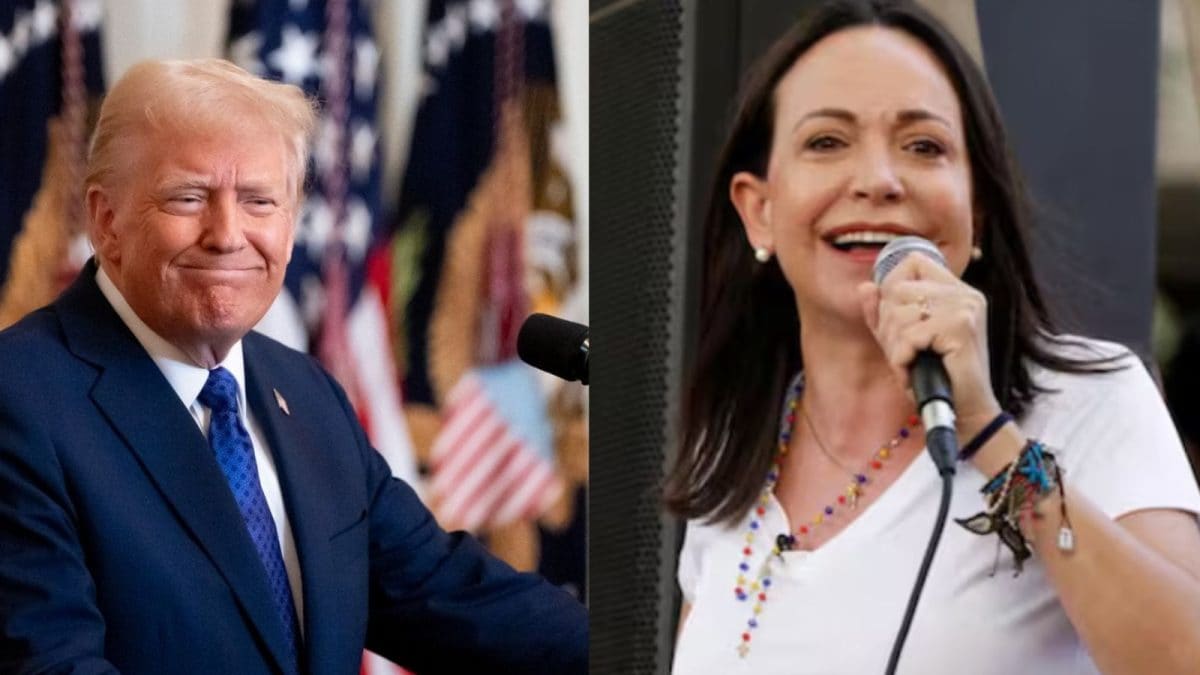
Donald Trump, CIA Director John Ratcliffe (L) and Secretary of State Marco Rubio (R) (Photos: AFP)
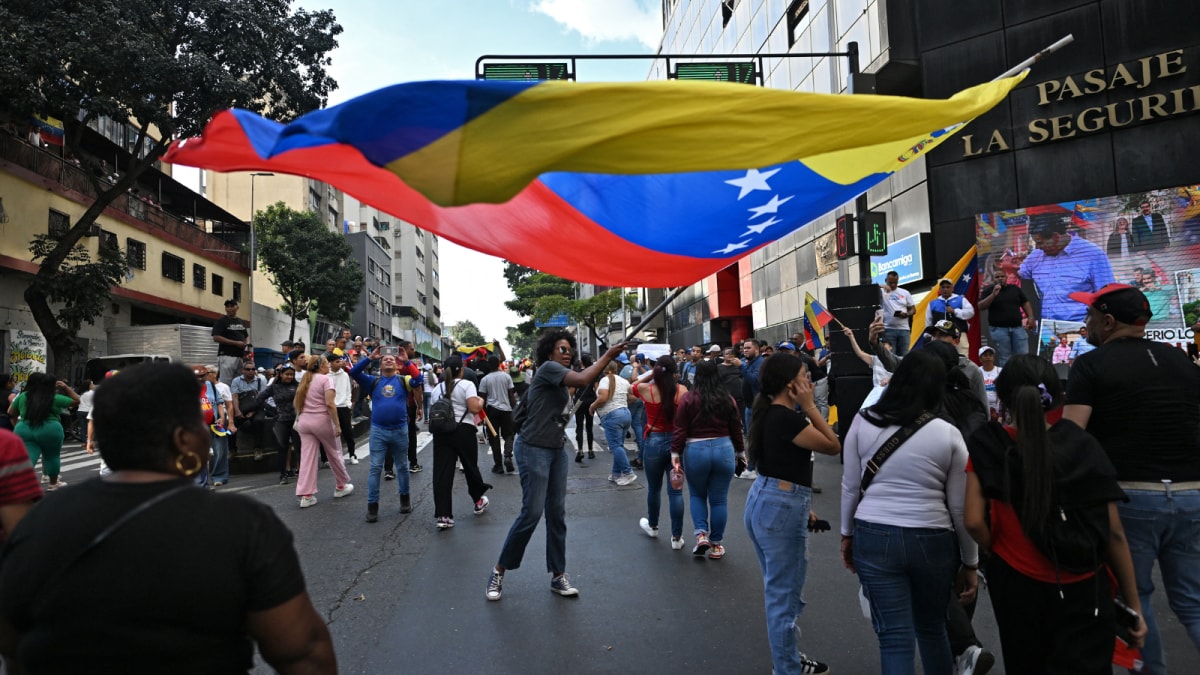
In early January 2026, the phrase ‘Donroe Doctrine’ entered international discourse as US President Donald Trump invoked it while announcing a dramatic military operation that later led to the capture of Venezuelan President Nicolas Maduro.
The term refers to a contemporary reinterpretation, and in some descriptions a revival, of the century-old ‘Monroe Doctrine’, repurposed to justify an assertive and interventionist United States policy across the western hemisphere.
This analysis explains what the Donroe Doctrine signifies, how it relates to the Monroe Doctrine of 1823, and why it has become central to current debates about US influence in Latin America.
THE MONROE DOCTRINE AND ITS EVOLUTION
The Monroe Doctrine was first articulated by former US President James Monroe during his annual message to Congress in December 1823.
It declared that the Americas (North, Central, and South America), defined as the western hemisphere, were no longer open to further European colonisation and that any interference by European powers in the affairs of independent nations in the region would be viewed as hostile to the United States.
The doctrine also stated that the United States would refrain from interfering in European wars and existing colonies while opposing any new external control in the hemisphere.
For much of the 19th and early 20th centuries, the Monroe Doctrine served as a foundational principle of US foreign policy in the Americas.
It was invoked to counter European influence and was later extended into more interventionist forms.
The Roosevelt Corollary (1904), for example, asserted a right for the United States to intervene in the domestic affairs of other western hemisphere nations to forestall European involvement, a shift toward proactive military engagement.
Throughout the 20th century, US policymakers invoked the doctrine in diverse contexts, including the Cuban Missile Crisis in 1962, where the United States forcibly opposed Soviet missile installations in Cuba, interpreting external military presence as a threat within its strategic sphere.
THE SHIFT FROM MONROE TO DONROE
The Donroe Doctrine is not a formal, codified policy like the 1823 Monroe Doctrine, but rather a nickname Trump and his allies have applied to the administration’s current approach to the western hemisphere.
Trump explicitly referenced it during briefings following the Caracas raid, suggesting that his policies represent a modernised or expanded version of the original doctrine that is more aggressive in practice.
Under this framework, the United States asserts its right to project power, politically, economically, and militarily, anywhere in the western hemisphere, asserting dominance over regional security matters and strategic assets.
A central plank of this reinterpretation is the ‘Trump Corollary’ to the Monroe Doctrine, which appears in the US Security Strategy. It positions the western hemisphere as a primary sphere of US influence, excludes external powers from gaining footholds, and frames intervention as justified when US security interests are perceived to be at stake.
The Trump administration’s rhetoric around the doctrine emphasises American pre-eminence, especially in the context of competition with global powers like China and Russia.
Trump and senior officials have indicated that actions in Venezuela and threats toward other strategic territories, including Greenland and the Panama Canal, should be understood through this doctrine, explicitly prioritising US influence over international norms or multilateral consensus.
WHY LATIN AMERICA IS CENTRAL TO THE DONROE DOCTRINE
Latin America, given its geographic proximity to the United States, its historical ties, and its strategic resources, lies at the heart of the Donroe Doctrine.
The January 2026 military action in Venezuela, described by the White House as ‘Operation Absolute Resolve’ in which Nicolas Maduro was captured by US forces, was framed by the administration as both a security necessity and a demonstration of the new doctrine in action.
Trump’s team repeatedly linked the operation to broader objectives, including combatting drug trafficking and seizing strategic energy resources, particularly Venezuela’s vast oil reserves.
Analysts note that this assertive posture differs from previous US administrations, which often couched policy toward Latin America in terms of partnership, development, or multilateral cooperation.
Under the Donroe narrative, however, nations that resist US interests, whether through alignment with rival global powers or through economic policies deemed antagonistic, may face diplomatic pressure, sanctions, or, as in Venezuela’s case, direct military action.
RISKS AND INTERNATIONAL REACTION
Critics argue that Trump’s version of the doctrine risks sliding back toward neo-imperialism, a return to an era when the United States intervened repeatedly in Latin American affairs with military force.
Historical parallels are being drawn to past US interventions in nations such as Cuba, Nicaragua, and the Dominican Republic, experiences that have left lasting scepticism of US intentions throughout the region.
Latin American governments have varied in their responses.
Some leaders and publics, particularly in nations wary of leftist regimes or external criminal cartels, have expressed cautious support for stronger security actions.
Others, including traditional partners and regional organisations, have condemned unilateral US operations as violations of sovereignty and international law, warning that they could destabilise the hemisphere and undermine regional cooperation.
ly, the invocation of a Donroe Doctrine has also drawn criticism from global powers whose presence or interests in the region are now directly challenged.
Observers say the United States risks sparking new geopolitical contention if it frames Latin America as an exclusive US sphere of influence while other major players maintain economic, diplomatic, or security ties there.
CONCLUSION
The Donroe Doctrine represents a symbolic and substantive shift in US foreign policy, rooted in the 19th-century Monroe Doctrine, adapted for the geopolitical realities of 2026.
It emphasises assertive power projection in the western hemisphere, prioritising American strategic interests often at the expense of established norms of sovereignty and multilateral cooperation.
First Published:
January 09, 2026, 15:06 IST
News world What Is Trump's 'Donroe Doctrine' And Why Latin America Is At The Centre
Disclaimer: Comments reflect users’ views, not News18’s. Please keep discussions respectful and constructive. Abusive, defamatory, or illegal comments will be removed. News18 may disable any comment at its discretion. By posting, you agree to our Terms of Use and Privacy Policy.
Read More