1 month ago
Last Updated:February 11, 2026, 07:37 IST
Donald Trump said Washington could take military action if nuclear talks with Iran fail, as the US weighs sending another aircraft carrier to West Asia.


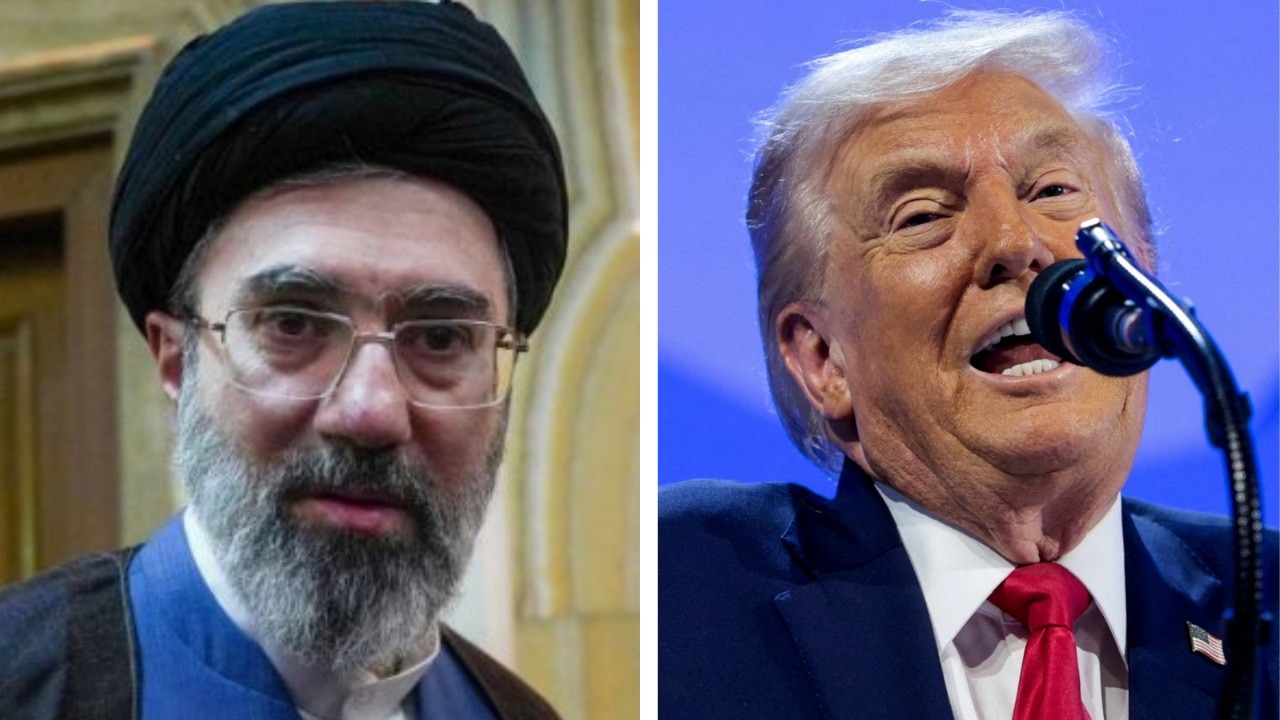
File photos of Donald Trump/Ayatollah Ali Khamenei (AP/AFP)
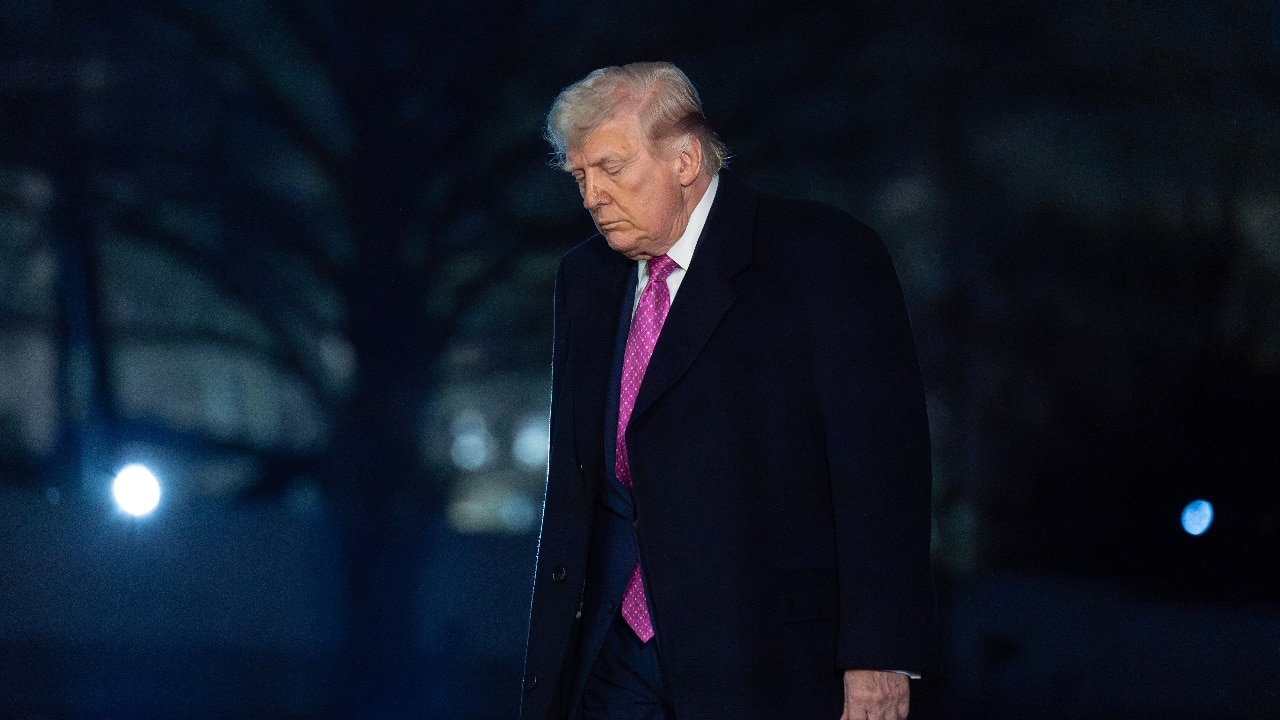
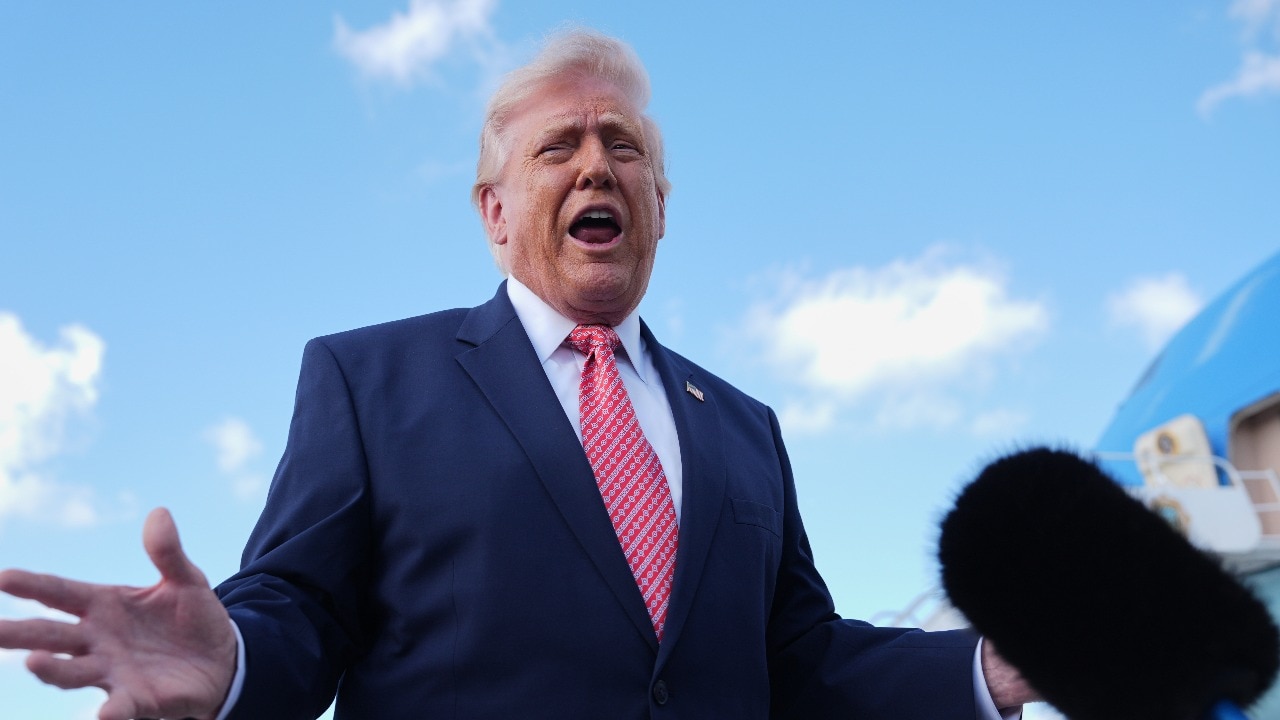
US President Donald Trump has signalled that Washington could carry out military strikes against Iran if negotiations fail, while insisting Tehran is eager to reach an agreement, remarks delivered during interviews with Israeli broadcasters and American media outlets as tensions across West Asia remain elevated.
Trump’s comments came as indirect talks between Washington and Tehran continue under regional mediation, alongside visible US military deployments and sharp warnings from Iran’s armed forces.
Speaking to the media, Trump described an expanding US naval presence in the region and suggested that force remained firmly on the table.
“As you know, we have a massive flotilla right now going over to Iran. We’ll see what happens," he said.
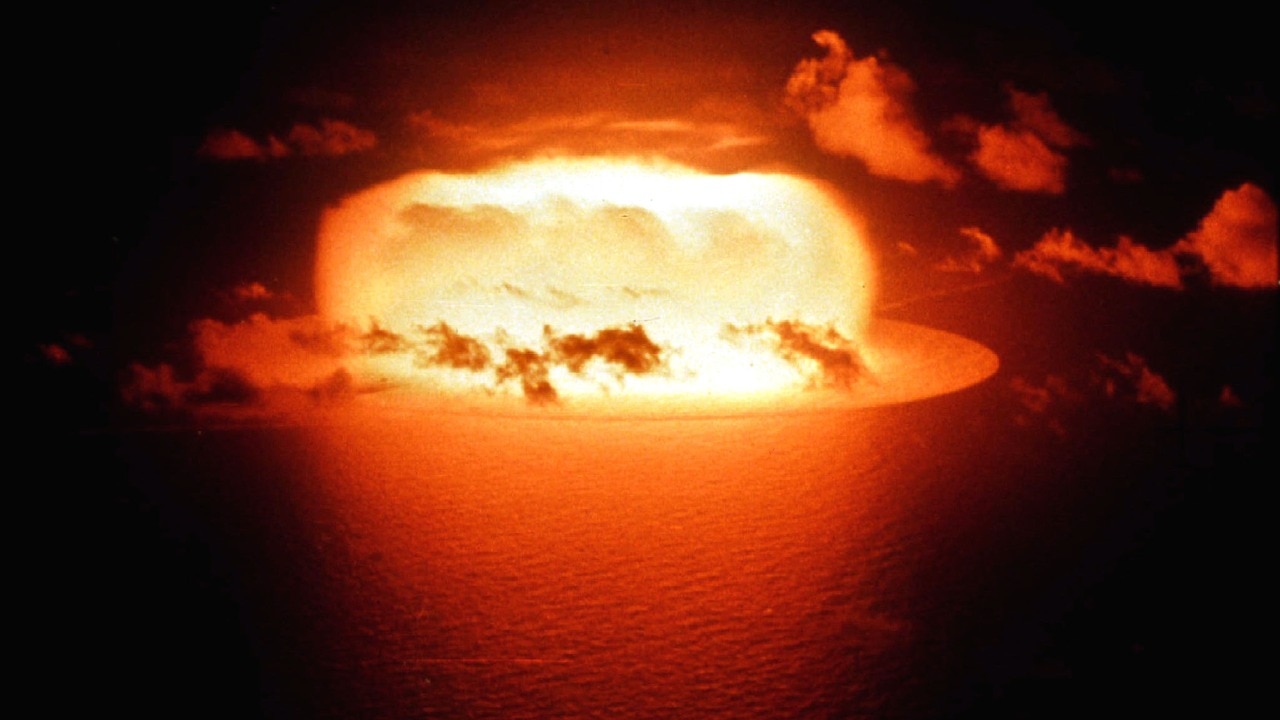
“I think they want to make a deal. I think they’d be foolish if they didn’t. We took out their nuclear power last time, and we’ll have to see if we take out more this time."
Asked whether any agreement reached with Iran’s current leadership would endure, Trump responded cautiously.
“I don’t know. I know one thing, they want to make a deal. They wouldn’t talk to anybody else, but they’re talking to me," he said, adding that any accord would need to be comprehensive.
“It’s got to be a good deal. No nuclear weapons, no missiles, no this, no that, all the different things that you want," Trump said.
Trump slammed earlier US diplomacy with Tehran, calling a previous nuclear accord “one of the dumbest deals I’ve ever seen," and accusing Iranian leaders of being “very dishonest."
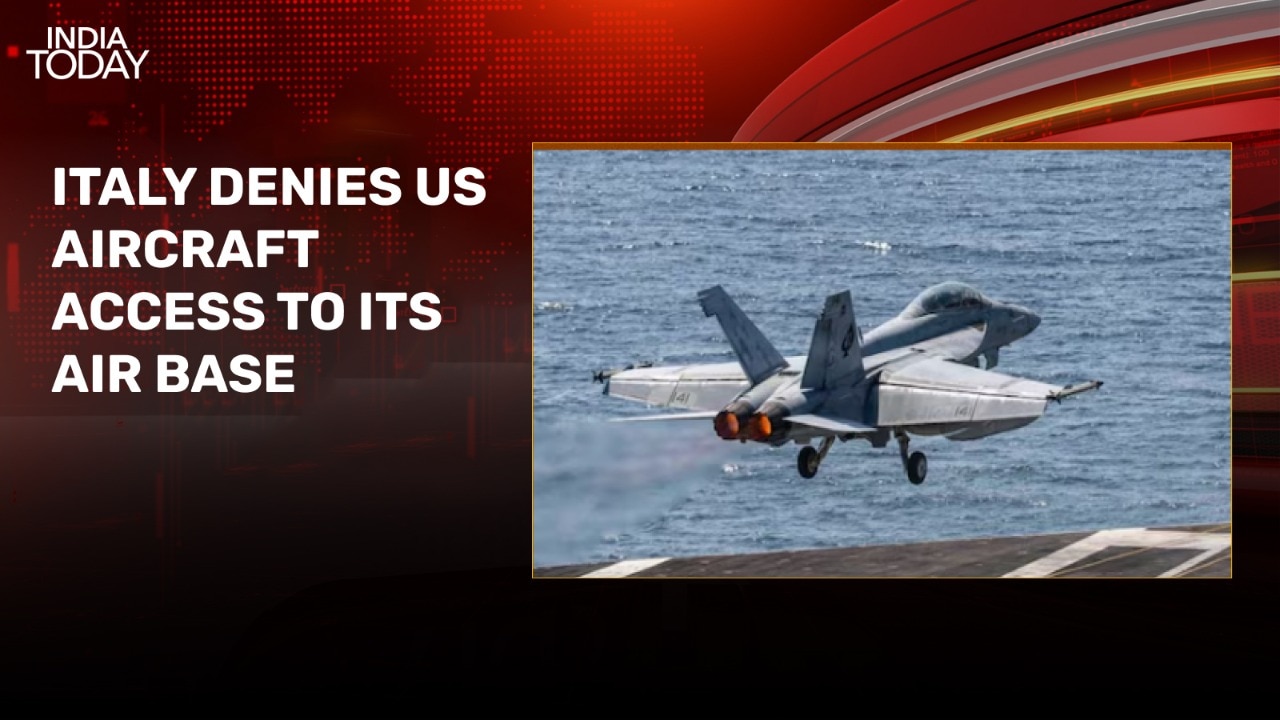
According to Reuters, Trump told Israel’s Channel 12 and Axios that he was considering sending a second US aircraft carrier to West Asia.
“Either we reach a deal, or we’ll have to do something very tough," Trump warned.
IRAN ISSUES SHARP WARNING AMID BUILD-UP
As Washington weighs additional deployments, Iran’s military leadership struck a defiant tone.
News agency ANI cited statements from the country’s armed forces vowing a “more forceful and wider" response to any threats against Iranian territory, praising national resilience and urging mass participation in rallies marking the anniversary of the Islamic Revolution.
Iran’s Supreme Leader Ayatollah Ali Khamenei also called on citizens to demonstrate unity and endurance, framing US and Israeli pressure as evidence of long-standing hostility toward the Islamic Republic.
The Iranian leadership has insisted that its missile arsenal is non-negotiable and that any nuclear compromise must be paired with the lifting of financial sanctions.
Iranian President Masoud Pezeshkian reiterated those demands, while the head of Iran’s Atomic Energy Organisation, Mohammad Eslami, said dilution of uranium enriched to 60 per cent would depend on whether “all sanctions are lifted or not."
Foreign ministry spokesman Esmaeil Baghaei said recent talks had shown enough consensus for diplomacy to continue, but warned Washington must act “independently of foreign pressures."
TALKS IN OMAN, DIPLOMATIC SHUTTLE TO QATAR
According to the Associated Press, senior Iranian official Ali Larijani travelled to Oman, which is mediating the latest round of discussions between the US and Iran.
Larijani held lengthy meetings with the country’s top leadership and the foreign minister.
Larijani was also expected to proceed to Qatar, which hosts a major US military installation and has previously played a role in regional mediation.
AP reported that Larijani likely carried Iran’s formal written response to the initial round of indirect negotiations held in Muscat last week, while Tehran reiterated its insistence on maintaining uranium enrichment — a central sticking point for Washington.
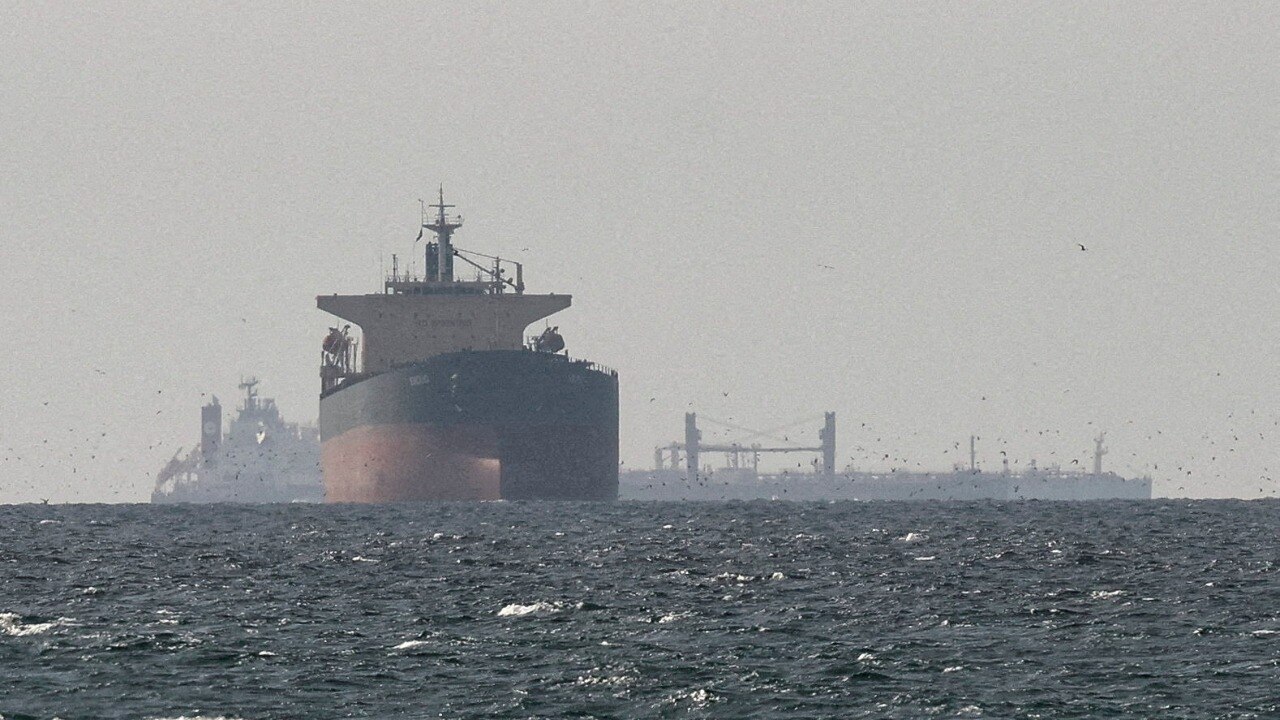
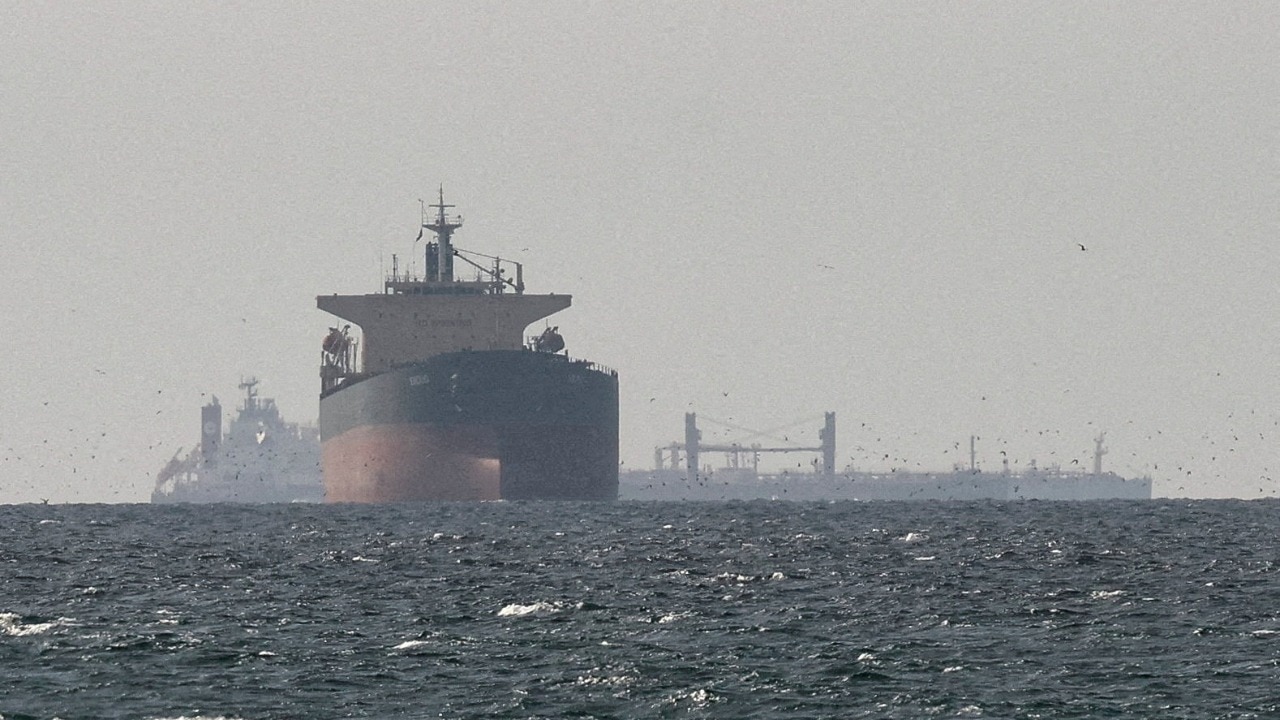
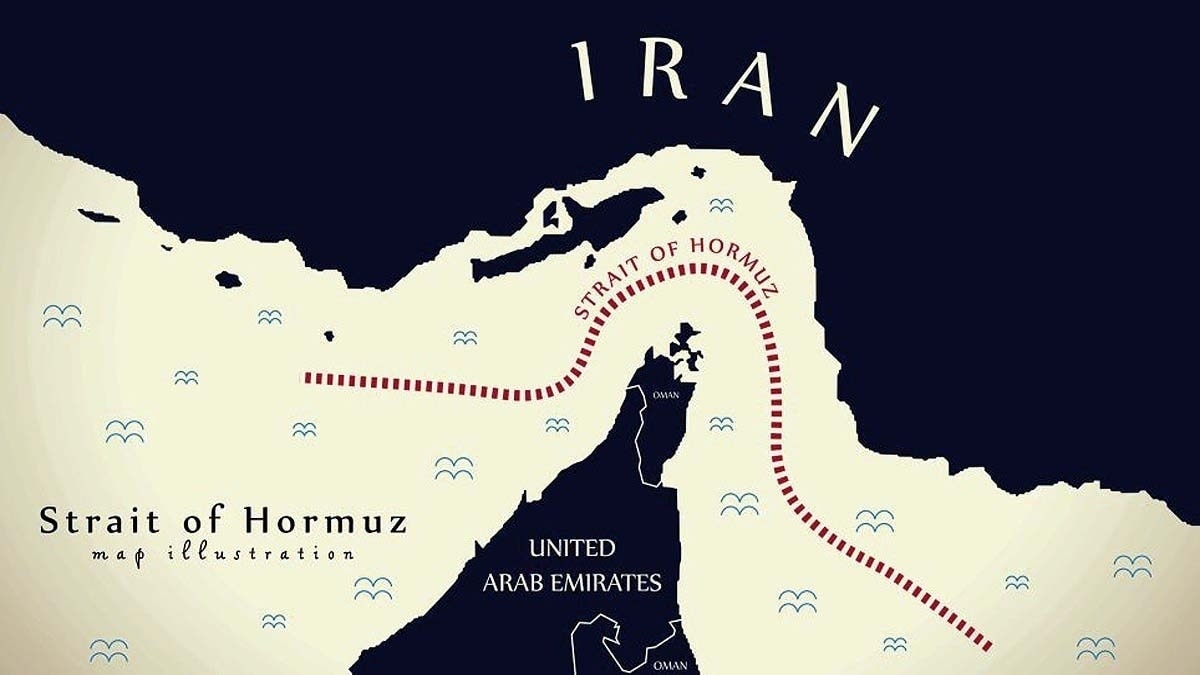
The United States has simultaneously reinforced its regional posture, deploying warships and aircraft and warning commercial vessels transiting the Strait of Hormuz to remain clear of Iranian territorial waters.
ISRAELI PRESSURE AND US RED LINES
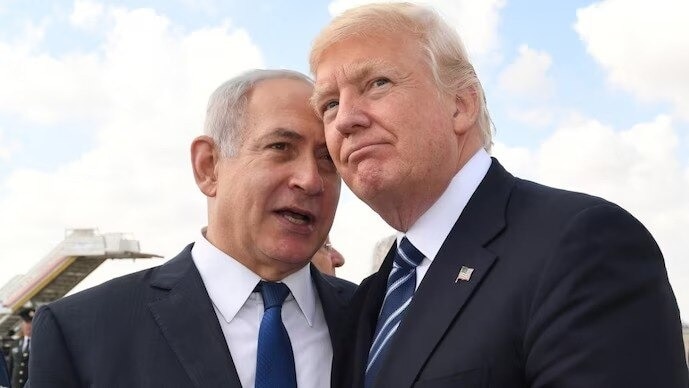
Meanwhile, Israeli Prime Minister Benjamin Netanyahu, who is in the United States, is expected to raise Iran prominently during meetings with Trump, urging that any agreement impose strict limits on Tehran’s missile capabilities.
US Vice President JD Vance said Trump would personally decide the boundaries of any potential compromise.
“I think President Trump is going to make the ultimate determination about where we draw the red lines in the negotiations," Vance said.
Handpicked stories, in your inbox
A newsletter with the best of our journalism
First Published:
February 11, 2026, 07:37 IST
News world 'We'll Have To Do Something Very Tough': Trump Warns Against Failed Negotiations With Iran
Disclaimer: Comments reflect users’ views, not News18’s. Please keep discussions respectful and constructive. Abusive, defamatory, or illegal comments will be removed. News18 may disable any comment at its discretion. By posting, you agree to our Terms of Use and Privacy Policy.
Read More