1 hour ago
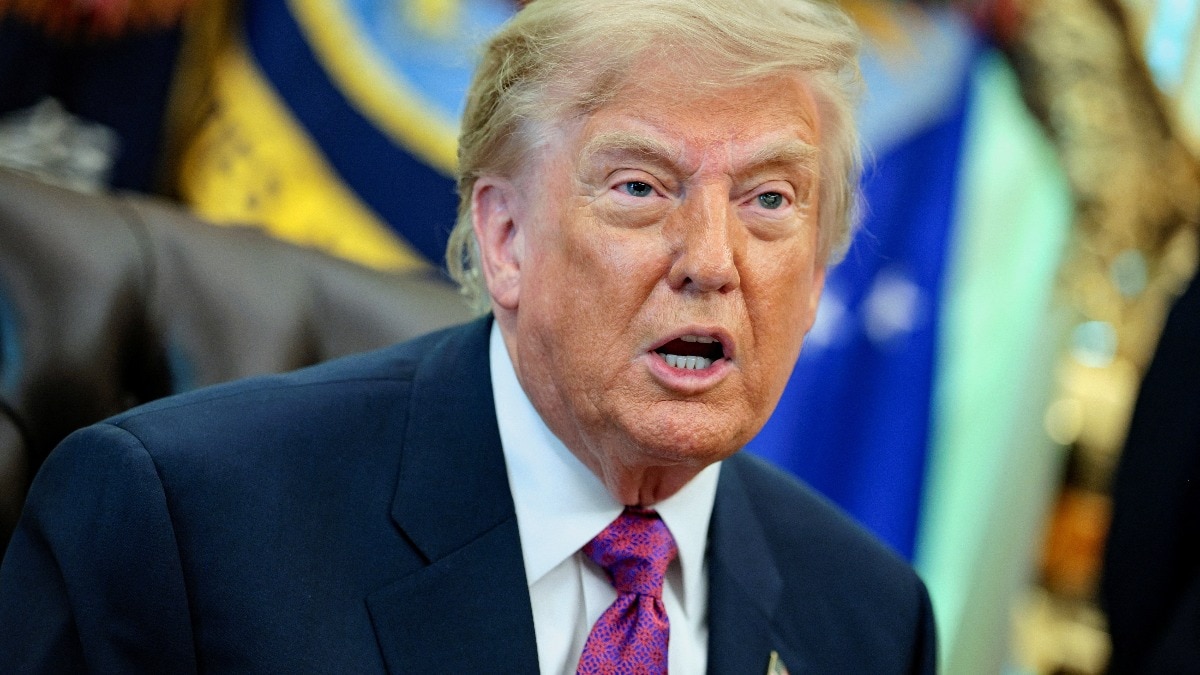
The Supreme Court allowed the Trump administration to continue the White House ballroom project while litigation proceeds. The split order keeps construction moving and sharpens questions over executive power and oversight.

Stock photo used for illustration

Washington,UPDATED: Sep 1, 2026 02:32 IST
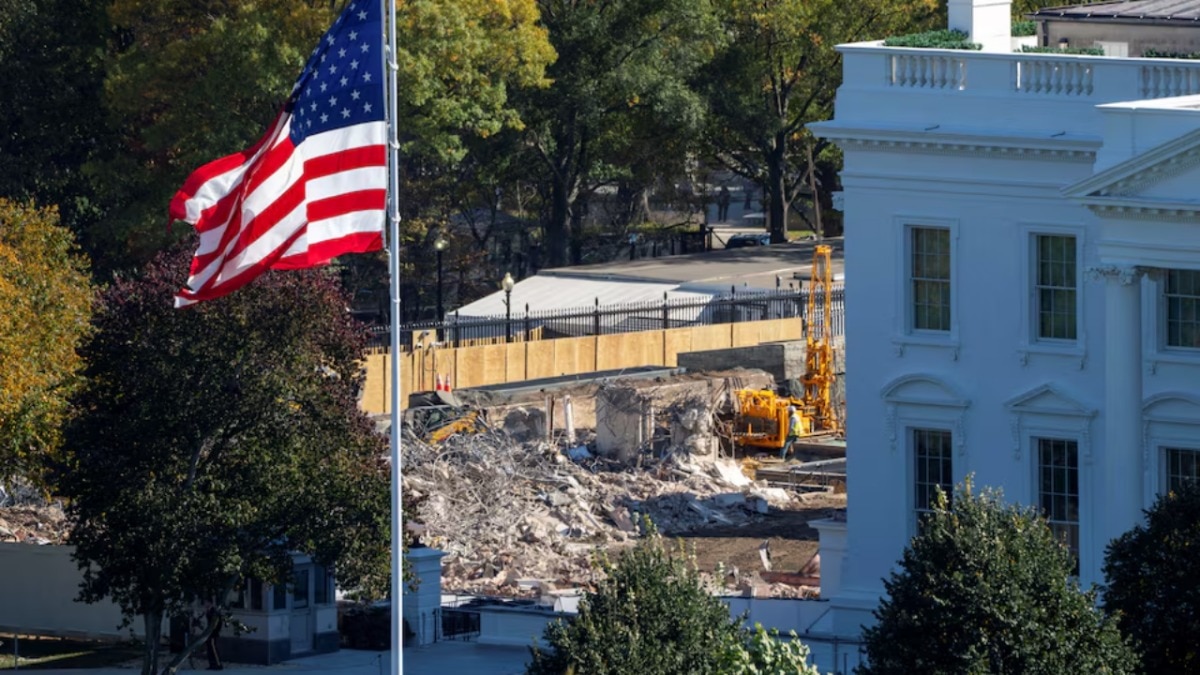
The US Supreme Court on Monday allowed the White House to continue work on a USD 400 million ballroom project while legal challenges continue, handing President Donald Trump a win as his administration pushes ahead with a major remaking of the White House complex. The order means construction can go on even though lower courts had earlier said the project should stop because it lacked congressional approval.
The court was divided. Chief Justice John Roberts, who had earlier issued a temporary order hours before a lower-court ruling was due to take effect, publicly dissented from the latest decision. He joined the court's three liberal-leaning justices, who said the construction was "likely unlawful".
The majority did not rule on whether the project itself is legal. Instead, it found that the Trust for Historic Preservation likely did not have the legal right to challenge it. The case will now return to lower courts, but court papers say key parts of the work could be finished within months, much faster than a typical legal case would take.
The Trump administration had asked the justices to step in after federal courts found the project had to be halted because it did not have congressional approval. The Trust for Historic Preservation argued that Trump had no unilateral authority to carry out the work, which has included demolishing the East Wing. The group's lawyers accused the White House of trying to "outrun the courts" by speeding up construction.
In lower courts, the administration argued that the president has full authority to renovate the White House and other federal buildings. Government lawyers said the ballroom had to be completed because of national security concerns, although those were not an initial focus when Trump announced the project and said it would be funded through private donations. The administration has said crews are working 20 hours a day on the planned 90,000-square-foot, or 8,400-square-metre, ballroom. According to court documents, the framework is expected to be completed in November, much of the facade by April, and the full project by August 2028.
US District Judge Richard Leon ordered a halt in April to above-ground construction of the ballroom, though he allowed work on bunkers and military installations below ground to continue. Leon was nominated by former president George W Bush. That ruling was first suspended and then upheld by a divided appeals court panel. Two judges appointed by Democratic presidents said the project was for Congress to decide and was "not a matter for Executive self-help". A third judge, appointed by Trump, said the preservation group had no legal right to sue. Solicitor General D John Sauer repeated that point before the Supreme Court and called the order stopping the work "extraordinary and unlawful". He also said completion of the project was "vitally required by national security".
The ruling is the latest in a series of emergency-docket victories for the administration at the Supreme Court, although the justices have also ruled against some of Trump's key policies after fuller review. For now, the ballroom project will continue as the legal fight returns to the lower courts.
With PTI Inputs
- Ends
Published By:
India Today Web Desk
Published On:
Sep 1, 2026 02:32 IST