1 month ago
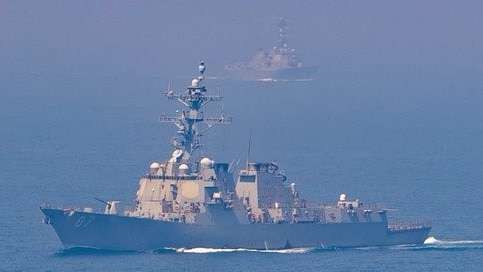
Several countries, including some very close allies of the US, have appeared evasive on US President Donald Trump's open call to nations to send warships to enable container vessels to pass through the Strait of Hormuz unharmed.
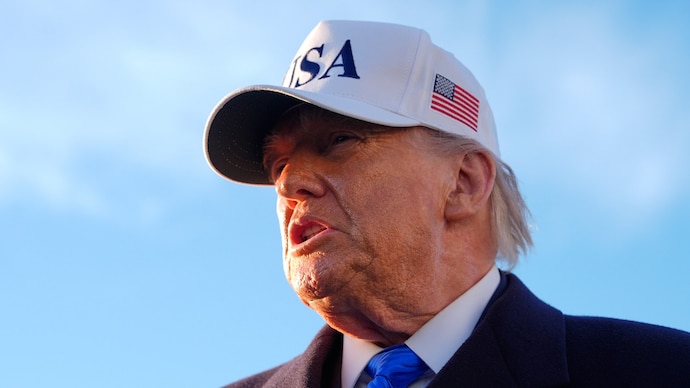
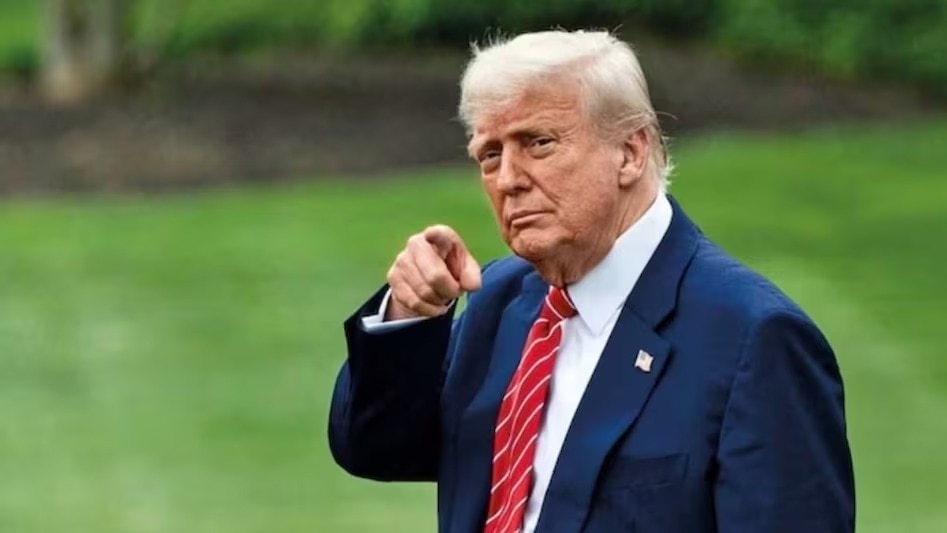
US President Donald Trump has already called for the deployment of a multilateral naval coalition in the Strait of Hormuz. (AP photo)

New Delhi,UPDATED: Mar 16, 2026 04:26 IST
The US plans to announce as early as the upcoming week that multiple countries have agreed to form a coalition that will escort ships through the Strait of Hormuz, the Wall Street Journal (WSJ) reported on Sunday, citing unnamed American officials.
They reportedly said discussions were still underway as to when those operations would begin, before or after the end of the current hostilities in the Middle East.
The White House declined to comment, WSJ said. The media outlet noted that battlefield conditions could influence the exact timing of the potential announcement.
COUNTRIES EVASIVE ON TRUMP'S CALL
Several countries, including some very close allies of the US, have appeared evasive on US President Donald Trump's open call to nations to send warships to enable container vessels to pass through the Strait of Hormuz unharmed.
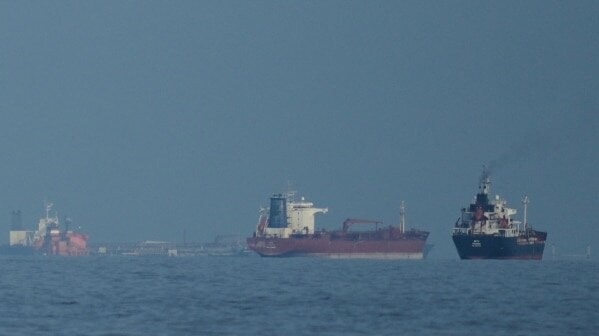
The strategic waterway, which has been effectively closed since the first week of March in the wake of the ongoing war between Iran and the joint front of Israel and the US, is a vital choke point through which about 20 per cent of the world's oil passes.
The disruption to movement of merchant ships through the strait has sent fuel prices soaring across the world.
China, France, Japan, South Korea and the UK were particularly highlighted in Trump's appeal for the deployment of a multilateral naval mission to the Strait of Hormuz.
US Energy Secretary Chris Wright on Sunday told NBC he has been "in dialogue" with some of the countries mentioned by the president, and said he expected China "will be a constructive partner" in reopening the strait.
However, there has been a lack of concrete public commitment from governments.
The UK said Prime Minister Keir Starmer on Sunday discussed with Trump the importance of reopening the Strait of Hormuz "to end the disruption to global shipping", and spoke with his Canadian counterpart, Mark Carney, about it separately.
Meanwhile, China's embassy to the US said "all parties have the responsibility to ensure stable and unimpeded energy supply" and that Beijing would "strengthen communication with relevant parties" for de-escalation of the conflict.
South Korea's Foreign Ministry said it "takes note" of Trump’s appeal and that it "will closely coordinate and carefully review" the situation with Washington.
Expectations are high that Trump will ask Japan directly when the Asian country's prime minister, Sanae Takaichi, meets him later this week at the White House.
France previously said it is working with countries — President Emmanuel Macron mentioned partners in Europe, India and Asia — on a possible international mission to escort ships through the strait but has stressed it must be when "the circumstances permit," when fighting has subsided.
Germany's Foreign Minister Johann Wadephul, on the other hand, told local media: "Will we soon be an active part of this conflict? No." The remarks signalled a high level of reluctance by Berlin to partake in the proposed mission.
STRAIT OF HORMUZ: MOUNTING RISKS
Ever since Iran has warned merchant ships against attempting to cross the Strait of Hormuz, maritime traffic in the region has come to a near-standstill.
Last week, explosive-laden boats, allegedly deployed by Iranian forces, attacked two fuel tankers in Iraqi waters, setting them ablaze and killing one crew member, who was an Indian national.
- Ends
(With inputs from agencies)
Published On:
Mar 16, 2026 04:26 IST
Tune In