1 hour ago
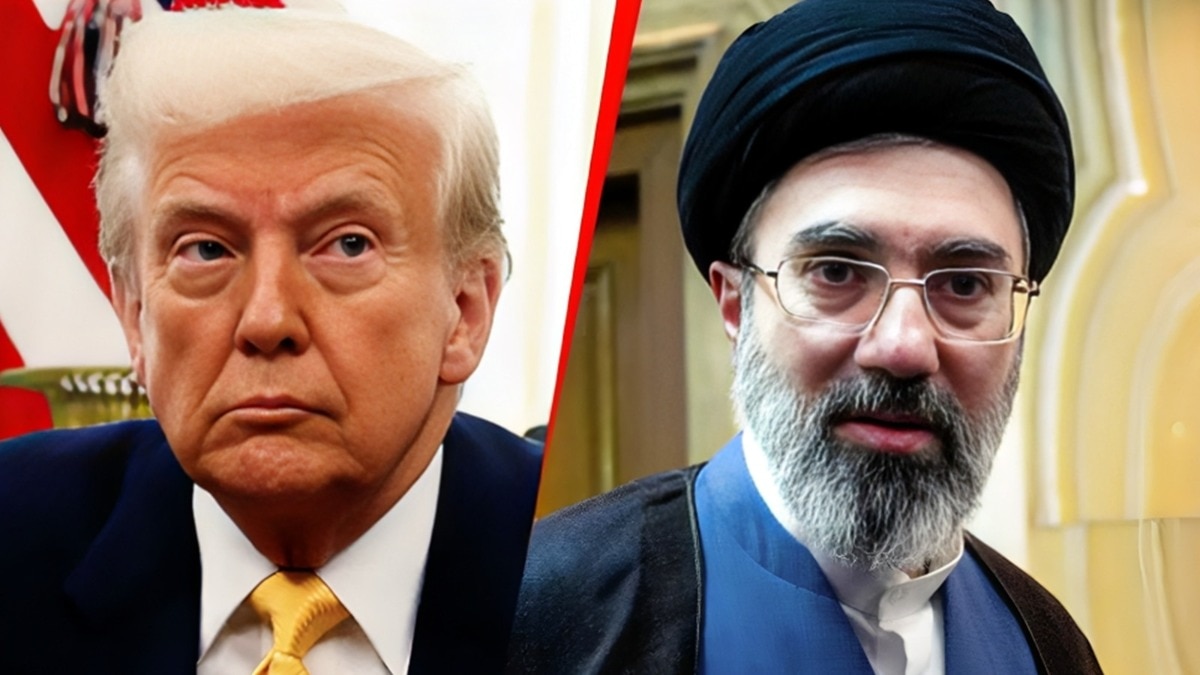
US Vice President JD Vance said deep mistrust between Washington and Tehran remains the biggest obstacle to peace, warning it cannot be resolved quickly. Still, he said Iranian negotiators want a deal, signalling cautious optimism as Pakistan-hosted talks to end the war may resume soon.
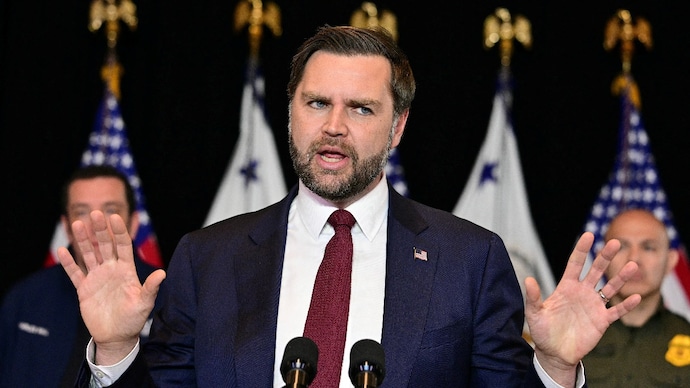
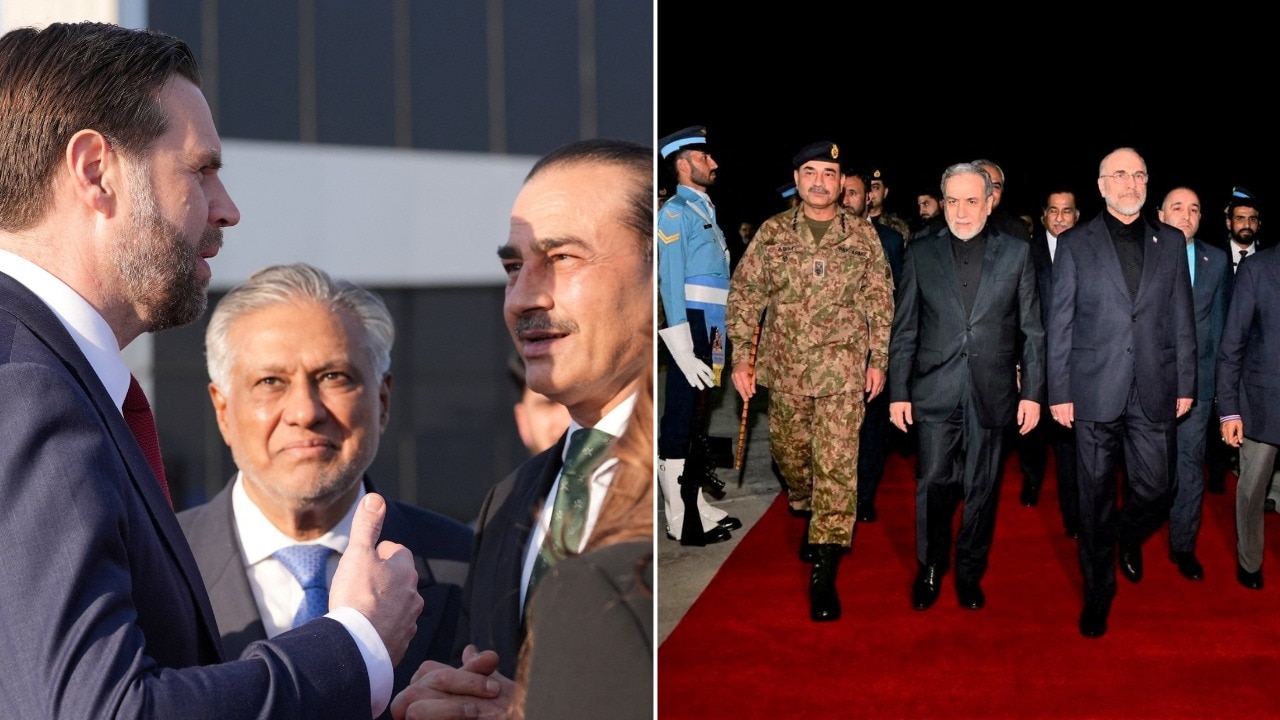
US Vice President JD Vance said on Tuesday that deep mistrust between Washington and Tehran remains the biggest challenge in efforts to turn a fragile ceasefire into a broader peace agreement (Reuters photo)

UPDATED: Apr 15, 2026 05:14 IST
US Vice President JD Vance said on Tuesday that deep mistrust between Washington and Tehran remains the biggest challenge in efforts to turn a fragile ceasefire into a broader peace agreement, even as both sides appear willing to continue negotiations.
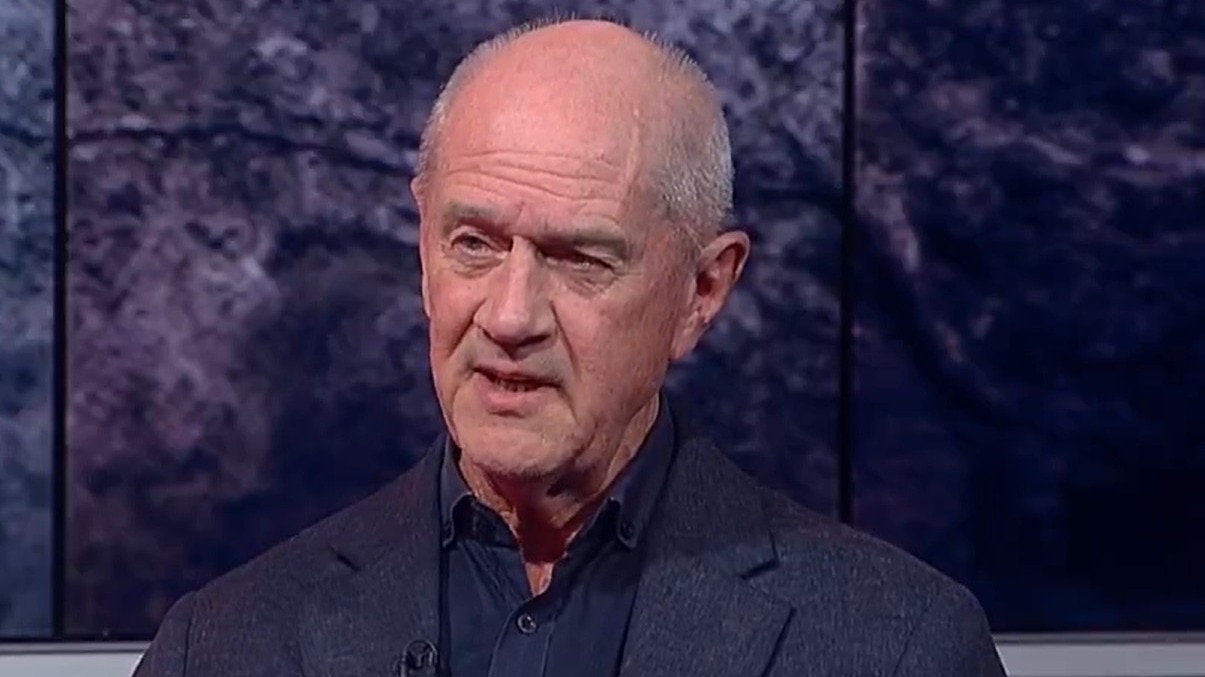
“There is a lot of, of course, mistrust between Iran and the United States of America. You are not going to solve that problem overnight,” Reuters quoted Vance’s statement during a Turning Point USA event.
His remarks underscored the central diplomatic hurdle after weekend talks in Pakistan failed to produce a breakthrough despite more than 21 hours of negotiations. Still, Vance said Iranian negotiators wanted to make a deal and added that he felt “very good about where we are,” signalling that the door to diplomacy remains open.
PAKISTAN REMAINS THE NEXT DIPLOMATIC VENUE
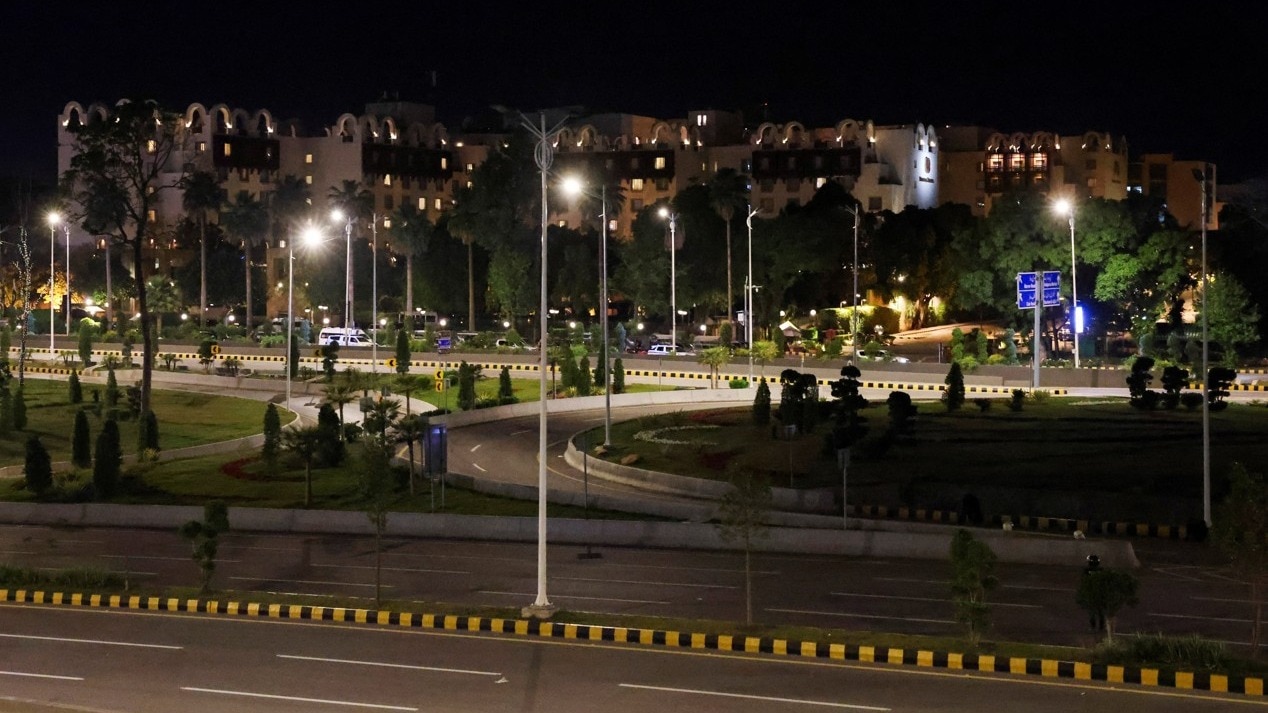
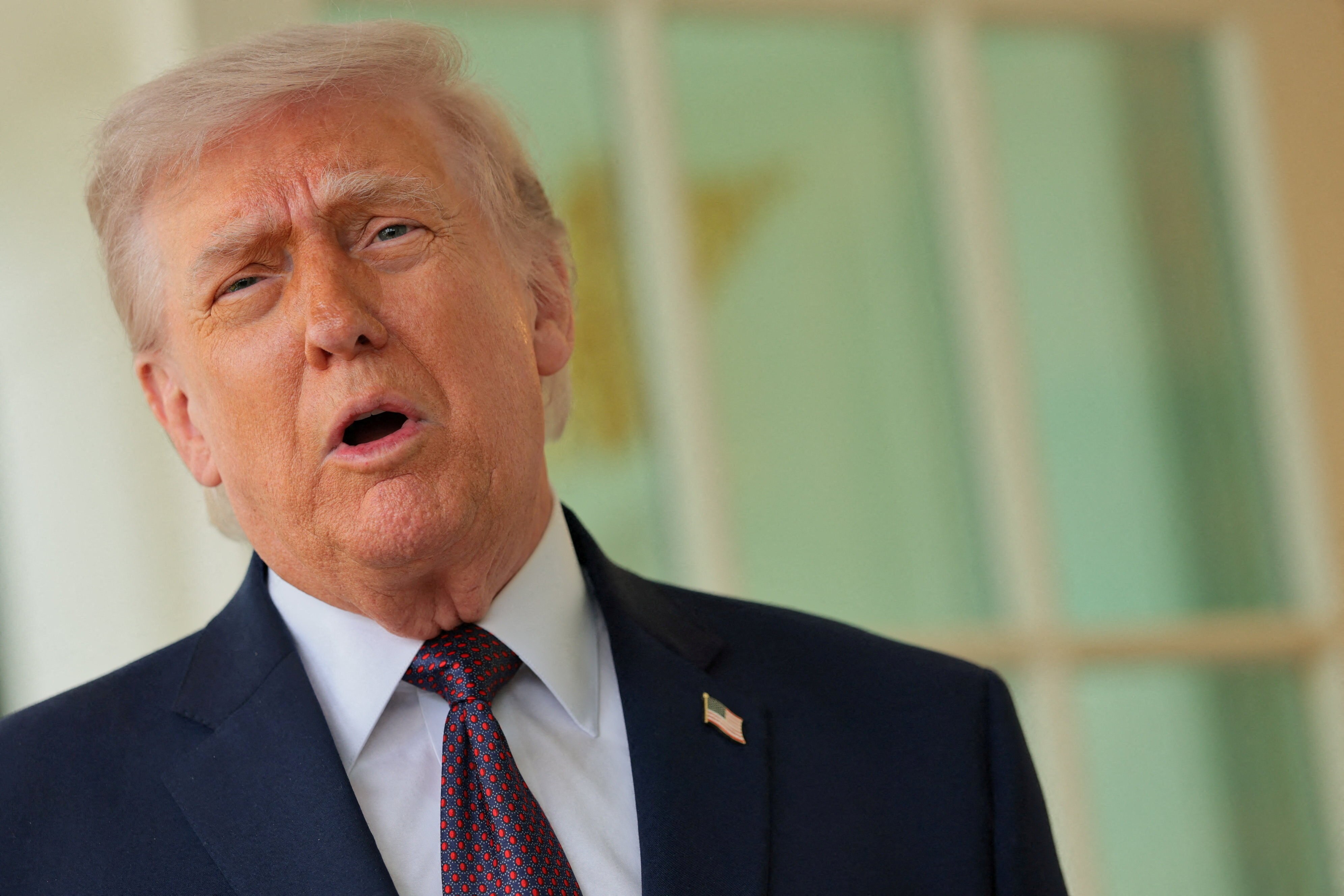
The statement comes as President Donald Trump said talks to end the Iran war could resume in Pakistan within the next two days, keeping Islamabad at the centre of high-stakes backchannel diplomacy.
Pakistan hosted the previous round of direct US-Iran engagement, where Vance led the American delegation in the highest-level face-to-face talks between the two sides in decades. Although the negotiations collapsed without a deal, both sides stopped short of abandoning the process altogether.
Diplomatic sources suggest the ceasefire, which still has roughly a week remaining, has created a narrow window for negotiators to test whether confidence-building steps can evolve into a larger political settlement.
NUCLEAR FREEZE PROPOSAL EXPOSED GAP
A major sticking point in the Pakistan talks was Iran’s nuclear programme, where Washington proposed a 20-year uranium enrichment moratorium while Tehran countered with a five-year freeze.
The near-compromise briefly raised hopes of an interim deal, but the gap over the duration of restrictions, verification measures, and long-term guarantees ultimately proved too wide.
Vance’s comments on mistrust reflect this deeper issue, neither side is yet convinced the other is ready to commit to durable concessions beyond the immediate ceasefire period.
US BLOCKADE RAISES PRESSURE AHEAD OF NEXT ROUND
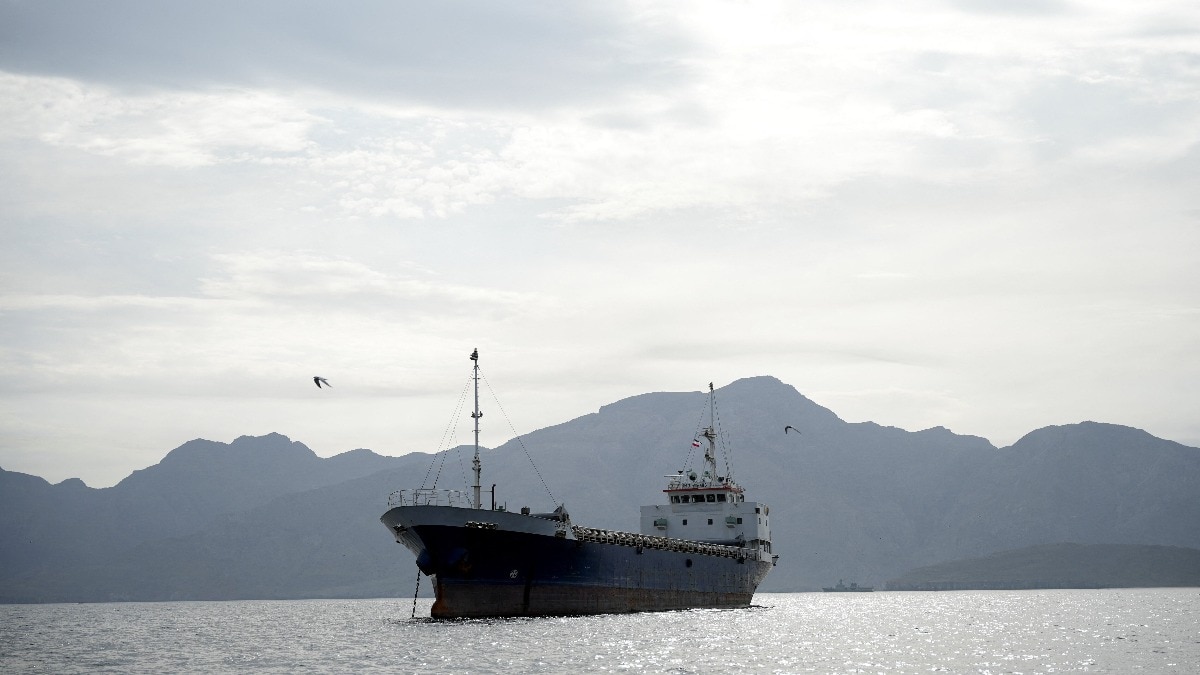
The collapse of the Pakistan talks prompted Washington to begin enforcing a blockade on vessels entering and leaving Iranian ports through the Strait of Hormuz, sharply escalating economic and military pressure on Tehran.
The move has raised fears of wider regional tensions and fresh disruption to global oil shipments, while also increasing the urgency for both sides to return to the negotiating table.
The blockade is designed to strengthen Washington’s leverage before any resumed talks, though it also risks hardening Iran’s negotiating position.
NARROW PATH TO PEACE REMAINS OPEN
For now, Vance’s acknowledgement of long-standing mistrust, paired with his optimism about continued engagement, suggests Washington still sees a realistic chance for diplomacy despite the failed first round.
The coming days may determine whether both sides can convert ceasefire diplomacy into a broader deal, or whether mistrust, once again, pushes the conflict back towards escalation.
- Ends
Published By:
Zafar Zaidi
Published On:
Apr 15, 2026 05:14 IST