2 hours ago
Saudi Arabia is urging the US to lift its Hormuz blockade and resume Iran talks, warning escalation could disrupt Red Sea routes and trigger wider global energy and shipping crises.
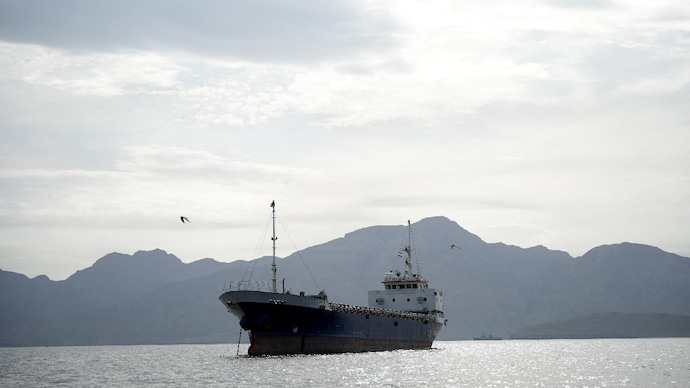
Before hostilities began on February 28, the Strait of Hormuz handled an average of around 100 to 138 vessels per day.

UPDATED: Apr 15, 2026 00:56 IST
Saudi Arabia is urging the United States to abandon its blockade of the Strait of Hormuz and return to negotiations with Iran, warning that the strategy risks triggering a wider regional and economic crisis, according to a report by The Washington Post.
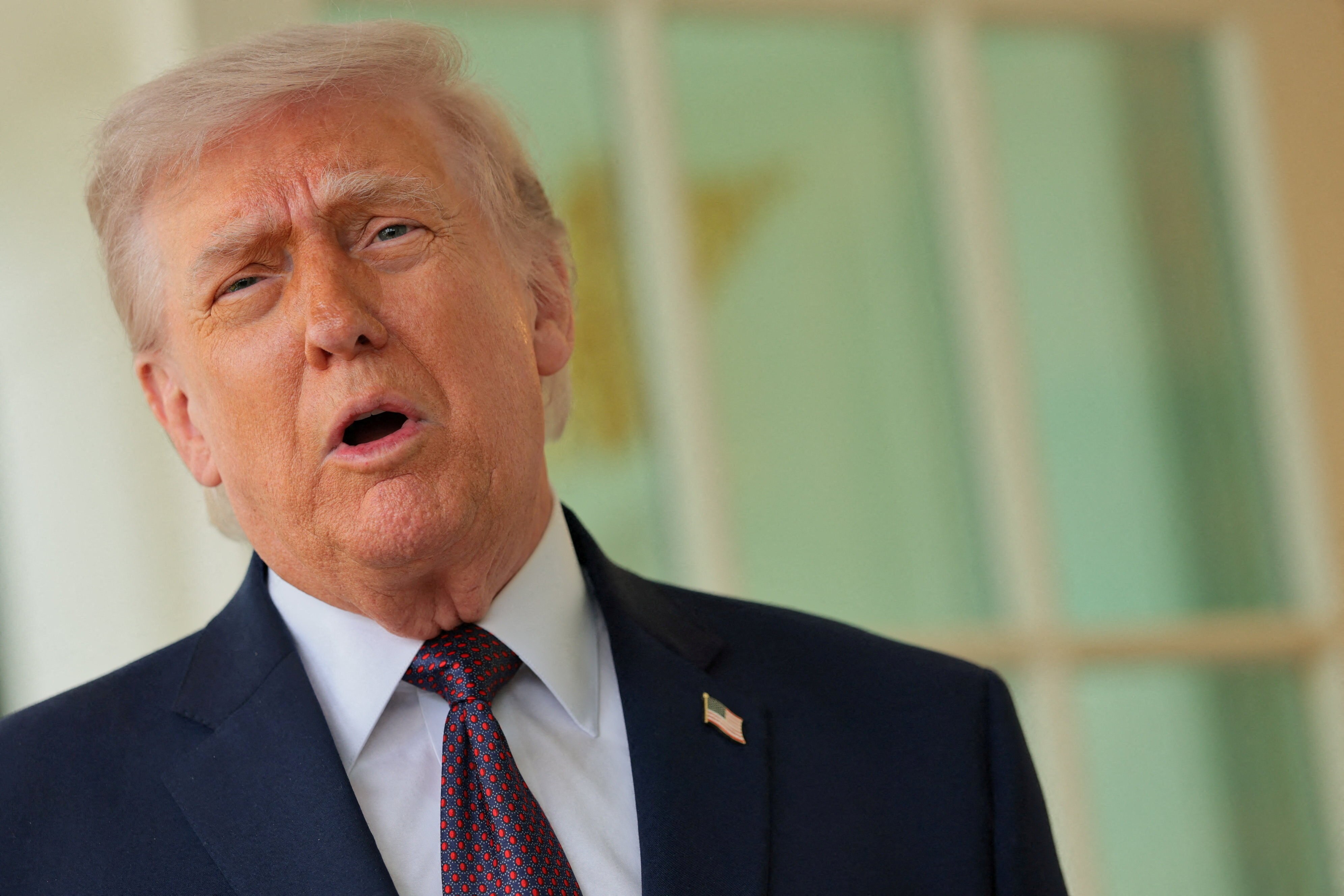
Arab officials told the publication that Riyadh fears the blockade — ordered under Donald Trump — could provoke Tehran into retaliating beyond the Gulf, potentially disrupting other critical shipping routes.
At the heart of Saudi concerns is the possibility that Iran could target the Bab al-Mandeb strait, a key Red Sea chokepoint through which much of the kingdom’s remaining oil exports flow.
“If Iran does want to shut down Bab al-Mandeb, the Houthis are the obvious partner to do it,” said Adam Baron, a Yemen expert, noting that the group has already demonstrated its capacity during the Gaza conflict.
The US blockade, which came into effect on Monday, is aimed at squeezing Iran’s already weakened economy after Tehran moved to shut the Strait of Hormuz earlier in the conflict.
That closure has already halted around 13 million barrels of oil per day, pushing global crude prices above $100 per barrel and rattling energy markets worldwide.
Saudi Arabia has managed to maintain exports of roughly seven million barrels a day by rerouting crude across the desert to Red Sea terminals. But that workaround could collapse if the Bab al-Mandeb corridor is also disrupted.
Iran has signalled that such escalation is possible.
Ali Akbar Velayati, a senior adviser to Iran’s Supreme Leader, warned that Tehran views Bab al-Mandeb “in the same way it views Hormuz,” adding that any repeat of US “mistakes” could disrupt global trade flows.
Iran’s armed forces issued a blunt warning: “If the security of Iran’s ports is threatened, no port will be safe.”
PRESSURE BUILDS FOR DIPLOMACY
The Saudi push reflects growing unease among Gulf states over the direction of the conflict. While they oppose Iran’s control over the Strait of Hormuz, they are equally wary of a prolonged confrontation that could damage their own economies.
According to the The Washington Post report, Riyadh is now pressing Washington to prioritise diplomacy and reopen talks with Tehran, rather than escalate military pressure.
The blockade followed failed weekend negotiations, with the White House defending the move as necessary to ensure free navigation.
“President Trump has made clear that he wants the Strait of Hormuz fully open,” said White House spokeswoman Anna Kelly, adding that the US is acting to prevent Iran from “extorting” global energy flows.
A FRAGILE BALANCE
The crisis has exposed the vulnerability of global energy infrastructure, particularly in West Asia where nearly 20% of the world’s oil and LNG supplies pass through Hormuz.
For years, Gulf states maintained a cautious balance with Iran to protect shared economic interests. That equilibrium now appears to be breaking down under the weight of military escalation.
Saudi Arabia’s intervention highlights a key reality: while the US seeks to pressure Iran, even its closest regional allies fear the consequences of pushing too far.
- Ends
Published By:
Nitish Singh
Published On:
Apr 15, 2026 00:56 IST