 2 hours ago
After marathon talks in Islamabad failed to produce a breakthrough, US and Iran are considering a fresh round of direct negotiations, the Associated Press reported, adding that key details including venue and timing have not been finalised yet.
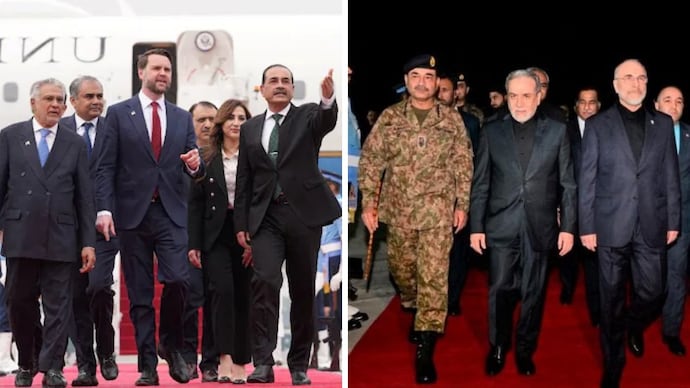
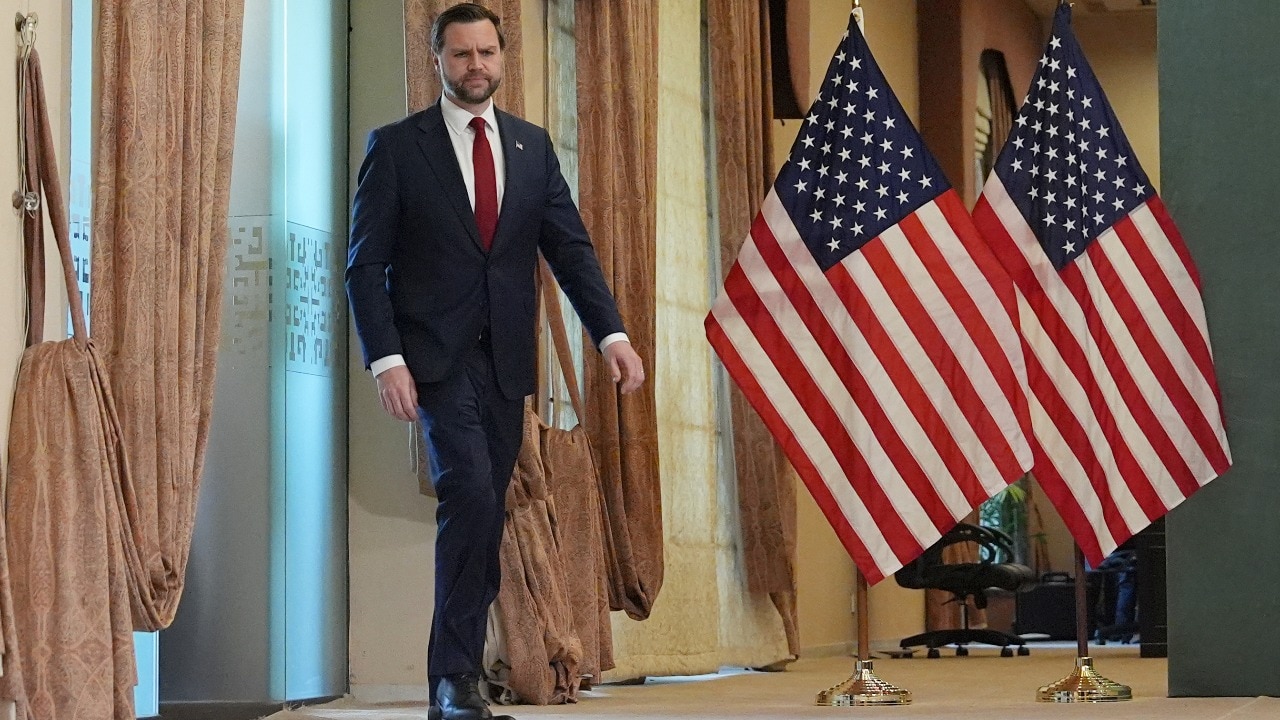
According to officials, Islamabad is once again being considered as a possible venue, while Geneva has also emerged as an alternative location. (Photo: Reuters)

New Delhi,UPDATED: Apr 14, 2026 09:07 IST
A new round of US-Iran negotiations could take place as early as Thursday, according to the Associated Press, as both sides weigh fresh in-person talks aimed at reaching a deal before a ceasefire expires next week.
The development comes after marathon negotiations over the weekend in Islamabad ended without a breakthrough despite nearly 21 hours of discussions involving multiple mediators.
The AP report said that both sides are actively considering another round of direct talks, citing two US officials and a person familiar with the matter, while a diplomat from a mediating country went further, saying Tehran and Washington had already agreed in principle to meet again.
However, all sources stressed that discussions remain fluid and no final decision has been made on timing, delegation level or format.
According to officials, Islamabad is once again being considered as a possible venue, while Geneva has also emerged as an alternative location. If confirmed, the meeting could take place on Thursday, though arrangements remain at an early stage.
The report follows earlier reporting by CNN that Washington is preparing for a possible second round of direct talks with Iran after the failed Islamabad negotiations over the weekend.
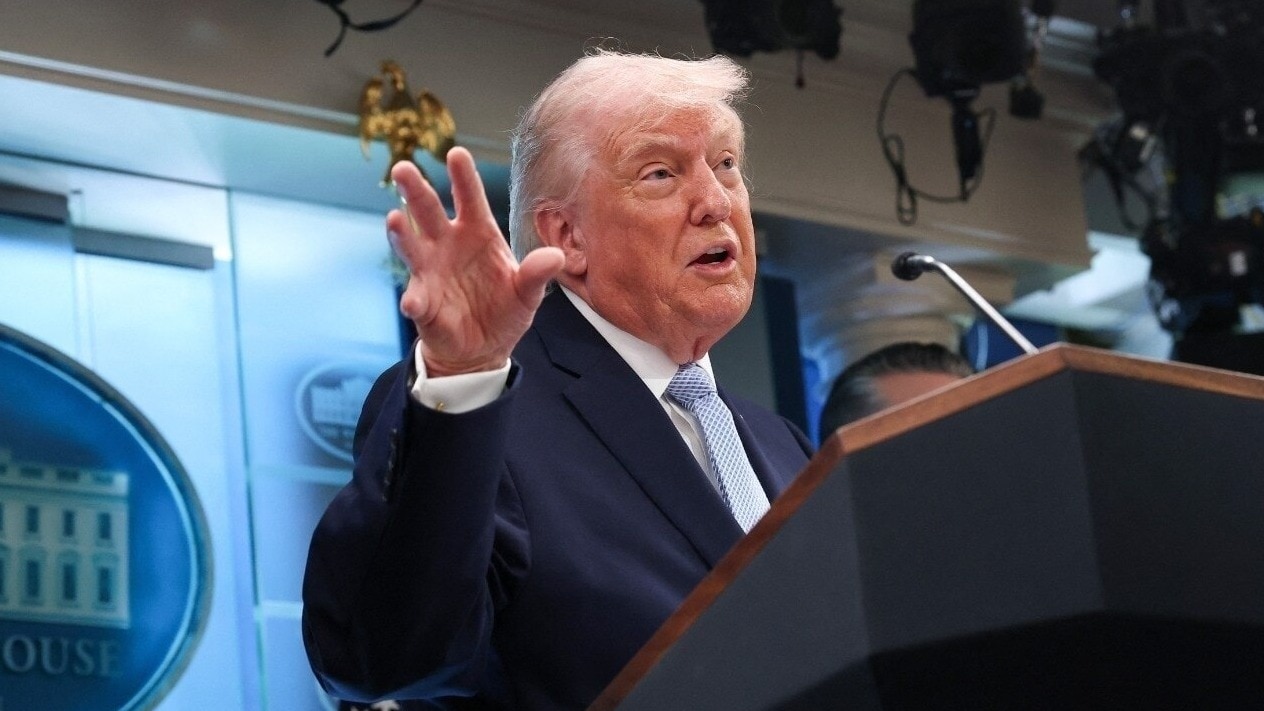
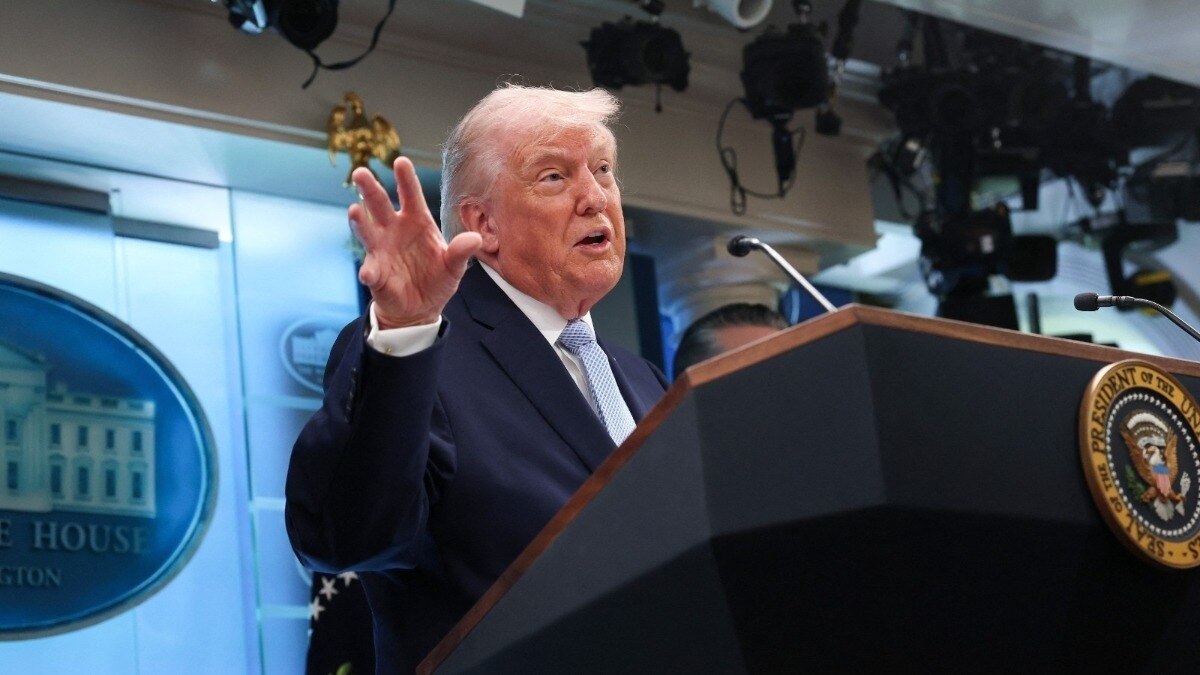
According to the report, people familiar with the discussions, said US President Donald Trump has signalled he is open to resuming talks if Tehran demonstrates willingness to meet Washington’s demands.
Earlier, on Monday, Trump told reporters that the US had been contacted by the other side and that Iran “wants to work a deal,” without providing further details.
The Islamabad talks, which lasted nearly 21 hours, involved mediators from Pakistan, Turkey, Egypt and Oman. Despite the lengthy discussions, both sides failed to reach an agreement, though officials described the meeting as only one step in a broader negotiation process.
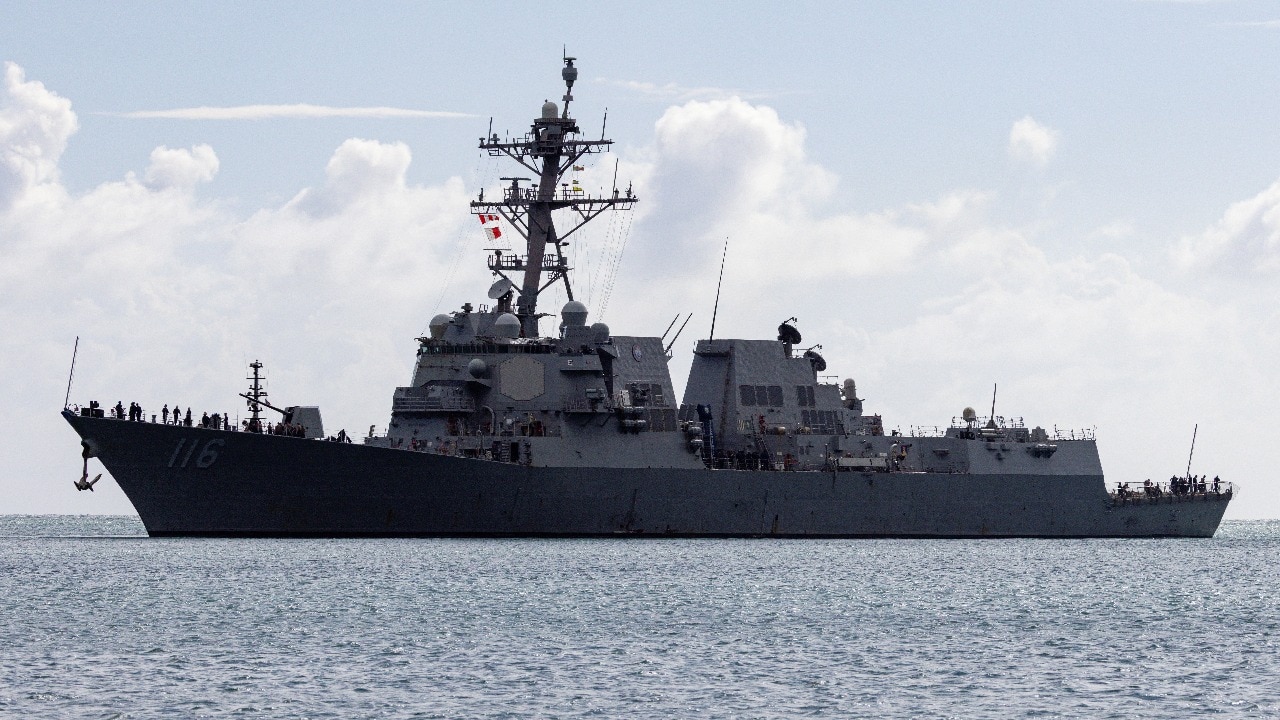
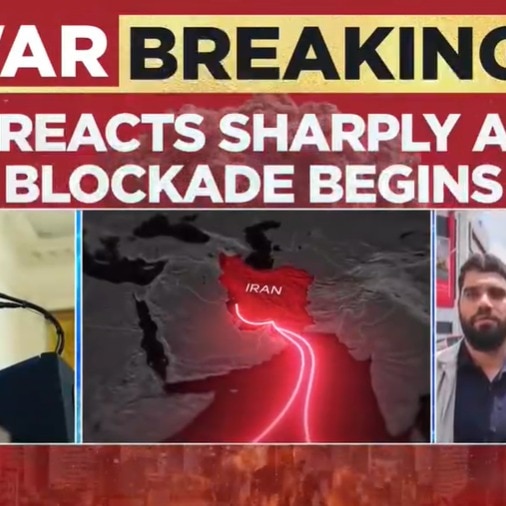
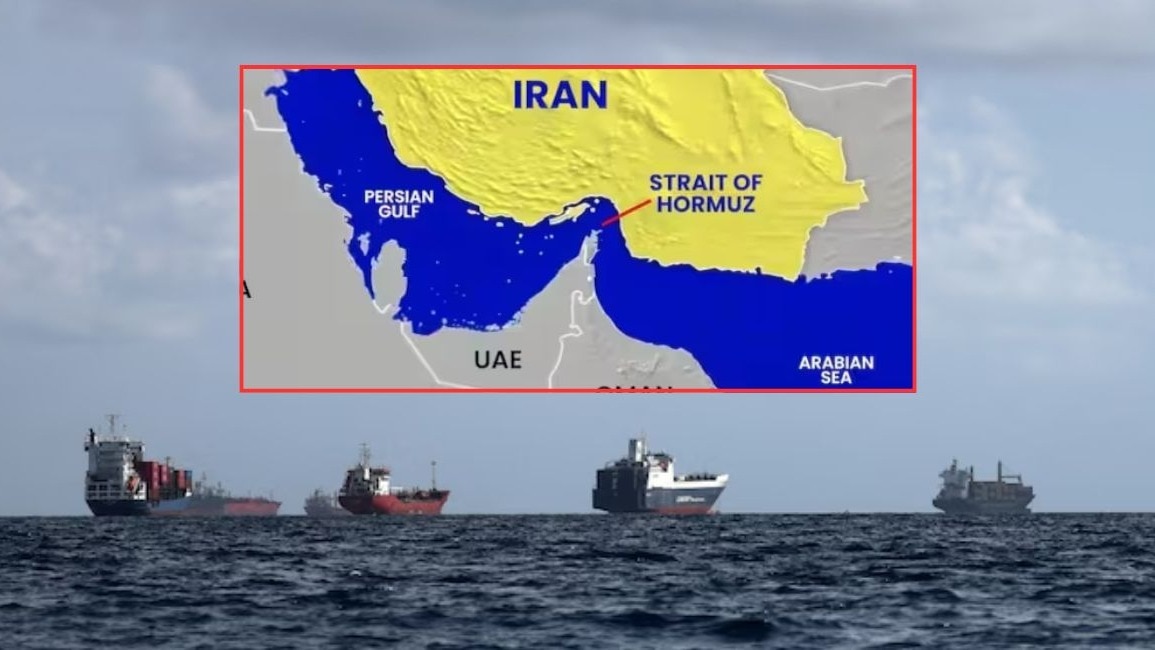
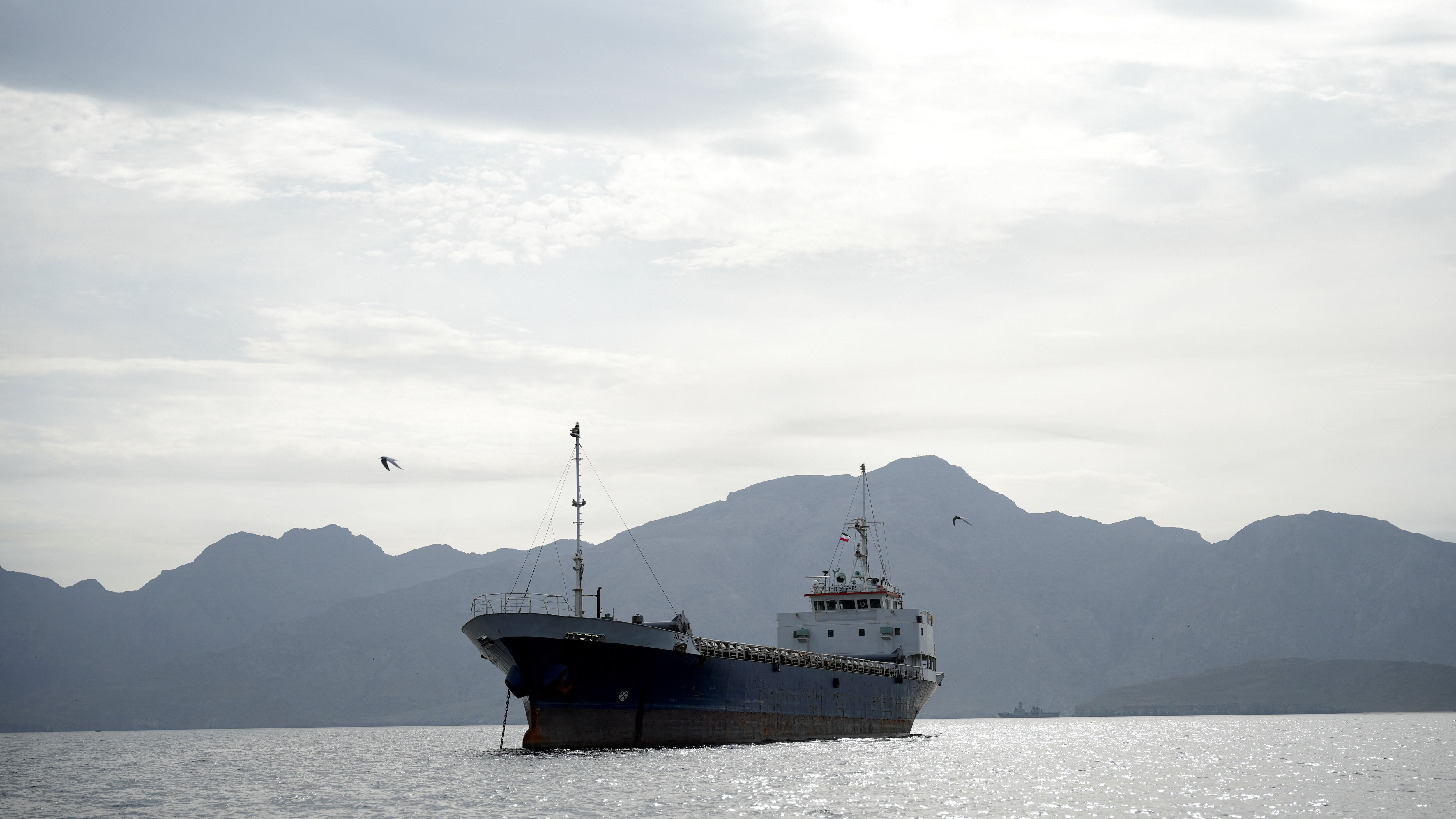
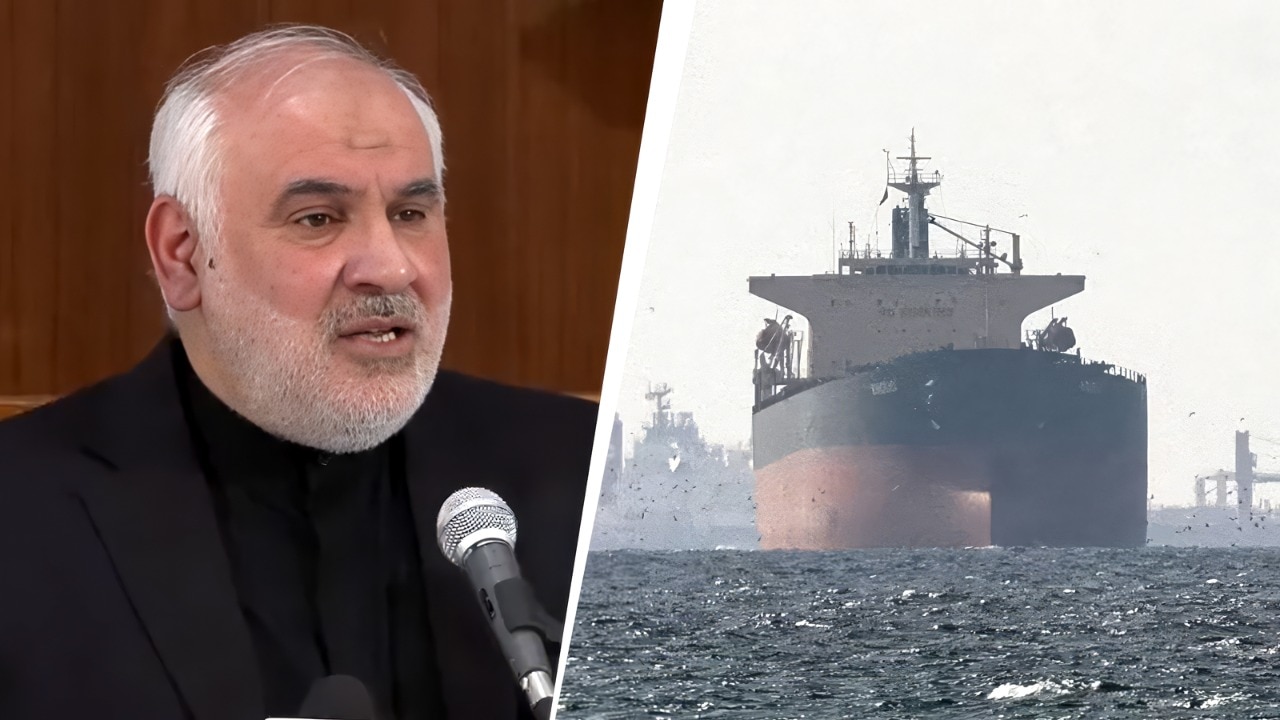
At the same time, the US has increased pressure on Iran, including a naval blockade targetting Iranian ports in the Strait of Hormuz. US officials view this as leverage to bring Tehran back to the negotiating table, while Iran believes it retains strategic leverage through its control of the strait and its influence over global oil flows.
According to a White House official, Washington’s non-negotiable demands include Iran ending all uranium enrichment for 20 years, dismantling major nuclear facilities damaged in a June bombing campaign and accounting for more than 400 kilograms of highly enriched uranium believed to be stored underground.
Iran has previously rejected these conditions and its position appears largely unchanged despite weeks of tensions.
In Islamabad, both sides had presented proposals aimed at addressing the nuclear dispute, including a US suggestion that Iran accept a 20-year pause on uranium enrichment, according to a source familiar with the talks.
Trump has also previously said the US and Iran could cooperate to eliminate what he called “nuclear dust,” though Iranian officials have shown little response to the idea.
Within the US administration, there is growing concern over the risks of escalating into a full-scale conflict, particularly given the economic and political costs of a prolonged war.
- Ends
Published By:
Shipra Parashar
Published On:
Apr 14, 2026 09:07 IST
Tune In