2 hours ago
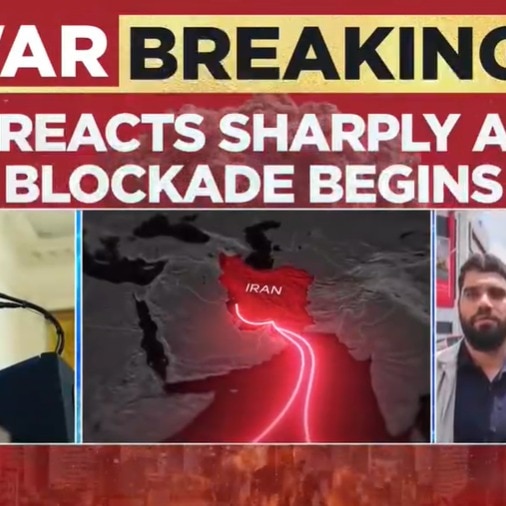
After peace talks in Islamabad collapsed without a deal, Donald Trump ordered a naval blockade of the world's most important oil chokepoint. Here is what happens next and whether it can work.

How many Indian oil tankers are stranded as US blockade in Hormuz nears?

UPDATED: Apr 13, 2026 23:23 IST
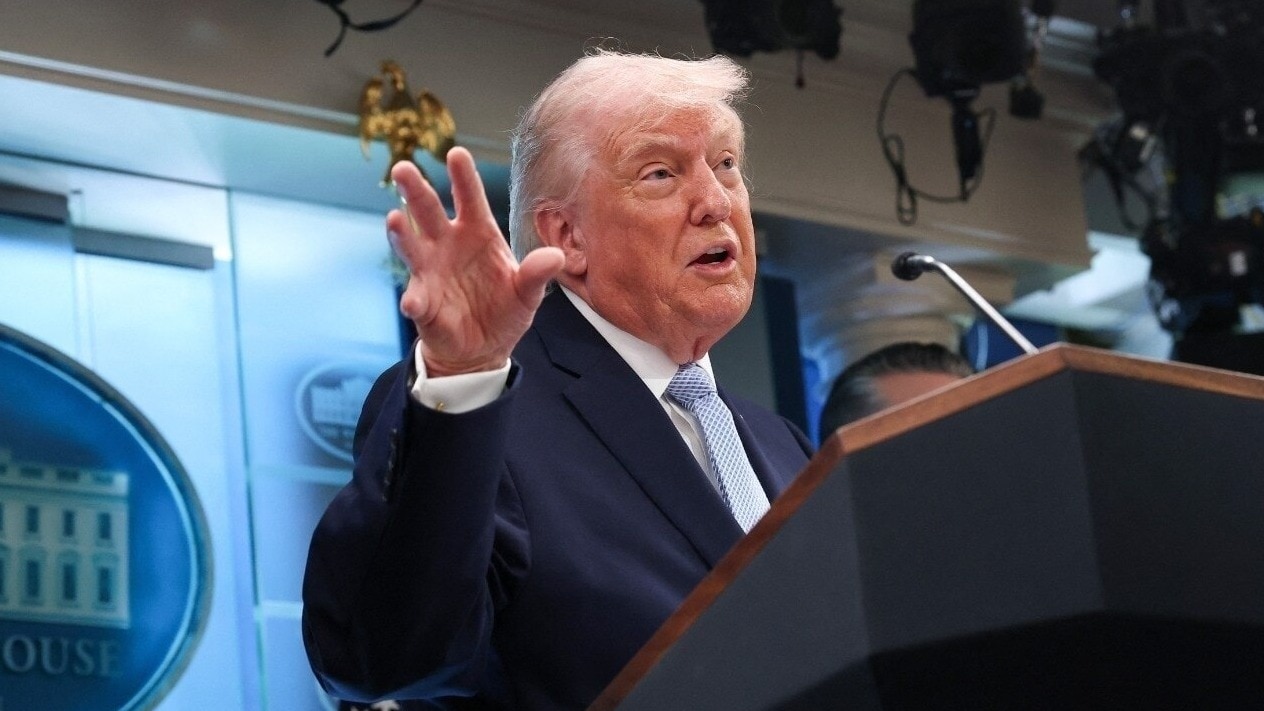
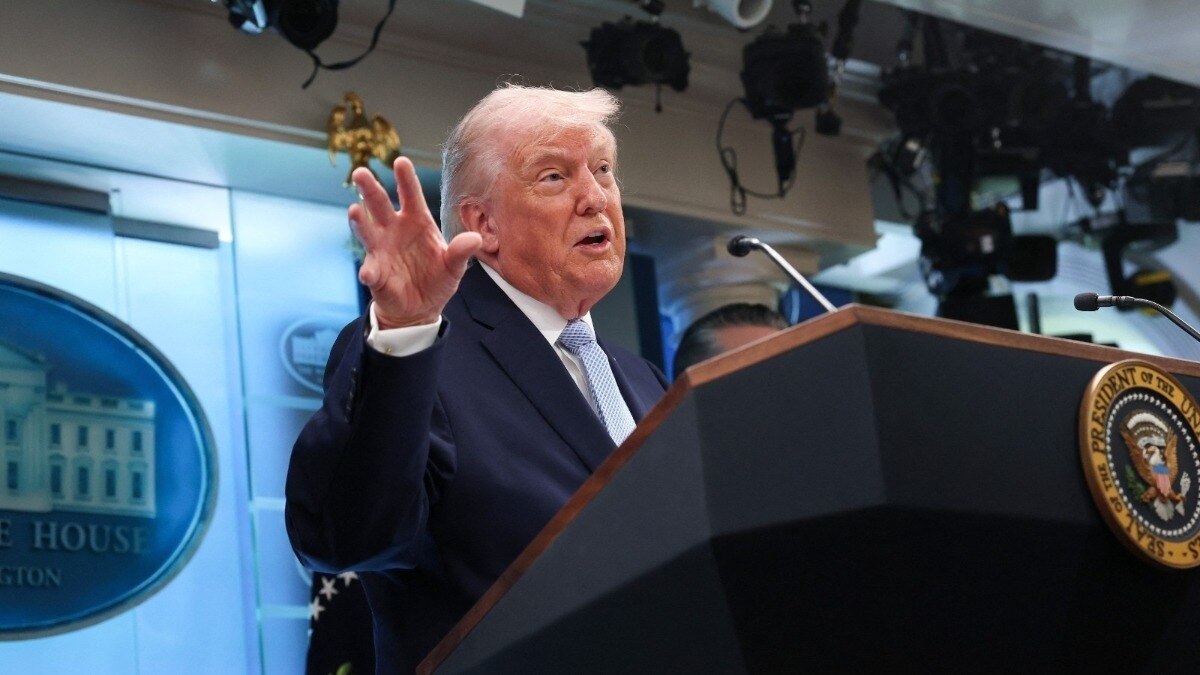
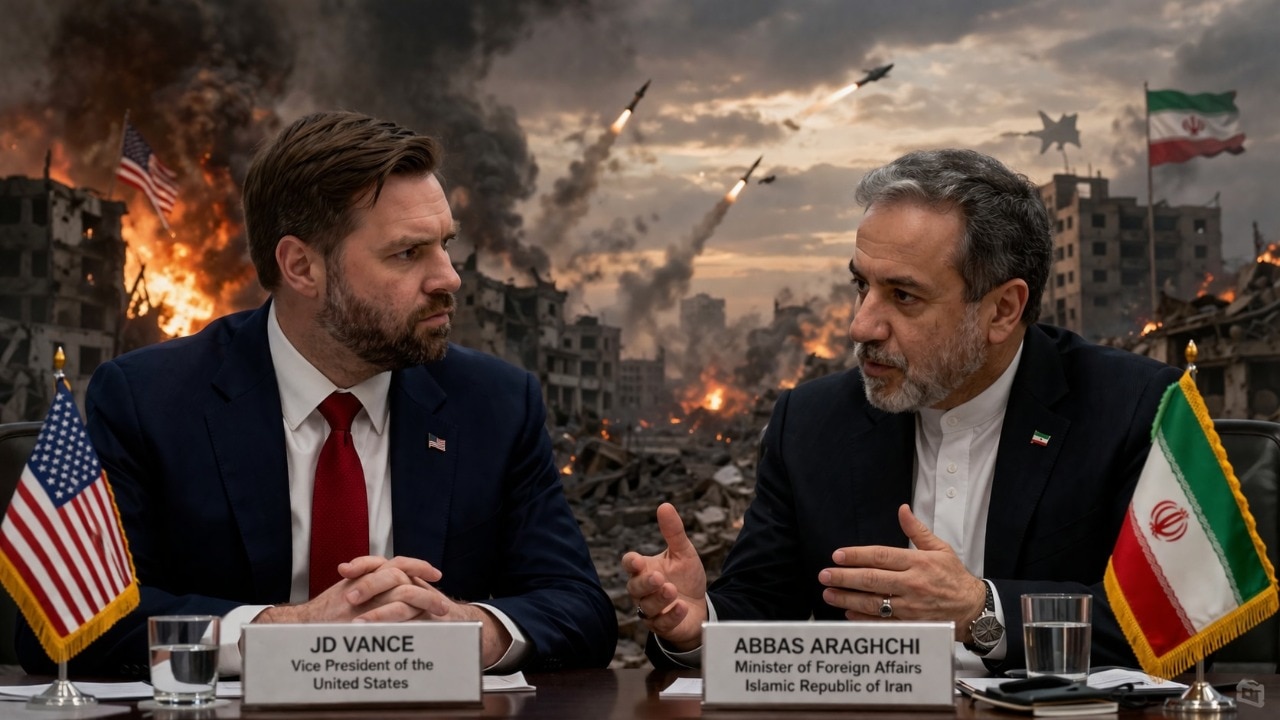
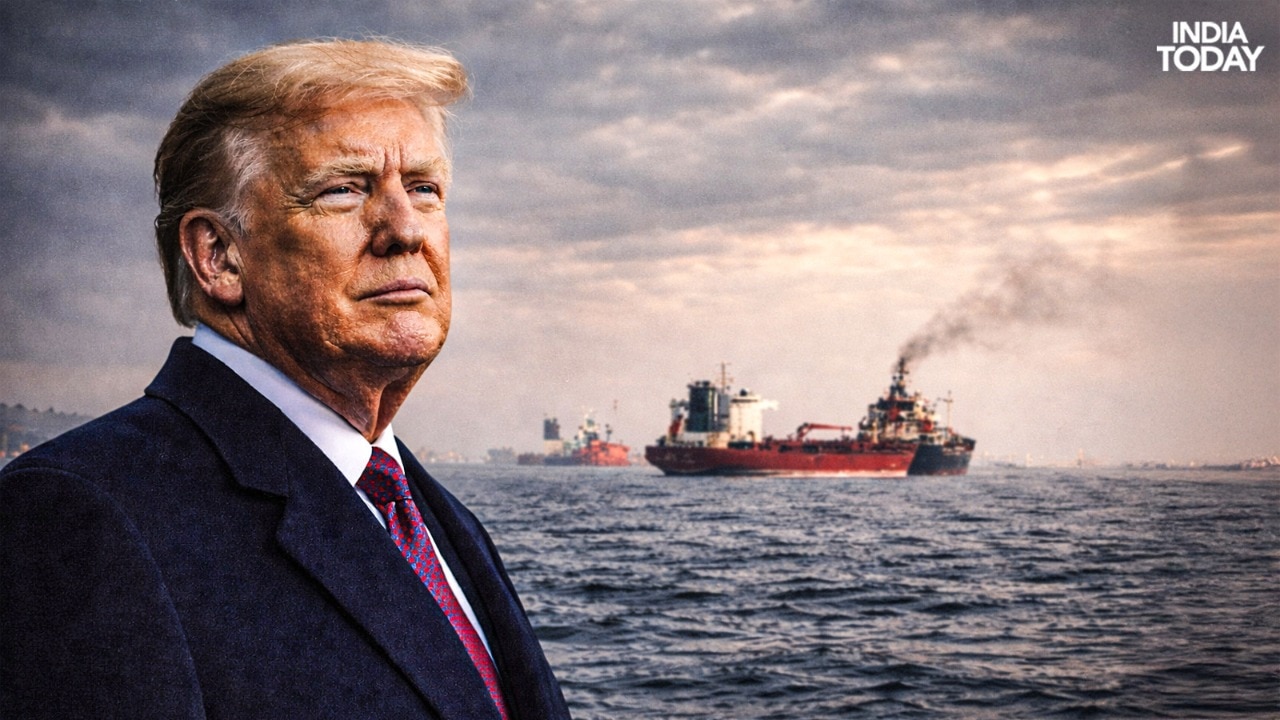
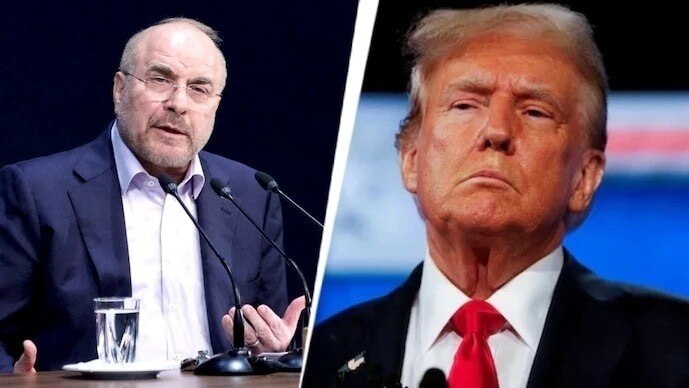
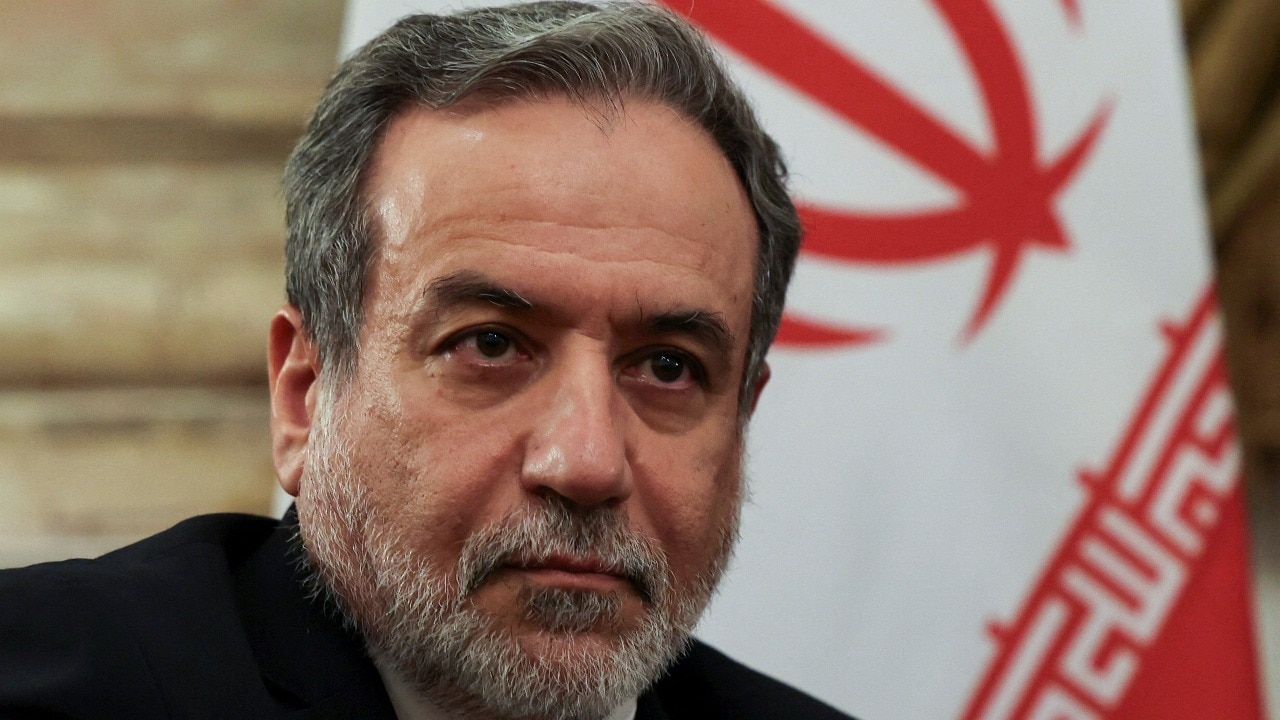
Peace talks between the United States and Iran ended in failure on 11 April. Twenty-one hours of negotiations in Islamabad produced nothing. No deal, no framework, no path forward. Iran arrived with a ten point plan demanding sanctions relief, nuclear rights and permanent control of the Strait of Hormuz. America said no to all of it. The single biggest sticking point was Iran's refusal to accept zero nuclear weapons capability. By 12 April, President Donald Trump had seen enough. He announced a full naval blockade of the Strait of Hormuz, effective 13 April at 10am ET.
This is not a symbolic gesture. The Strait of Hormuz is 21 miles wide at its narrowest point and carries roughly 20 per cent of the world's oil and natural gas exports in normal times. Closing it, or even disrupting it, is the equivalent of squeezing the world's jugular.
How will the blockade actually work?
Trump's initial announcement threatened to block "any and all ships" in the strait. Hours later, US Central Command quietly narrowed the scope. The blockade, CENTCOM clarified, would only apply to vessels travelling to or from Iranian ports. Ships heading to Gulf allies like the UAE, Kuwait and Saudi Arabia would be permitted passage.
In practice, the US Navy plans to enforce this using its existing 5th Fleet assets based in Bahrain. Two carrier strike groups will provide air cover. Twelve destroyers and frigates will patrol outside the Gulf. Six warships will operate inside. Suspected vessels will be stopped, boarded or diverted. Air surveillance will run continuously overhead.
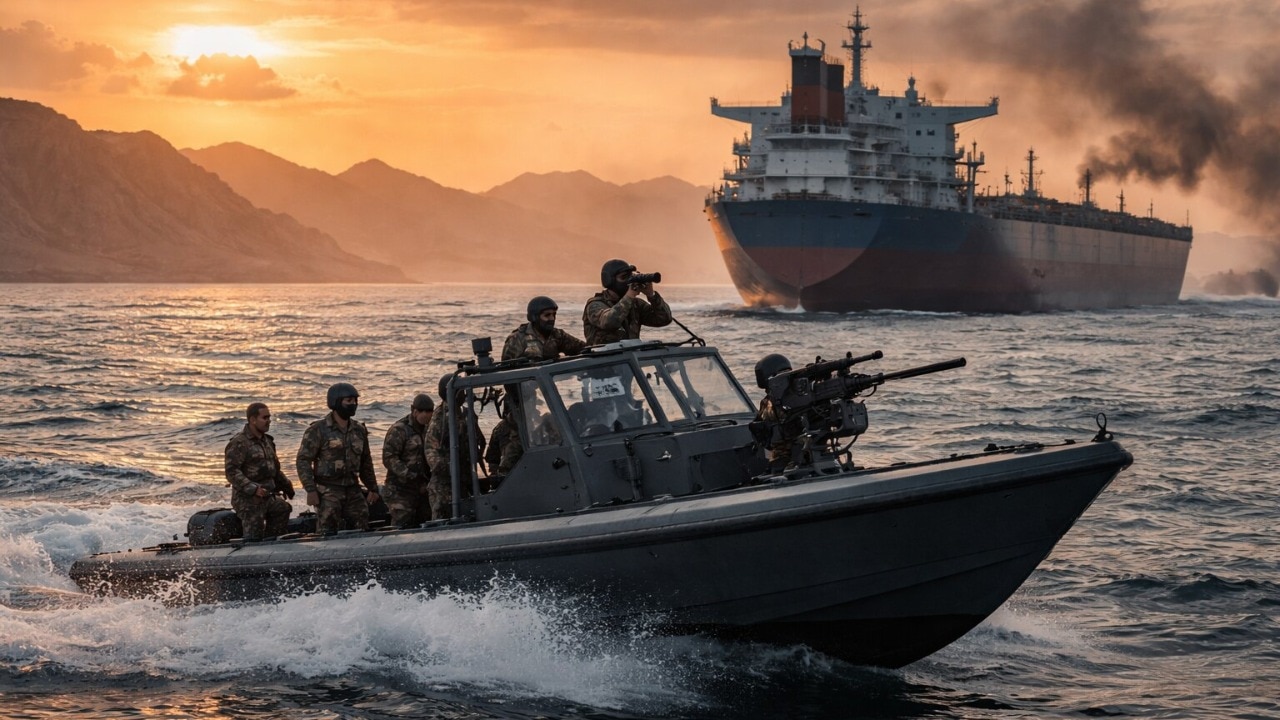
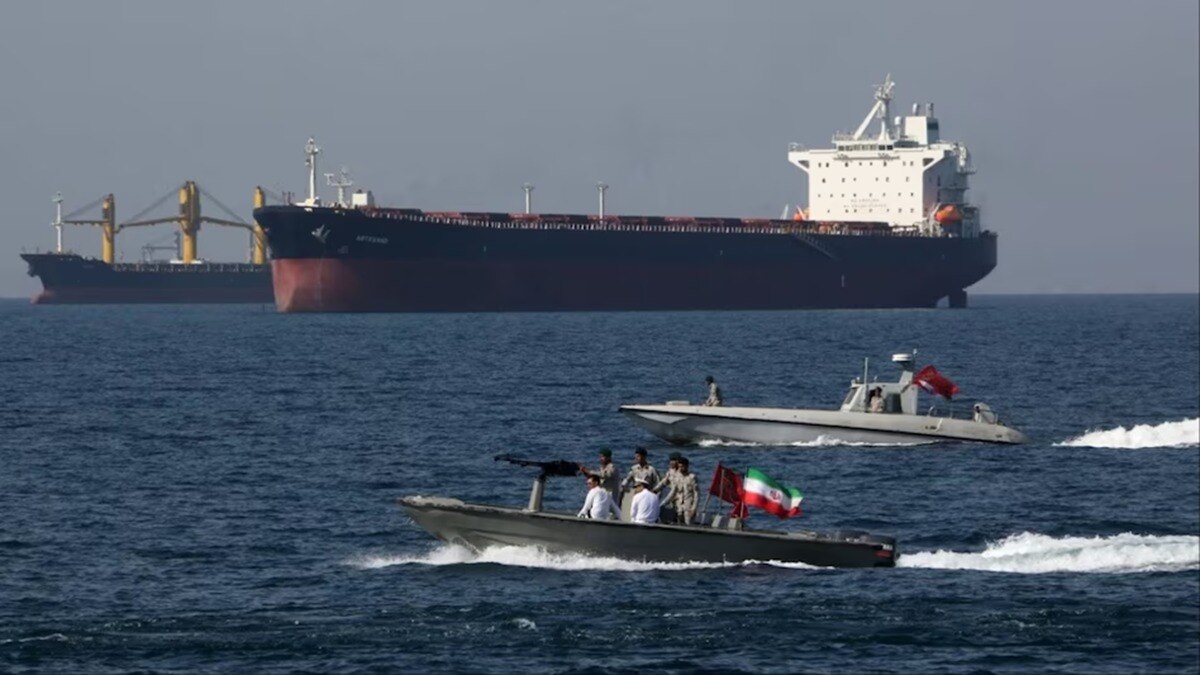
The problem is Iran does not intend to cooperate. The Islamic Revolutionary Guard Corps operates from islands inside the strait, including Larak. Their arsenal includes swarm tactics using fast attack boats capable of reaching a tanker within minutes, anti ship missiles, suicide drones and sea mines. Iran's Revolutionary Guards have already warned that any warships enforcing the blockade will be considered a breach of the current ceasefire and dealt with accordingly.
Retired Admiral Gary Roughead, a former chief of US naval operations, put it plainly: Iran could fire on ships in the Gulf or attack the infrastructure of Gulf states hosting American forces. This is not a clean enforcement operation. It is a blockade inside a corridor where the opposing side has significant home advantage.
What does this mean for oil prices?
The impact was immediate. Within hours of Trump's announcement, US crude jumped 8 per cent to $104 a barrel and Brent crude rose 7 per cent to $102. For context, Brent was trading at around $70 a barrel before the conflict began in late February. It has already touched $119 at its peak.
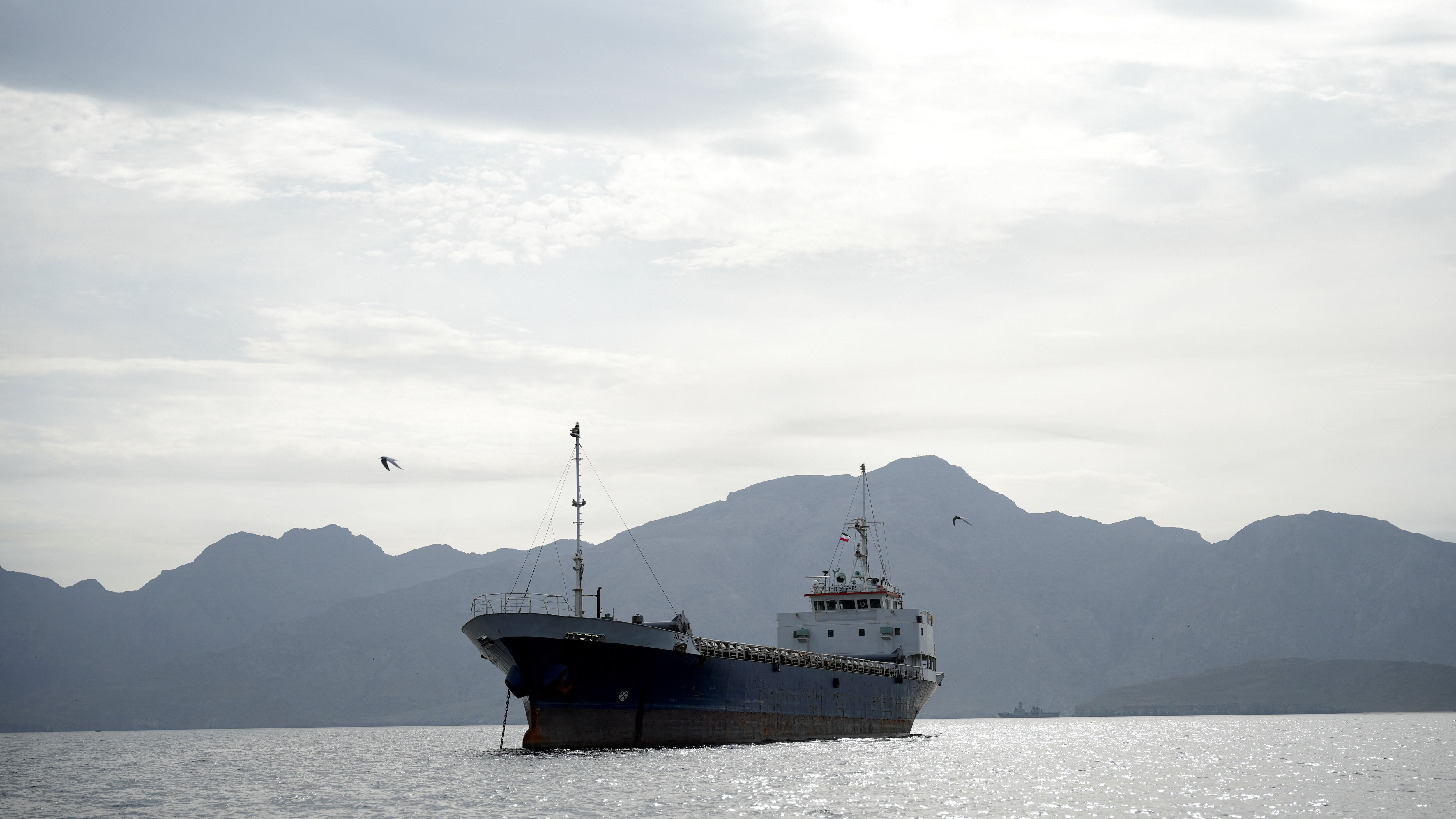
Iran exported 1.84 million barrels per day in March alone. Cutting that off tightens global supply sharply. Meanwhile, 187 tankers carrying 172 million barrels of crude and refined products remain trapped inside the Gulf. They cannot leave without navigating a zone both sides now claim to control.
Global reserves offer a buffer of roughly 80 days at current deficit levels. Beyond that, importers do not simply scramble for alternatives. They begin permanently restructuring supply chains, a shift that does not reverse quickly or cheaply.
How long can this last?
Analysts are blunt. Iran can sustain pressure for one to three months before its economy faces collapse. Ninety per cent of its oil exports flow through Kharg Island, already hit by US strikes. The revenue loss is not gradual. It is catastrophic.
The United States has the firepower but experts describe the mission as difficult to execute alone and unsustainable over the medium to long term without allied support. Britain confirmed it would not participate. Australia said it was not even asked.
Both sides have a window of roughly three months before the cost becomes unbearable for each of them. After that, diplomacy through Oman or Pakistan becomes the only exit. The alternative is something neither side, nor the global economy, can afford to find out.
- Ends
Published By:
indiatodayglobal
Published On:
Apr 13, 2026 23:23 IST
Tune In