2 hours ago
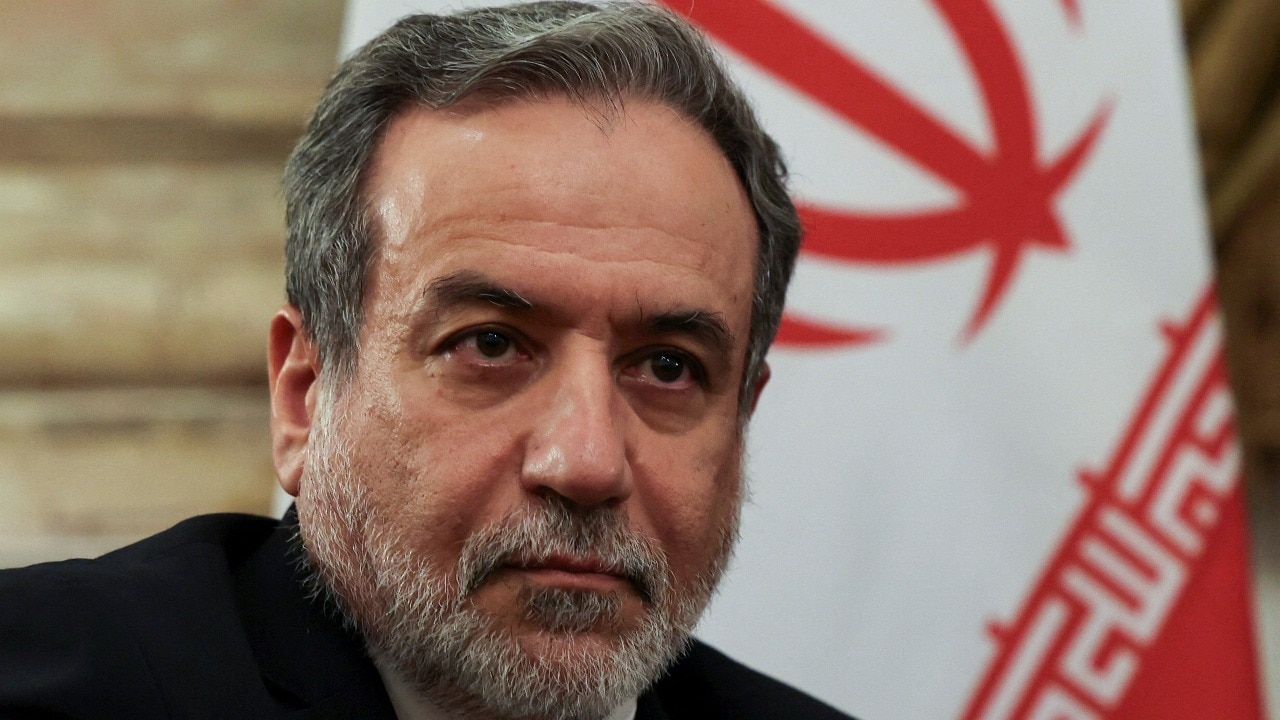
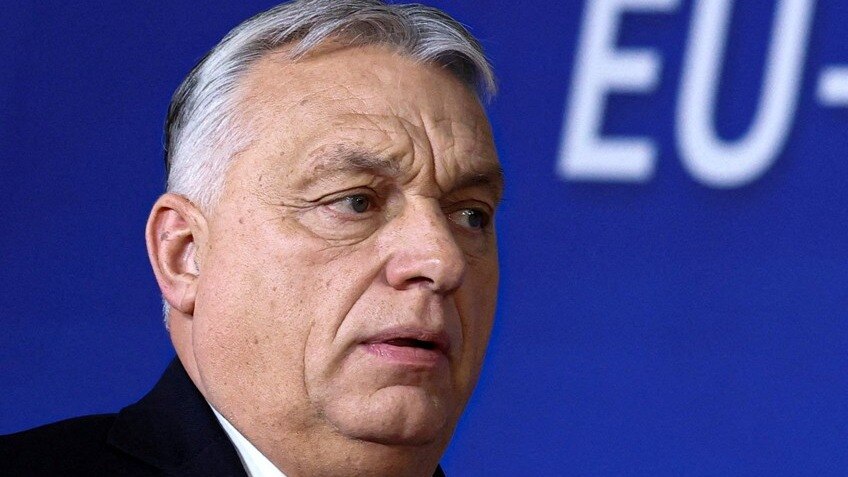
Iran's Ambassador to India, Mohammad Fathali, said that Iran maintains close communication with India and is committed to facilitating safe transit for Indian ships.
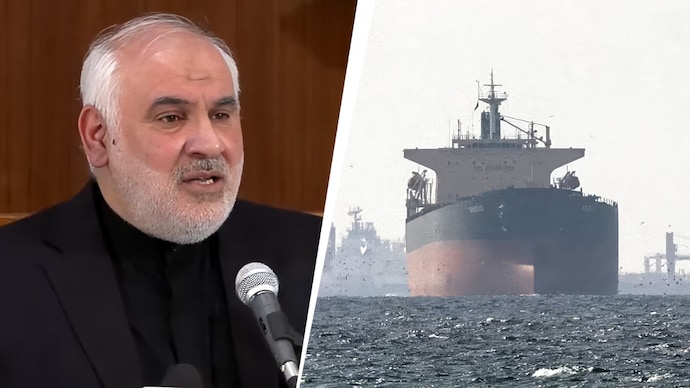
Iran’s Ambassador to India, Mohammad Fathali, expressed gratitude to India. (Photo: ANI/Reuters)

New Delhi,UPDATED: Apr 13, 2026 18:29 IST
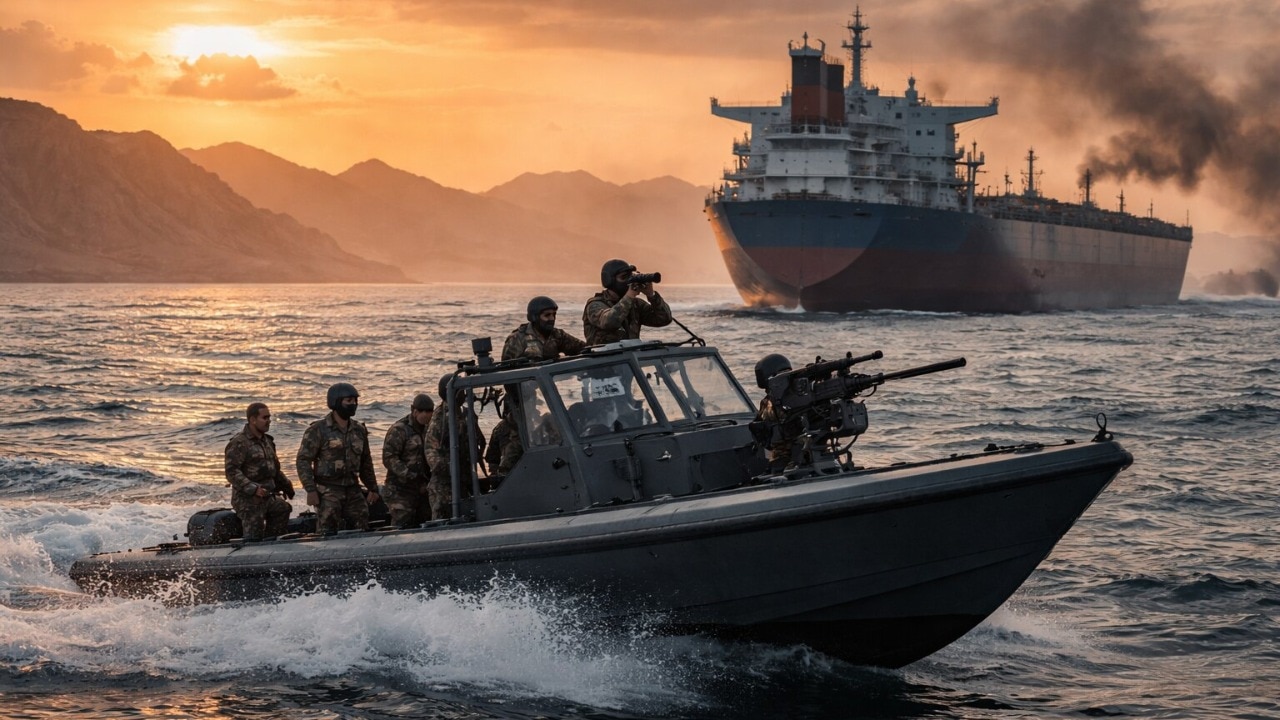
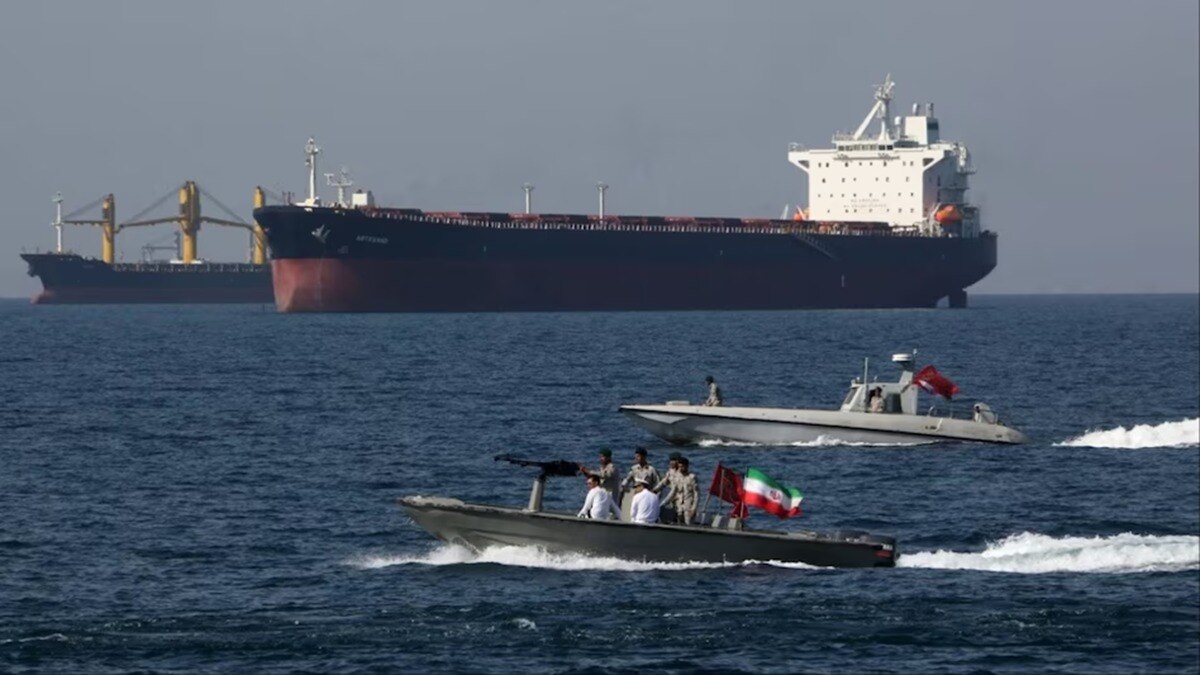
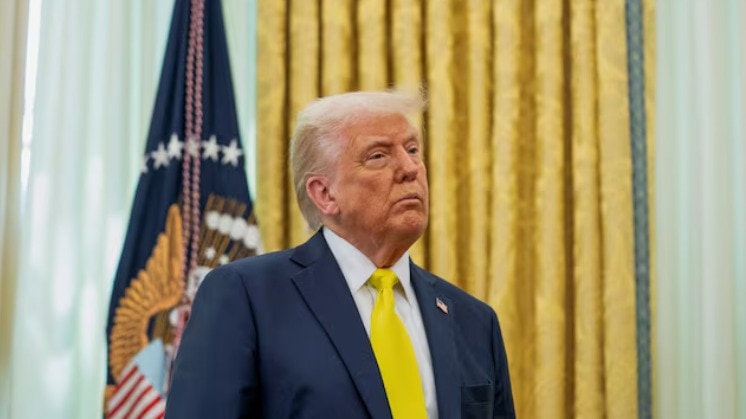
As tensions continue to build in the Middle East after Donald Trump announced a blockade of the Strait of Hormuz effective today, Iran has sought to reassure India over the safety of the shipping route. Speaking on Monday, Iran’s Ambassador to India, Mohammad Fathali, said there is ongoing coordination between the two countries to ensure the safe passage of Indian vessels through the strategically critical waterway.
Mohammad Fathali said that Iran maintains close communication with India and is committed to facilitating safe transit for Indian ships. "For Indian ships, you know that we have a good relation with the Indian government. We want good preparation for Indian ships. You know our Foreign Minister has described India as one of the five countries as a friend," he said.
He referred to a remark by Iranian Foreign Minister Seyed Abbas Araghchi, who said that Tehran had allowed China, Russia, India, Iraq and Pakistan to transit through the Strait of Hormuz.
TEHRAN THANKS INDIA AMID CRISIS
"We, as Iran and India, have a common interest. And now, in these difficult times, we have good relations," he added. The Iranian envoy also indicated that Iran is working on a framework to regulate passage through the strait. "I think that it depends on the situation... Iran believes and is committed to international law and freedom of navigation. We announced that in the near future, we will provide the mechanism and announce it to all the countries," he said.
Even as tensions remain high, the Iranian envoy expressed gratitude to India, pointing to the strong support from both the government and the public. "I want to thank all the Indian people. I believe that they have demonstrated that they are truly reliable and compassionate partners in times of hardship. I would like to thank the government of India for facilitating all the necessary arrangements in this difficult time," he said.
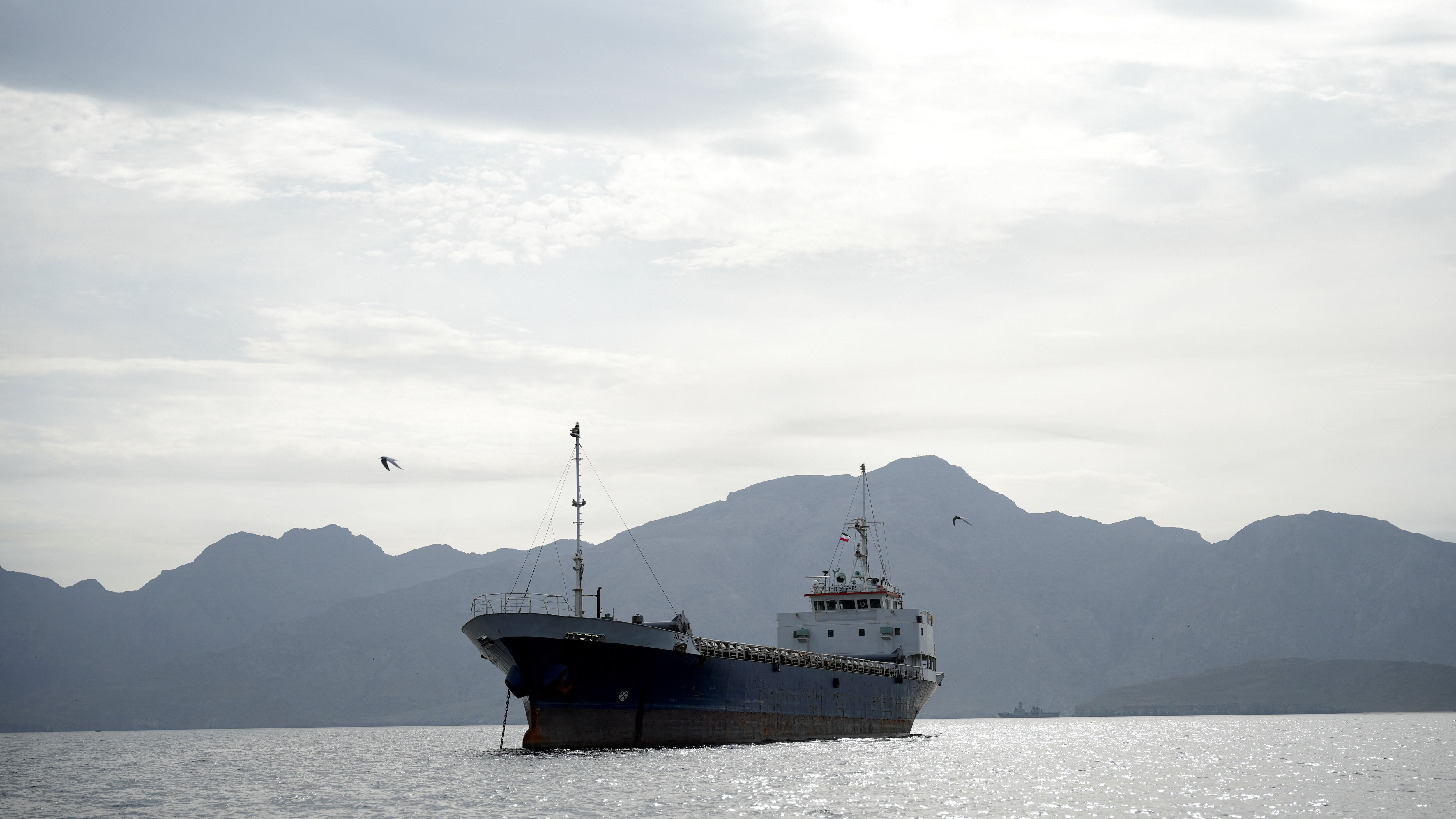
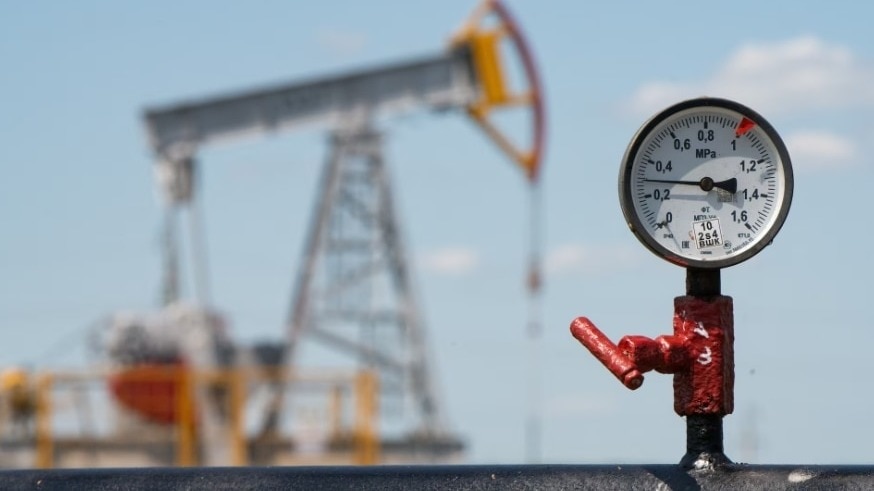
The Strait of Hormuz, through which around a 20 per cent share of India’s crude oil imports passes, has seen disruptions since the US-Israeli military campaign against Iran earlier this year. The conflict affected shipping routes, which led to a surge in crude prices worldwide.
The Iranian envoy pointed to the conflict as a major factor behind the current situation. "Before the war, the Strait of Hormuz was open. They attacked us for 12 days, and after that, they accepted a ceasefire. And they announced that we were on the negotiation table. And after that, they attack us," he said, accusing the United States and Israel of undermining the diplomatic process.
IRAN SETS CONDITIONS FOR TALKS WITH US
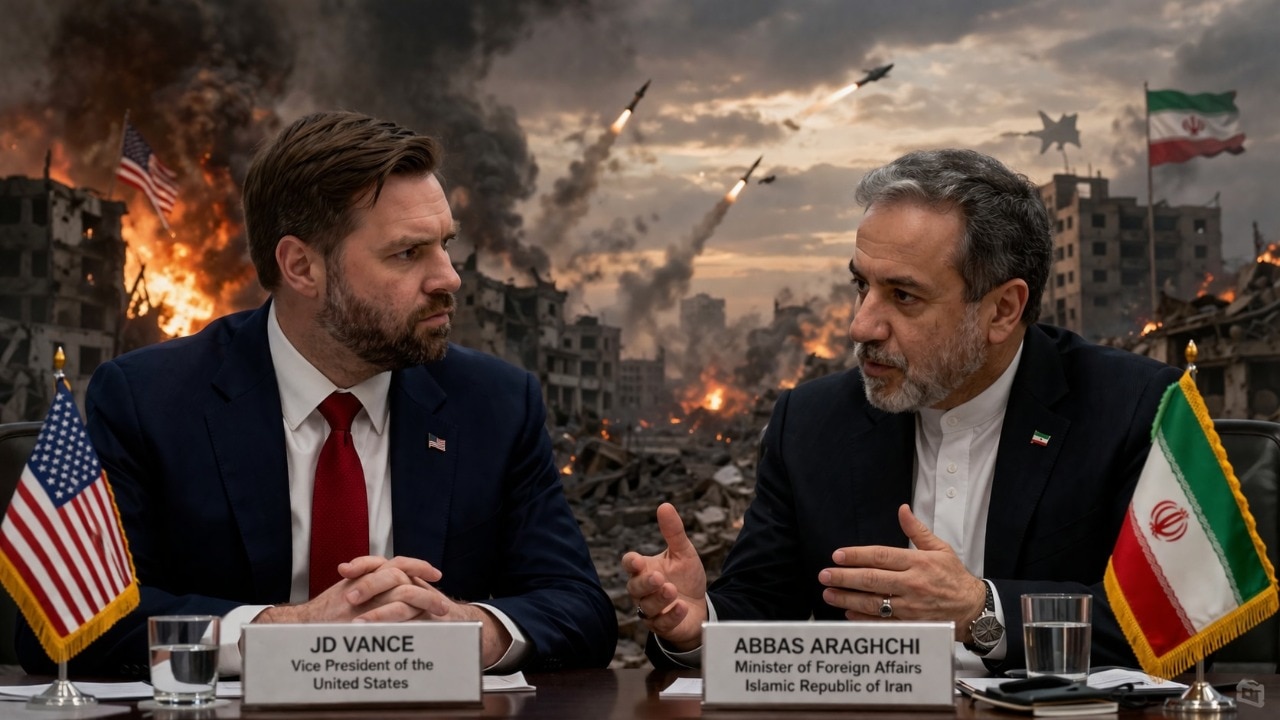
While leaving the door open for further negotiations with the United States, the Iranian envoy made it clear that any future talks would depend on Washington accepting Tehran’s conditions.
"We have formally and officially announced that if they (US) accept our conditions, it is predictable that we will have another negotiation," he said. At the same time, he reiterated that Iran is prepared for multiple outcomes, including escalation. "Our high-ranking officials have announced that we are ready for any option," he said.
He added that Iran still views the strait as part of its territorial waters, but at the same time insists it will respect international maritime laws.
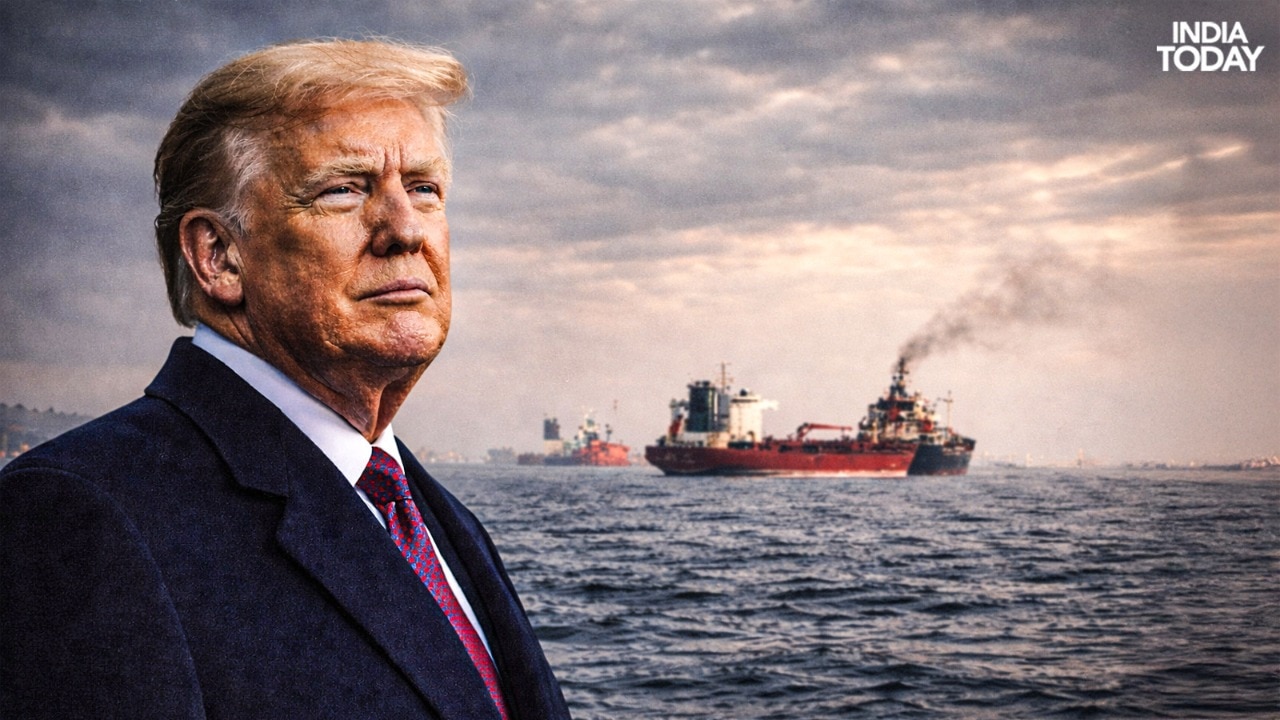
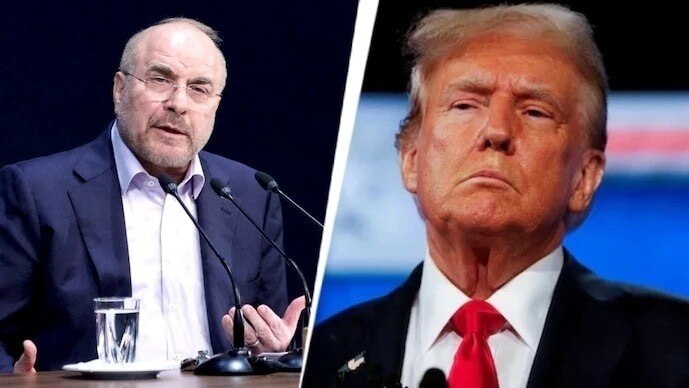
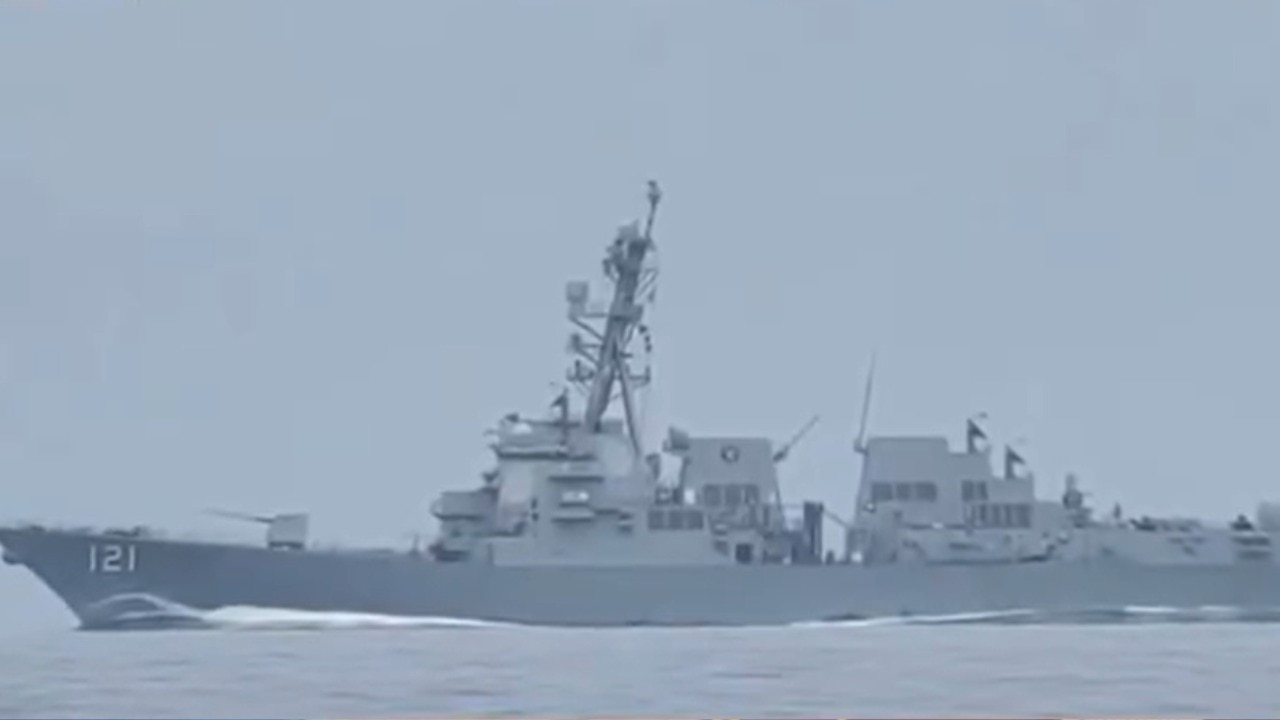
Tensions in the Gulf region flared up after Trump announced that the American Navy would begin blockading maritime access to Iranian ports through the Strait of Hormuz after high-stakes talks with Iran collapsed without a breakthrough in Islamabad.
The US Central Command (Centcom) said the blockade would take effect at 10 am ET (7.30 pm India Time) on Monday, targeting all vessels entering or exiting Iranian ports. In a statement, Centcom added that the move would be "enforced impartially against vessels of all nations" using Iranian ports and coastal areas, including those along the Arabian Gulf and Gulf of Oman.
- Ends
With inputs from agencies
Published By:
Satyam Singh
Published On:
Apr 13, 2026 18:28 IST
Tune In