4 hours ago
Though the crisis has sharply escalated due to the current war in the Middle East, several other factors, like ageing and inadequate equipment, increased seasonal consumption in the summers, and Pakistan's usual economic constraints are some of the main driving factors of the ongoing crisis.
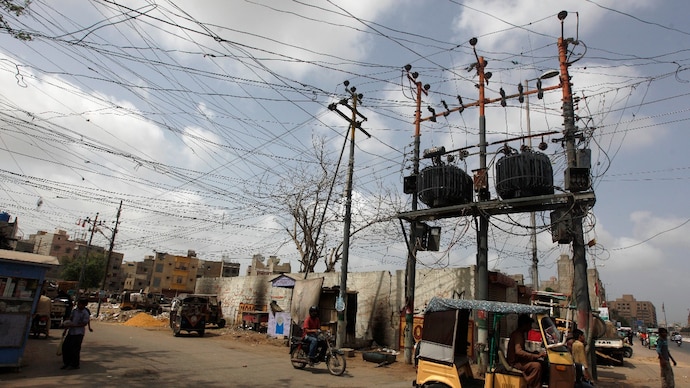
Residents across several regions of Pakistan have reported electricity outages lasting up to 15 hours a day. (Representative photo. Credits; Reuters)

New Delhi,UPDATED: Apr 14, 2026 12:38 IST
Pakistan is experiencing a rapidly worsening energy crisis, with extended electricity outages and rising gas prices disrupting daily life in several parts of the country. The dire situation is particularly apparent in major cities such as Lahore and Karachi. Though the crisis has sharply worsened due to the current war in the Middle East, several other factors, like ageing and inadequate equipment, increased seasonal consumption in the summer, and Pakistan's usual economic constraints are some of the main driving factors of the ongoing crisis.
WIDESPREAD DISRUPTIONS IN CITIES
In Lahore, residents report increased load shedding following gas shortages. The situation has compounded challenges for households already struggling with inconsistent energy supply.
Meanwhile, in Karachi, the public has been openly expressing their frustration in areas such as Shadman Town, where people have taken to the streets against frequent power cuts.
In Abbottabad, demonstrators gathered outside the offices of a state-owned natural gas supplier, voicing anger over persistent gas shortages.
Residents across several regions of Pakistan have reported electricity outages lasting up to 15 hours a day. Besides households, small businesses and industrial activities have also been badly hit.
Moreover, prices of LPG cylinders have surged sharply, with reports indicating costs reaching approximately PKR 430–450 (roughly INR 145-152) per kg, placing cooking gas out of reach for many families.
RISING PUBLIC FRUSTRATION
Demonstrations in multiple Pakistani cities reflect the increasing hardships faced by the common man. Demands for immediate government intervention to address the shortages are growing rapidly.
Growing frustration and helplessness among citizens highlights the challenges faced by them in managing daily life and basic needs.
MINISTER'S MISPLACED PRIORITIES
Amid mounting criticism, Pakistan's Interior Minister Mohsin Naqvi downplayed the severity of the gas crisis facing his nation. In a controversial statement, he denied the existence of a fuel shortage in Pakistan and instead claimed that India was facing actual fuel scarcity.
GROWING SOCIO-ECONOMIC CHALLENGE
The energy crisis in Pakistan is no longer limited to infrastructure concerns. With prolonged outages and unaffordable fuel costs, it is evolving into a broader socio-economic issue.
- Ends
Published On:
Apr 14, 2026 12:38 IST
Tune In