3 hours ago
Even as the US and Iran agreed to a two-week ceasefire, sirens blared across Gulf countries for incoming missiles. Besides, Netanyahu and mediator Shehbaz Sharif gave contradictory statements on Lebanon. While the truce has been announced, the big question is: will it last?
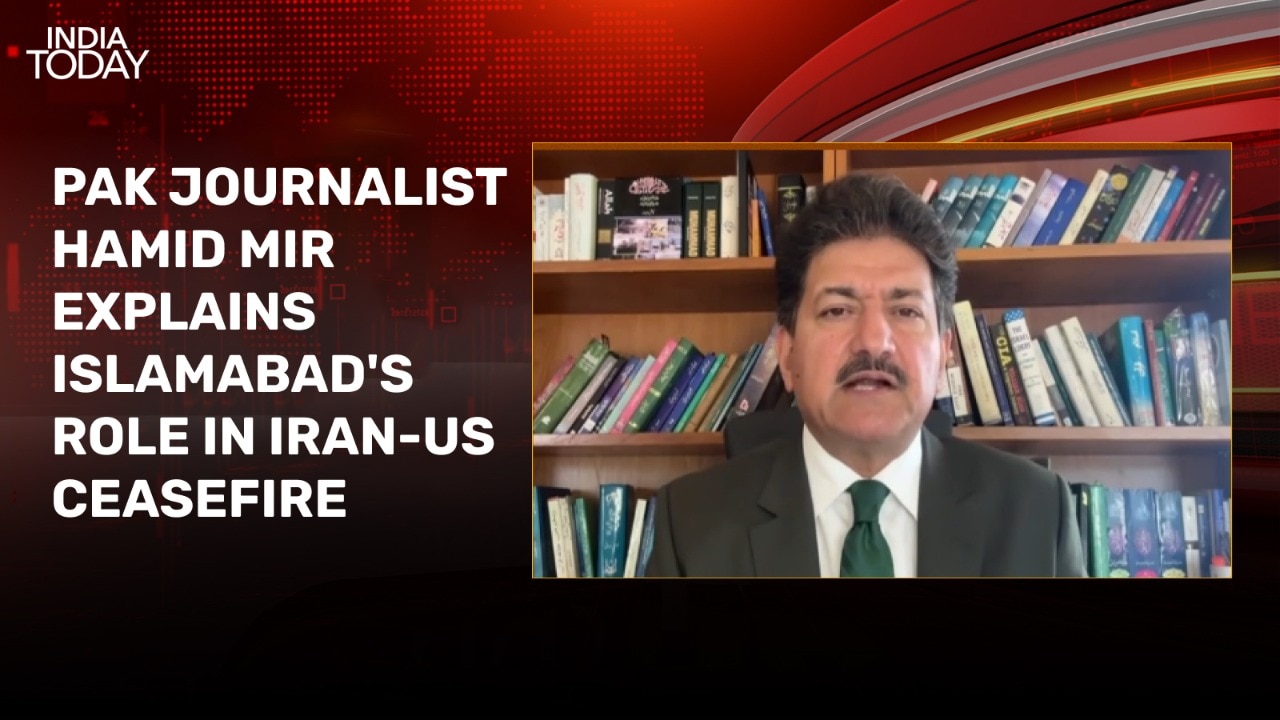
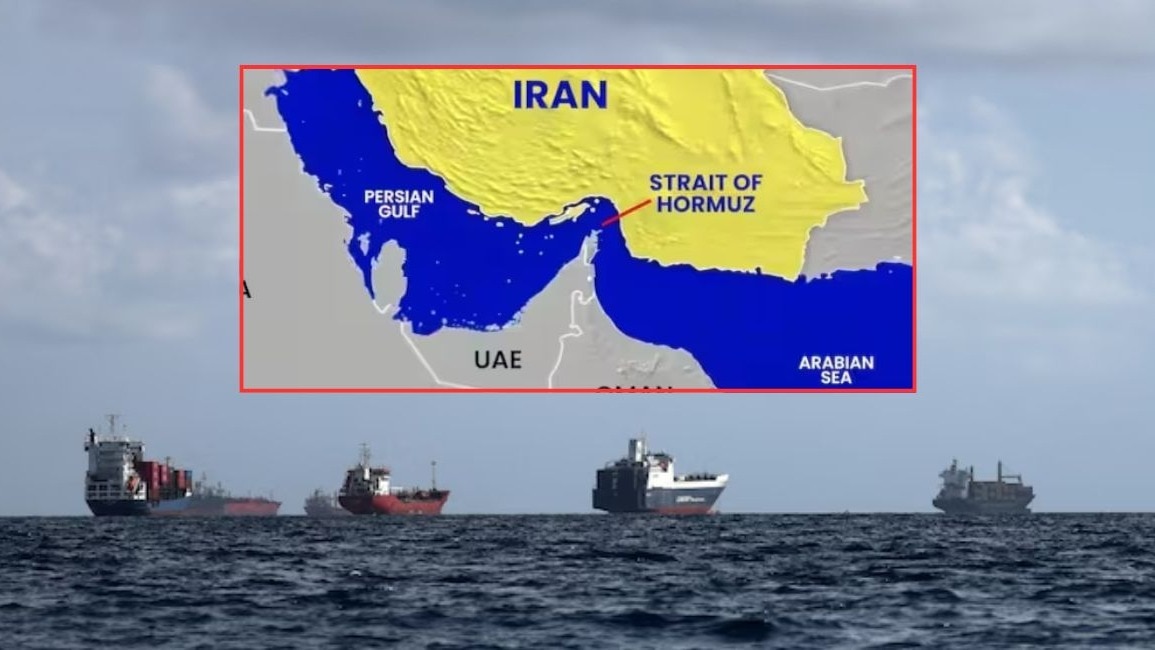
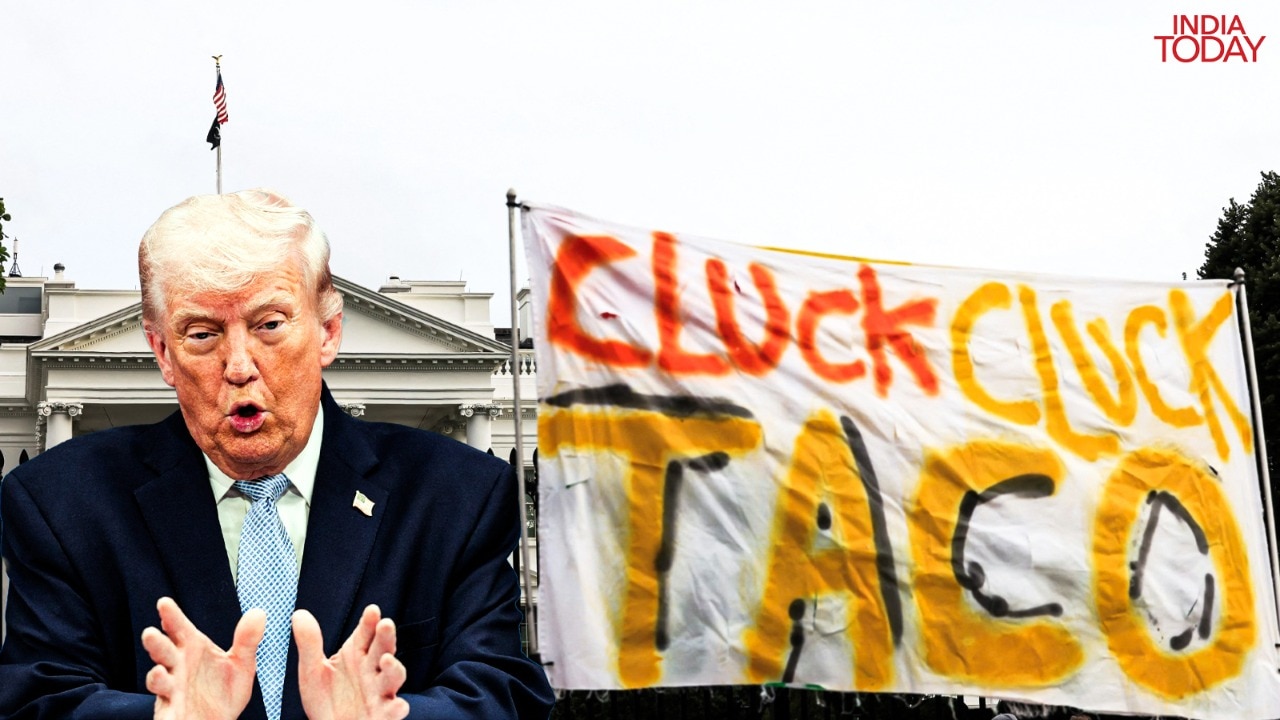
People across the world waited with bated breath on Tuesday night, anticipating Donald Trump’s next move as the clock ticked down and both the United States and Iran held their ground. Some dismissed the tension, saying, "Nothing will happen. Remember TACO Trump," but footage of B-52 bombers reportedly heading toward Iran only heightened global anxiety. With just three hours left before what many feared could be a civilisation-altering US strike, Shehbaz Sharif posted a tweet urging Trump to extend the deadline by two weeks and calling on Iran to reopen the Strait of Hormuz during that period.
Speculation quickly spread, with many believing the message had been drafted by someone within Trump’s team, and the “draft” tag in an unedited version only added to the buzz. If that were true, Trump’s agreement seemed almost certain, but what about Iran? Conventional wisdom suggested it would stand firm, refusing any truce or reopening of Hormuz until its ten demands were met, yet in a surprising turn of events, it agreed, and soon after, a truce was announced.
WHAT US, IRAN, ISRAEL SAID
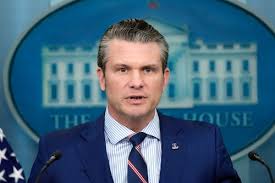
Trump said the US would hold off on targeting Iranian bridges, power plants, and other civilian infrastructure, following what he described as a “workable” 10-point peace proposal put forward by Iran.
"I hold off the destructive force being sent tonight to Iran, and subject to the Islamic Republic of Iran agreeing to the COMPLETE, IMMEDIATE, and SAFE OPENING of the Strait of Hormuz, I agree to suspend the bombing and attack of Iran for a period of two weeks," Trump announced.
Iran said it is considering the US request for negotiations based on its 15-point proposal, along with Washington’s acceptance of Iran’s 10-point plan as a framework for talks.
“If attacks on Iran are halted, our powerful armed forces will cease their defensive operations,” it added.
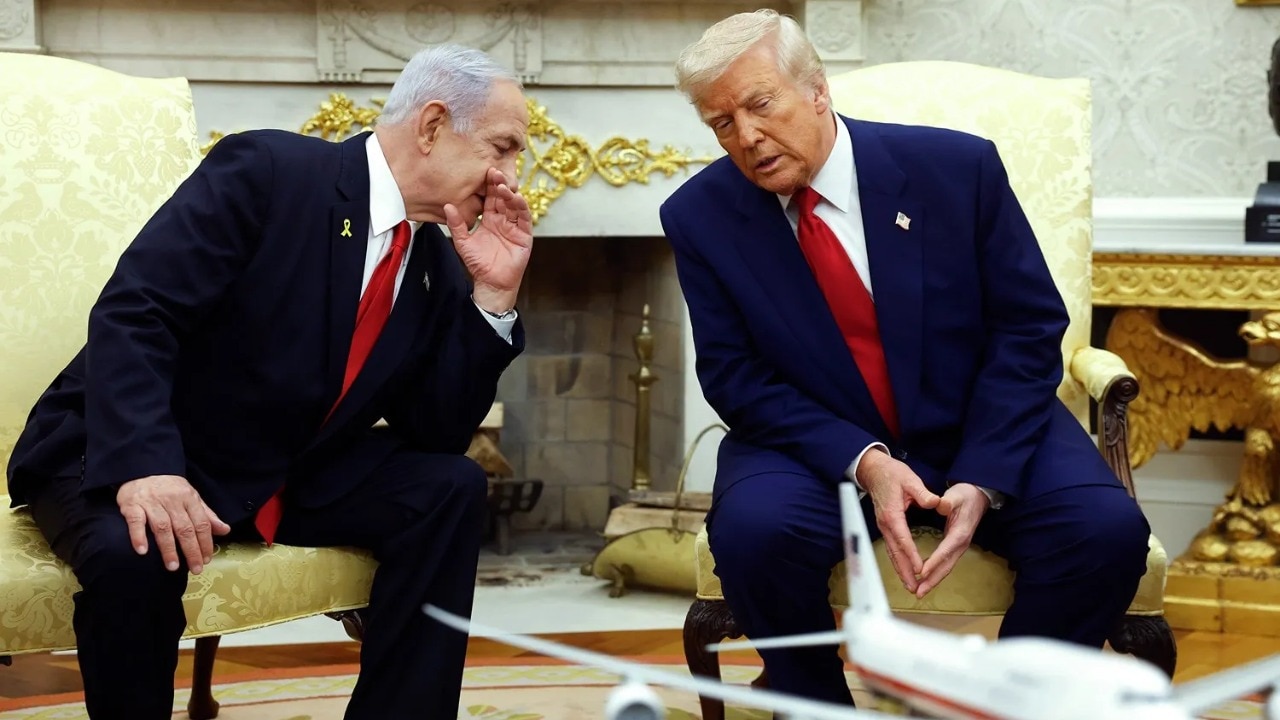
Israel's Prime Minister Benjamin Netanyahu said the country supported the US's decision to suspend attacks against Iran for two weeks. However, he said the ceasefire does not include Lebanon, according to Israeli media.
WHY US-IRAN TRUCE IS FRAGILE
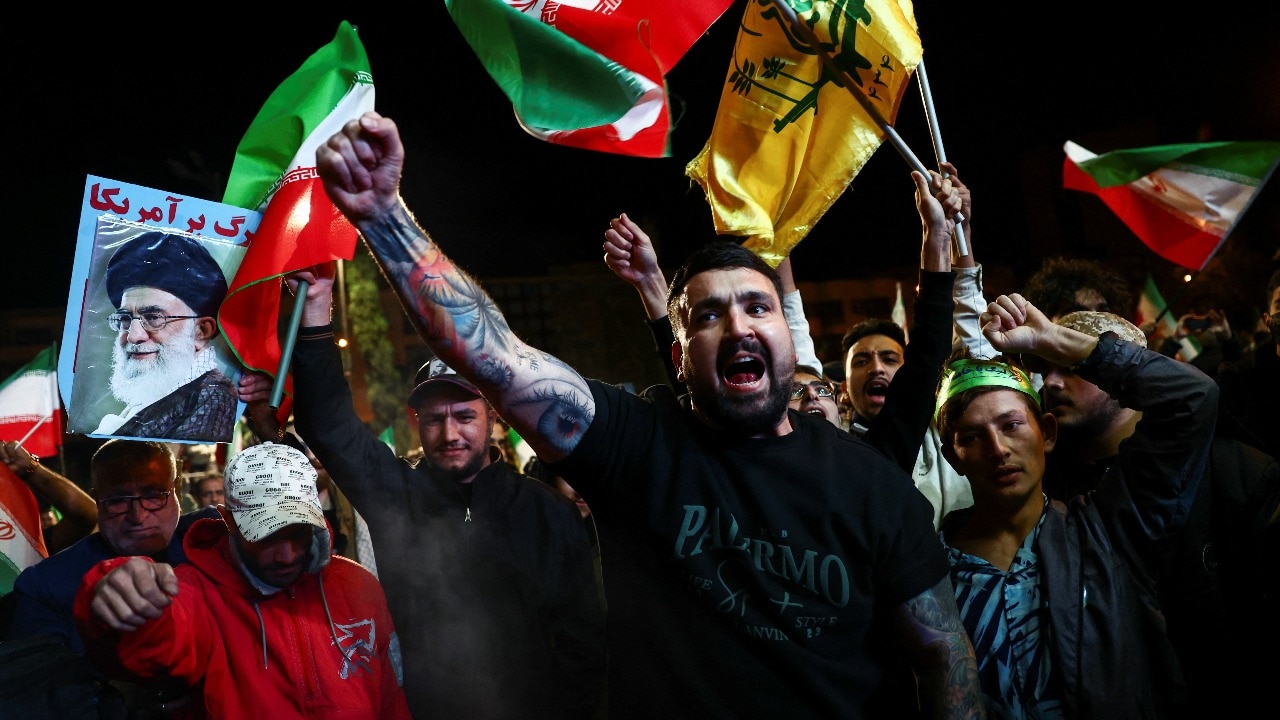
Even though a two-week truce has been announced, both sides, especially Iran, remain aggressive with their rhetoric. Tehran's memes on Trump have only got better and warnings continue.
Iran’s Supreme Security Council warned on Wednesday that even though a ceasefire is in place, it doesn't mean end to war and any mistake will be met with a full-scale response.
"Our fingers are on the trigger; any mistake by the enemy will be met with a full-scale response."
SIRENS BLARE DESPITE TRUCE
The fragility of the ceasefire was evident from the sirens that were sounded across Gulf countries, including Saudi Arabia, Bahrain and even in Israel this morning despite the truce. Qatar’s Ministry of Defence said it had successfully intercepted a missile attack. Bahrain’s Interior Ministry advised residents to seek safety, while Saudi Arabia’s Civil Defence issued an early warning of potential danger in the central governorate of Al-Kharj.
Both Kuwait and the United Arab Emirates confirmed they were actively intercepting incoming missile and drone threats. Abu Dhabi authorities reported responding to a fire at the Habshan gas processing facility.
Israel’s military confirmed multiple missile launches from Iran and said it was intercepting the threats.
While the ceasefire aims to reduce hostilities, the missile attacks show the challenge of implementing agreements across multiple nations with complex military chains of command. Analysts say independent actions by regional commanders in Iran could prolong risks despite formal orders.
THE LEBANON CONTRADICTION
Israel and other parties clearly differ on Lebanon. While Shehbaz Sharif announced that the US, Iran and their allies "have agreed to an immediate ceasefire everywhere, including Lebanon and elsewhere." Netanyahu claimed Lebanon was not included.
Lebanon was drawn into the US and Israel’s war on Iran on March 2 after Tehran-aligned Hezbollah launched attacks on Israel.
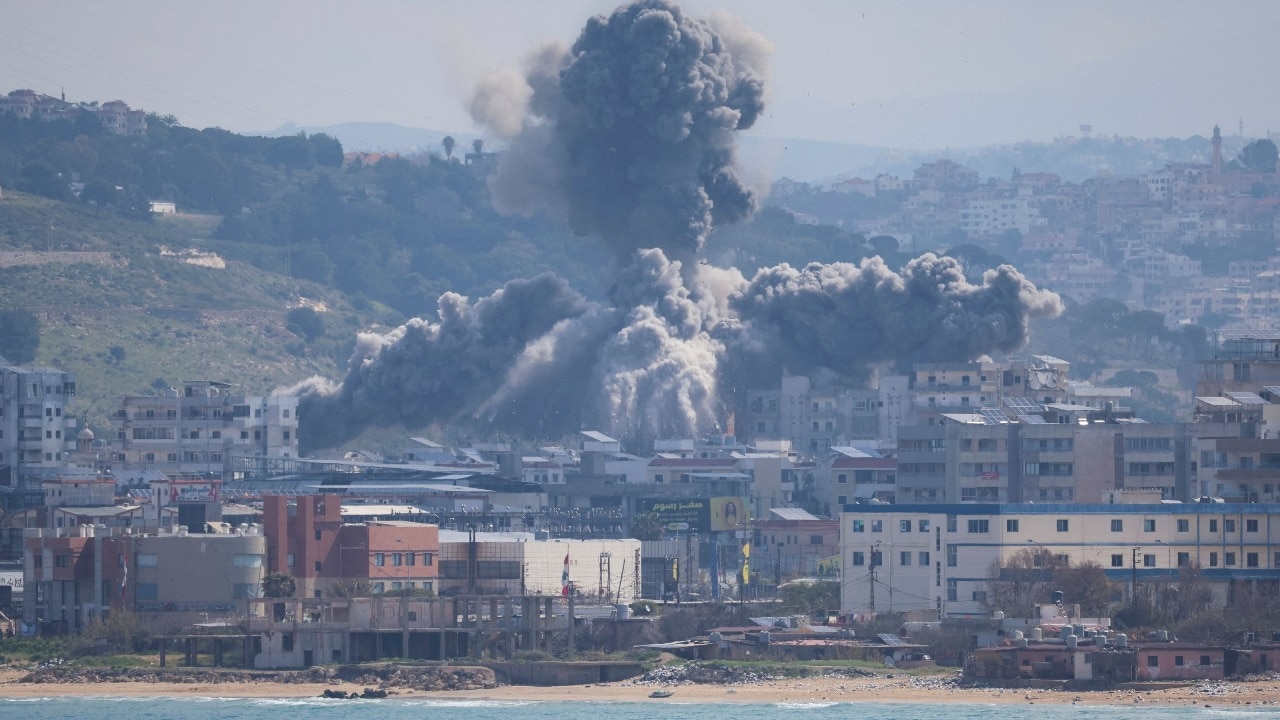
Lebanon’s News Agency, meanwhile, said the Israeli military was continuing to carry out attacks on southern parts of the country. Israeli forces bombed the town of Srifa in southern Tyre as well as a car in Sadiqin on Wednesday morning, wounding several people, it said.
CHAOTIC IRAN REGIME
In Iran, it is still not clear who's calling the shots because the statements have often been contradictory. On Tuesday, Tehran Times claimed Iran had closed all communication channels with the US. But just minutes later, it said the channels were still open, contradicting its own report.
Most Iranian officials maintained that they won't open Hormuz and will not accept any ceasefire requests until their demands are met. But the sudden decision to go back to words was quite unpredictable. At times, it seems Iran is not speaking in one voice but in many voices, as if to match Trump's blabber.
Trump had also said that the US is talking to not just one but many negotiators in Iran. In such scenario, if the decision-making power does not lie with one person or one unit, there are chances of the agreement being breached.
WILL PROXIES STOP ATTACKS?
When the US, Israel and Iran were involved in the big war, several regional militias, proxies and other groups like Lebanon's Hezbollah and Yemen's Houthis also became active. While the US and Iranian authorities may cease the fire, it could be difficult to stop attacks by all groups in so many countries at once.
Hezbollah, along with the Houthis and Iraqi militias, had fired at Israel during its 2024 conflict with Iran.
Lebanon-based Hezbollah, Iran’s most strategically valuable proxy for four decades, fired rockets into Israel in March, reopening a fight officially closed since November 2024.
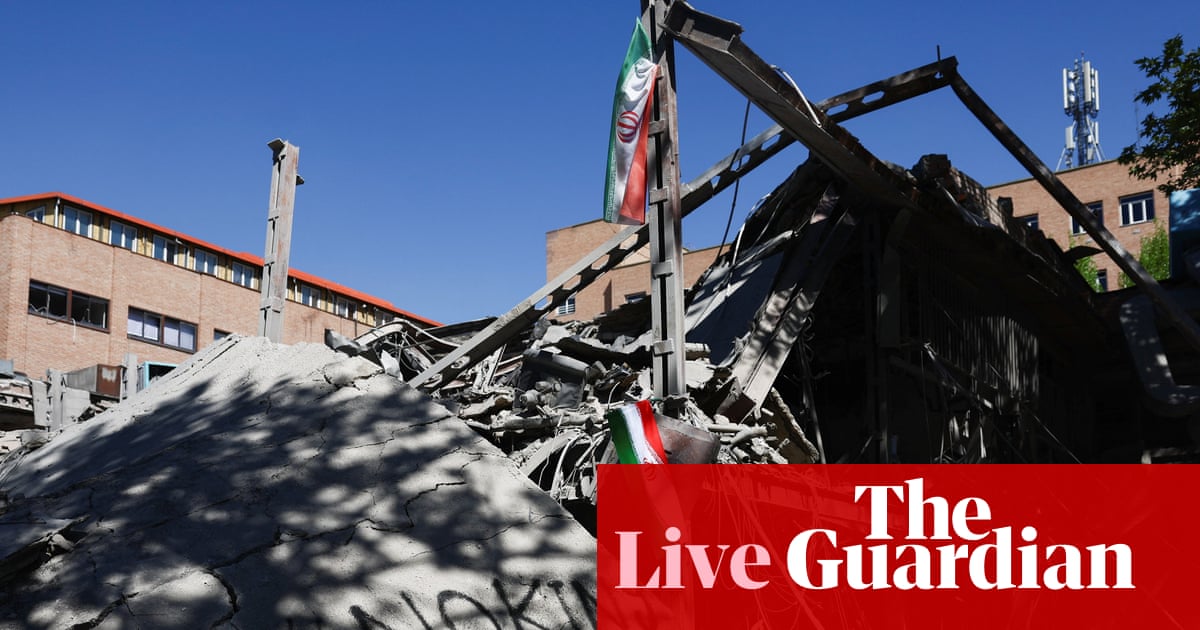
In six weeks, the war has claimed over 5,000 lives across nearly a dozen countries, including more than 1,600 civilians in Iran. US strikes have killed Iran's Supreme Leader Ayatollah Ali Khamenei, security chief Ali Larijani, and several other key figures, while destroying country's critical infrastructure.
- Ends
Published By:
Priya Pareek
Published On:
Apr 8, 2026 14:40 IST
Tune In