2 hours ago
Over the course of the Iran-US war, China, one of Tehran's key allies, remained a silent player. However, it has now emerged that China's discreet diplomacy and a last-minute intervention got Iran on board for the two-week ceasefire deal. Thus, China, and not Pakistan, has emerged as the real player.
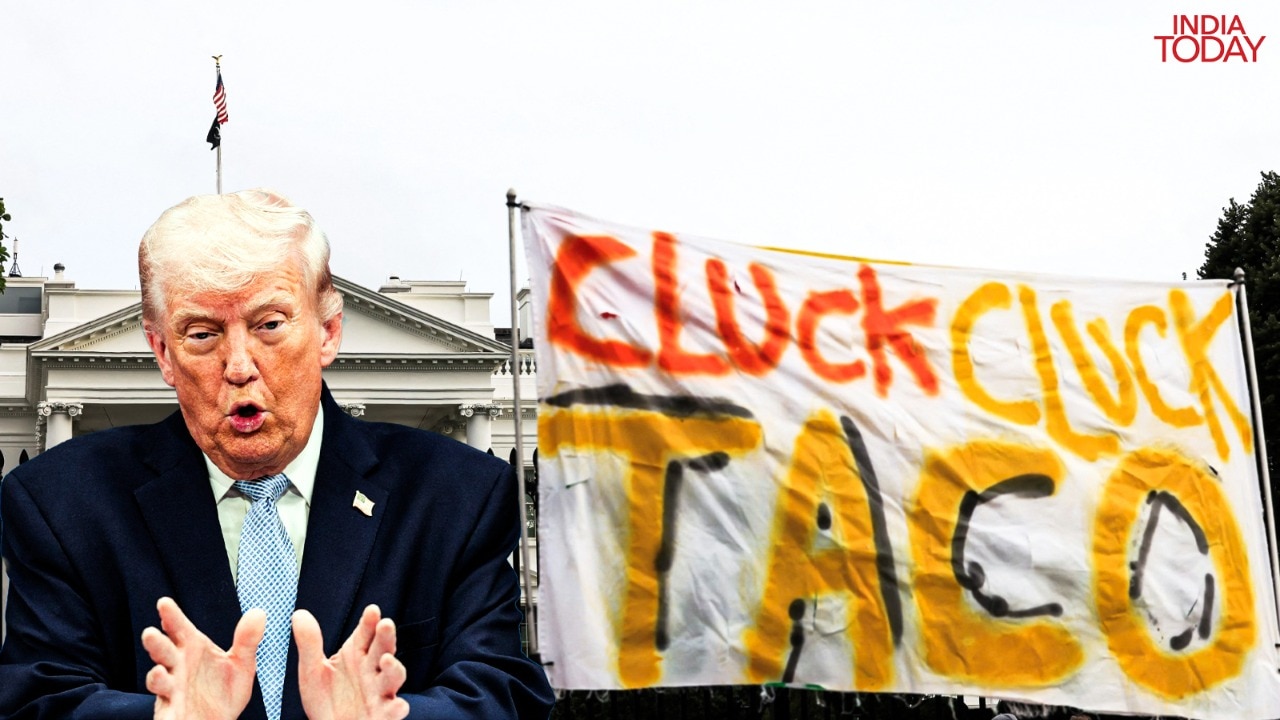
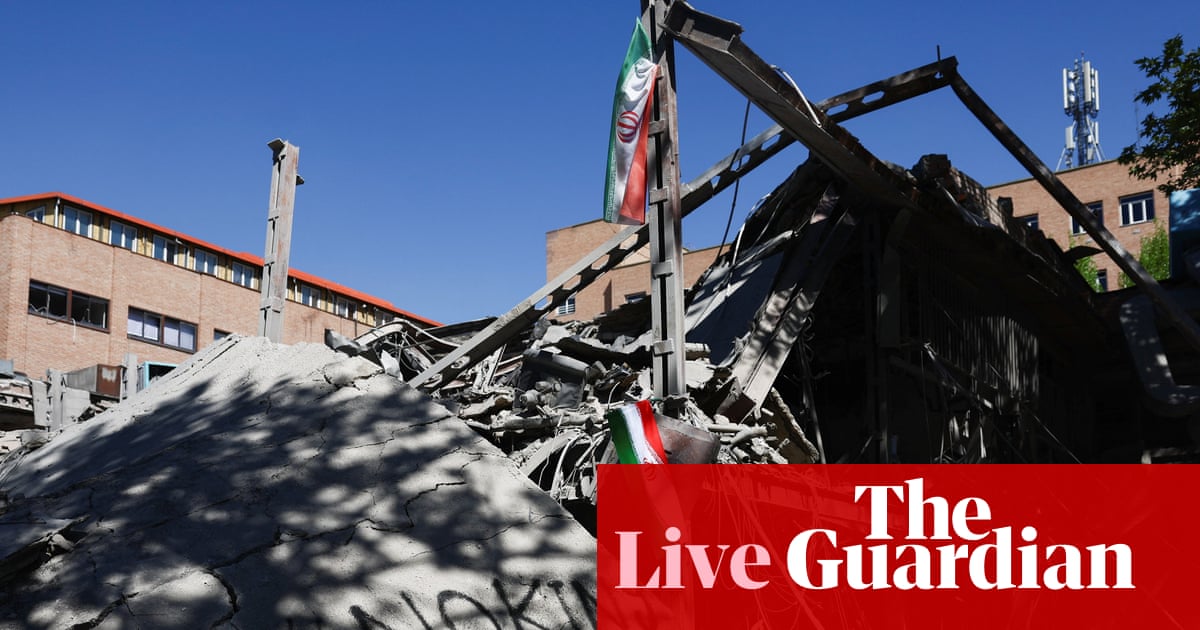
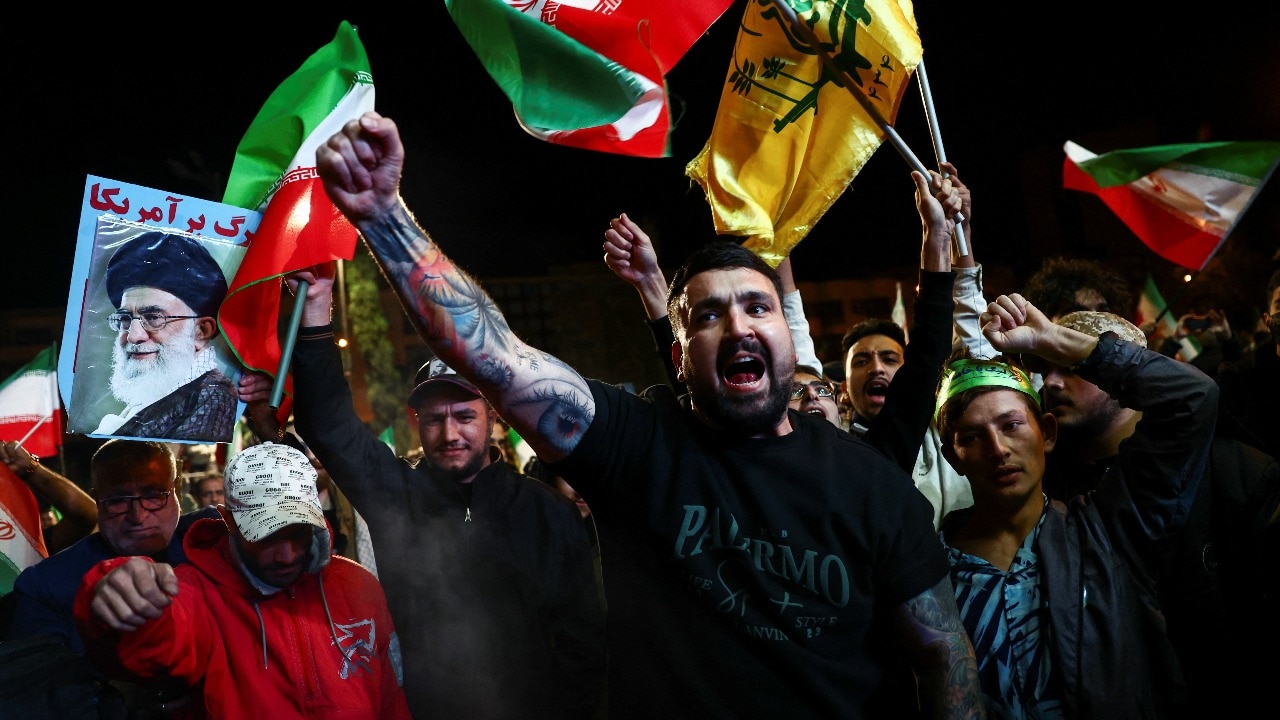
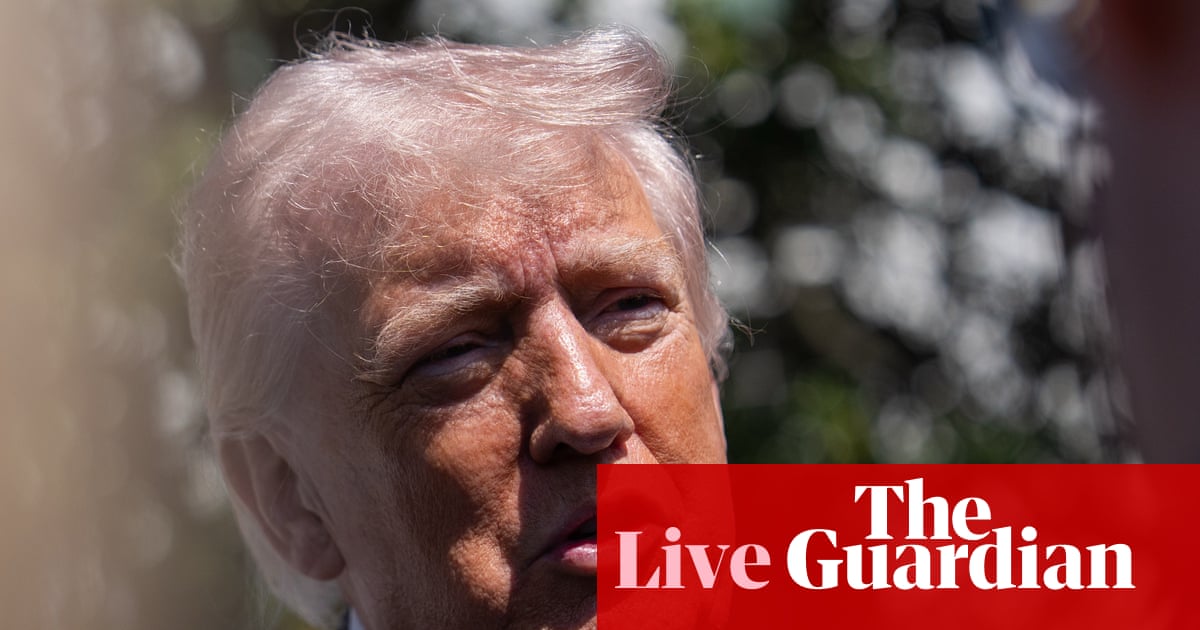
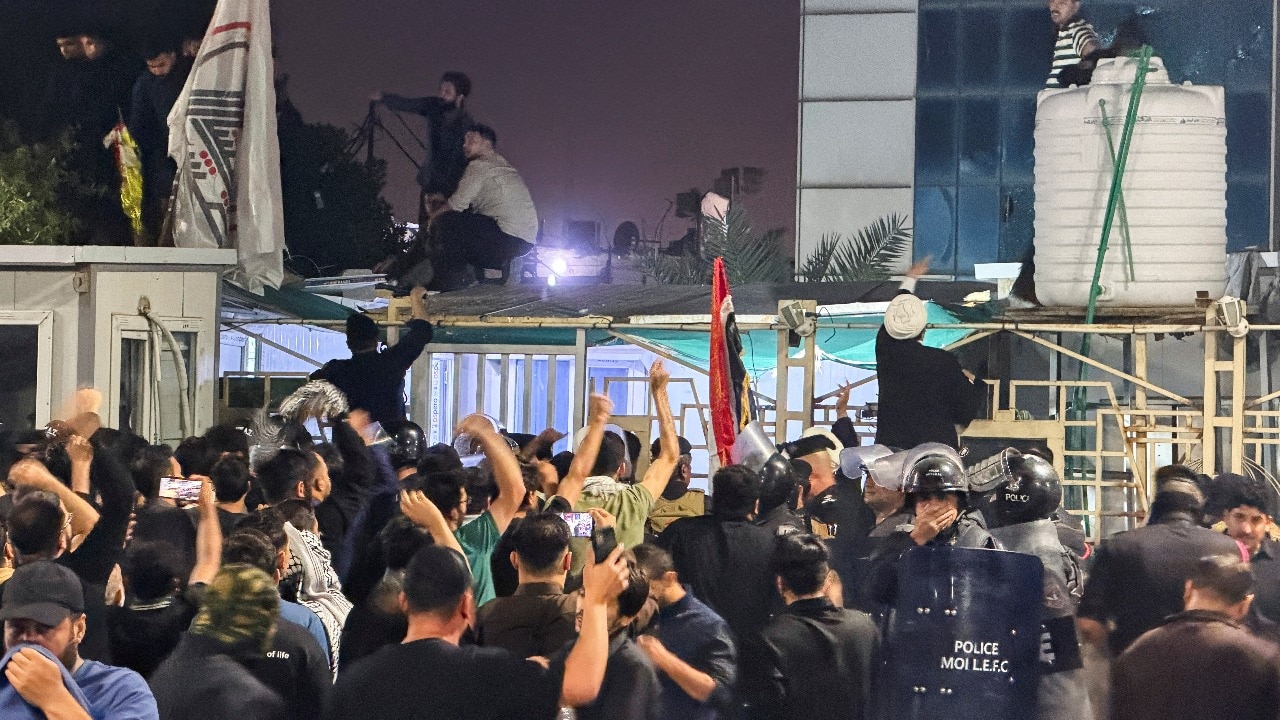
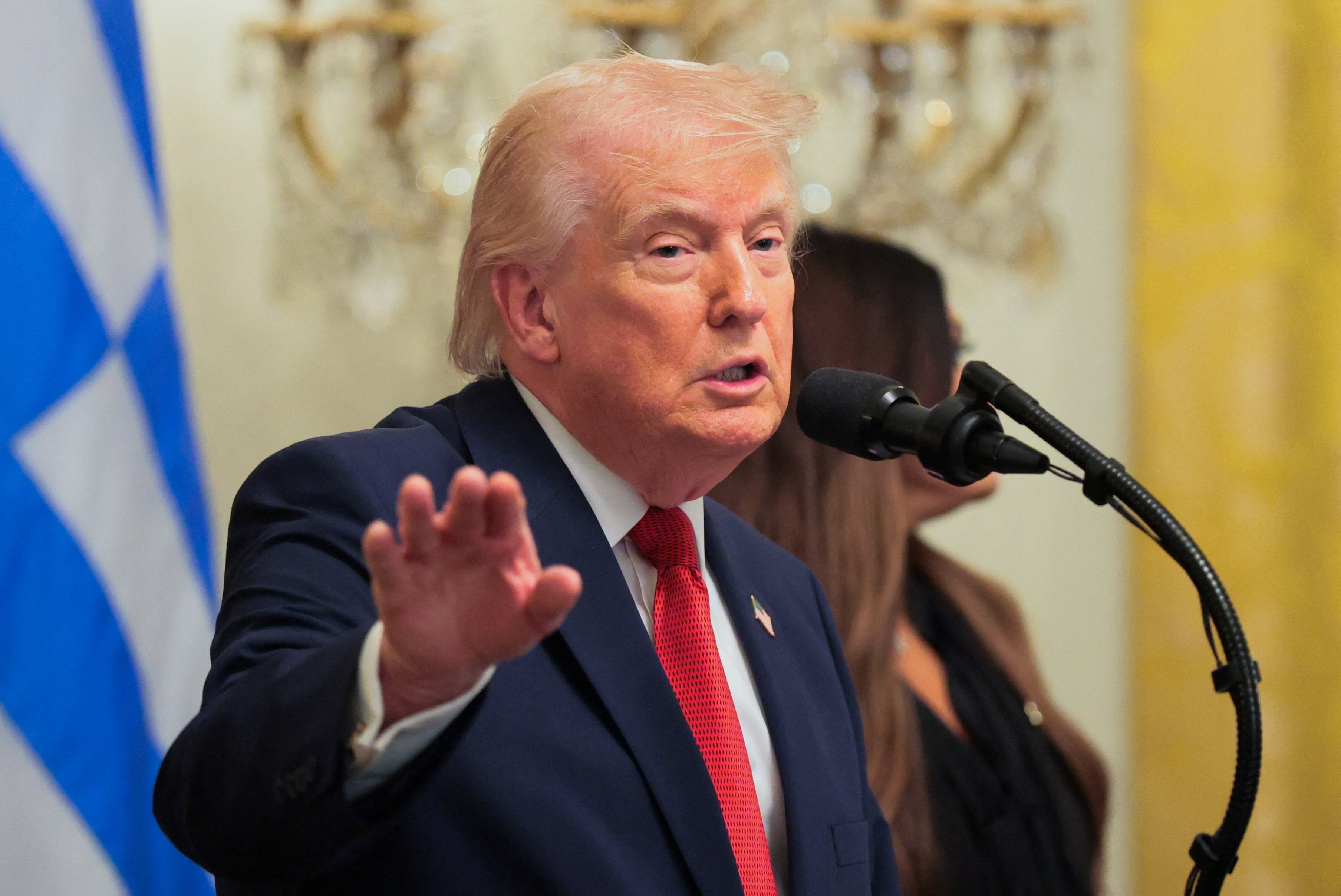
On Tuesday, US President Donald Trump, in an apocalyptic threat to Iran, warned that "a whole civilisation will die tonight" unless a ceasefire deal was reached. Iran, not one to back down, said it had cut all diplomatic channels with the US. The war was about to escalate. But 10 hours later, a truce was reached, and Iran agreed to reopen the Strait of Hormuz, the vital energy corridor. So what changed in those 10 hours? While the US credited Pakistan's role for the two-week ceasefire, it was a last-minute intervention by China that sealed the deal.
Over the course of the one-month war, China, one of Iran's key allies, remained a silent player. It came into the picture only earlier this month after Pakistan, which was mediating between the US and Iran, reached out to Beijing to get its support. It gave China an opening to play peacemaker. Now, it has emerged that China was the key guiding force behind the ceasefire agreement.
CHINA'S ROLE IN US-IRAN CEASEFIRE
Even Trump, hesitatingly or not, acknowledged it. "I hear yes," Trump told AFP when asked if China was involved in pressuring Iran to negotiate.
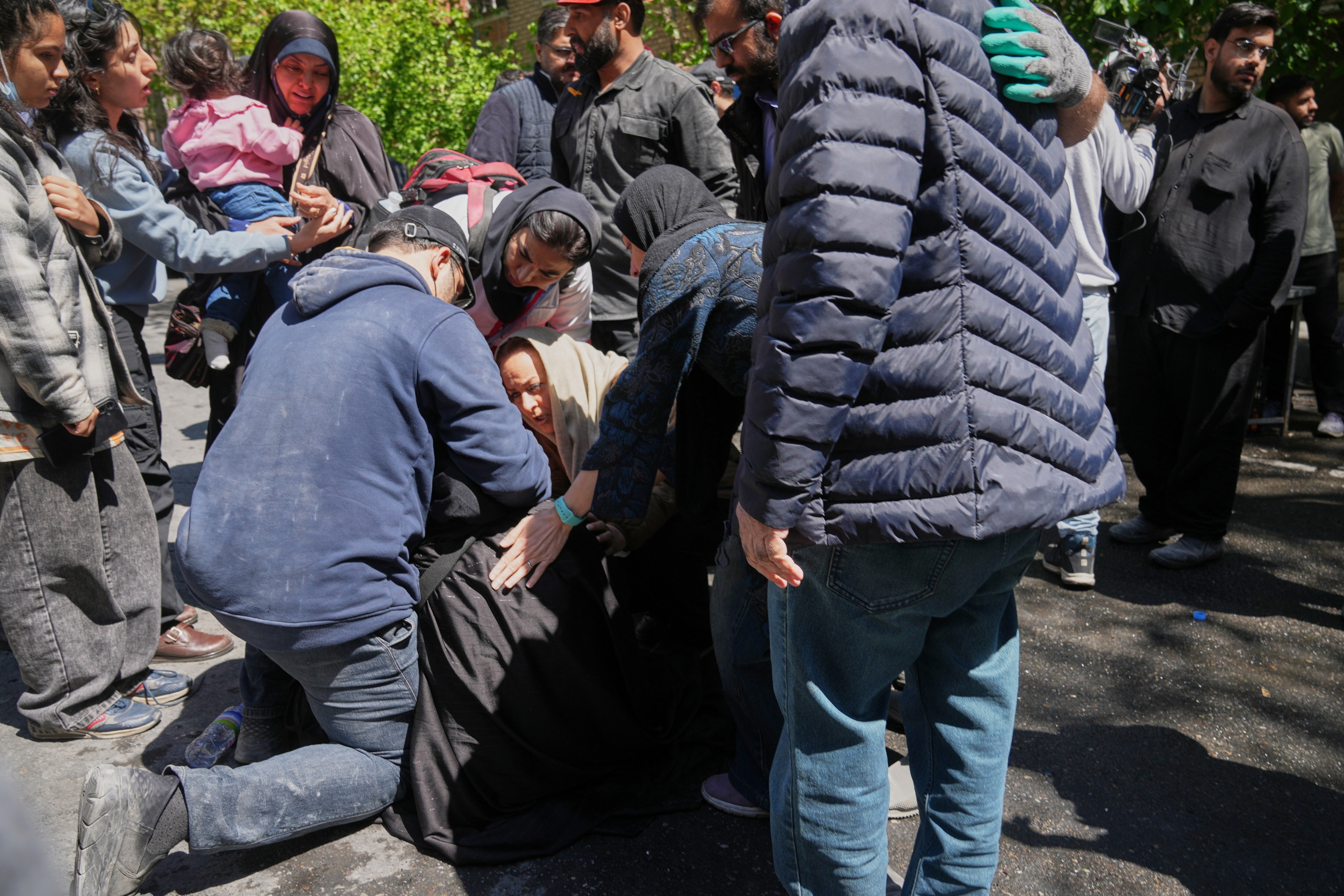
Initially, China was working with intermediaries, including Pakistan, Turkey, and Egypt, to end the conflict, which has left over 2,000 dead in Iran. However, as Trump's deadline neared and the prospect of a full-blown war looming, China directly engaged with Iran, two Chinese officials told AP.
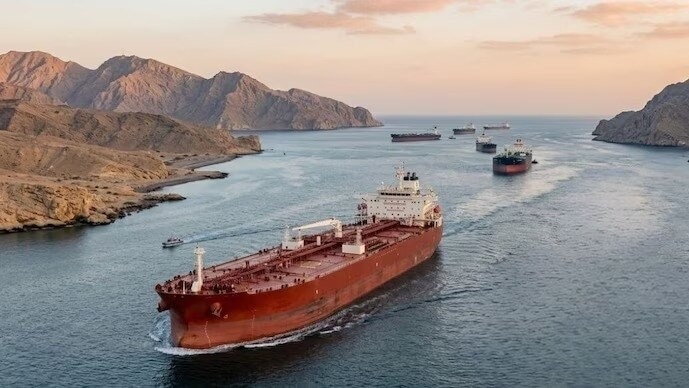
In fact, hours before the ceasefire announcement, China and Russia, another ally of Iran, blocked a resolution at the United Nations Security Council (UNSC) that would have authorised the use of force to reopen the Strait of Hormuz, through which one-fifth of the world's oil passes. Iran's chokehold of the crucial waterway halted crude supplies, leading to a spike in global oil prices. China said the UN resolution was biased against Iran.
China, however, has not officially commented on its role. It aligns with its broader strategy to not get directly dragged into the Middle East mess that Trump has created.
China's silence, however, has not escaped global attention. It was the topic of the latest cover of The Economist, which carried the headline - 'Never interrupt your enemy when he's making a mistake'.
The timing of the development is crucial. Trump is due to travel to Beijing next month for a meeting with Chinese President Xi Jinping.
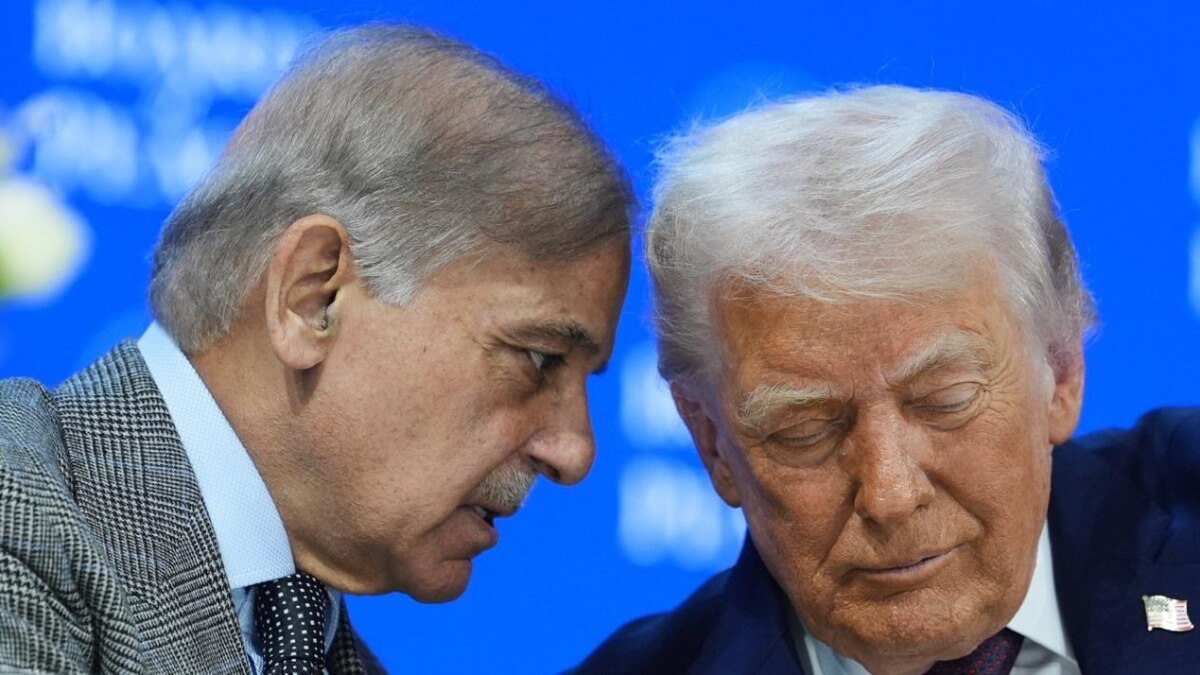
While Trump acknowledged China's role, it found no mention in Trump's official statement. The US President's ceasefire announcement explicitly credited Pakistani mediation, naming Prime Minister Shehbaz Sharif and his "favourite Field Marshal" Asim Munir.
Experts said the omission of China was strategic.
"Acknowledging Chinese pressure would position Beijing as a co-equal broker in a war that America prosecuted, and America is now settling," tweeted author and geopolitical expert Shanaka Anslem Perera.
"By crediting Pakistan, Trump preserves the frame that the US drove the outcome while using a trusted intermediary, and keeps China's role invisible to the domestic audience that would interpret it as weakness," he further said.
What further lends credence to the theory that China was the real player behind the mediation are questions over Pakistan's diplomatic decisions.
Before Trump's ceasefire announcement, Pakistani PM Shehbaz Sharif, in a post on X, requested Trump to delay the deadline for military action by two weeks while urging "Iranian brothers" to reopen Hormuz. However, the initial version of Sharif's post, which carried the line "Draft - Pakistan's PM message on X", has drawn global scrutiny.
Several experts suggested that the phrasing "Pakistan's PM" in the draft indicated the post might have been written by an "external country".
Ryan Grim, an American author and journalist, suggested the message was likely not written by Sharif, and it could have been "written" by the US.
"Pakistan is acting as a US puppet, not a neutral negotiator," researcher and professor Adam Cochran tweeted.
In fact, questions over Pakistan's neutrality had prompted Iran not to engage with Islamabad directly. Iran had also declined to meet any US delegation on Pakistani soil. "Pakistan's diplomatic forums are their own," Iran had said.
It must be remembered that Pakistan has mostly acted as a messenger between the US and Iran. The real game lies in bringing both sides to the negotiating table. And when it mattered the most, it required China's intervention to get Iran to eventually agree to the ceasefire.
But a closer look suggests that beyond its peacemaker role lies China's bid to protect its own interests. It must be remembered that China is the world's largest crude oil importer.
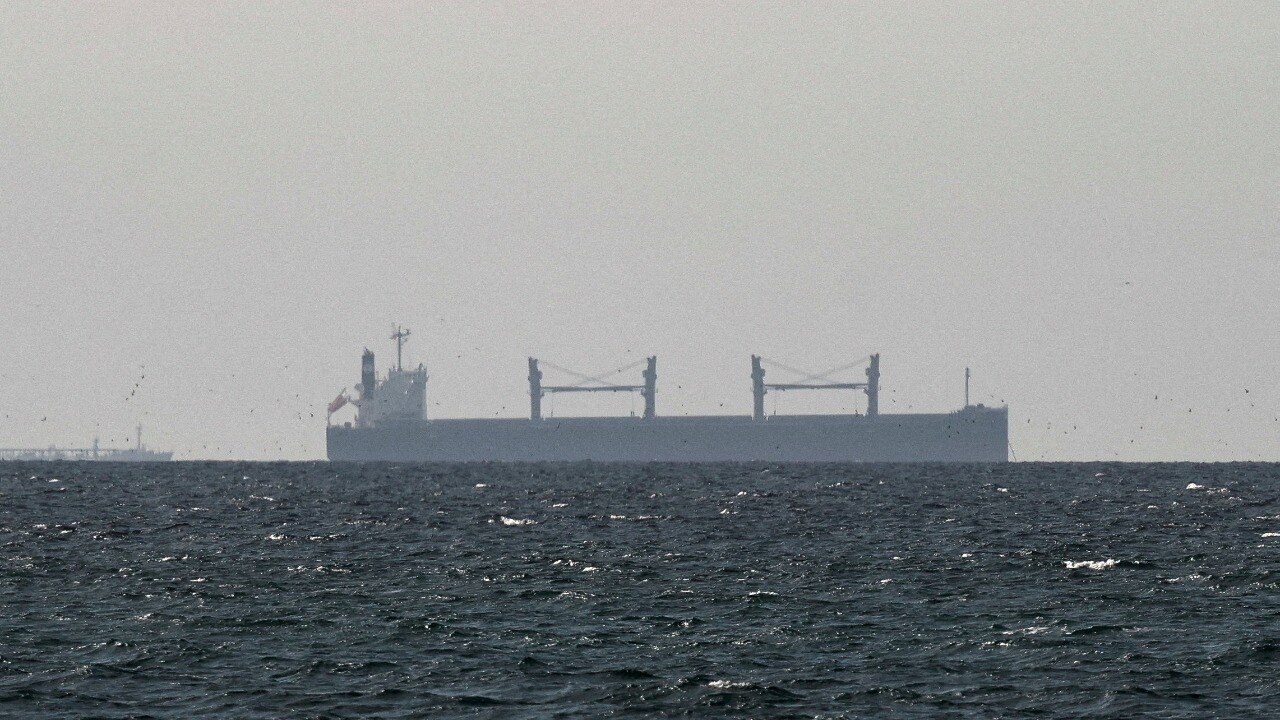
Amid the Iran war, China remained largely insulated from the oil shock due to its large reserves and by receiving millions of barrels of Iranian oil through shadow fleets (old vessels that usually have no insurance).
The bigger risk for China was escalation in the conflict. If a full-blown war broke out, Iranian oil exports could have stopped entirely. Moreover, if the US took control of Hormuz, the shadow fleets could have been intercepted. Already, Venezuelan oil exports to China have fallen after the US took control of its reserves following the capture of its president, Nicholas Maduro.
A dramatic escalation in the Middle East would have directly hurt China's energy security and economy. Moreover, an unstable global economy due to prolonged war could severely hit the ability of China, a manufacturing hub, to sell goods around the world.
- Ends
Published By:
Abhishek De
Published On:
Apr 8, 2026 11:29 IST
Tune In