2 hours ago
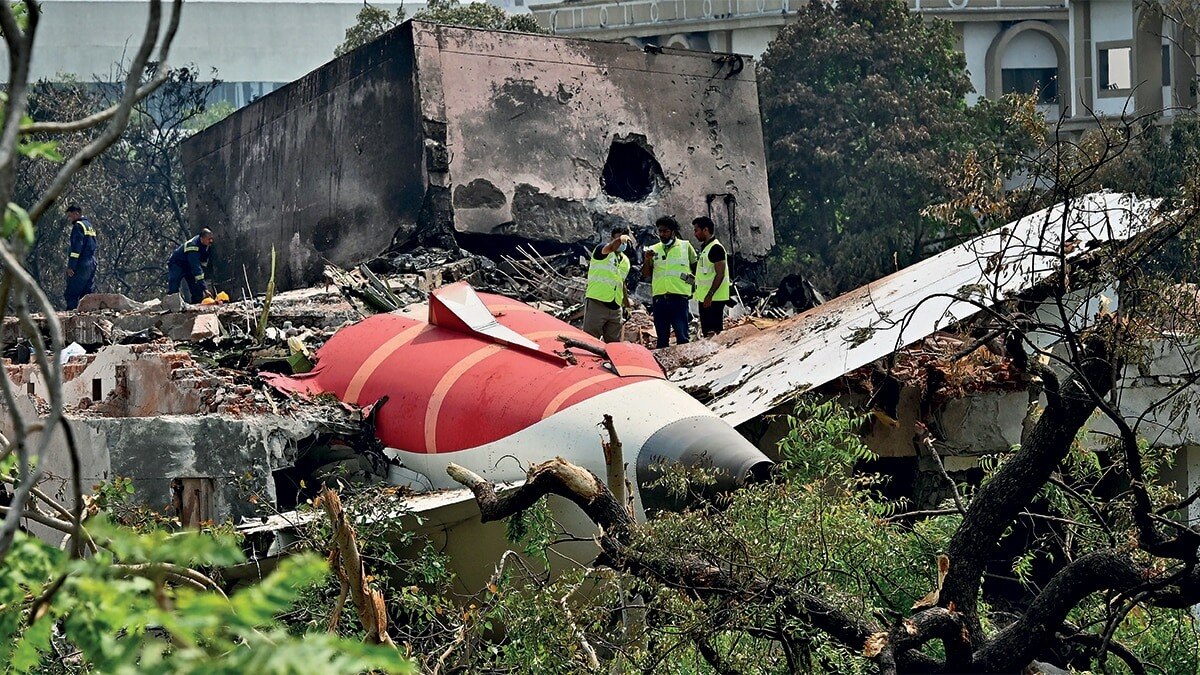
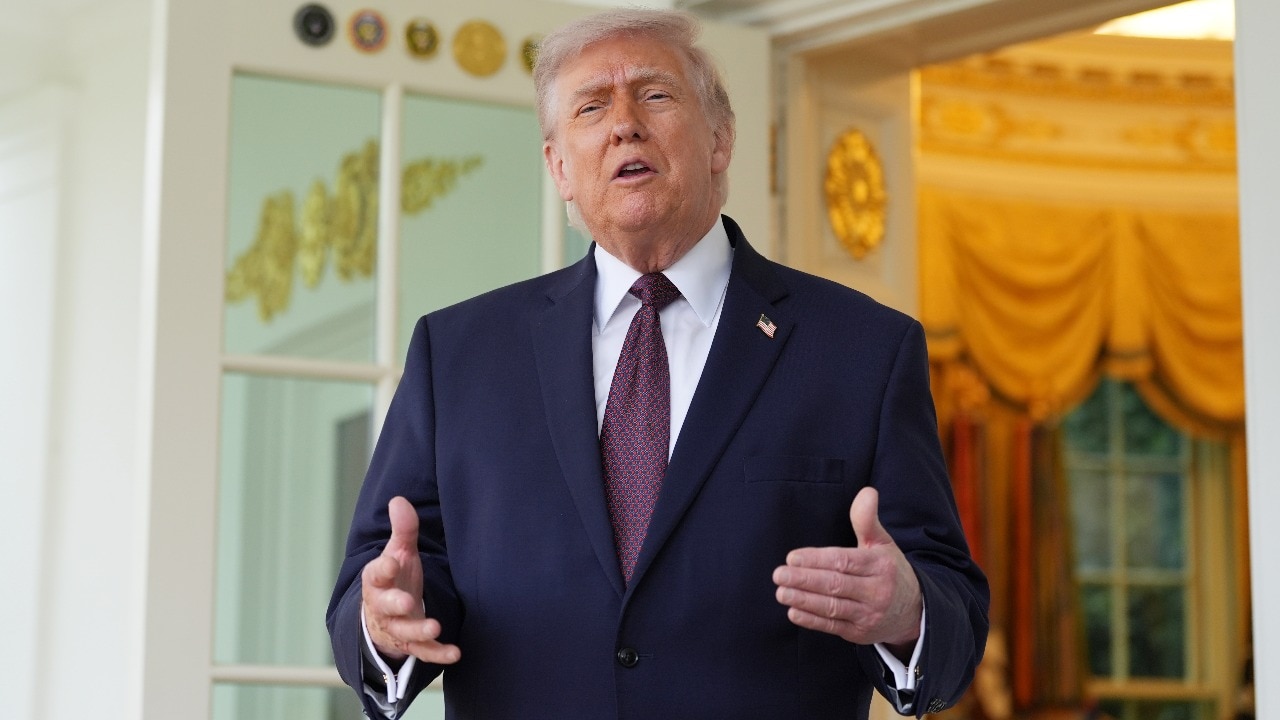
Pakistan is hoping to host a second round of peace talks between the US and Iran tomorrow, but Tehran has yet to signal any willingness to participate. As the ceasefire deadline approaches, tensions are rising once again. With the clock ticking, the question now is: will there be a deal, a last-minute extension from Donald Trump, or a return to full-scale war?
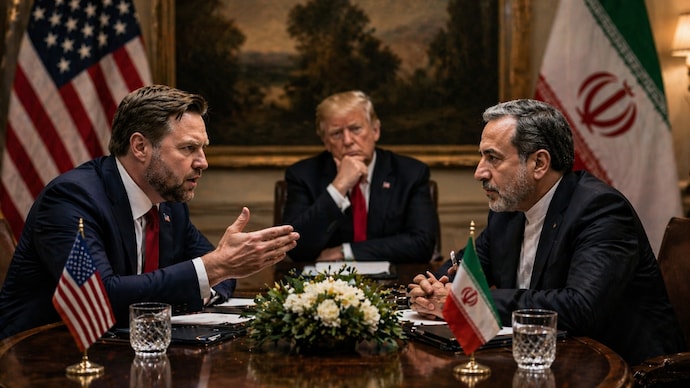
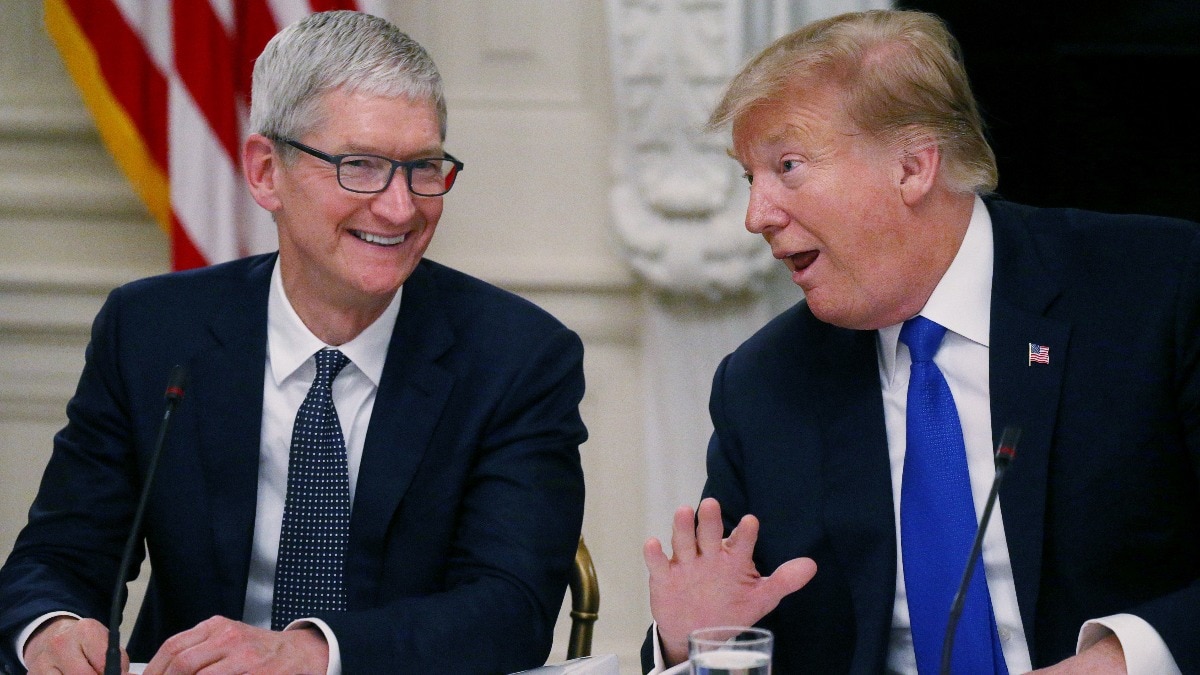
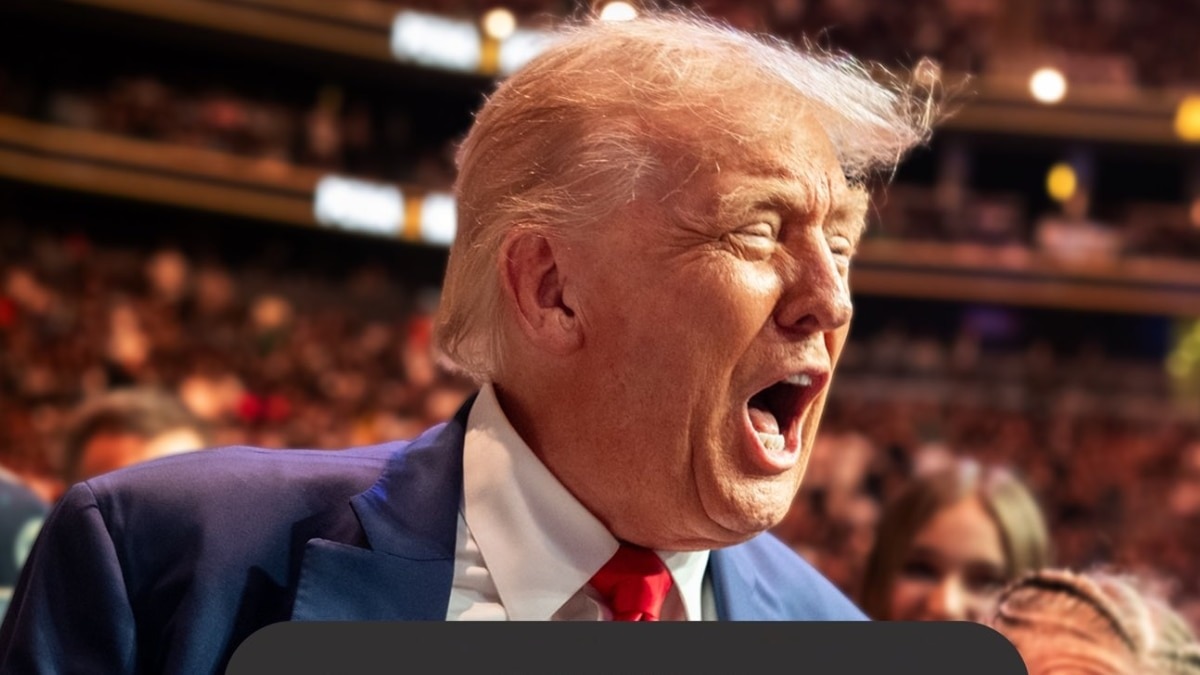
Trump has been hoepful of a deal and is even planning to visit Pakistan for the signing. (AI-generated image)
The guns have been largely silent for the last two weeks. For the first time since the conflict erupted on February 28, the US and Iran agreed to a ceasefire, bringing a fragile pause to weeks of missile strikes and air raids. The skies may be quiet, but the war of words has only intensified, playing out in threats from Donald Trump and memes from Tehran across social media.
That uneasy calm is set to expire tomorrow.
With the two-week deadline looming, Pakistan, tasked with mediating, has yet to secure a breakthrough. Trump has issued a stark warning: without a deal, the bombing will resume. Iran, meanwhile, has drawn its own red line, refusing to negotiate under pressure. The standoff raises a pivotal question: will Trump follow his familiar pattern of extending deadlines, or make good on his threat?
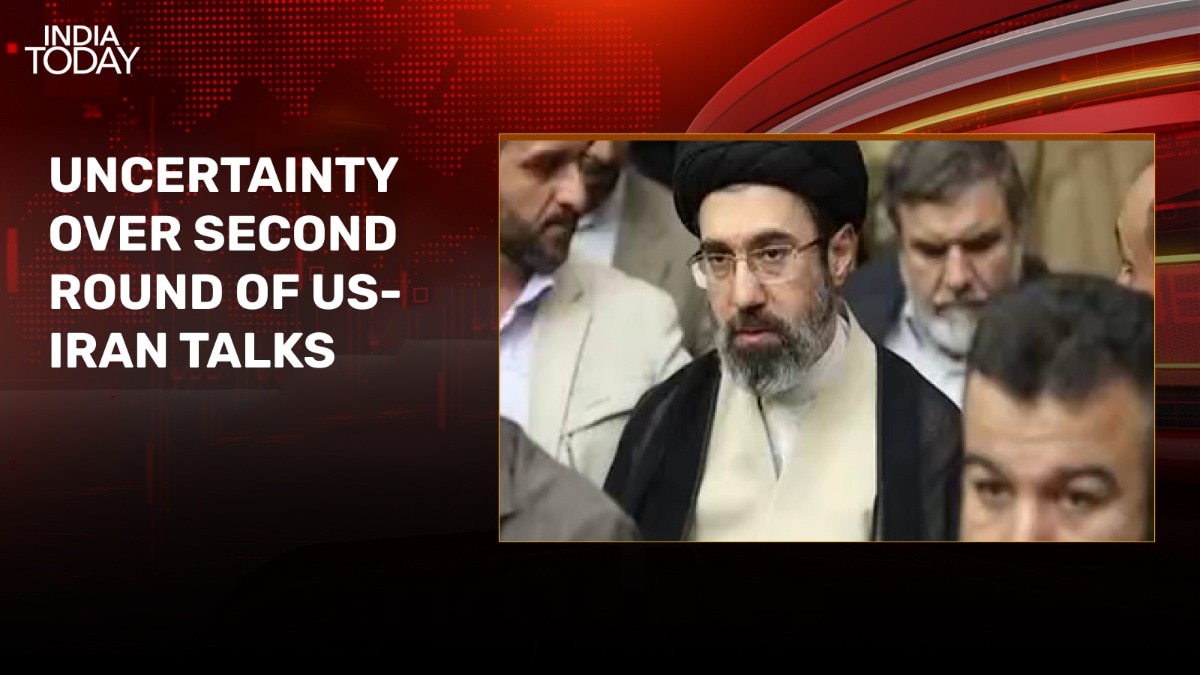
All eyes are now on Islamabad, where the US and Iranian officials are scheduled to hold a second round of peace talks after the first round yielded no outcome. Trump said US Vice President JD Vance is on the way to Islamabad, but Iran’s reluctance to attend has thrown the process into uncertainty. With diplomacy hanging by a thread, the countdown has begun: deal or bombs?
BUT FIRST, A RECAP OF FIRST ROUND
When you want to find answers for the future, you often look at the past. In the case of US and Iran, the past has offered little comfort. After weeks of strikes and counter-strikes, when the two countries finally met for peace talks in Islamabad on April 11, the stakes were high. It was the first highest-level direct engagement between Iran and the US since the formation of the Islamic Republic of Iran in 1979.
The talks, which went on for over 20 hours, failed as neither side was willing to compromise or move from its red lines. The US demanded that Iran halt uranium enrichment and commit not to seek nuclear weapons in the future. Iran refused. It maintained that its nuclear programme was for peaceful civilian purposes.
After the talks, US Vice President JD Vance, who had flown to Islamabad for the negotiations, said, "We just could not get to a situation where the Iranians were willing to accept our terms." Vance, however, said that the American side was "quite flexible and accommodating."
Iran's foreign ministry called the US demands "excessive and unreasonable."
Later, Trump said most points were agreed to, but Iran refused to give up uranium. He then announced a naval blockade or Hormuz.
"So, there you have it, the meeting went well, most points were agreed to, but the only point that really mattered, nuclear, was not. Effective immediately, the United States navy, the finest in the world, will begin the process of blockading any and all ships trying to enter, or leave, the Strait of Hormuz," he wrote on Truth Social.
So, the bone of contention has been uranium.
IS IRAN EVEN ATTENDING TALKS?
Iran has refused to take part in the second round of talks, citing Trump's naval blockade and consistent threats as key reasons. Iran said it has not sent any delegation of any level to Islamabad yet for the peace talks. Trump, on the other hand, claimed that a team of US officials, led by Vice President JD Vance, is already on its way.
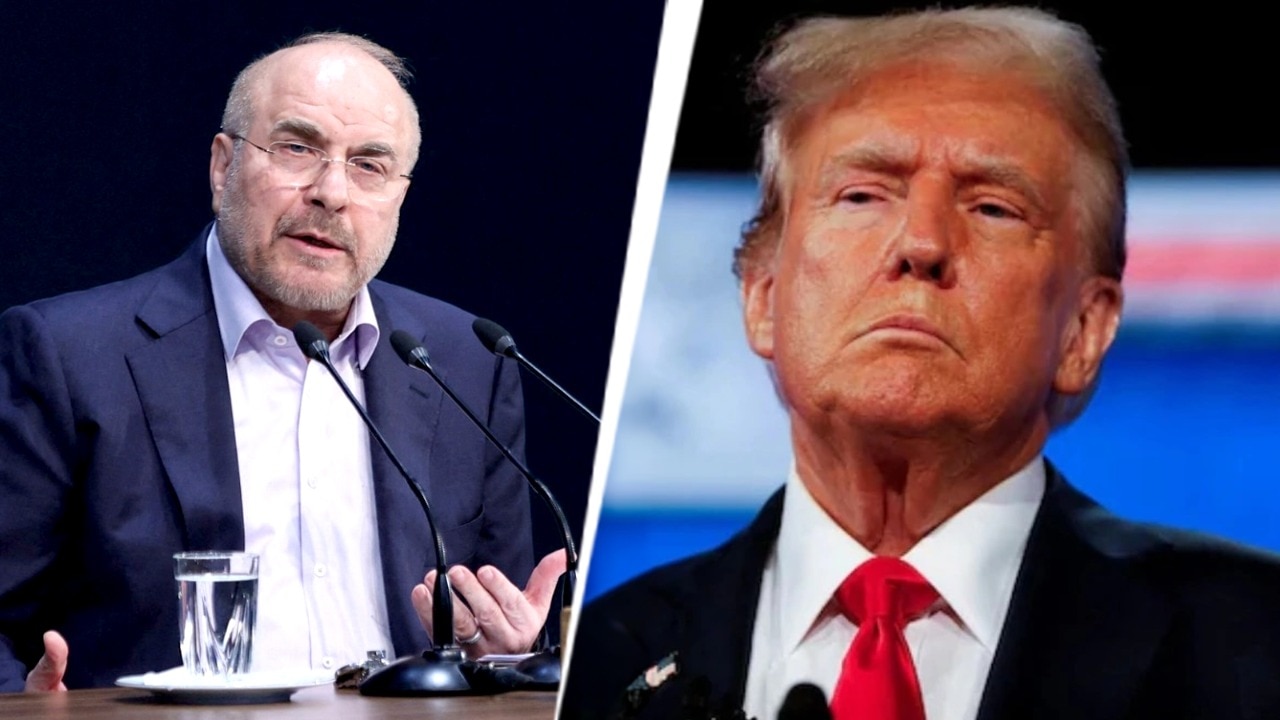
Mohammad Bagher Ghalibaf, Iran’s parliament speaker and one of Tehran’s lead negotiators, accused the US president of “imposing a siege and violating the ceasefire” in continuing the naval blockade of Iranian ports.
MP Mohammad Reza Mohseni Sani, a member of Iran’s parliamentary Security Commission, told news agency Mehr that the next round of talks is off the table. He said “negotiations are not acceptable” in “the current situation”, accusing the US of being “overly demanding” and pursuing ulterior objectives for domestic benefit.
“Given the current conditions, recent aggressions and the history we have with the United States in previous negotiations, the next round of talks is, God willing, off the table,” he said.
A Pakistani source involved in the discussions told Reuters there was momentum for talks to resume on Wednesday. The Pakistani source, who declined to be identified while discussing confidential diplomatic matters, said Trump might attend, either in person or virtually, if a deal were to be signed.
“Things are moving forward and the talks are on track for tomorrow,” the source said on Tuesday.
But, Iran's ambassador to Pakistan, Reza Amiri Moghadam, said on social media that any nation with a great civilisation would not negotiate under threat or force.
DEAL OR BOMBS: WHAT NEXT?
Donald Trump has struck an optimistic tone about the prospects of a deal with Iran. On Tuesday, just hours before the scheduled peace talks, he said, "we will end up with a great deal", adding, "We're dealing with them very successfully. We're in a strong negotiating position."
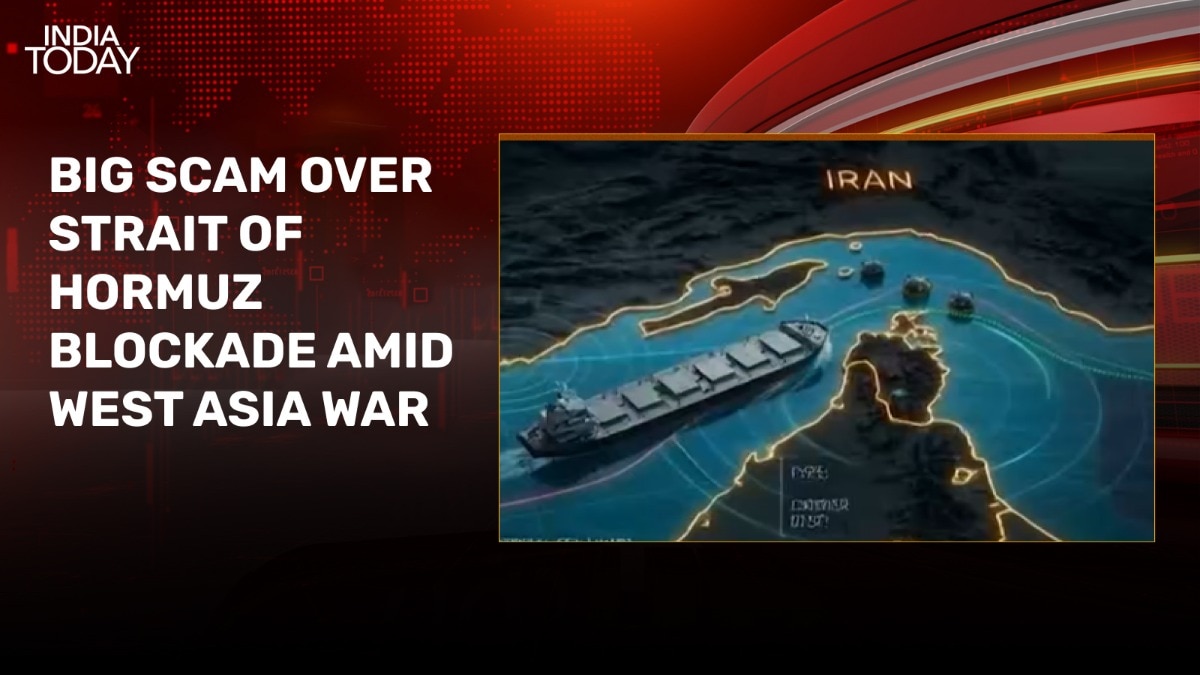
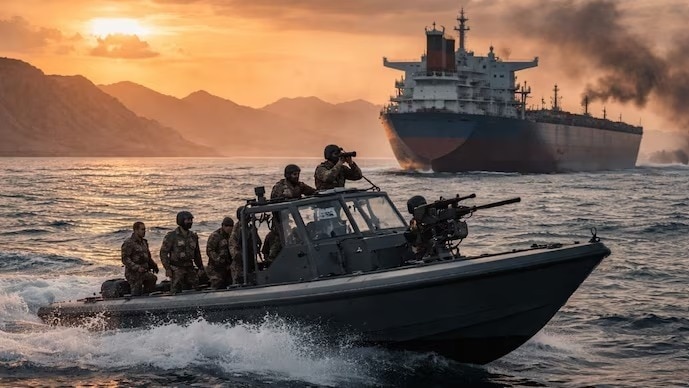
A deal appears unlikely for now, even if Iranian officials agree to attend the second round of talks. Both sides remain firmly entrenched, with no shift in their positions. The core dispute over uranium enrichment persists. While the US wants Iran to abandon any pursuit of nuclear weapons, Tehran continues to insist its programme is non-negotiable. Control of the Strait of Hormuz remains another major flashpoint. Iran has moved to restrict access to the strait, while the US has imposed a blockade on Iranian ports.
In the meantime, rhetoric has only hardened. Both sides have continued their verbal offensives, using both media and social media to signal readiness for further conflict. Donald Trump has warned that if a deal is not reached, military action will follow. Speaking to PBS News, he said that if negotiations fail, “then lots of bombs start going off.”
Iran, too, said it has new cards to unveil on the battlefield. Ghalibaf said Iran would “not accept negotiations under the shadow of threats” that would make the discussions a "table of surrender".
"In the last two weeks, we have been preparing to show new cards on the battlefield," he added.
A senior military commander said on Tuesday that Iran was ready to deliver an "immediate and decisive response" to any renewed hostility, the semi-official Tasnim news agency said.
WILL TRUMP EXTEND CEASEFIRE?
Trump has a track record of pushing deadlines and, at times, extending them when negotiations drag on. That pattern has even become fodder for Iran’s memes. The question now is whether the same playbook will apply to this two-week ceasefire. For the moment, Trump is signalling otherwise. In an interview with Bloomberg, he said it was “highly unlikely” that he would extend the deadline if no deal is reached.
Later, while speaking to CNBC, Trump ruled out a ceasefire extension, saying, "We don't have that much time. I don't want to extend ceasefire."
It stops short of an outright refusal, but it leaves little room for optimism.
- Ends
Published By:
Priya Pareek
Published On:
Apr 21, 2026 18:38 IST
Tune In