1 hour ago
A new UN report says the world is likely to cross the 1.5 degrees Celsius warming limit within the next few years. It shifts the task towards limiting overshoot, cutting emissions quickly and protecting vulnerable communities.

Image used for representational purposes only

Washington,UPDATED: Sep 2, 2026 11:28 IST
The United Nations has said the world is now likely to cross the 1.5 degrees Celsius warming limit set under the 2015 Paris climate accord within the next few years, marking a major shift in the global climate fight. In a report issued on Wednesday, the UN Environment Programme said the focus must now be on limiting how far temperatures rise above that mark and then bringing them back down.
The report says that even if that path is followed, the world will still face decades of greater climate damage, including more extreme weather, rising seas, species loss, and melting ice and glaciers. "Humanity is speeding past the limit to avoid climate catastrophe," United Nations Secretary-General António Guterres said.
After the Paris accord, the United Nations asked its climate science body to examine different warming limits. The 1.5 degrees Celsius goal became widely accepted after scientists found that the effects on people and the planet would be far worse at 2 degrees Celsius than at 1.5 degrees. Some scientists say the world is already at 1.4 degrees Celsius above pre-industrial levels, based on a 20-year average rather than a single year.
While UN officials had long said the 1.5 degrees window was still open, the new report says the world will cross that threshold "in the next few years". Under its most optimistic scenario, warming would peak at 1.8 degrees Celsius around the middle of the century if countries pursue ambitious climate goals. But under present government policies, temperatures are projected to rise to 2.6 degrees Celsius above pre-industrial levels by 2100.
The report says policymakers should now "prepare for and navigate a future" in which the world goes beyond 1.5 degrees and then cools back below it. It describes this path as "overshoot" - a hump-shaped rise in temperatures that peaks and then gradually falls, ideally by the end of the century. "Let's be very clear, 1.5 target is still the goal. But now we need to approach it differently from above," UNEP Executive Director Inger Andersen said.
That would require ending the use of fossil fuels and developing ways to remove carbon dioxide from the air. "It's a reality check. We have to live with this warmer world," said report co-author Richard Betts, a climate scientist at the University of Exeter. "But there's still a lot we can do to limit warming." Andrew Weaver, a climate scientist at the University of Victoria who was not part of the study, said the 1.5 limit is not "some magical climate cliff" where "it's just game over". "Every tenth of a degree we avoid still means less damage," he said.
The report says the most important step is to limit the peak temperature and shorten the time spent above 1.5 degrees. But Betts said the world is likely to remain in this overshoot period for "many, many decades". Report co-author Joeri Rogelj of Imperial College London said every five years of delay in cutting emissions adds at least a tenth of a degree to peak warming. "If we act now we can limit overshoot," the report said. "Not a safe world, but safer than remaining above" 1.5 degrees for the long term.
Weaver said the document was "among the bleakest U.N. climate reports I have read" and carried "the unmistakable tone of desperation, frustration and urgency - but not resignation". Climate scientist Bill Hare, chief executive of Climate Analytics, said that "although UNEP does a good job of describing the hole we've dug ourselves into, it does a poor job of showing us that there's a way out".
The report also says governments must step up efforts to adapt because some damage cannot be avoided, especially for poorer communities. Andersen said this phase is about "coping and containment". During the overshoot period, more people are likely to die or fall ill because of worsening climate change and extreme weather, while food production will fall, hunger and water shortages will grow, economies will suffer, and species such as coral will go extinct.
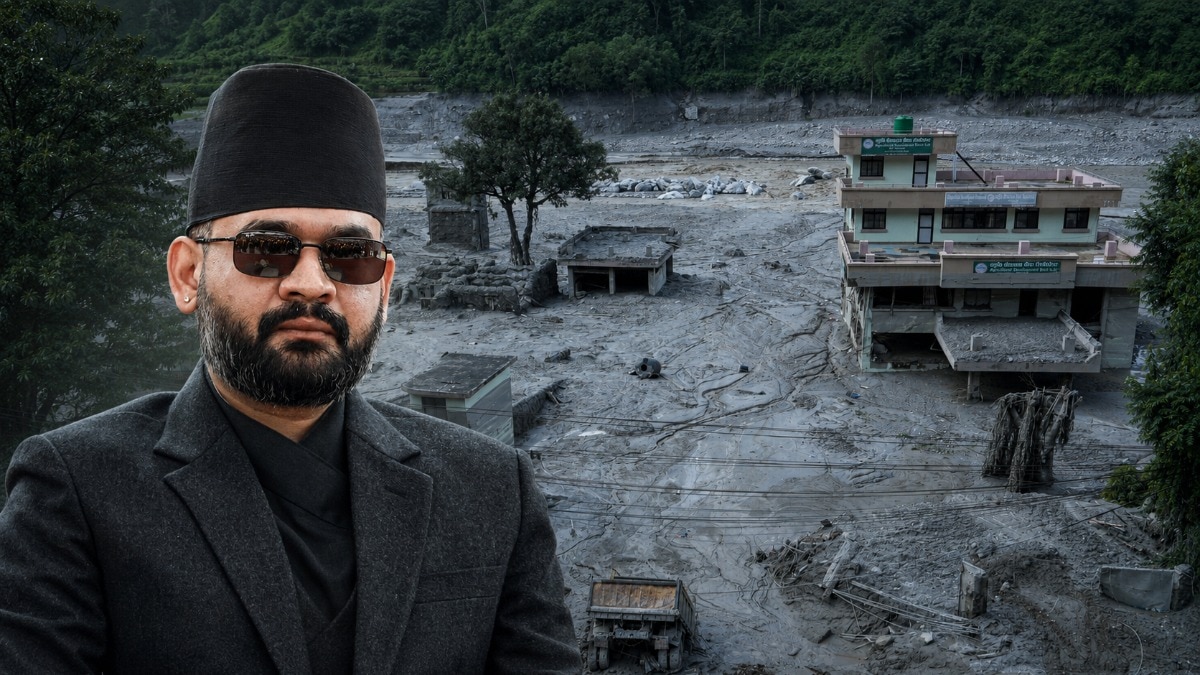
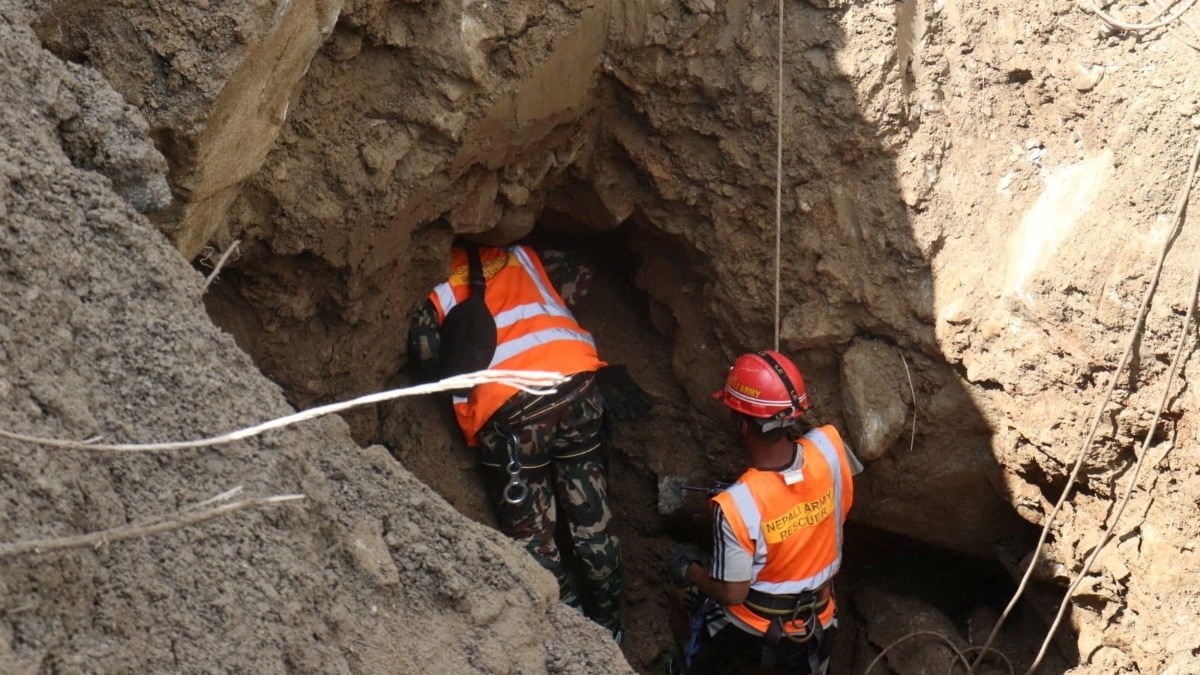
Betts said the causes behind the recent deadly flooding in Nepal linked to a Himalayan glacier dislodging were complex, but added: "unfortunately we do expect to see more of such things and this is exactly why we need to limit peak warming." The report also warns of irreversible "tipping points", including the loss of the West Antarctic and Greenland ice sheets, damage to the Amazon rain forest, and a shutdown of the Atlantic Ocean circulation system that keeps much of Europe warm. "Some locations might become more or less uninsurable or even uninhabitable," it said.
For temperatures to come down later, the report says carbon dioxide will have to be removed from the air and stored. It says planting more trees can help, but would at most reduce global temperatures by a tenth of a degree, meaning newer carbon removal methods would also be needed. Some scientists said those methods are costly and uncertain. Rob Jackson of Stanford University, who was not part of the report, said: "We were unable to stop the runaway train of global emissions to avoid 1.5 C of warming. Now overshoot scenarios require us to stop the train quickly and to back it up. Is it our best hope? Absolutely. Is it likely? Absolutely not."
In sum, the UN report says the world is no longer on track to avoid breaching the 1.5 degrees mark, and must now work to limit the overshoot, protect people from growing damage, and try to bring temperatures down again later this century.
With PTI Inputs
- Ends
Published By:
India Today Web Desk
Published On:
Sep 2, 2026 11:28 IST