1 month ago
The USS Gerald R Ford will join the USS Abraham Lincoln in the region, expanding US military presence as negotiations over Iran's nuclear program remain uncertain and tensions continue to rise.
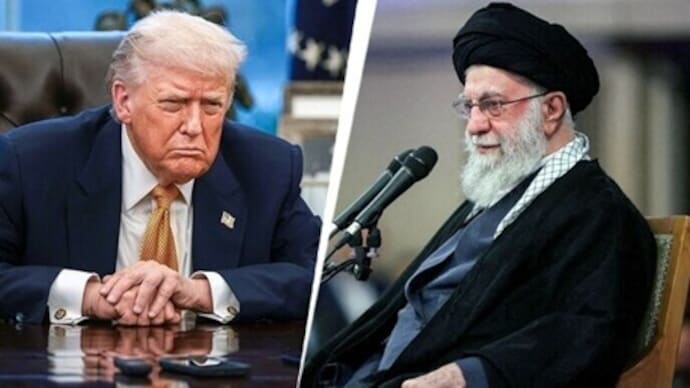
US President Donald Trump deploys second US aircraft carrier to Middle East amid Iran tensions
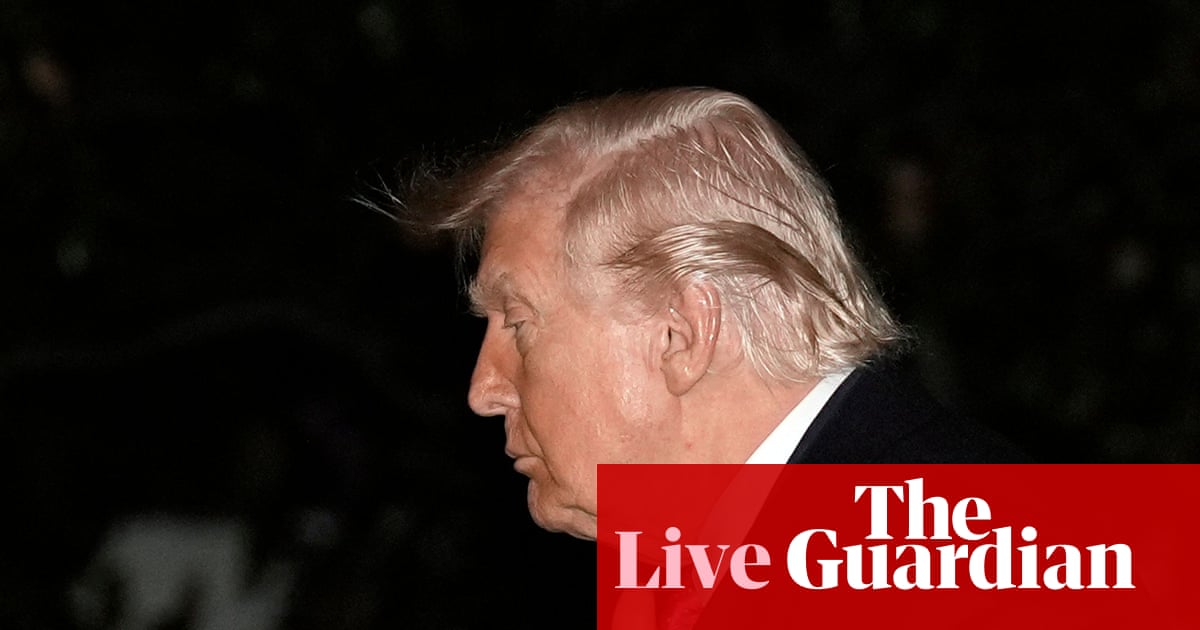
US President Donald Trump is raising the stakes with Iran, dispatching a second US aircraft carrier group to the Middle East as diplomatic efforts hang in the balance.
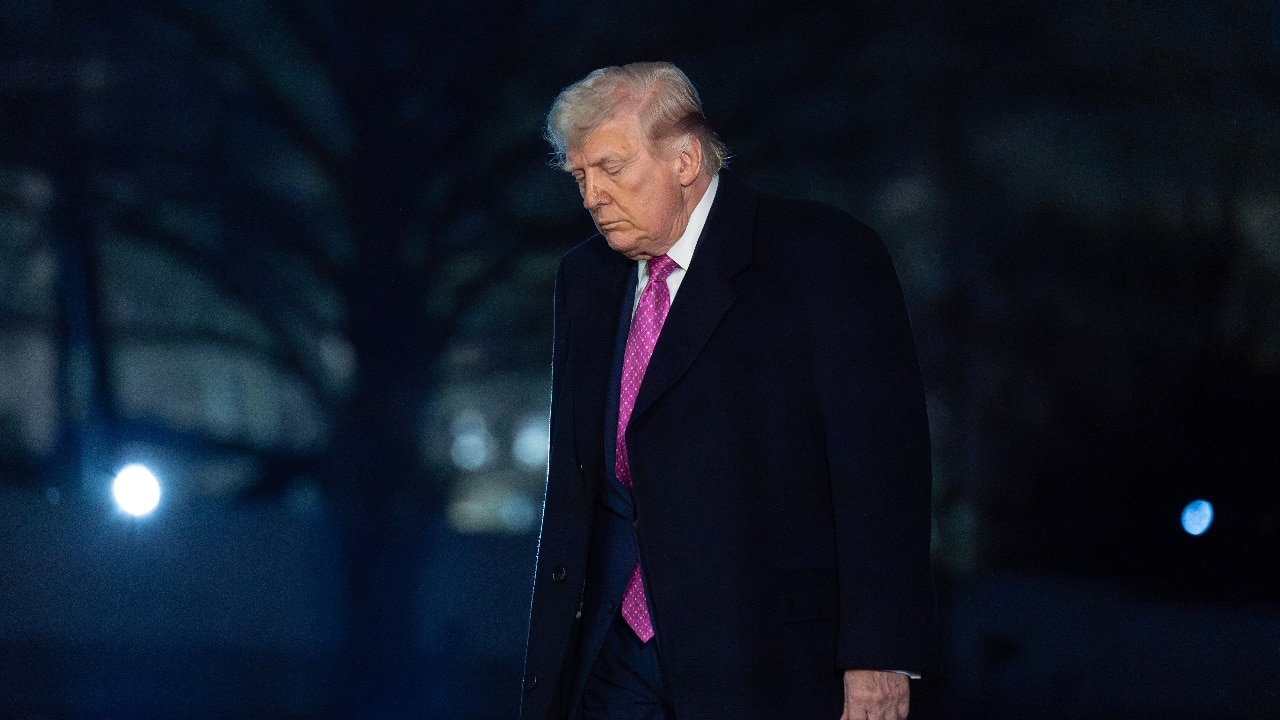
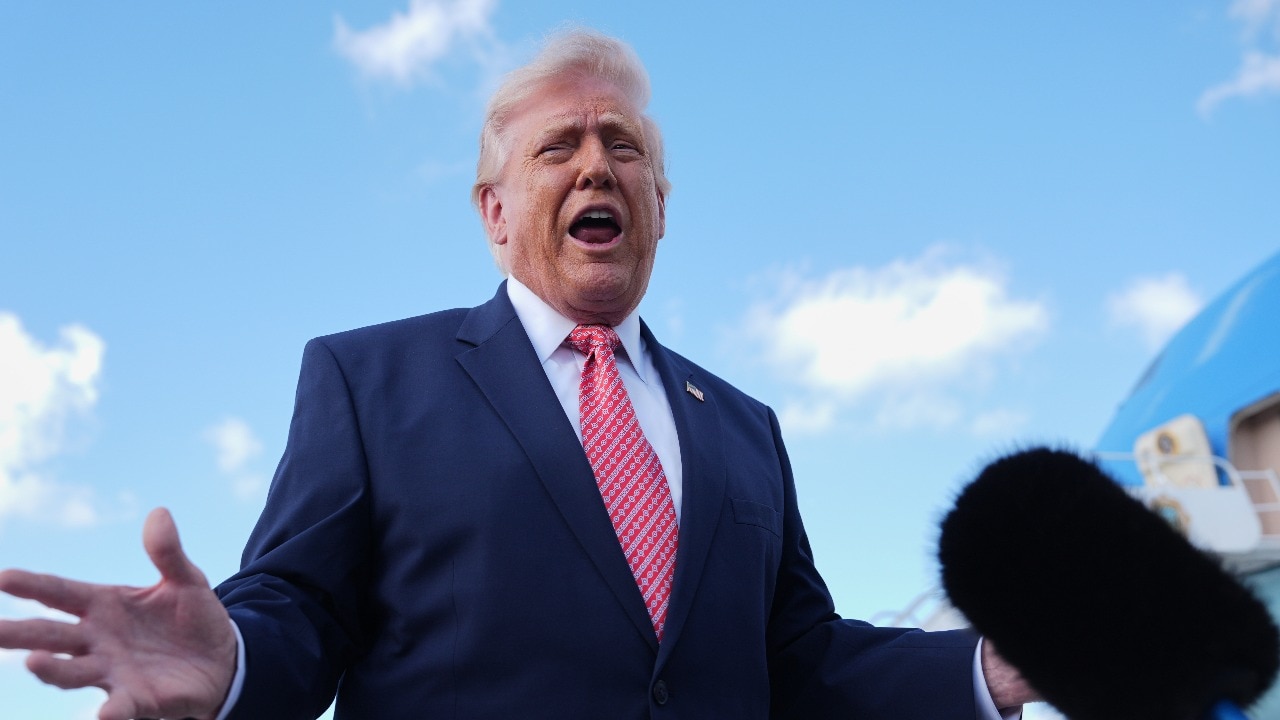
“In case we don’t make a deal, we’ll need it,” Trump told journalists at the White House. “It’ll be leaving very soon. We have one out there that just arrived. If we need it we’ll have it ready, a very big force.”
SECOND CARRIER DEPLOYMENT
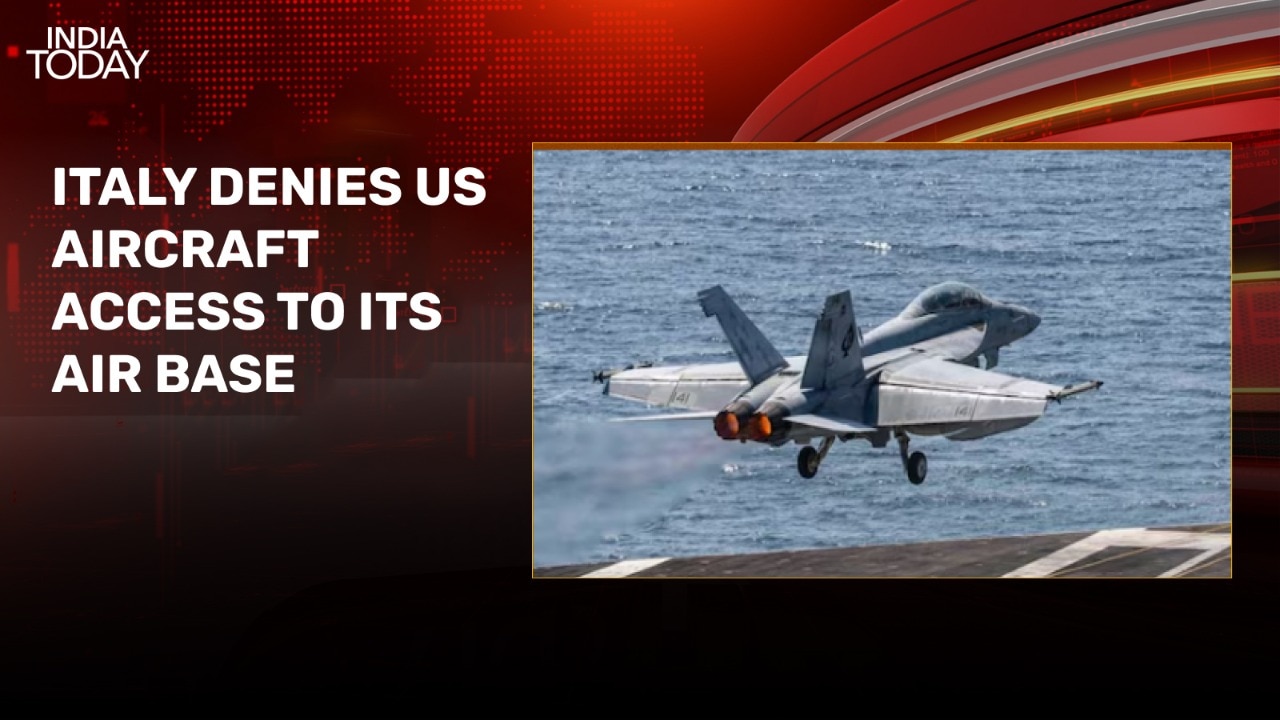
The USS Gerald R Ford, the world’s largest aircraft carrier, is being moved from the Caribbean to the Middle East. It will join the USS Abraham Lincoln, which is already operating in the region along with other US naval assets.
The Ford carrier strike group had been stationed in the Caribbean for several months as part of US operations in Venezuela. Its redeployment significantly expands US military options in the Middle East.
Trump said the additional deployment is intended as leverage if talks with Tehran over its nuclear programme collapse.
‘BAD DAY FOR IRAN’
Trump expressed optimism that diplomacy would prevail but warned of consequences if it fails.
“I think they’ll be successful. If they’re not, it’s going to be a bad day for Iran, very bad,” Trump said.
The US has increased pressure on Iran following Tehran’s deadly crackdown on protests last month.
Speaking on Thursday, Trump said he expects progress on a nuclear agreement with Iran within weeks. “I guess over the next month, something like that,” he said when asked about the timeline. “It should happen quickly. They should agree very quickly.”
Trump also held lengthy talks on Wednesday with Israeli Prime Minister Benjamin Netanyahu. He said he told Netanyahu that negotiations with Tehran should continue. According to the Associated Press, Netanyahu is pushing the administration to ensure any deal requires Iran to curb its ballistic missile program and end support for militant groups such as Hamas and Hezbollah.
According to the US-based Human Rights Activists News Agency, 7,005 people were killed and more than 53,000 arrested. Rights groups say the toll could be higher.
RISING REGIONAL TENSIONS
Gulf Arab nations have warned that any military escalation could trigger a wider regional conflict, particularly as the Middle East remains tense after the Israel-Hamas war in Gaza.
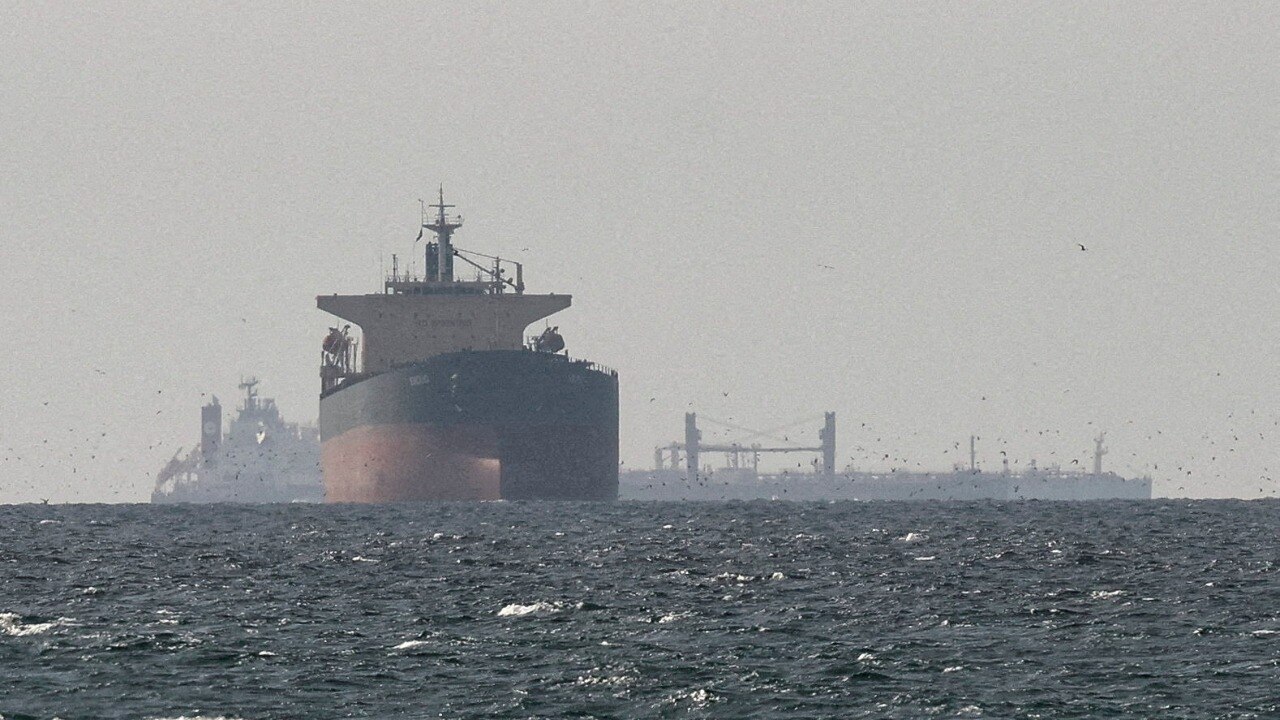
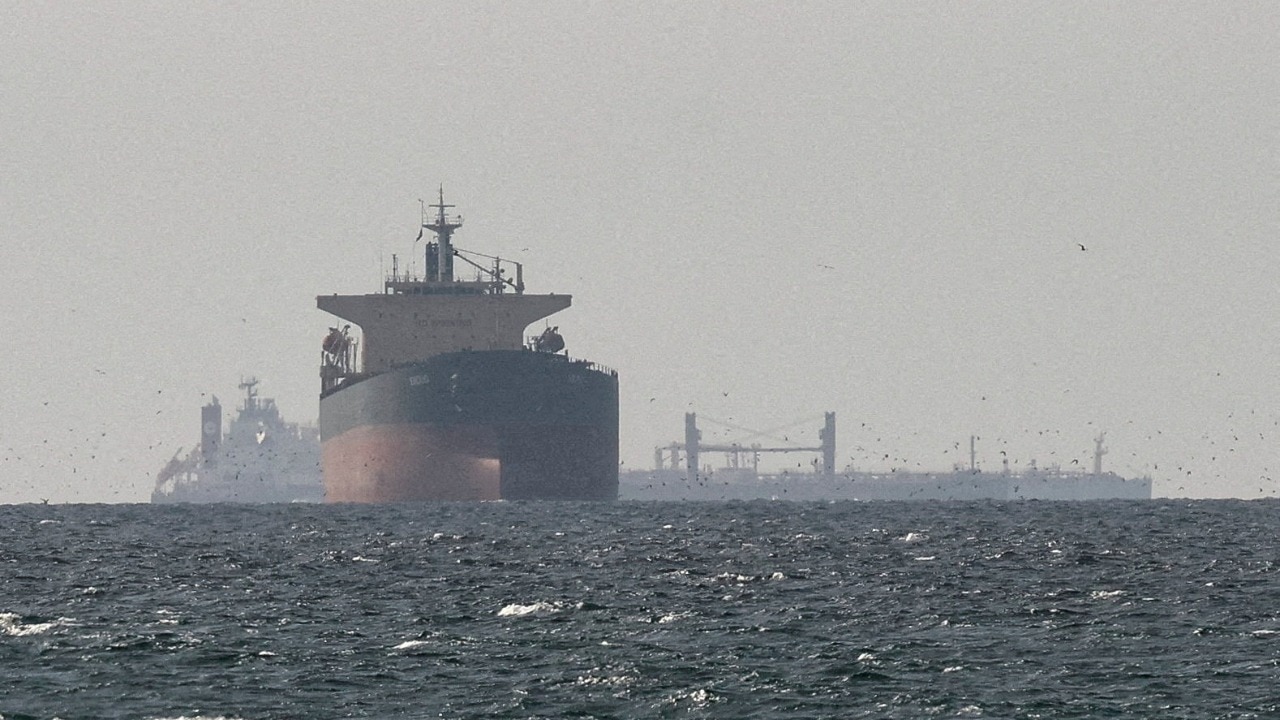
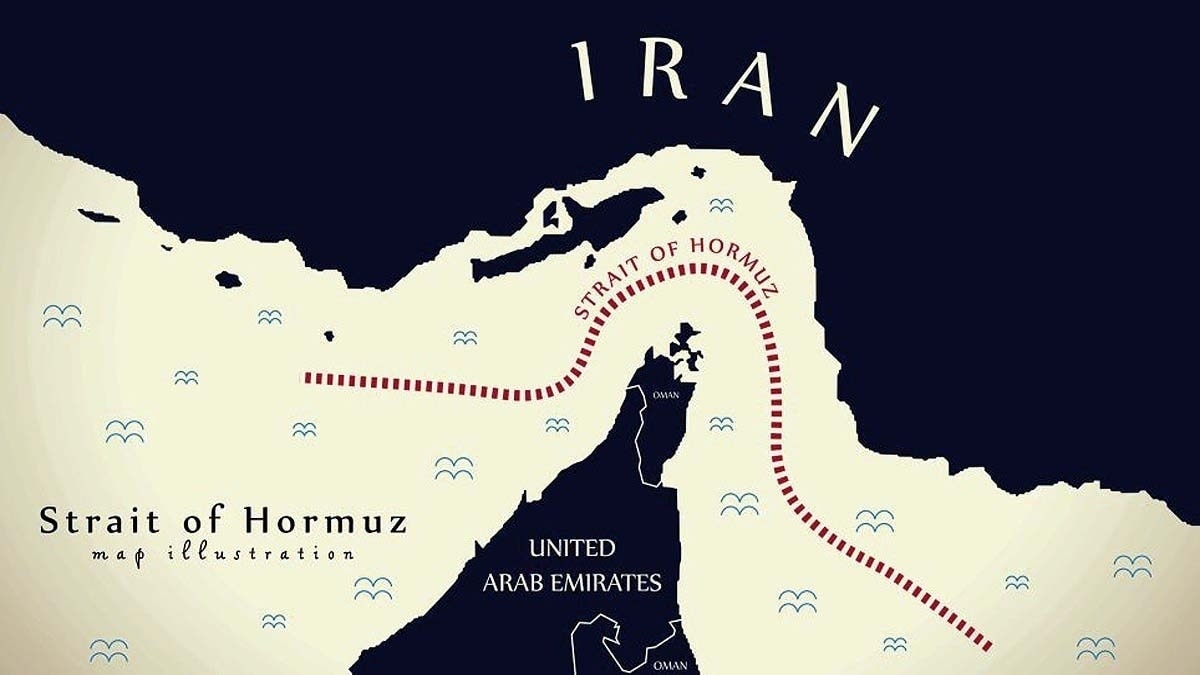
US forces recently shot down an Iranian drone that approached the USS Abraham Lincoln. Iran also attempted to stop a US-flagged vessel in the Strait of Hormuz last week.
The new deployment was first reported by The New York Times. If diplomacy succeeds, Trump indicated the additional carrier group would withdraw.
“If we have a deal, it’ll be leaving very soon,” he said.
PAHLAVI CALLS FOR NATIONWIDE ROOFTOP PROTESTS
US-based Reza Pahlavi, the son of the shah ousted by the 1979 Islamic revolution, urged Iranians to intensify protests against the clerical establishment. In a post on X, he called on citizens to raise anti-government slogans from their homes and rooftops.
“My brave compatriots in Iran,” Pahlavi wrote, saying recent gatherings and nightly chants showed that “the Islamic Republic has failed to break your will to reclaim Iran, even through brutality and murder.”
Pahlavi said that on February 14, described as a “Global Day of Action,” Iranians abroad would take to the streets to amplify the voice of protesters inside the country and seek wider international support.
He invited people in Iran to join symbolically by chanting from their rooftops at 8:00 p.m. on February 14 and 15. “Shout your demands. Show your unity,” he said.
Meanwhile, Iranians have started observing 40-day mourning ceremonies for those killed in last month’s nationwide crackdown, a development that could heighten internal pressure on the sanctions-hit Islamic Republic, AFP reported.
- Ends
With inputs from agencies
Published By:
Nitish Singh
Published On:
Feb 14, 2026
Tune In