1 month ago
A total of 79 minority candidates contested the election after scrutiny and withdrawals, including both party nominees and independents. Of them, 10 were women.
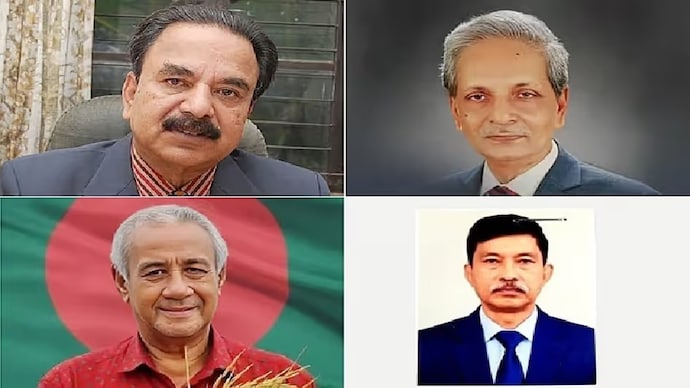
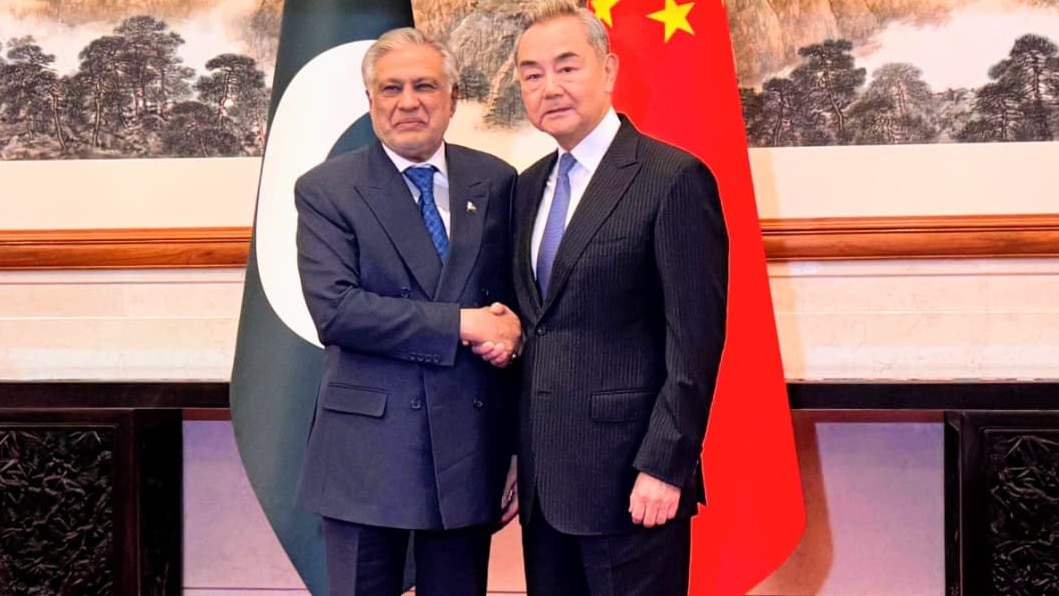
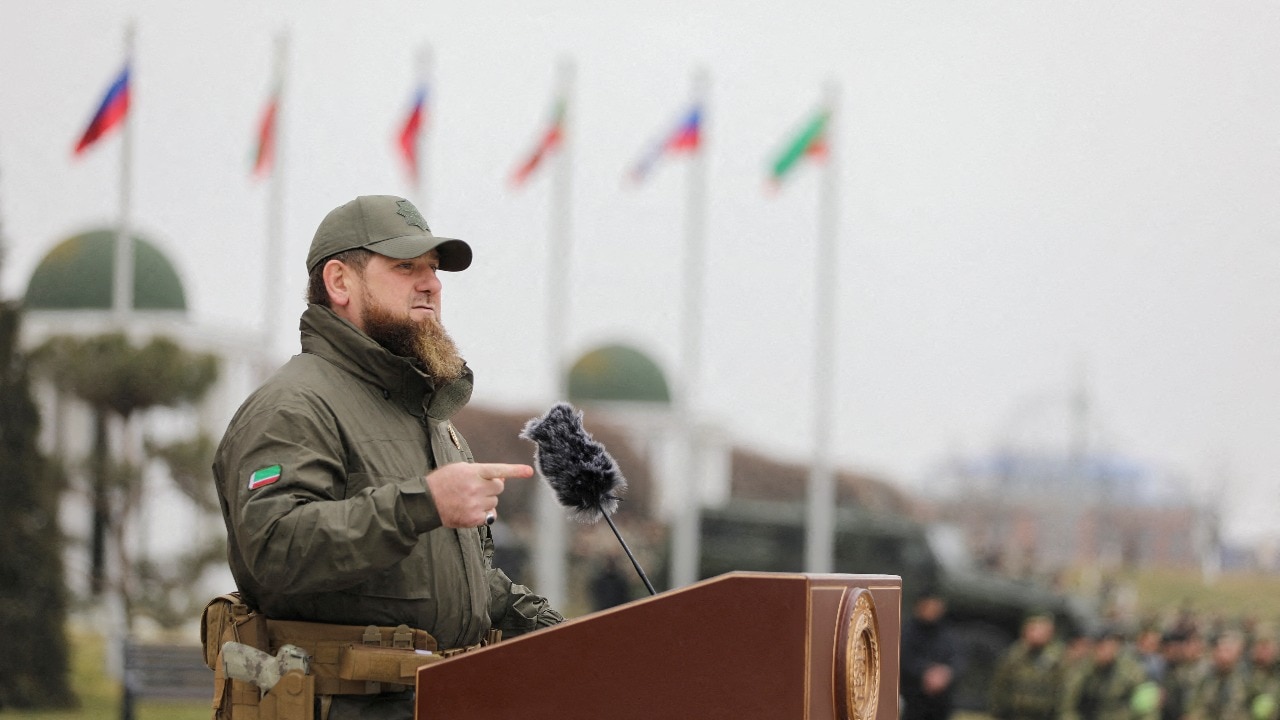
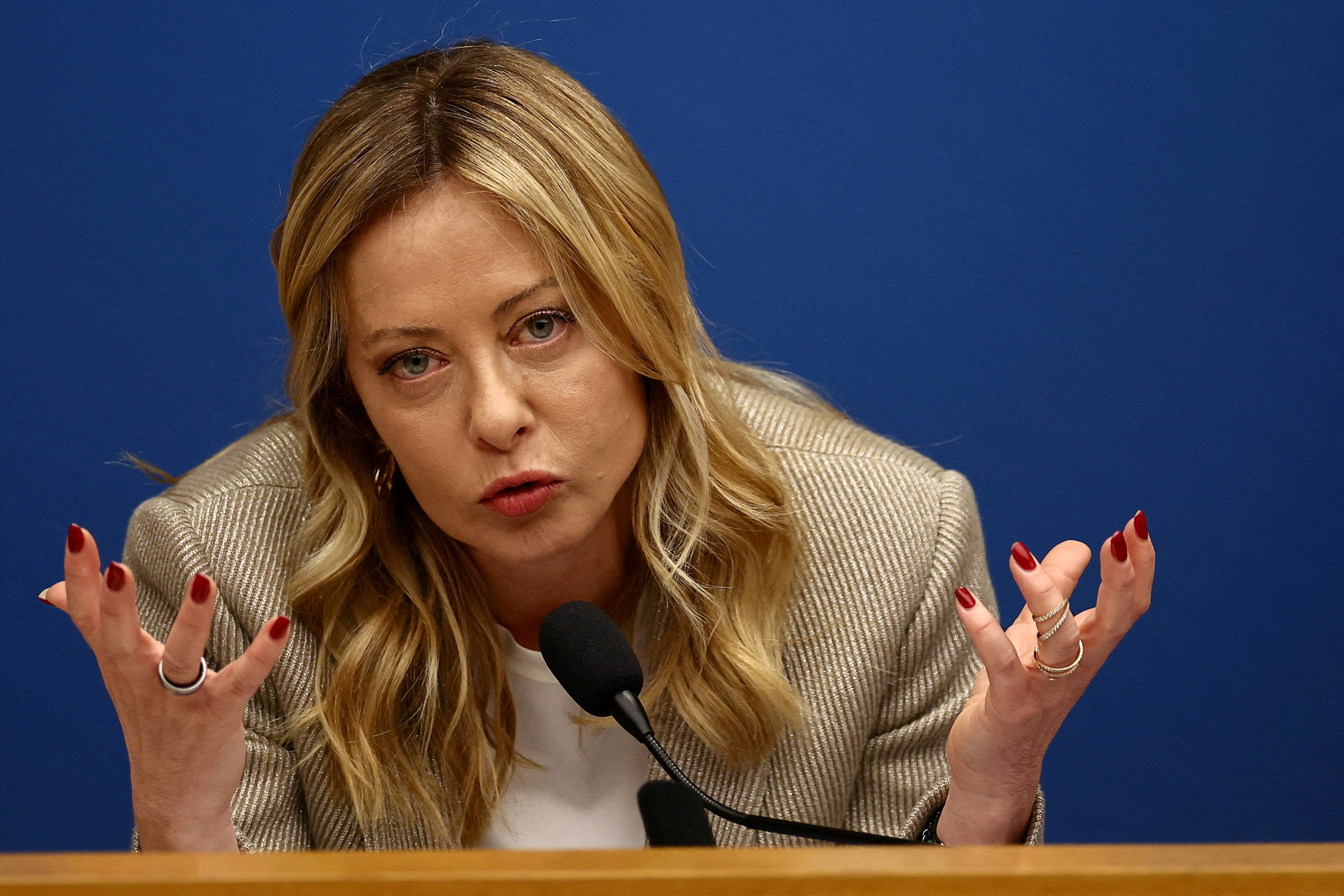
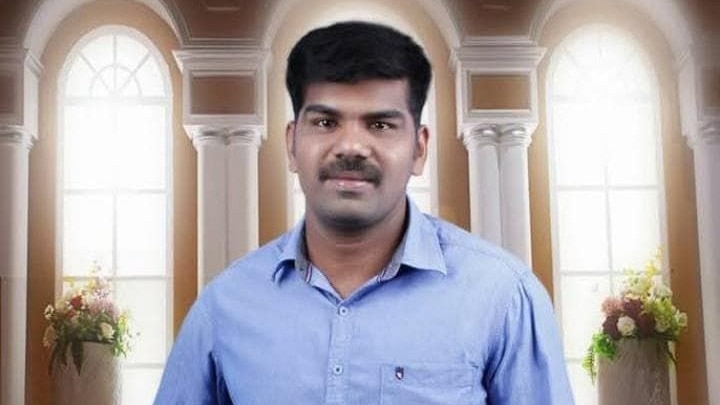
Gayeshwar Chandra Roy (top left), Nitai Roy Chowdhury, Saching Pru (bottom left) and Dipen Dewan. (Photo: Prothom Alo)

New Delhi,UPDATED: Feb 13, 2026 21:58 IST
Three Hindu candidates secured victories in Bangladesh’s 13th parliamentary elections, all representing the Bangladesh ist Party (BNP), which is heading toward a decisive return to power under the leadership of Tarique Rahman, local media reported. The outcome comes amid heightened attention on minority participation and concerns over communal tensions in the country.
According to the latest result updates, the BNP won 211 of the 299 seats, while Jamaat-e-Islami setlled for 68.
GAYESHWAR CHANDRA ROY
Among the prominent winners is senior BNP leader Gayeshwar Chandra Roy, who emerged victorious in the Dhaka-3 constituency.
Roy, a member of the party’s standing committee and a former state minister, polled 99,163 votes, defeating his nearest rival, Jamaat-e-Islami candidate Md Shahinur Islam, who secured 83,264 votes.
The constituency covers parts of Keraniganj, including Jinjira, Aganagar, Tegharia, Konda and Shubhadhya.
Roy’s victory is being seen as significant given recent reports of harassment and attacks targeting members of the minority Hindu community.
NITAI ROY CHOWDHURY
In Magura-2, BNP Vice Chairman Nitai Roy Chowdhury also registered a comfortable win.
He received 1,47,896 votes, surpassing Jamaat-e-Islami’s Mustarshid Billah, who obtained 1,17,018 votes.
Chowdhury, who is related to Gayeshwar Chandra Roy, is regarded as an influential minority face within the BNP.
His victory further consolidates the party’s strong performance in constituencies with notable minority populations.
ADVOCATE DIPEN DEWAN
The third Hindu winner from the BNP is Advocate Dipen Dewan in the Rangamati parliamentary seat.
Dewan won 31,222 votes. His nearest rival, independent candidate Pahel Chakma, got 21,544 votes.
Saching Pru was the fourth BNP candidate representing a minority community who won a place in parliament. Pru won the Bandarban constituency with 1,41,455 votes.
JAMAAT’S LONE HINDU CANDIDATE LOST
In contrast, the lone Hindu candidate fielded by the Jamaat alliance was defeated.
Krishna Nandi, who contested the Khulna-1 seat on a Jamaat ticket, lost to a BNP contender despite securing 70,346 votes.
His defeat means that none of the minority candidates nominated by Jamaat succeeded in this election.
NEARLY 80 MINORITY CANDIDATES IN FRAY
A significant number of candidates from religious and ethnic minority communities participated in the polls.
A total of 79 minority candidates contested the election after scrutiny and withdrawals, including both party nominees and independents. Of them, 10 were women.
Political observers note that minority representation remains limited compared to the overall number of seats in parliament.
Out of the 60 registered political parties, 22 fielded candidates from minority communities, nominating nearly 68 individuals.
The BNP nominated six minority candidates, four of whom won, while others were defeated.
The Communist Party of Bangladesh fielded the highest number of minority nominees.
Several independent minority candidates also entered the race, reflecting broader engagement in the electoral process.
WHAT'S AHEAD?
The 13th parliamentary election is set to replace the interim administration led by Muhammad Yunus.
The BNP’s sweeping performance marks its return to power after nearly two decades.
The victories of three Hindu candidates from the party underscore both the role of minorities within the BNP and the broader debate over minority participation and security in Bangladesh’s evolving political landscape.
- Ends
Published On:
Feb 13, 2026
Tune In