 1 month ago
Last Updated:March 17, 2026, 13:19 IST
US is setting conditions for a coalition to succeed by destroying Iran’s missile, drone, naval capabilities. Without it, Iran may retain asymmetrical advantage, expert tells CNN


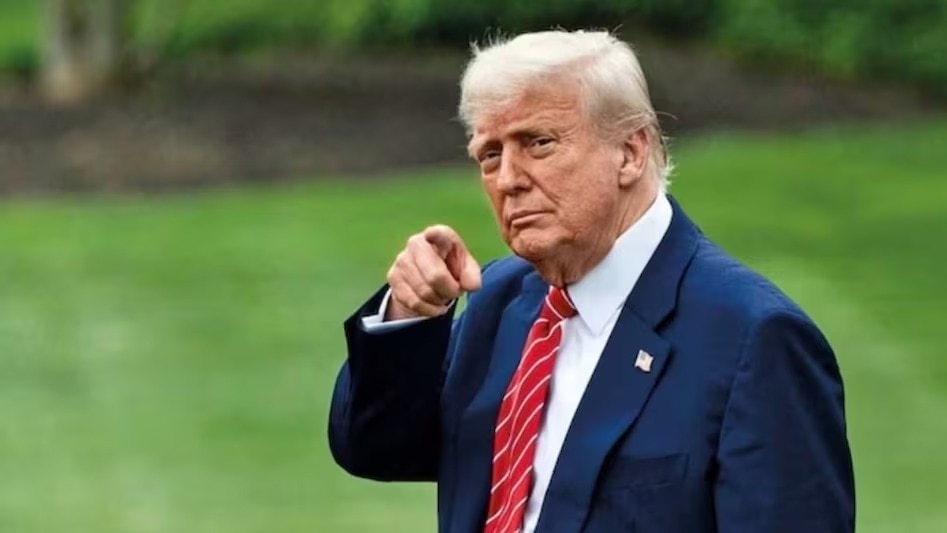
US President Donald Trump called on seven specific countries namely China, France, Japan, South Korea and the UK to deploy warships to escort tankers from Strait of Hormuz. (AP File)
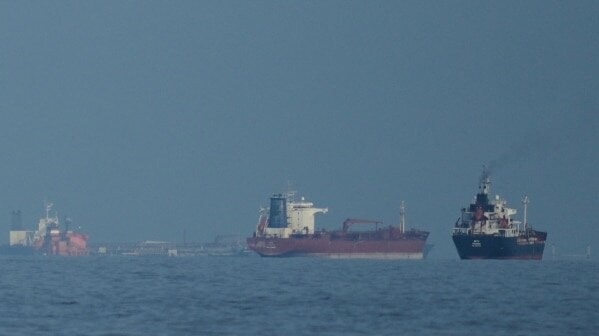
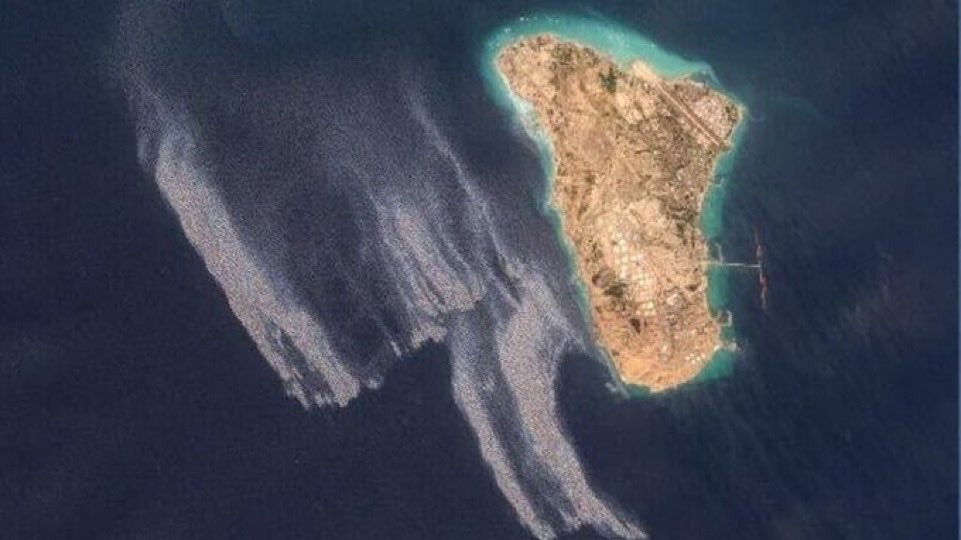
In March 2026, President Donald Trump demanded that international allies join a US-led naval coalition to reopen the Strait of Hormuz, which has been effectively blocked by Iran following a US-Israeli military campaign. Trump argued that because these nations rely heavily on Gulf oil, they must bear the responsibility and cost of protecting the waterway.
Can such a coalition be built on ground? Yes, if the US follows these steps.
The Strait remains a “flashpoint" with oil prices surging past $106 per barrel. Critics and analysts suggest the call for a coalition may be an attempt to share the blame for rising energy costs or to pressure allies into a conflict they did not start. But CNN spoke to Brett McGurk, a global affairs analyst who served in senior national security positions under Presidents George W. Bush, Barack Obama, Donald Trump and Joe Biden, who says a coalition can indeed be formed.
Trump’s demand
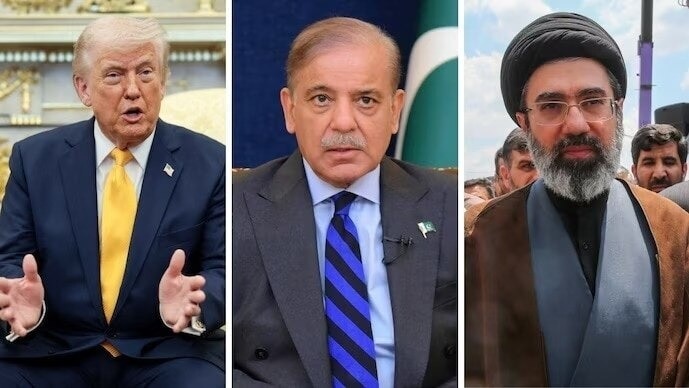
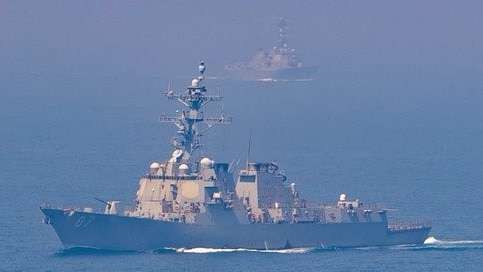
Trump called on approximately seven specific countries namely China, France, Japan, South Korea and the UK to deploy warships to escort tankers. He warned NATO allies of a “very bad future" if they failed to support the effort, suggesting they were “freeloading" on US security.
While asserting that the US had “already destroyed 100% of Iran’s military capability," Trump simultaneously called for help to handle remaining “drone or two" or mine threats that continue to block the 21-mile-wide strait. On March 16, Trump claimed “numerous countries" were already “on their way," though he declined to name them, Al Jazeera reported.
The response to Trump’s demand
Response from allies and partners has been largely cautious or outright dismissive:
European partners
Germany: Explicitly ruled out military involvement, stating “this is not our war".
United Kingdom: Prime Minister Keir Starmer stated the UK would not be “drawn into the wider war".
European Union: Officials noted “no appetite" for expanding existing defensive missions into an active conflict zone.
Asian partners
China: Stated all parties have a responsibility for stable energy supplies but focused on “de-escalation" rather than joining a military force.
South Korea and Japan: Reported to be “taking note" and reviewing the situation cautiously without making immediate commitments.
Australia: Directly declined to send naval ships to help reopen the strait.
Gulf States: While some Gulf Arab states privately want Iran’s threat neutralised for good, they have publicly denied allowing US bases on their soil to be used for offensive operations.
The types of escalations
In a military conflict, there are three types of escalations:
Vertical escalation is direct, military targets against military targets. Here, the US and Israel retain escalation dominance. Iran is continuing attempts to strike US military facilities and Israel directly, but with diminishing effect.
Horizontal escalation attempts to widen the conflict — Iran’s attacks against Gulf neighbours, Jordan, Turkey, and Azerbaijan. Tehran aims for these countries to pressure Washington to stop the war before the military campaign has concluded. Thus far, its efforts are failing. The countries that have come under attack have banded together in defiance of Iran.
Asymmetrical escalation seeks to change the rules of the game — think, terrorism, cyber-attacks, or economic sabotage. This is where Iran holds leverage. It’s taken advantage of geography to shut down the world’s energy artery in the Strait of Hormuz. The longer the strait remains closed, the greater the pressure rises on Washington. Iran hopes and believes that President Donald Trump will call the campaign short before it culminates, states the CNN report.
Coalition-building 101
McGurk said he had helped build coalitions large and small to tackle security challenges. “Between 2014 and 2018, I served as an envoy for Presidents Obama and Trump and helped assemble a coalition that grew to nearly 80 countries to combat the terrorist group ISIS. Members of this coalition worked together not just militarily but also globally through international sanctions and new regulations to deter terrorists from crossing borders or traveling on airplanes. That coalition was successful and still exists today," he wrote.
“In 2023 and 2024, I helped build a naval coalition to protect a narrow passageway in the Red Sea called the Bab el Mandeb (“Gate of Tears"). This passage had been shut after the Houthis — an Iranian proxy — fired missiles and drones at military and cargo ships. This coalition ultimately grew to nearly 20 countries. It was led by the US military, but others, including the UK and Denmark, shot down missiles and drones and supported US military operations," he wrote.
How a Strait of Hormuz coalition can be formed: McGurk’s tips
Legal basis
A military coalition is in fact a series of legal and political decisions taken in individual countries. Most, including longstanding US allies, have their own laws and standards that must be overcome before deploying military forces abroad, particularly if use of force might be involved. For the US, that requires patience and working with individual governments to help marshal the diplomatic and legal predicates required to secure participation.
US-Israel-Iran War LIVE Updates HERE
Last week, a record setting 135 countries co-sponsored a UN Security Council resolution that condemned Iran’s attacks into the Gulf and called on those attacks to stop. Like the ISIS resolution 10 years ago, this resolution also invoked the right of collective self-defense under Article 51 of the UN charter. That alone should meet the legal threshold for countries to participate in a military mission focused on the Strait of Hormuz.
Political basis
Two of the critical countries with superior naval capabilities and proven track records against ship-seeking missiles and drones include the UK and Denmark. It was only last week that Trump in a social media post turned down the UK’s offer of assistance as coming too late. It was only last month that Washington was in a feud with Denmark over the island of Greenland. None of that helps when now asking the leaders to place personnel in harm’s way, and for a war they had no say in launching.
Unfortunately, the US launched this war with limited consultation with allies and has now come in with requests for support two weeks into the campaign. This can be overcome — and there is diplomacy ongoing behind the scenes — but it’s better to have had a head start.
Military basis
In the Red Sea coalition, for example, the French bristled at command relationships and chose to form its own coalition in parallel rather than work directly under US (or UK) command. A Strait of Hormuz coalition would surely be under US command given the ongoing military operations. Some countries might balk at this requirement. Rules of engagement are also difficult to negotiate between militaries. Would a UK destroyer, for example, have approved engagement rules to target missile launchers inside Iran or only to defend against missiles in the air?
Trump’s request for China to somehow participate adds another problem, as there is no chance of the US military or other partnered militaries participating in a military coalition with China, nor is there any chance China would place its ships under US command. True, much of the oil from the Gulf travels to China — but securing the global commons is a historic US responsibility and we should aim to keep it that way.
Weeks, at least.
Building a coalition is time-consuming
“Building a coalition is time-consuming, resource intensive, and painstaking work. But even the motion of putting together a military coalition can have an impact on the course of war. Iran would see that its asymmetrical tactics will backfire as they’ll soon be facing not just the US military in the strait but a collection of militaries from around the world. The prospect for an internationalised effort might also help stabilise global markets," states the report.
In the meantime, the US military is setting conditions for such a coalition to succeed by destroying what’s left of Iran’s missile, drone, and naval capabilities. Without it, Iran may retain its asymmetrical advantage even while losing the vertical and horizontal contest, says McGurk.
With CNN inputs
First Published:
March 17, 2026, 13:18 IST
News explainers Trump Can Build A US-Led Hormuz Coalition Against Iran If He Follows These Steps
Disclaimer: Comments reflect users’ views, not News18’s. Please keep discussions respectful and constructive. Abusive, defamatory, or illegal comments will be removed. News18 may disable any comment at its discretion. By posting, you agree to our Terms of Use and Privacy Policy.
Read More