 1 month ago
From shutting US bases to controlling a key global oil route, Iran's demands in response to Trump's proposal set a steep stage for talks, but hints of flexibility quietly emerge behind the scenes.
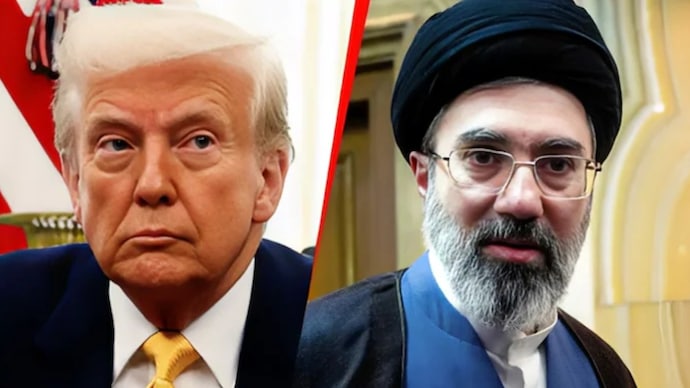
Iran demands US base closure, mocks Washington in Trump talks.

UPDATED: Mar 25, 2026 11:06 IST
Iran has set out sweeping demands, from shutting down US military bases in the Gulf to ending sanctions and securing control over a key shipping route, as it responds to a proposal by Donald Trump for renewed talks.
According to reports, Tehran has conveyed that the bar for re-entering negotiations on a ceasefire deal remains high, even as indirect engagement between the two sides takes shape.
Iranian representatives have pushed for the closure of all American bases in the Gulf, financial compensation for wartime damage, and an end to Israel’s campaign against Hezbollah.
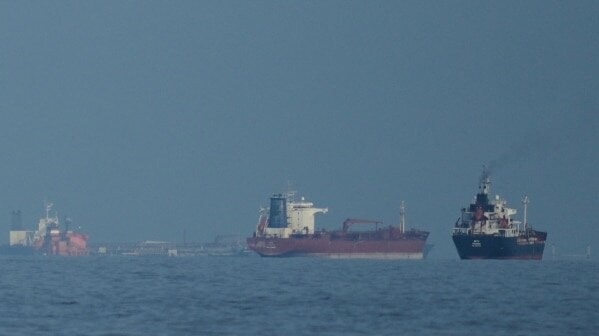
They have also sought a framework that would allow Iran to collect fees from ships passing through the Strait of Hormuz, one of the world’s most critical oil transit routes.
People familiar with the matter said the Islamic Revolutionary Guard Corps has consolidated power within the country’s leadership and is driving these demands.
STRAIT OF HORMUZ AT CENTRE
Another key condition includes a new arrangement governing the Strait of Hormuz that would effectively place it under Iranian control, alongside firm guarantees that hostilities would not resume.
Iran has also insisted on the lifting of all sanctions as part of any agreement to end the conflict.
SIGNS OF LIMITED FLEXIBILITY
Despite the tough public stance, there are indications that Tehran may be signalling some flexibility in private.
According to separate reports, Iran could consider halting its ballistic missile programme for five years and reducing uranium enrichment levels.
It may also enter discussions over its stockpile of 60 per cent enriched uranium and allow inspections by the Atomic Energy Agency of remaining centrifuges.
POSSIBLE SHIFT ON REGIONAL PROXIES
The reports suggest Iran could also agree to stop funding regional proxy groups, including Hezbollah, Hamas and Iraqi militias, as part of a broader deal.
These positions are being viewed as potential opening moves, even as the official stance remains firm.
HIGH-STAKES NEGOTIATIONS AHEAD
The contrasting signals, hardline demands in public and possible concessions in private, underline the complexity of the negotiations now unfolding.
With both sides testing the limits of what the other may accept, the path to any ceasefire agreement appears uncertain, with the stakes extending well beyond the immediate conflict.
- Ends
Published By:
Sonali Verma
Published On:
Mar 25, 2026 11:06 IST
Tune In