1 month ago
Iran's actions in the Strait of Hormuz have stoked fears of long-term leverage over a vital global energy artery. In response, Gulf states are weighing both military and financial pressure.
Gulf states inching closer to directly getting involved in Iran war.

New Delhi,UPDATED: Mar 24, 2026 09:59 IST
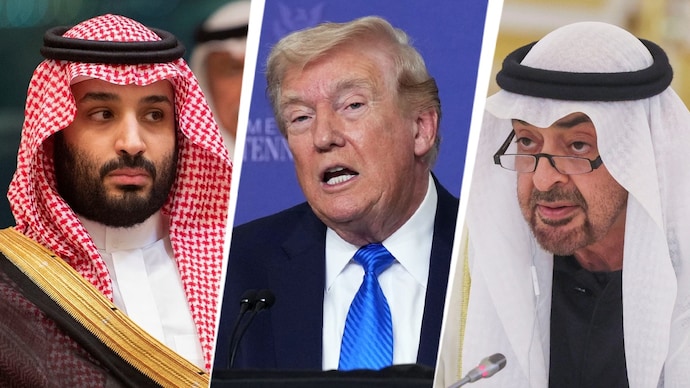
Angered by repeated strikes on their soil and wary of Tehran further tightening its grip over the critical Strait of Hormuz, Saudi Arabia and the United Arab Emirates are on the verge of a decision to join the US-Israel war against Iran.
After weeks of hedging and warning against escalation, Gulf countries such as the UAE, Saudi Arabia, Bahrain and Qatar have come to reconsider their stance as Tehran remains undeterred. They are weighing to what degree they should get involved in the fight, be it military action or financial pressure, reported the Wall Street Journal (WSJ).
WHY THE SHIFT?
When the US and Israel launched Operation Epic Fury and Operation Roaring Lion respectively, Gulf capitals expressed doubt about whether strikes could curb Iran’s nuclear ambitions or missile programme.
"There was also serious doubt that [military strikes] would have the desired effect of ending Iran’s destabilising activities," a senior Gulf diplomat told the Times of Israel (ToI). Diplomacy, they believed, offered a safer off-ramp.
But Iranian aggression altered that calculus.
Missile and drone strikes targeting energy infrastructure and cities across the Gulf, including a high-profile attack on Qatar’s Ras Laffan gas hub, have rattled governments and hit drivers of their economy, such as oil, gas and tourism.
Tehran seemed to have anticipated that such attacks would push Gulf states to pressure US President Donald Trump into a ceasefire. Instead, the strikes have hardened attitudes.
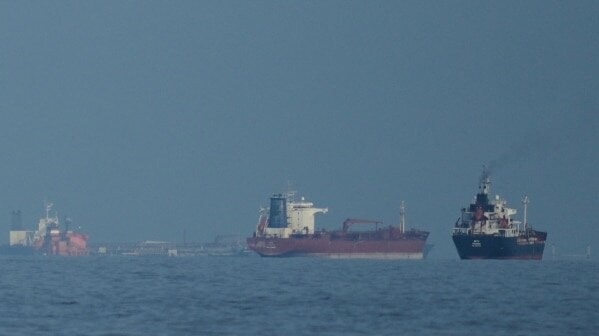
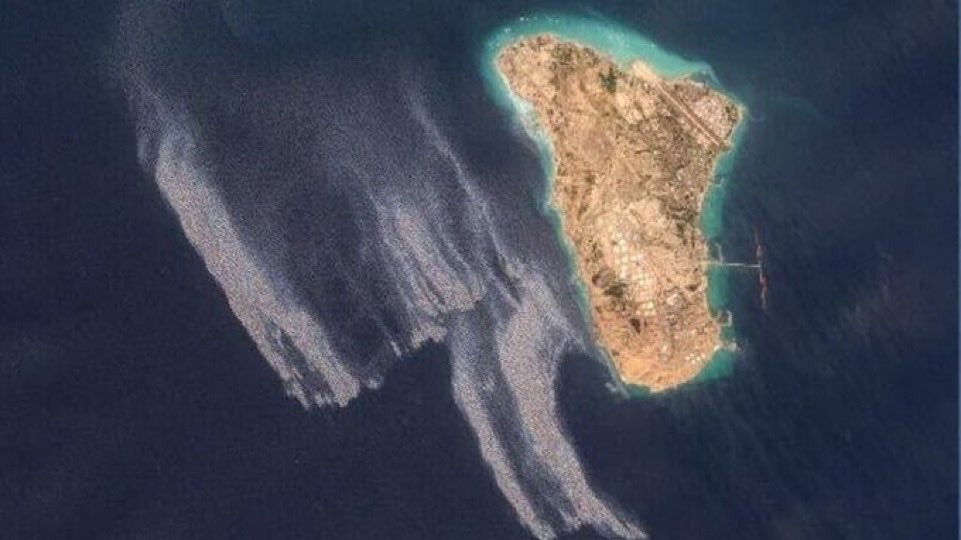
The economic stakes are equally high. Iran has effectively blocked the Strait of Hormuz, disrupting the world’s most critical energy corridor. It has also floated the idea of levying transit fees, implying that it exclusively owns the maritime channel. This has sent alarm bells ringing.
For oil-rich Gulf nations, the writing on the wall is clear. The cost of restraint, they believe, is now higher than the risk of stepping in.
TURNING UP THE PRESSURE
Saudi Arabia has agreed to grant the US military access to King Fahd Air Base, a reversal from its earlier reluctance to allow its territory to be used for strikes against Iran.
The UAE, meanwhile, is debating a freeze on billions of dollars in Iranian assets held within its financial system, according to a WSJ report. The move could choke off a crucial economic lifeline for Tehran as it grapples with inflation and war.
The US is also being pressed by its Gulf allies to ensure that any end to the conflict leaves Iran with its military power sufficiently degraded.
"Ending the war with Iran still in possession of the tools it is currently using would be a strategic disaster," a Gulf official told ToI.
UNEASY ALLIES, CLEAR AIMS
Even so, frustration with Washington persists. Despite Trump’s claims that Iran lashing out at its neighbours in the Persian Gulf was unexpected, those on the receiving end had foreseen such an outcome. They said the US planning for Iran’s retaliation was "inadequate".
Gulf leaders have been in constant contact with US officials, but their influence over Pentagon’s strategy has been limited. Insiders warned that the experience could push regional powers to diversify security partnerships rather than rely heavily on Washington.
Despite that unease, the immediate priority is clear -- making sure that Iran does not emerge from the conflict emboldened.
"We want this war to end with Iran stripped of the capabilities to harm its neighbours," a Gulf official told ToI.
- Ends
Published By:
Devika Bhattacharya
Published On:
Mar 24, 2026 09:58 IST