1 month ago
Iran has warned it is ready to respond. Parliament Speaker Mohammad Baqer Qalibaf warned that if Iran's infrastructure is targeted, then key facilities across the region could be "irreversibly destroyed."

UPDATED: Mar 22, 2026 19:46 IST
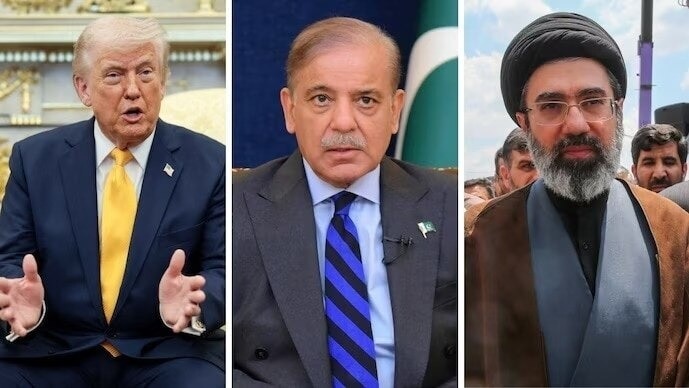
The Middle East conflict has entered a more volatile phase as US President Donald Trump issued a direct threat to strike Iran’s power plants if Tehran does not fully reopen the Strait of Hormuz within 48 hours. Iran responded by warning that any such move would trigger retaliation against US and allied infrastructure across the Gulf. Iran’s Revolutionary Guards also said that if Trump follows through on his threat to target Iran’s energy facilities, energy sites in countries hosting US bases would become "lawful" targets, and warned that the Strait of Hormuz could be completely closed.
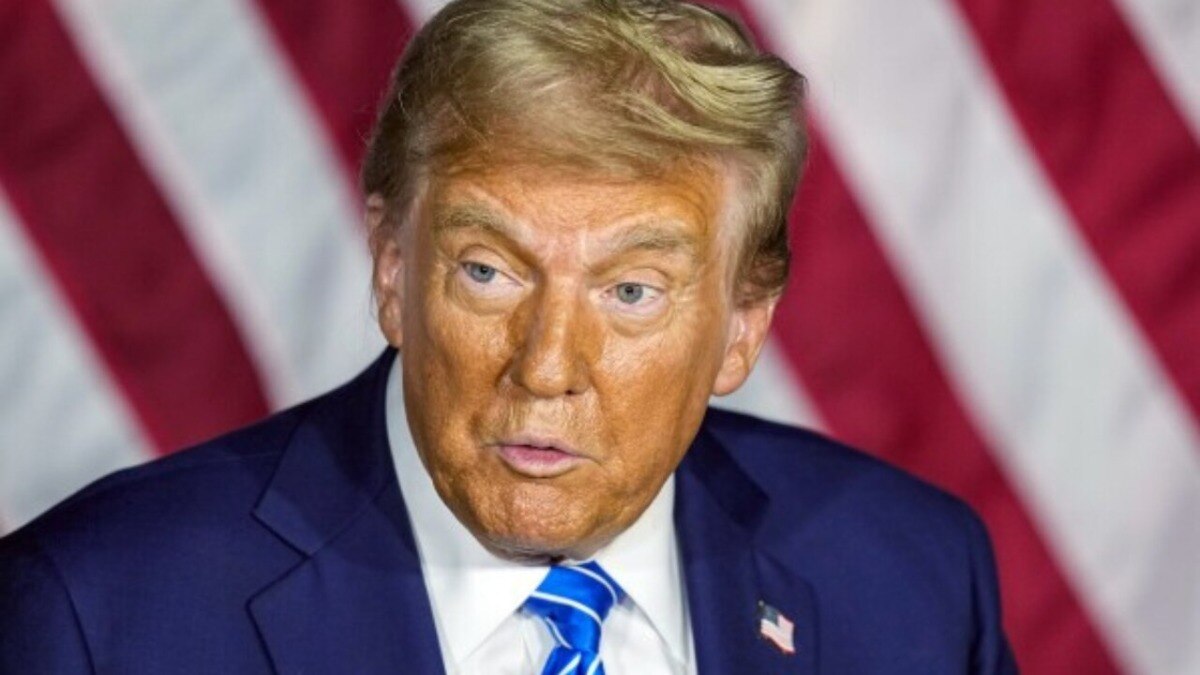
The US President's had warned: "If Iran doesn't FULLY OPEN, WITHOUT THREAT, the Strait of Hormuz, within 48 HOURS from this exact point in time, the United States of America will hit and obliterate their various POWER PLANTS, STARTING WITH THE BIGGEST ONE FIRST!"
Iran, however, has warned it is ready to respond. Parliament Speaker Mohammad Baqer Qalibaf warned that if Iran’s infrastructure is targeted, then key facilities across the region could be "irreversibly destroyed." Iranian military officials also said they could target US-linked energy, technology and water infrastructure in the Gulf.
Meanwhile, Ali Mousavi, the Iranian representative to the Maritime Organisation, said that ships not linked to "Iran's enemies" could pass the strait by coordinating with Tehran.
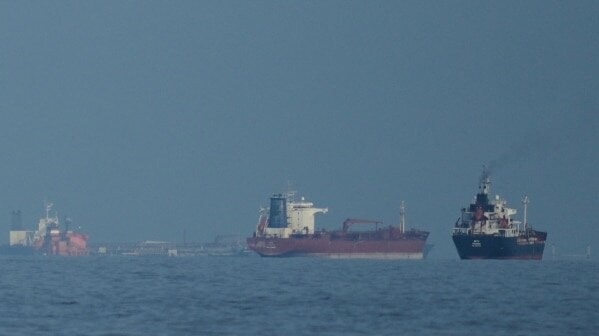
The Strait of Hormuz is one of the world’s most important shipping routes, carrying a large share of global oil and gas supplies. Iran shut the vital energy supply route on February 28. Disruptions in this narrow waterway have already choked tanker movement, pushed up fuel prices and shaken global markets.
SURGE IN AIRSTRIKES CRIPPLE MIDDLE EAST
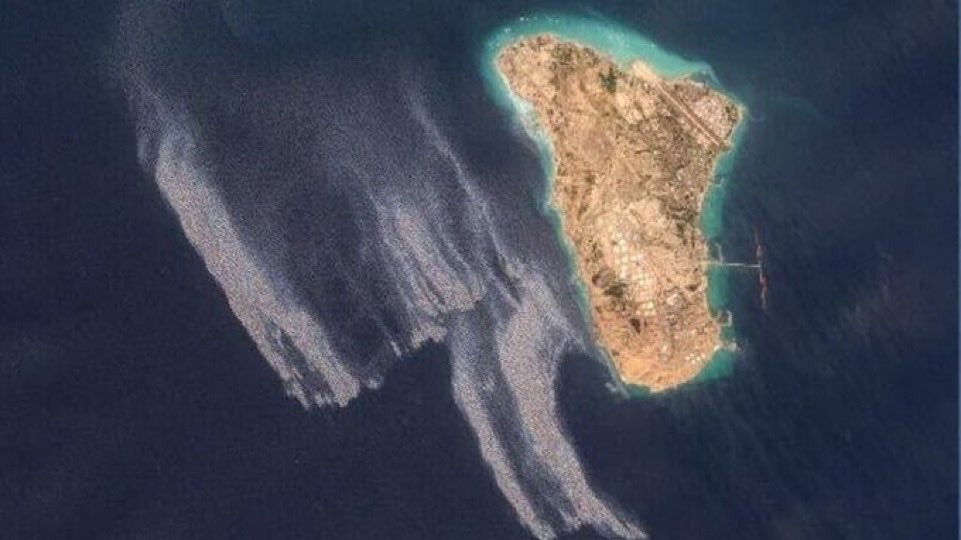
The situation on the ground remains volatile. Air raid sirens sounded across parts of Israel after the fresh missile's launch. Strikes surged on March 21, with US-Israeli attacks heavily concentrated around Tehran and spread across central and southern Iran, including areas near the Strait of Hormuz. Iran responded with strikes on Israel and parts of the Gulf.
According to the IDF, Iran launched more than 400 ballistic missiles at the country since the war began, but most of them have been stopped midair by its defence systems. According to officials, about 92 per cent of these missiles were intercepted before they could hit their targets.
The conflict has also expanded beyond the region. On the latest day, US-Israeli strike events on Iran rose above the previous week’s average. Here is where the attacks landed, and where Iran hit back.
The impact of the conflict is being felt on both sides. In Iran, the Red Crescent says more than 81,000 civilian homes and buildings have been damaged in US-Israeli strikes. In Israel, authorities say over 2,700 people have been forced to leave their homes due to Iranian attacks, with government agencies stepping in to provide support and shelter.
LEBANON FRONT HEATS UP
At the same time, Iran-backed Hezbollah has launched repeated rocket attacks on Tel Aviv. Israel has responded with strikes and ground operations in southern Lebanon.
The boiling tensions are not just a military concern -- they are also hitting the global economy. As of today, oil prices have surged to multi-year highs, with Brent crude hovering around $110 per barrel after peaking at $119 earlier today.
- Ends
With inputs from agencies
Published By:
Satyam Singh
Published On:
Mar 22, 2026 19:46 IST