1 month ago
Last Updated:March 16, 2026, 19:52 IST
US-Israel-Iran war: In global oil markets, Yanbu and the Strait of Hormuz represent Saudi Arabia’s "back door" and "front door"


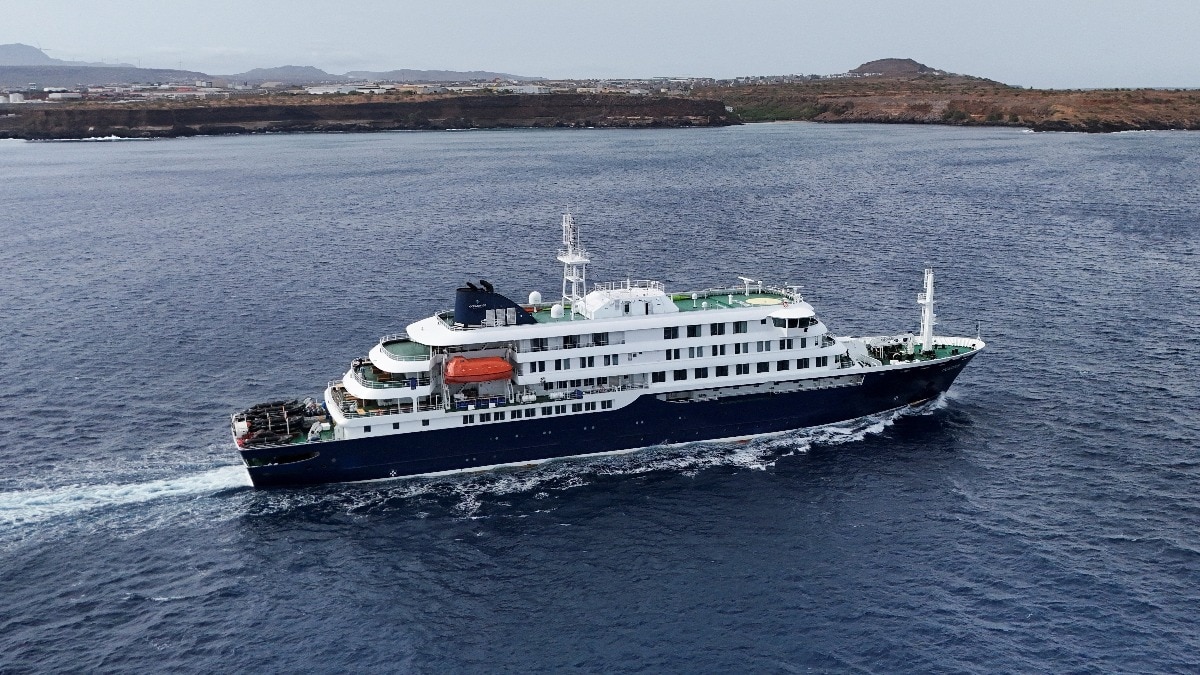
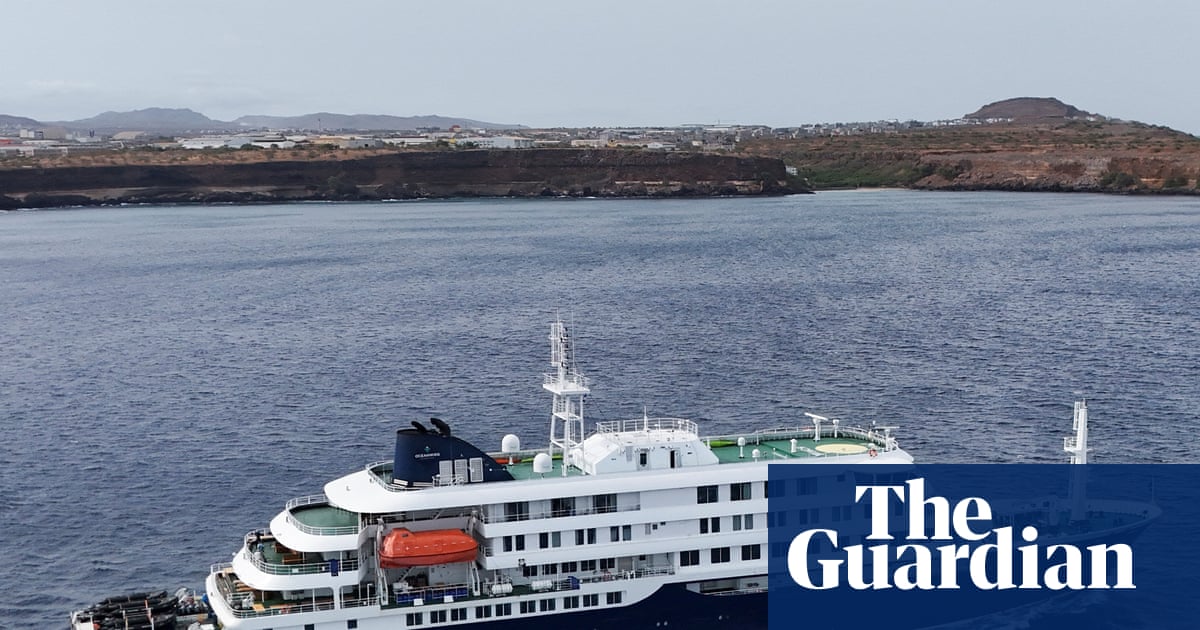
Yanbu, on the other hand, is a major industrial port city on Saudi Arabia’s Red Sea coast. (AI generated)
Strait of Hormuz has emerged as a major flashpoint amid the US-Israel-Iran war. So, can the other route, Red Sea one, replace it?
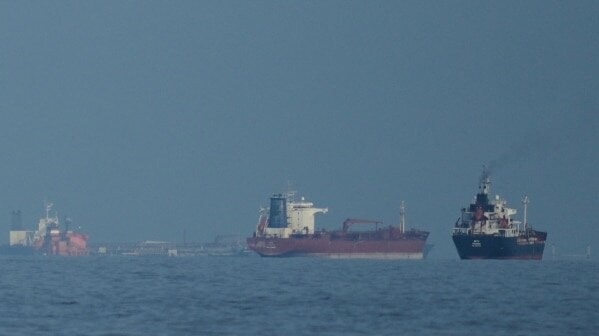
With the Strait of Hormuz effectively restricted due to recent escalations, Yanbu has become the primary exit for Saudi “Arab Light" crude. Roughly, 27 supertankers are currently redirected toward Yanbu to maintain global supply.
News18 compares Red Sea with Strait of Hormuz.
Yanbu vs Strait of Hormuz
In global oil markets, Yanbu and the Strait of Hormuz represent Saudi Arabia’s “back door" and “front door", respectively.
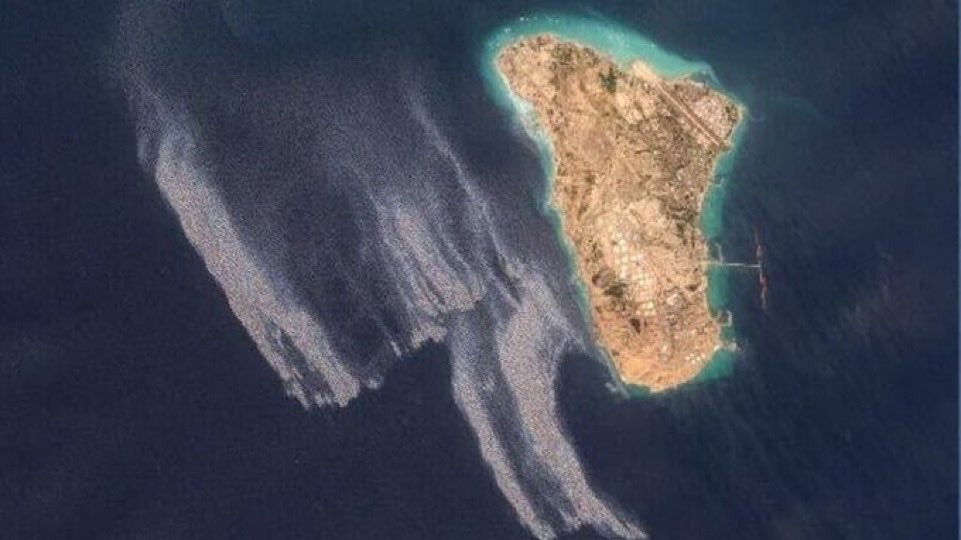
The Strait of Hormuz is a natural maritime chokepoint between Oman and Iran. It is the world’s most critical oil artery, typically handling about 20% of global petroleum liquids (around 20 million barrels per day). Because it is the only exit from the Persian Gulf, it serves nearly all exports from Kuwait, Qatar, the UAE, and Iraq, as well as the majority of Saudi exports. However, its geography makes it highly vulnerable to military blockades or regional conflict.
Yanbu, on the other hand, is a major industrial port city on Saudi Arabia’s Red Sea coast. Its strategic value lies in the East-West Petroline, a 1,200-kilometer pipeline that allows Saudi Arabia to pump crude across the desert to the West, bypassing the Strait of Hormuz entirely.
Why Red Sea can’t replace Strait of Hormuz
Capacity: While Hormuz can technically handle the world’s largest tanker fleet, Yanbu is limited by pipeline capacity. Though the Petroline can move up to 7 million barrels per day (barrels per day b/d), Yanbu’s actual export loading capacity is currently closer to 3 million b/d. Even at maximum capacity, it cannot handle the 18–21 million bpd that typically flows through the Strait of Hormuz.
Logistics and Cost: Shipping from Yanbu has become significantly more expensive. Charter rates for supertankers at Yanbu have surged to roughly $460,000 per day because Aramco is now managing the delivery logistics directly to ensure buyer security.
Secondary Risks: While Yanbu avoids the Iranian coast, it remains vulnerable to Houthi drone strikes and the Bab el-Mandeb chokepoint to the south, which tankers must pass to reach Asian markets.
US-Israel-Iran War LIVE Updates HERE
Longer Route: For shipments heading to Asia (the bulk of Saudi customers), the route from the Red Sea requires traveling around the entire Arabian Peninsula, significantly increasing shipping time and costs compared to the direct route from the Persian Gulf.
Domestic vs Export Conflict: A portion of the pipeline’s capacity (approx. 2 million bpd) is already used to feed Saudi Arabia’s own Red Sea refineries. The pipeline cannot simultaneously fulfill all crude export contracts and meet the high domestic demand for refined petroleum products.
With agency inputs
First Published:
March 16, 2026, 19:51 IST
News explainers Red Sea An Option, But Cannot Fully Replace Strait of Hormuz: 5 Reasons Explained
Disclaimer: Comments reflect users’ views, not News18’s. Please keep discussions respectful and constructive. Abusive, defamatory, or illegal comments will be removed. News18 may disable any comment at its discretion. By posting, you agree to our Terms of Use and Privacy Policy.
Read More