1 hour ago
According to the findings, some segments of society have managed to absorb economic shocks, others have fallen further behind.
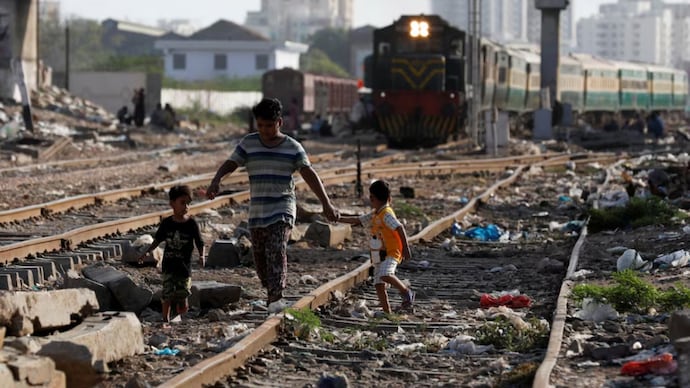
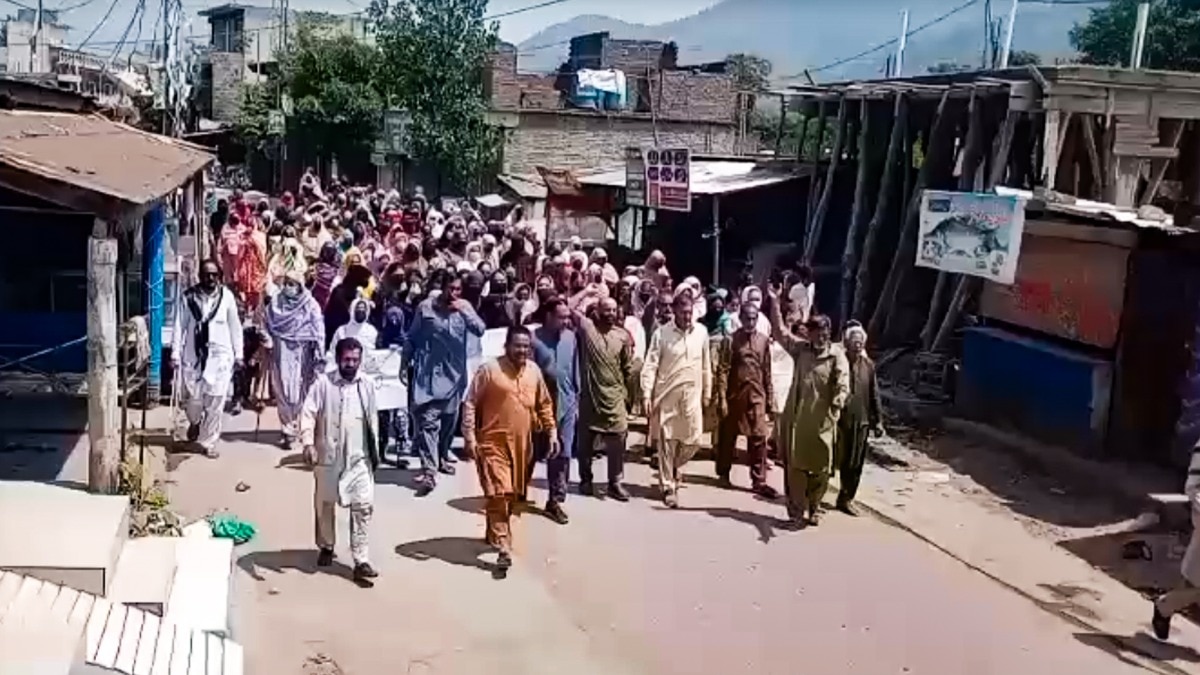
The survey found that Pakistan's national poverty rate climbed to 28.9 per cent in 2024-25 from 21.9 per cent in 2018-19. (Photo: Reuters)

UPDATED: Jun 13, 2026 00:38 IST
Millions of Pakistanis are discovering that incomes which once covered household needs are no longer enough to keep pace with rising costs. At the same time, government spending on education has fallen sharply.
Those challenges are laid bare in Pakistan's latest economic assessment. According to the Pakistan Economic Survey 2025-26, cited by Pakistani news outlet Geo News, poverty has risen sharply in recent years while education spending has dropped to just 0.8 per cent of GDP, one of the lowest levels in the country's history.
The report says that years of progress in reducing poverty have been reversed, with millions more people now living below the poverty line as inflation, inequality and economic pressures continue to weigh on households.
POVERTY SPREADS ACROSS URBAN AND RURAL AREAS
The survey found that Pakistan's national poverty rate climbed to 28.9 per cent in 2024-25 from 21.9 per cent in 2018-19.
"The latest estimates, however, indicate a reversal in this declining trend," the survey stated.
"The national poverty headcount increased to 28.9 per cent in 2024-25, compared to 21.9 per cent in 2018-19."
Behind the figures are families facing higher living costs and reduced purchasing power. The survey noted that inflation has significantly raised the poverty threshold over the past several years.
While rural communities remain the hardest hit, the report found that poverty is no longer only a countryside problem. Urban areas also recorded a noticeable rise, showing that economic pressures are being felt across the country.
Every major province reported worsening poverty levels.
MORE WEALTH AT THE TOP, MORE STRAIN BELOW
The survey found that the increase in poverty has been accompanied by rising inequality.
"This suggests that the recent rise in poverty was accompanied by wider disparities in income distribution," the report said.
According to the findings, some segments of society have managed to absorb economic shocks, others have fallen further behind. It also warned that Pakistan remains vulnerable to events beyond its borders. Any disruption in the Middle East could affect remittances, a major source of income for many households.
"The shock is strongly regressive. It hurts the poor first and the poor most," the survey noted.
Another external shock could quickly reduce purchasing power and increase financial stress on vulnerable families.
EDUCATION FACES A FUNDING CRUNCH
The survey also stressed a steep decline in spending on education. Government expenditure on education fell by 23 per cent to Rs962 billion in FY2025, while education's share of GDP dropped to 0.8 per cent. The report said many schools continue to struggle with basic infrastructure and facilities, particularly in poorer regions.
"The quality of education is strongly linked to the quality of school facilities," the survey said.
Despite some gains in school enrolment, millions of children remain outside the education system, while literacy rates continue to lag, especially among women.
The survey argues that stronger investment in education will be essential if Pakistan hopes to improve living standards and create more economic opportunities.
"Pakistan's education sector requires sustained reforms aimed at improving access, quality, learning outcomes, equity and governance across all levels of education. Enhanced public investment in education remains essential."
The survey's message is difficult to ignore. As poverty rises and education spending falls, Pakistan faces a test that goes beyond economics — whether it can create opportunities for a population increasingly under pressure from the cost of everyday life.
- Ends
Published By:
Satyam Singh
Published On:
Jun 13, 2026 00:38 IST