1 hour ago
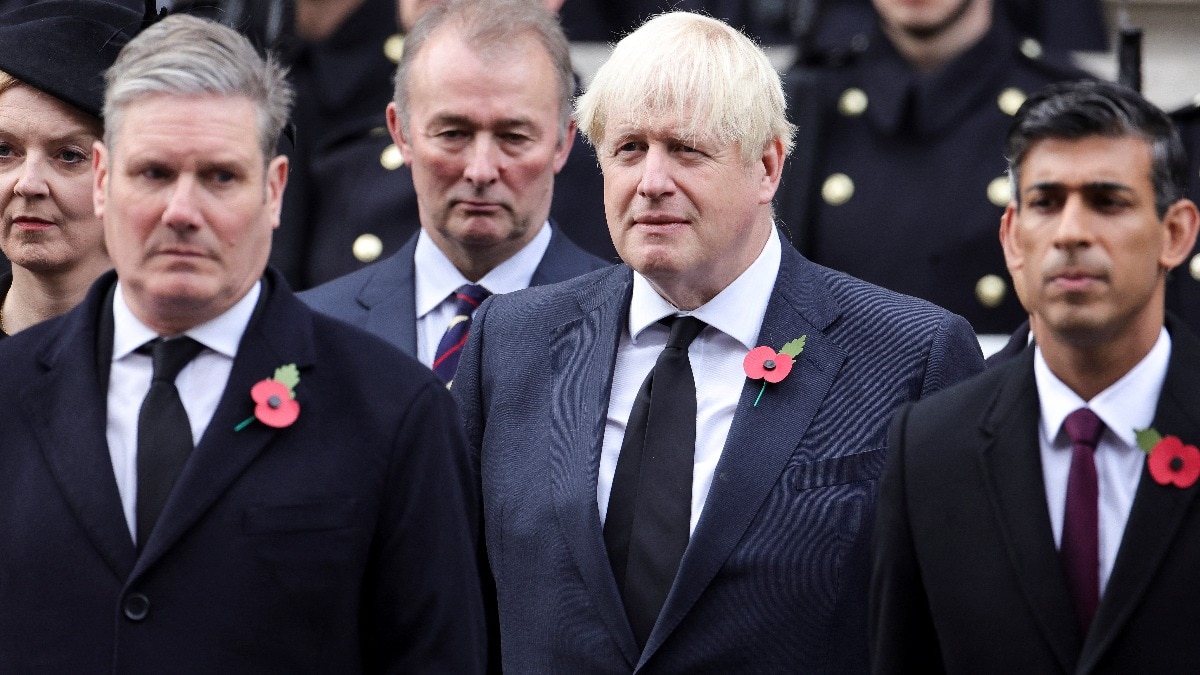
The timing could hardly be worse for Keir Starmer. Already under pressure over his leadership, he now finds himself battling criticism from within his own government while trying to juggle competing demands on the public purse.
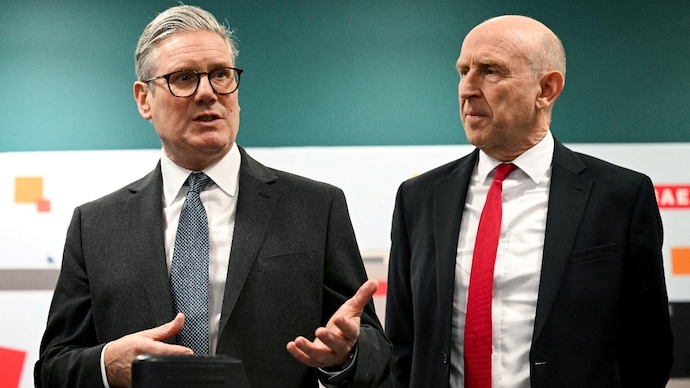
The immediate trigger for Healey's departure was a dispute over the UK government's Defence Investment Plan

UPDATED: Jun 11, 2026 17:59 IST
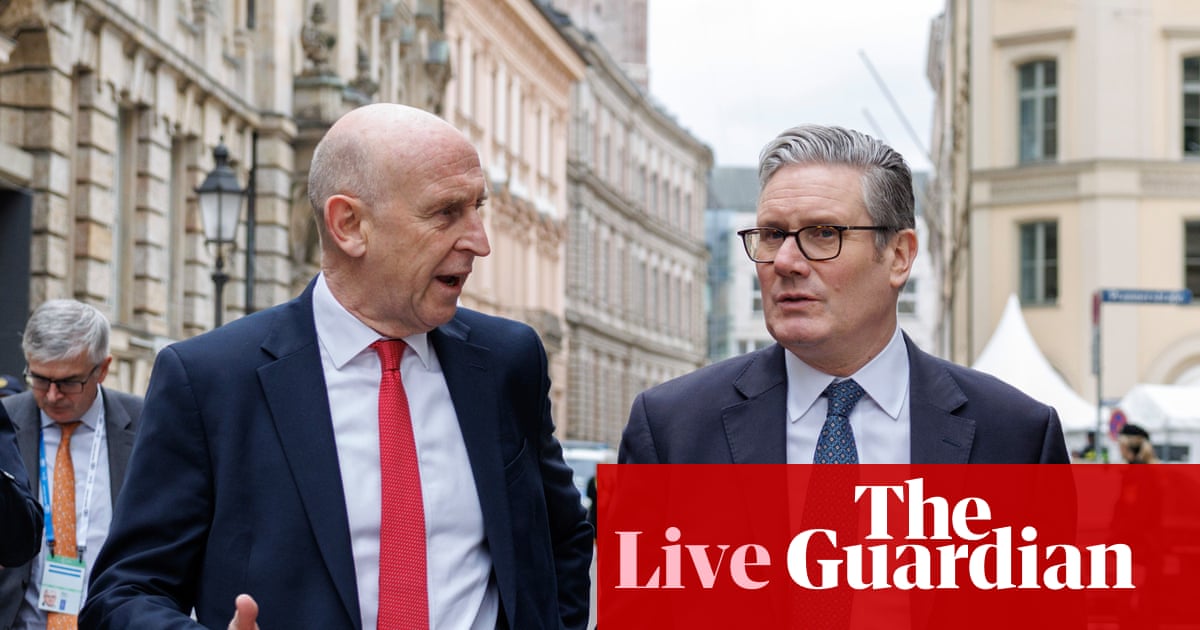
Britain's Defence Secretary John Healey resigned on Thursday after a bitter dispute with Prime Minister Keir Starmer over military spending, delivering a major blow to a government already facing mounting pressures. In a sharply worded resignation letter, Healey accused Starmer and the Treasury of failing to provide the resources needed to protect the country amid growing international threats.
The timing could hardly be worse for Starmer. Already under pressure over his leadership, he now finds himself battling criticism from within his own government while trying to juggle competing demands on the public purse.
DEFENCE FUNDING ROW BOILS OVER
The immediate trigger for Healey's departure was a dispute over the government's Defence Investment Plan (DIP), a long-awaited blueprint that will shape Britain's military spending and readiness for years to come.
In his resignation letter, Healey argued that the latest version of the plan falls significantly short of what Britain requires.
"You have been unable, and the Treasury has been unwilling, to commit the resources that the nation needs to defend the country at this time of rising threats," Healey wrote.
The plan was originally expected last year but has been repeatedly delayed as the Ministry of Defence and Treasury argued over spending levels. Military leaders and defence industry executives have warned that the delay is hampering planning and investment at a time when security threats are increasing.
According to Healey, the financial settlement he received this week would increase defence spending to only 2.68 per cent of gross domestic product by 2030. He said that figure was inadequate given Britain's growing commitments and the worsening global security environment.
The former defence secretary has consistently called for defence spending to reach 3 per cent of GDP by 2030, arguing that Britain cannot afford to fall behind as allies across Europe to accelerate military investment in response to an increasingly unstable environment.
BRITAIN FACES A NEW SECURITY REALITY
The dispute unfolds against a backdrop of heightened geopolitical tensions. Britain has warned of increased Russian military activity near its waters and has expanded its commitments to Nato operations.
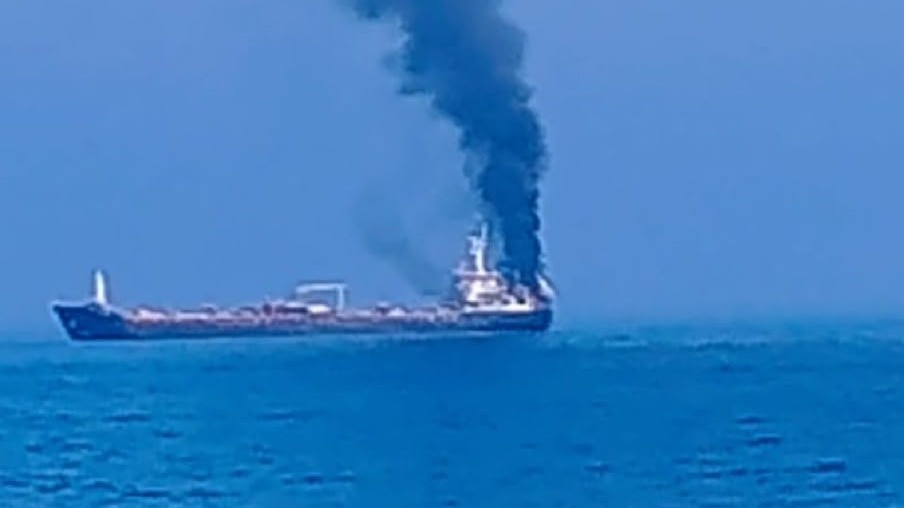
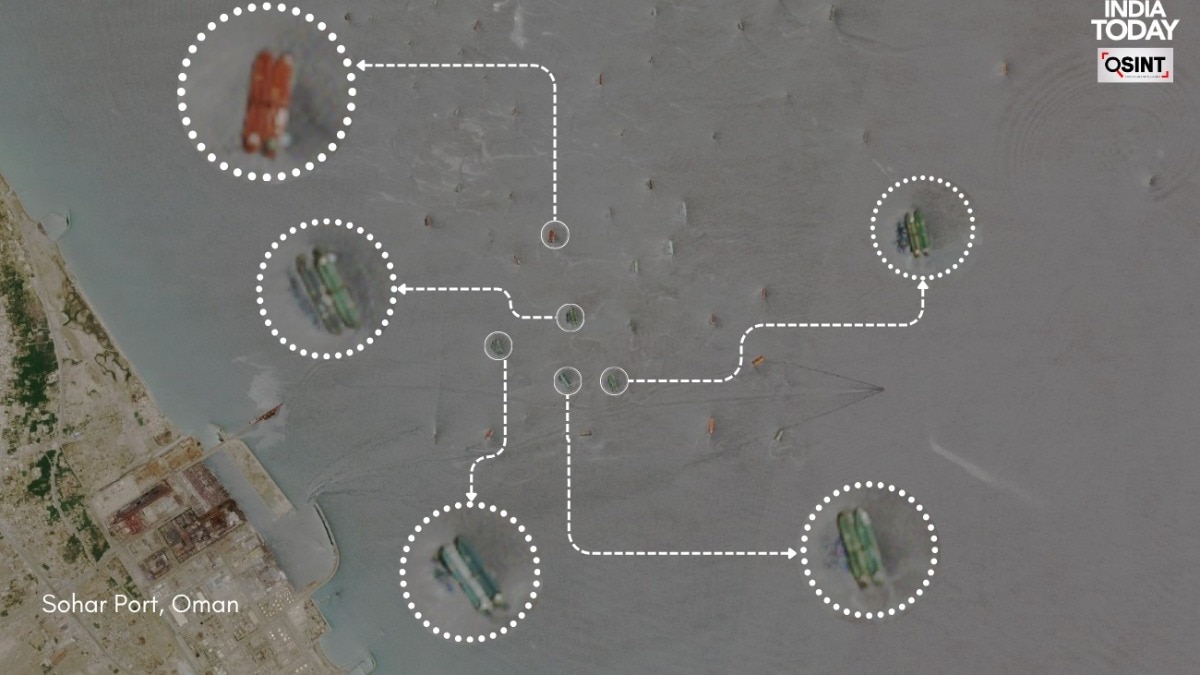
Healey noted that Britain's responsibilities have grown significantly in recent months. The UK is now leading the multinational military mission in the Strait of Hormuz, overseeing Nato's Arctic Sentry mission in the High North, and preparing for potential involvement in Ukraine following any future ceasefire agreement.
"Since then, the demands on defence have increased still further, as have the UK commitments you have rightly made to allies," Healey said.
"Your DIP financial settlement -- which I was first given in full on Monday afternoon this week -- falls well short of what is required for defence and the country at this dangerous time," he wrote.
"The extra support is backloaded when the pressure of operations and imperative to speed up readiness to fight is in the first two years and it rises to just 2.68 per cent of GDP in 2030."
PRESSURE MOUNTS ON STARMER
Healey's departure follows the recent exit of Health Secretary Wes Streeting and adds to growing talk of unrest inside Labour ranks, with questions increasingly being asked about Starmer's grip on the party and his ability to navigate a period of challenges.
Frustration has spilled beyond government departments and into Parliament, where MPs have grown increasingly impatient over the lack of clarity on Britain's defence strategy. House of Commons Speaker Lindsay Hoyle openly criticised reports that the government might unveil the plan while Parliament was not sitting, describing such a move as "an utter disgrace and an utter kick in the face" to MPs.
Already under pressure from within his own party, Starmer now faces the fallout from the resignation of one of his most senior ministers. The departure is likely to deepen scrutiny of his leadership and add to concerns about his ability to steer the government through mounting economic, political and security challenges.
- Ends
With inputs ftom agencies
Published By:
Satyam Singh
Published On:
Jun 11, 2026 17:59 IST