1 month ago
Summary of today so far
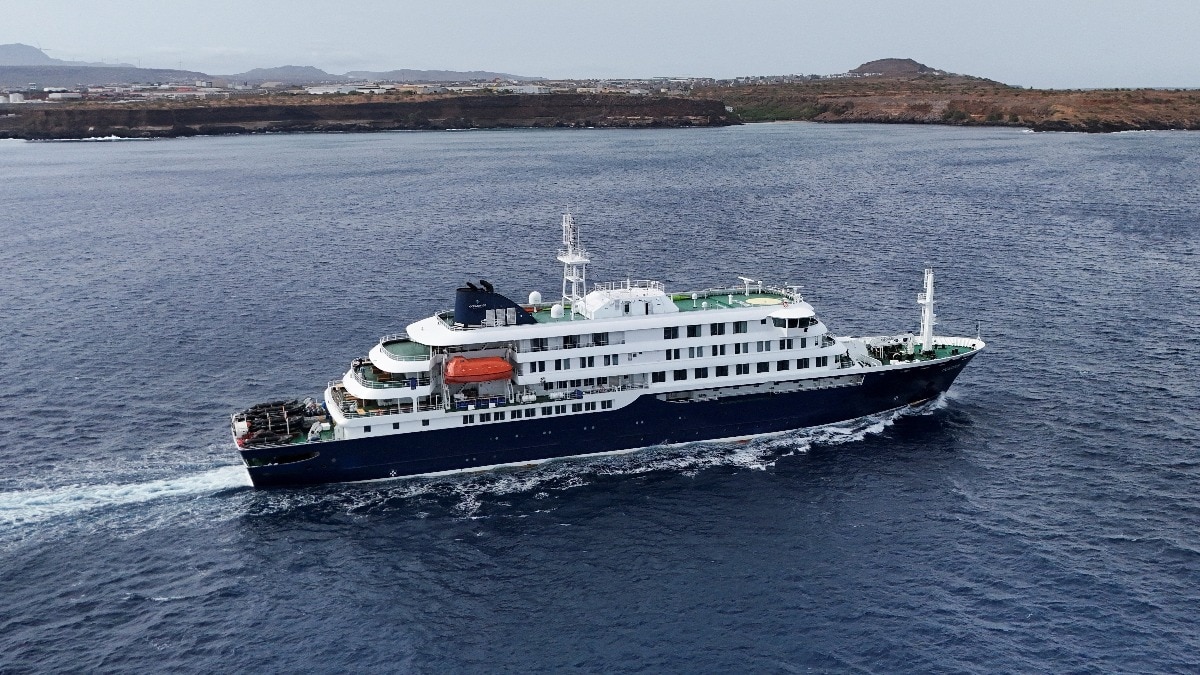
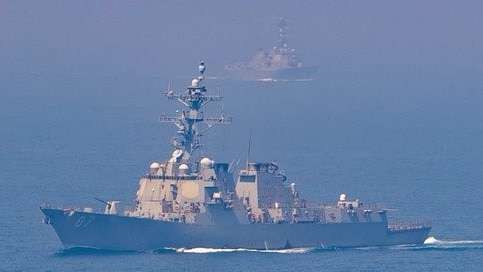
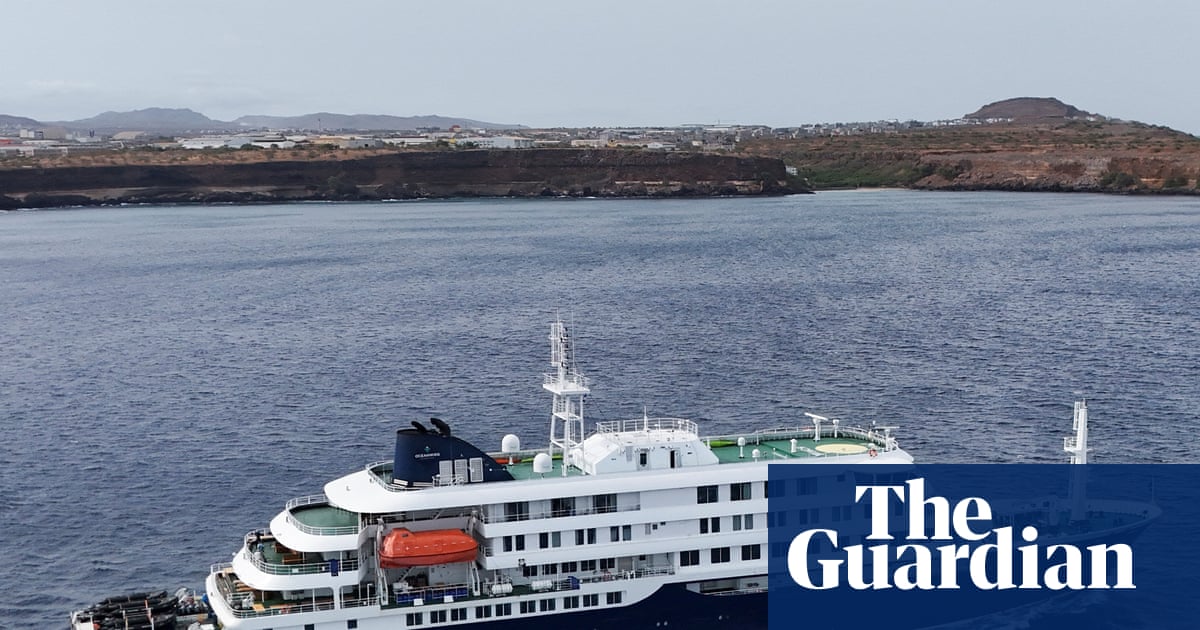
Three ships were hit by unknown projectiles in the strategic strait of Hormuz abutting Iran. Two of the ships sustained damage, while another, which the Thai navy identified as a Thai bulk carrier, caught fire, forcing the crew to evacuate.
Energy Agency has ordered the largest release of government oil reserves in its history in an effort to calm the oil price shock triggered by the US-Israeli attacks on Iran. All 32 members of the world’s energy watchdog agreed unanimously to release about 400m barrels of emergency crude, a third of the group’s total government stockpiles and more than double the IEA’s previous biggest release, the IEA said.
Iran’s military on Wednesday said any ships belonging to the United States, Israel or their allies passing through the strategic strait of Hormuz could be targeted. “Any vessel whose oil cargo or the vessel itself belongs to the United States, the Zionist regime or their hostile allies will be considered legitimate targets,” said the military’s central operational command, Khatam Al-Anbiya, in a statement carried by state TV.
Iran’s new supreme leader, Mojtaba Khamenei, was injured in the 28 February attack that killed six of his family members, including his father, Tehran’s ambassador to Cyprus has confirmed. In an interview conducted at his embassy compound in Nicosia, Alireza Salarian elaborated on the circumstances in which Khamenei, 56, was injured, saying he was lucky to survive the strike, which levelled the late ayatollah’s residence.
The deadly strike on a primary school in Minab, Iran, that left at least 175 people, mostly children, dead was the result of an American missile attack, the New York Times reports. Outdated targeting data was the cause of the tragedy, with US bombs hitting the school complex which was previously part of a nearby Iranian military base, sources told the New York Times.
Iran has deployed about a dozen mines in the strait of Hormuz, two sources familiar with the matter said, in a move likely to complicate the reopening of the narrow waterway, an important route for shipping oil and liquefied natural gas. One source told Reuters that the locations of most of the mines are known but declined to say how the US planned to deal with them.
Israel pounded Lebanon with a new wave of attacks, setting an apartment block in central Beirut alight. Earlier strikes in southern Lebanon killed five people in the Nabatieh district and two in the Tyre district.
US forces have conducted airstrikes on more than 5,500 targets inside Iran, Admiral Brad Cooper, commander of US Central Command, said in a post on X. Cooper provided an update on Wednesday on US operations in the Middle East, in which he said US forces “continue delivering devastating combat power against the Iranian regime”.
Israeli defence minister Israel Katz said Wednesday that the joint bombing campaign with the US against Iran would go on “as long as necessary”, insisting the strikes had inflicted heavy casualties on Tehran’s forces. “This operation will continue without any time limit, as long as necessary, until we achieve all the objectives and decide the outcome of the campaign,” he said, adding that the Iranian leadership was fleeing “like mice into tunnels”.
Key events 8m ago Why alliances in the Iran-US war are not simple – video 28m ago Trump says 'we're not finished yet' in Iran 1h ago Why desalination plants are the Gulf’s greatest weakness 2h ago Summary of today so far 3h ago Iran deploys a dozen mines to strait of Hormuz, sources say 3h ago Deadly attack of Minab primary school was result of 'outdated' US intel, reports New York Times 4h ago UK home secretary bans al-Quds Day march 4h ago IEA orders largest ever release of stockpiled oil to reduce crude price 4h ago Report: Trump says war with Iran will end 'soon' 5h ago US has hit 5,500 targets inside Iran, USCentcom says 7h ago Iran's military says ships belonging to US, Israel or allies are 'legitimate targets' 7h ago Today so far 7h ago KLM cancels all flights to Dubai until 28 March 8h ago Thai bulk carrier attacked in strait of Hormuz, Thai navy says 8h ago Death toll in Lebanon reaches 570 9h ago Witkoff on Britain's support for US military action against Iran: 'too little too late' 11h ago The low-paid Filipino workers caught up in the war on Iran 12h ago Iran's new supreme leader safe despite injuries, president's son says 12h ago Second ship hit in Strait of Hormuz, crew evacuating - UK maritime agency 13h ago Iran launches wave of strikes, as Israel pounds Lebanon 13h ago South Korea rattled by US's hasty redeployment of missiles to Middle East 14h ago Iran calls on regional countries and Muslims to reveal 'American-Zionist' hiding places 14h ago Israeli strike hits central Beirut - reports 15h ago Australia closes two embassies and consulate in Gulf 15h ago Drone hits US diplomatic facility in Iraq 17h ago Iran launches missiles toward Israel 17h ago Drone strikes US diplomatic facility in Iraq - reports 17h ago US destroys 16 Iranian mine-laying vessels near strait of Hormuz, military says 17h ago Protesters will be treated as 'enemies' - Iran's police chief 17h ago Welcome summary Show key events only Please turn on JavaScript to use this feature
Why alliances in the Iran-US war are not simple – video
The Iran-US-Israeli war has plunged the Middle East into chaos, but defining the system of alliances in this war is a complex question.
The Guardian’s Beirut-based reporter, Will Christou, explains who is supporting Iran, who is supporting the US and Israel, and what their support actually equates to.
An Iranian drone attack in Kuwait that killed six US service members in the early hours of the US-Israeli war on Iran was more severe than previously revealed, with dozens suffering injuries including brain trauma, shrapnel wounds and burns, multiple sources have told CBS News, with at least one requiring the amputation of a limb.
More than 30 military members remained in hospital on Tuesday night with injuries from the attack on a tactical operations center at the Shuaiba port outside Kuwait City, according to CBS News’s report.
The Pentagon said on Tuesday that about 140 US service members had been injured so far in the US-Israeli war on Iran.
“The vast majority of these injuries have been minor, and 108 service members have already returned to duty. Eight service members remain listed as severely injured and are receiving the highest level of medical care,” Pentagon spokesperson Sean Parnell said in a statement.
Donald Trump and several members of his cabinet joined the families of the six US soldiers killed in the strike during a “dignified transfer” ritual at Dover air force base on Saturday.
Donald Trump also said earlier that he was not worried about Iran-backed attacks on US soil.
Asked outside the White House if he was worried that Iran may increase it retaliation to include strikes on US soil, Trump told reporters, “No, I’m not.”
ABC News later reported that the FBI had warned police departments in California that Iran could retaliate for US attacks by launching drones at the west coast.
“We recently acquired information that as of early February 2026, Iran allegedly aspired to conduct a surprise attack using unmanned aerial vehicles from an unidentified vessel off the coast of the United State Homeland, specifically against unspecified targets in California, in the event that the US conducted strikes against Iran,” the FBI wrote in an alert distributed at the end of February, according to ABC News.
“We have no additional information on the timing, method, target, or perpetrators of this alleged attack.”

Shrai Popat
Donald Trump also evaded a question about the bombing of an Iranian girls’ school that killed at least 175 people, most of them children.
A preliminary investigation found that the US is to blame for the strike, according to a report from the New York Times.
When asked whether he takes responsibility for the attack, the US president simply replied:
I don’t know about it.
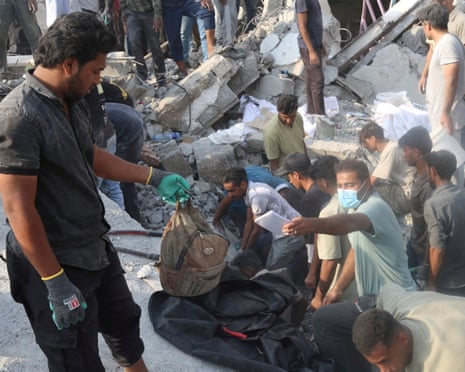
Trump has insisted in recent days that Iran was to blame, despite mounting evidence that suggests US liability and despite admitting that he “doesn’t know enough” about the strike. His administration officials are withholding blame until a full report is released. Trump has also said he is “willing to live” with the investigation’s findings.
Per the NYT’s report, the Tomahawk missile strike on the Shajareh Tayyebeh primary school was the consequence of a “targeting mistake” by the US military, which was conducting strikes on an adjacent Iranian base, which used to include the school building.
According to the officials briefed on the preliminary investigation whom the paper spoke to, officers at US Central Command (Centcom) created target coordinates for the strike “using outdated data provided by the Defense Intelligence Agency”.
The officials emphasized that “there are important unanswered questions about why the outdated information had not been double checked”.
Here’s my colleague Peter Beaumont’s story on that:
Asked if oil companies should be using the strait of Hormuz, the critical waterway for shipping oil and liquefied natural gas where traffic has effectively ground to a halt amid the US-Israeli war on Iran, Donald Trump said only:
I think they should.
Iran has reportedly deployed about a dozen mines in the strait and reiterated today that any ships belonging to the United States, Israel or their allies passing through the strait could be targeted.
Trump says 'we're not finished yet' in Iran
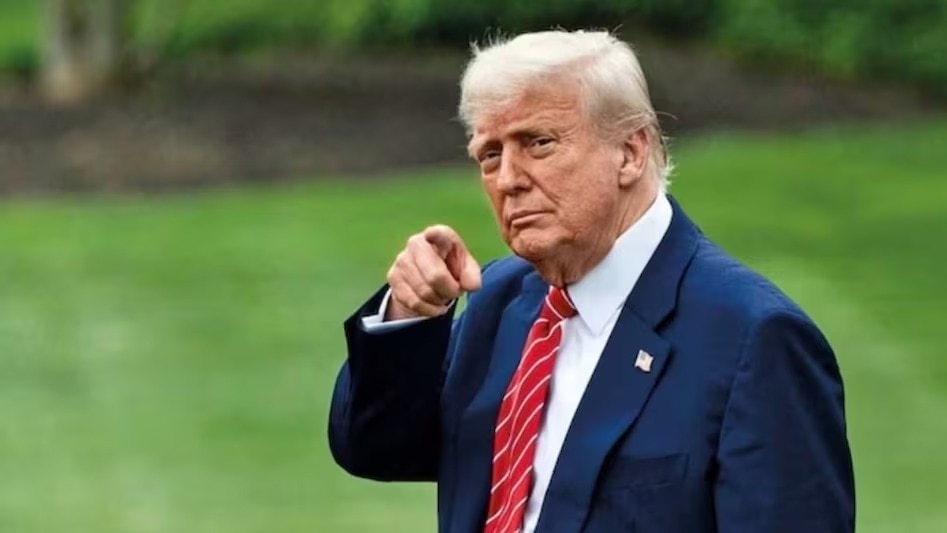
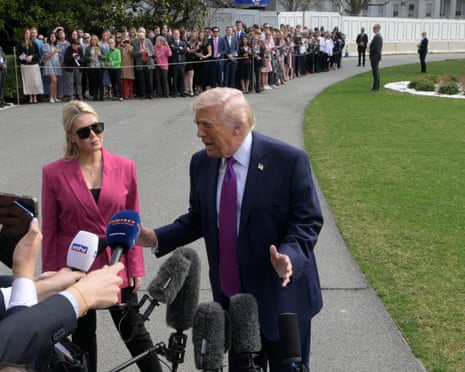
Donald Trump earlier spoke to reporters briefly outside the White House. Asked what it will take for the war in Iran to end, he said:
More of the same. And we’ll see how that all comes out.
They’ve lost their navy. They’ve lost their air force. They have no anti-aircraft apparatus at all. They have no radar. Their leaders are gone. And we could do a lot worse.
He boasted that the US has hit Iran “harder than virtually any country in history has been hit”, before adding, “we’re not finished yet”.
Earlier, the US president told Axios that the war would end “soon” since the there is “practically nothing left to target” in Iran.
The US state department said on Wednesday that Iran and Iran-aligned militas may be planning to target US-owned oil, energy infrastructure and hotels in Iraq.
In a post on X, the US embassy in Baghdad said: “Iran-aligned terrorist militias have also targeted hotels frequented by Americans throughout Iraq, including the Iraqi Kurdistan Region (IKR).”
It urged US citizens in Iraq to “remain vigilant, maintain a low profile, and stay away from areas that could make them a target”.
Romania decided on Wednesday to let the United States use air bases in the eastern European country to refuel aircraft involved in the US-Israeli war on Iran, the country’s president said.
Parliament approved the measure after it was reviewed by the Supreme Council of Defence earlier in the day. President Nicusor Dan called it a “temporary deployment of American military equipment and forces in Romania” in a statement following the council meeting.
The move would allow refuelling of aircraft and the deployment of monitoring and satellite communications equipment, Dan said.
“This is equipment that enhances Romania’s security,” Dan said. “I would like to emphasise that this equipment is defensive and that it is not equipped with weapons per se.”
The United States would be able to use the Mihail Kogalniceanu base near Constanta and Campia Turzii in central Romania for an initial 90 days, an official source told AFP.
Why desalination plants are the Gulf’s greatest weakness

Damien Gayle
In 1983, the CIA determined that the most crucial commodity in the Gulf was its desalinated potable water.
Although the loss of a single plant could be handled, “successful attacks on several plants in the most dependent countries could generate a national crisis that could lead to panic flights from the country and civil unrest”. And the greatest threat to the region’s water supply? “Iran.”
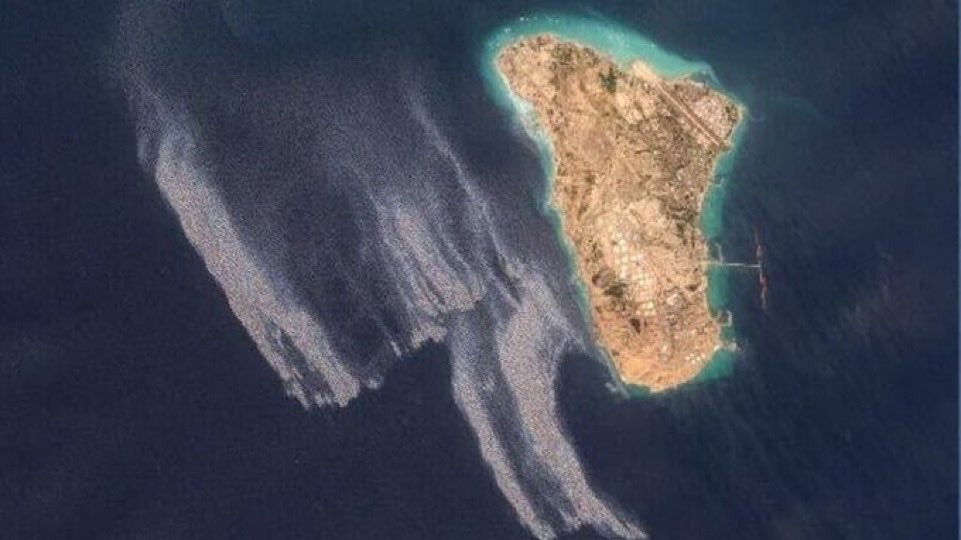
That’s why, four decades later, the world held its breath on Saturday when Iran’s foreign minister, Abbas Araghchi, accused the US of “a blatant and desperate crime” by attacking a desalination plant on the island of Qeshm, in the strait of Hormuz. “The US set this precedent, not Iran,” he said.
The US denied responsibility for the attack. But the next day, on the other side of the Gulf, Bahrain announced one of its own desalination plants had been hit. The alleged culprit: “Iranian aggression.”
More here:
Iran’s armed forces threatened on Wednesday to target regional ports if its own ports were attacked during the war with Israel and the United States, a spokesman said.
“If our ports and docks are threatened, all ports and docks in the region will be our legitimate targets,” armed forces spokesman Abolfazl Shekarchi said, according to state TV.
He warned that the armed forces “will carry out a heavier operation than what we have done so far” if Iranian ports were to come under attack.
“We call on the countries of the region to expel the Americans from their lands,” he added.

Patrick Wintour
UK diplomats do not believe Iran has the will or capacity to keep fighting if Donald Trump, in the near future, declares a unilateral ceasefire, stating his war objectives have been met.
The officials also do not expect from the statements emerging from the White House that the US will seek to target or capture Iran’s stockpile of highly enriched uranium, but will settle for highlighting the damage it has inflicted on Iranian state institutions and its ballistic missile programme.
Officials regard Iranian claims that they will not accept a ceasefire as bluster, pointing out that Iran accepted ceasefire at the end of the 12-day war in June last year.
Diplomats are also not expecting the Gulf states to shift their posture of refusing to go on the offensive against Iran, but instead want the conflict brought to an end as soon as possible. Damage to Gulf-Iranian relations will be long-term.
The UK is advising the Gulf states on cheaper options to shoot down incoming Iranian drones, probably the most surprising aspect of the conflict. Bahrain has sought to repel 176 drones and the United Arab Emirates more than 1,500 drones. RAF Typhoons have been helping to shoot down missiles in Qatar the UAE and Bahrain.
Overall, 55,000 British citizens have flown out of the region since the conflict started and seats are still available on flights out of Dubai into the UK, but mainly on flights that have destinations outside London.