 1 month ago
Iraq oil ports halt operations after tanker attack – official
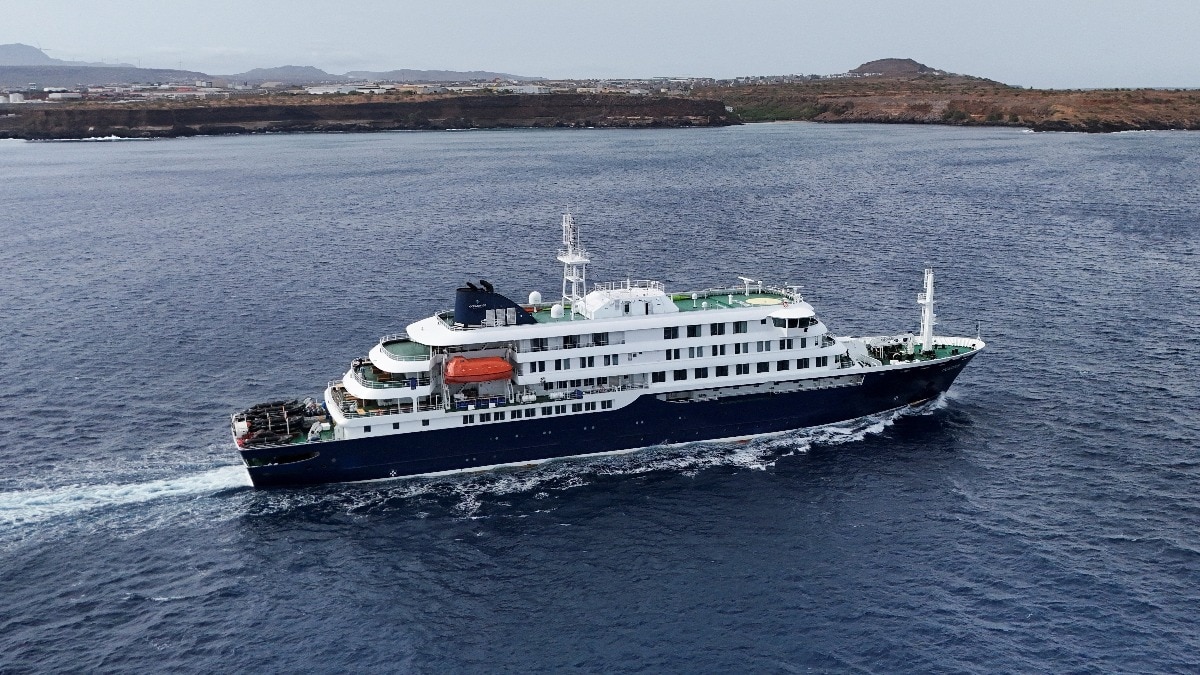
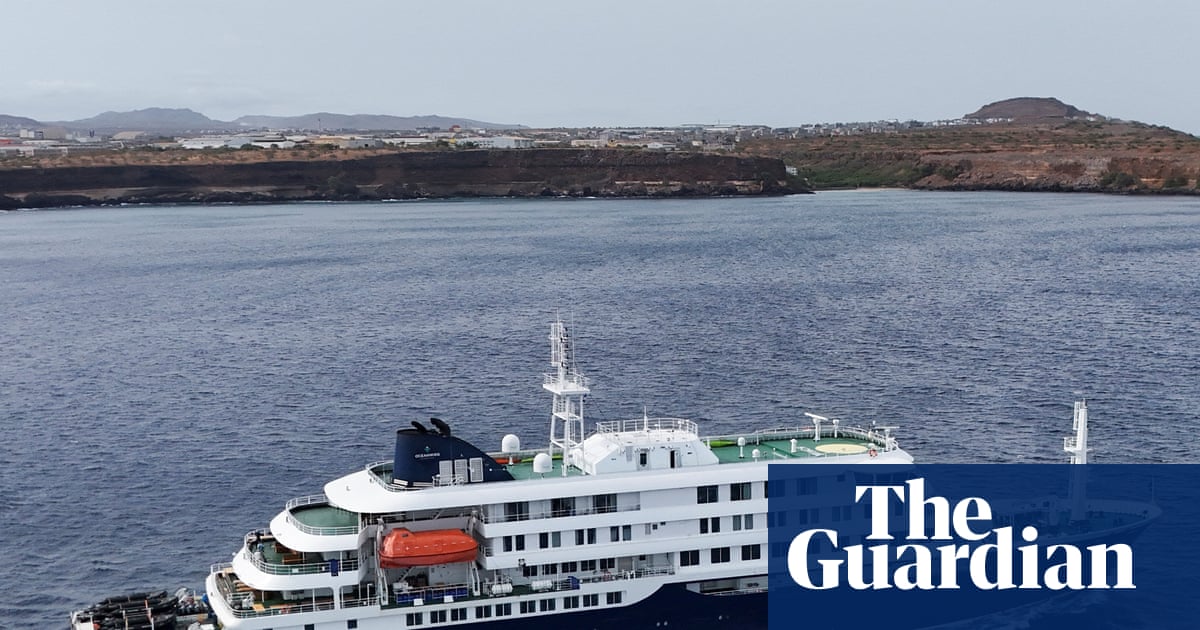
Iraq’s oil ports have completely stopped operations while commercial ports continue to operate after an attack on a fuel tanker, an Iraqi official has said.
Farhan Al-Fartousi, the head of Iraq’s General Company for Ports, also told Al-Iraqiya News that one crew member was killed and 38 had been rescued, according to state news agency INA. He said a search for the missing was continuing.
Iraqi port security officials has said, as reported earlier, that two foreign tankers carrying Iraqi fuel oil were in flames after being attacked by Iranian boats laden with explosives.
Al-Fartousi said a tanker loaded with petroleum products was in the process of loading when it was involved in an “incident”, the INA report said, also saying:
He added that “one of the smaller tankers involved flies the Maltese flag” noting that the vessel was hit by an explosion, though it remains unclear whether it was a direct strike or a waterborne improvised explosive device (suicide boat).
Al-Fartousi said the tankers were about 30 miles (48km) off the Iraqi coast.
The Iraqi government’s media cell has been quoted as telling INA that “two tankers were subject to sabotage”.
Key events 1h ago Iraq oil ports halt operations after tanker attack – official 1h ago US to release 172m barrels of oil from strategic petroleum reserve 2h ago US intelligence suggests Iranian leadership not at risk of collapse – report 2h ago One dead after two foreign oil tankers struck by Iranian boats in Iraqi waters - report 2h ago Hezbollah and Iran carried out first coordinated attack against Israel 3h ago The day so far 3h ago US intelligence sees direct attacks by Iran on oil tankers as greater risk than mines 3h ago UAE air defences intercept new wave of Iranian missiles and drones 3h ago Iranian ambassador to UN condemns 'clear injustice against my country' 4h ago Kuwait intercepts hostile missile and drone attacks 4h ago US has 'got to finish the job' in Iran, Trump says 4h ago Qatar says Iran launched nine ballistic missiles at its territory 4h ago Oman works to contain fire at Salalah port after drones strike 5h ago Israel prepared to continue Iran war for 'as long as necessary' 5h ago Israel launches further 'large-scale' strikes on Beirut suburbs 5h ago Iran must be paid reparations and have guarantees against future aggression to end war, Pezeshkian says 6h ago Trump says 'let's see what happens' to Iran's new leadership 6h ago Iran war 'turned out to be easier than we thought', says Trump 6h ago Why alliances in the Iran-US war are not simple – video 7h ago Trump says 'we're not finished yet' in Iran 7h ago Why desalination plants are the Gulf’s greatest weakness 8h ago Summary of today so far 9h ago Iran deploys a dozen mines to strait of Hormuz, sources say 10h ago Deadly attack of Minab primary school was result of 'outdated' US intel, reports New York Times 10h ago UK home secretary bans al-Quds Day march 10h ago IEA orders largest ever release of stockpiled oil to reduce crude price 11h ago Report: Trump says war with Iran will end 'soon' 11h ago US has hit 5,500 targets inside Iran, USCentcom says 13h ago Iran's military says ships belonging to US, Israel or allies are 'legitimate targets' 13h ago Today so far 13h ago KLM cancels all flights to Dubai until 28 March 14h ago Thai bulk carrier attacked in strait of Hormuz, Thai navy says 15h ago Death toll in Lebanon reaches 570 15h ago Witkoff on Britain's support for US military action against Iran: 'too little too late' 17h ago The low-paid Filipino workers caught up in the war on Iran 18h ago Iran's new supreme leader safe despite injuries, president's son says 18h ago Second ship hit in Strait of Hormuz, crew evacuating - UK maritime agency 19h ago Iran launches wave of strikes, as Israel pounds Lebanon 19h ago South Korea rattled by US's hasty redeployment of missiles to Middle East 20h ago Iran calls on regional countries and Muslims to reveal 'American-Zionist' hiding places 20h ago Israeli strike hits central Beirut - reports 21h ago Australia closes two embassies and consulate in Gulf 21h ago Drone hits US diplomatic facility in Iraq 23h ago Iran launches missiles toward Israel 23h ago Drone strikes US diplomatic facility in Iraq - reports 23h ago US destroys 16 Iranian mine-laying vessels near strait of Hormuz, military says 23h ago Protesters will be treated as 'enemies' - Iran's police chief 23h ago Welcome summary Show key events only Please turn on JavaScript to use this feature

William Christou
Israeli warplanes have bombarded Beirut’s southern suburbs and southern Lebanon after Hezbollah launched drones and rockets at northern Israel on Wednesday night in a sharp escalation of the conflict.
Hezbollah let off successive volleys of rockets and drone swarms at Israel on Wednesday night, injuring two people, with most of the projectiles either being intercepted or falling into open areas, reports William Christou in Beirut.
Iran’s Revolutionary Guards later they had carried out some strikes with Hezbollah in a “joint” operation involving a missile attack by Iran along with missile and drone fire from Lebanon’s Iran-backed militant group. It the first joint Iran-Hezbollah operation against Israel since the war began 12 days ago.
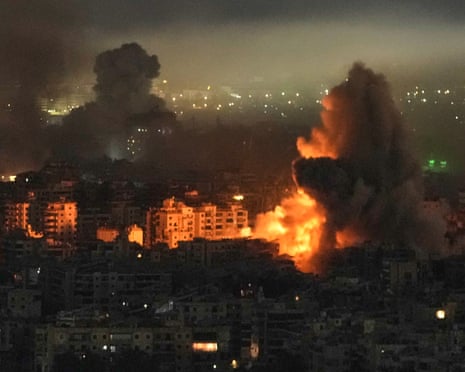
The operation focused on “more than 50 targets” on Israeli territory including Israeli military bases in Haifa, Tel Aviv, and Beersheba, the Guards said in a statement.
Lebanon was quickly becoming the most intense site of fighting in the region amid the war on Iran.
Israeli warplanes began bombing Lebanon nearly immediately after Hezbollah’s strikes. The skies of Beirut were lit red and windows around the capital city shook as Israel unleashed its most powerful bombardment of the southern suburbs yet in this round of fighting.
Videos showed collapsed buildings in southern Lebanon and streets choked with smoke illuminated by roaring flames.
You can read the full report here:

Robert Mackey
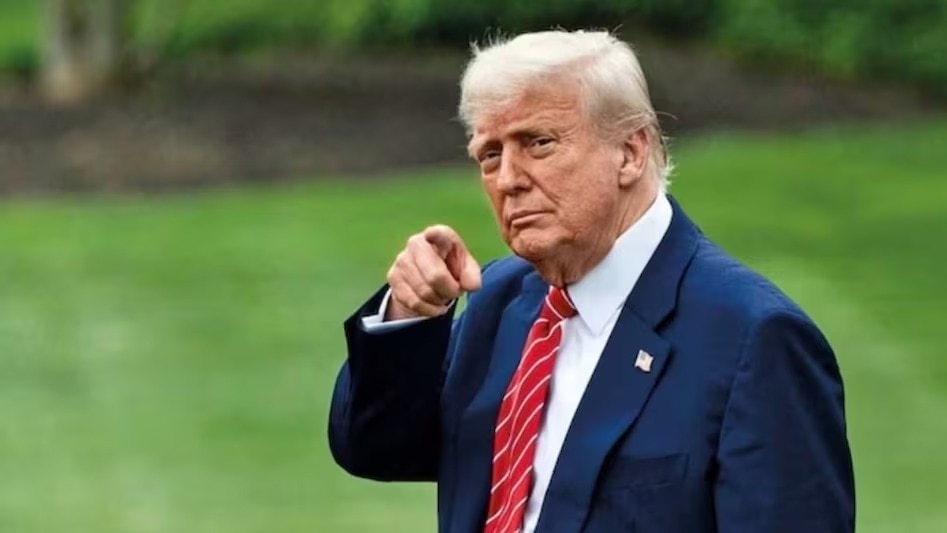
As video circulating online appears to show oil tankers filled with Iraqi oil in flames in the Persian Gulf after the reported attacks by Iran, Donald Trump assured his supporters at a rally in Kentucky that the war on Iran he started from his Florida beach club 12 days ago is already over and “we won”.
After Trump first shouted “Operation Epic Fury!”, the Pentagon’s name for the US offensive, and received cheers from his supporters, he added: “Is that a great name? Well, it’s only good if you win … and we’ve won. Let me tell you, we’ve won.”
“You know, you never like to say too early you won,” Trump continued, perhaps thinking of his predecessor, George W Bush, standing in front of a huge “Mission Accomplished” banner in 2003 and prematurely declaring a US victory in Iraq.
But then he plowed ahead with his own declaration. “We won. We won. In the first hour it was over,” Trump said.
Iraq oil ports halt operations after tanker attack – official
Iraq’s oil ports have completely stopped operations while commercial ports continue to operate after an attack on a fuel tanker, an Iraqi official has said.
Farhan Al-Fartousi, the head of Iraq’s General Company for Ports, also told Al-Iraqiya News that one crew member was killed and 38 had been rescued, according to state news agency INA. He said a search for the missing was continuing.
Iraqi port security officials has said, as reported earlier, that two foreign tankers carrying Iraqi fuel oil were in flames after being attacked by Iranian boats laden with explosives.
Al-Fartousi said a tanker loaded with petroleum products was in the process of loading when it was involved in an “incident”, the INA report said, also saying:
He added that “one of the smaller tankers involved flies the Maltese flag” noting that the vessel was hit by an explosion, though it remains unclear whether it was a direct strike or a waterborne improvised explosive device (suicide boat).
Al-Fartousi said the tankers were about 30 miles (48km) off the Iraqi coast.
The Iraqi government’s media cell has been quoted as telling INA that “two tankers were subject to sabotage”.
US to release 172m barrels of oil from strategic petroleum reserve
The United States will release 172m barrels of oil from its strategic petroleum reserve in a bid to reduce oil prices that have soared due to supply shocks from war, the US energy secretary has said.
Chris Wright said the release is part of a broader release of 400m barrels of oil agreed to by the 32-country Energy Agency earlier in the day.
He said the release would begin next week and will take about 120 days to deliver.
In his statement on Wednesday, Wright accused Iran of having “manipulated and threatened the energy security of America and its allies”.
Trump had said earlier on Wednesday that he planned to tap the petroleum reserve.
The full report is here:
US intelligence suggests Iranian leadership not at risk of collapse – report
US intelligence indicates that Iran’s leadership is still largely intact and is not at risk of collapse any time soon after nearly two weeks of relentless US and Israeli bombardment, the Reuters news agency is reporting, citing three sources familiar with the matter.
A “multitude” of intelligence reports provide “consistent analysis that the regime is not in danger” of collapse and “retains control of the Iranian public”, said one of the sources, all of whom were granted anonymity to discuss US intelligence findings.
The Reuters report also quoted one of the sources as saying latest intelligence report was completed within the past few days.
The intelligence reporting underscores the cohesion of Iran’s clerical leadership despite the killing of supreme leader Ayatollah Ali Khamenei on the first day of the US and Israeli strikes.
Israeli officials in closed discussions have also acknowledged there is no certainty the war will lead to the clerical government’s collapse, a senior Israeli official told Reuters.
The sources stressed that the situation on the ground was fluid and that the dynamics inside Iran could change.
The US Office of the Director of Intelligence and the Central Intelligence Agency declined to comment, while the White House did not immediately respond to a request for comment.
The war in the Middle East is likely to result in worsening institutionalised repression of Iranian citizens, UN-mandated investigators looking into rights abuses in Iran have said.
The UN’s independent international fact-finding mission on Iran said civilians in the country were caught between ongoing armed hostilities and repression that had reached unprecedented levels, which may amount to crimes against humanity.
Iran’s deepening human rights crisis “is likely to worsen in the wake of the US-Israeli attacks on Iran and Iran’s retaliatory strikes across the region”, the mission said on Wednesday.
Over the past 11 months, it had identified “a clear pattern that is directly relevant to what we are seeing today in Iran”, said the statement, cited by AFP.
The protection of civilians, including detainees, becomes acutely precarious during armed conflict, and in the aftermath, state repression intensifies, particularly where as now, a connectivity and internet shutdown is imposed.
One dead after two foreign oil tankers struck by Iranian boats in Iraqi waters - report
Two foreign tankers carrying Iraqi fuel oil are in flames after being attacked by Iranian boats laden with explosives, killing one foreign crew member, Iraqi port security officials told Reuters on Wednesday.
Iraq evacuated the 25 crew members from the two vessels and fire is still ablaze on both ships, he added.
Hezbollah and Iran carried out first coordinated attack against Israel
Iran’s Islamic Revolutionary Guards Corps has confirmed that it carried out a coordinated attack on Israel with Hezbollah.
In a statement to Nour News, the IRGC said the attack involved the launch of missiles against Tel Aviv, as well as the “occupied territories of Jerusalem, Haifa”, and US bases in Jordan and Saudi Arabia.
Earlier, a senior Israeli defence official said Iran and Hezbollah had carried out a joint missile strike on northern Israel.
It marks the first time Iran and Hezbollah, which operates out of Lebanon, have conducted a joint operation against Israel since the conflict began 12 days ago.
The day so far
Here’s a brief recap of the last few hours.
Donald Trump said the US is “not finished yet” when asked about the war in Iran. He boasted that the US has hit Iran “harder than virtually any country in history has been hit”, before adding: “We’re not finished yet.” Speaking at another engagement, Trump said the US had “won” but “we got to finish the job”. Earlier, he had told Axios that the war would end “soon” since the there is “practically nothing left to target” in Iran.
The Israeli military launched a “large-scale wave of strikes” on Beirut’s densely populated suburbs after Hezbollah launched what the IDF said were “dozens” of rockets. The IDF claimed the strikes targeted what it described as “Hezbollah infrastructure” in the Dahieh suburb of southern Beirut. Israel’s renewed bombing campaign across Lebanon and its invasion of border areas with ground troops have killed more than 570 people, according to Lebanese authorities. This includes at least 83 children, according to Unicef. About 750,000 people have been displaced after being forced to flee the violence, sparking a growing humanitarian disaster.
The Israeli military said is prepared to continue its war with Iran for “as long as necessary”. “We as an army are prepared to continue the campaign as long as necessary,” a spokesperson said, as quoted by Reuters. Earlier, the Isreali defence minister, Israel Katz, conveyed similar sentiments, saying that the war “will continue without any time limit”.
Iran’s UN ambassador said a UN security council resolution demanding that Tehran stop its “egregious” attacks on Gulf nations is an “injustice against my country” – adding that Iran is the “main victim of a clear act of aggression”. “The decision distorts the facts on the ground and ignores the root causes of the current crisis,” Amir Saeid Iravani said. “The attack on us began with the assassination of the supreme leader and officials, which led to the deaths of thousands of victims.”
Condemning “heinous crimes and lethal aggression” from the US and Israel, Iravani said more than 1,348 civilians have been killed and more than 17,000 injured since Washington and Tel Aviv launched their joint attack on 28 February. More than 19,000 civilian sites – including 16,191 residential homes, 77 medical facilities and 65 schools – have been damaged, he said.
Masoud Pezeshkian, Iran’s president, demanded that reparations and security guarantees be included in any agreement to end the war started by the United States and Israel. The Trump administration, meanwhile, has said that Donald Trump will decide when to end the war on Iran, and the US president has demanded Tehran’s “unconditional surrender” before that happens.
Donald Trump evaded a question about the bombing of an Iranian girls’ school that killed at least 175 people, most of them children. A preliminary investigation found that the US is to blame for the strike, according to a report from the New York Times. When asked whether he takes responsibility for the attack, the US president simply replied: “I don’t know about it.” More on that here.
Oman’s civil defence is working on containing a fire in fuel tanks at the port in Salalah, Oman’s state news agency reported, after drones struck oil storage facilities there.
Qatar, Kuwait and the UAE all said they had successfully intercepted Iranian drones and missiles against their territories.
US intelligence sees direct attacks by Iran on oil tankers as greater risk than mines

Hugo Lowell
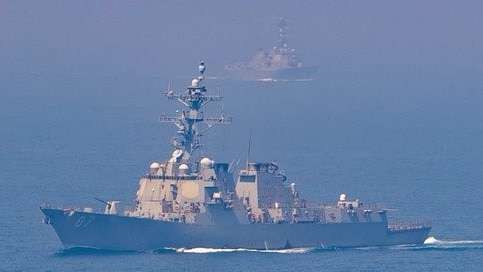
US intelligence reporting sees direct attacks by Iran as the greatest threat to oil tankers going through the strait of Hormuz, the key transit passage for the global oil trade that has been effectively shut down by the Islamic Revolutionary Guard since the start of the US-Israeli war against Iran.
The Trump administration, spooked by possible preparations by Iran to mine the strait, carried out strikes against 16 mine-laying vessels near the strait on Tuesday. US Central Command posted a video showing munitions hitting nine vessels, most of which were moored as they were struck.
But the more potent threat remains the risk of a direct attack by Iran at scale – for instance, a swarm of one-way attack drones or a series of shore-to-ship ballistic missiles, according to two people familiar with the intelligence who spoke on the condition of anonymity to discuss sensitive details.
The problem comes because just one missile or drone slipping through defenses could decimate or sink a tanker, giving Iran leverage even as the US launched what a senior administration official described as its largest attack against Iran in the conflict to date.
As a result, even if US navy destroyers escorted the tankers, they might not be able to intercept every incoming missile, and even in the event the Trump administration provides risk insurance directly to operators, ships’ crews would still need to be convinced to pilot the vessels through the strait.
Here’s the full report:
UAE air defences intercept new wave of Iranian missiles and drones
UAE air defence systems have successfully intercepted 6 ballistic missiles, 7 cruise missiles, and 39 drones launched from Iran on Wednesday, the country’s defence ministry said in a statement.
Since the start of the “brazen Iranian aggression”, UAE air defences have neutralised a total of 268 ballistic missiles, 15 cruise missiles, and 1,514 drones, it added.
The ministry said these repeated attacks have resulted in six deaths and wounded 131.
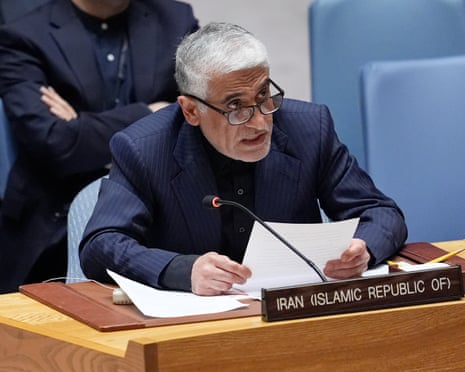
Iranian ambassador to UN condemns 'clear injustice against my country'
Iran’s ambassador to the United Nations earlier addressed the UN security council after it voted in favour of a draft resolution demanding that Tehran stop its “egregious” attacks on Gulf nations.
“The decision is a clear injustice against my country, which is the main victim of a clear and unambiguous act of aggression,” Amir Saeid Iravani said.
The decision distorts the facts on the ground and ignores the root causes of the current crisis.
The attack on us began with the assassination of the supreme leader and officials, which led to the deaths of thousands of victims.
Condemning “heinous crimes and lethal aggression” from the US and Israel, Iravani said more than 1,348 civilians have been killed and more than 17,000 injured since Washington and Tel Aviv launched their joint attack on 28 February.
More than 19,000 civilian sites – including 16,191 residential homes, 77 medical facilities and 65 schools – have been damaged, he said.
Kuwait intercepts hostile missile and drone attacks
The Kuwaiti army said a short while ago that national air defence systems were responding to hostile missile and drone attacks.
US has 'got to finish the job' in Iran, Trump says
Donald Trump said that Iran didn’t know “what the hell hit them” when the US and Israel launched war on Tehran 12 days ago, and repeated his baseless claims that Iran was planning “to try to take over the Middle East” and “knock out Israel”.
He went on to say that “we won”, but the United States will stay in the fight to finish the job against Iran.
“You never like to say too early you won. We won,” Trump said. “In the first hour it was over.”
He added, “We got to finish the job.”
After [Operation] Midnight Hammer, we figured that’ll be the end of them for a while. But they started again.
That’s why we got to finish it, right? We don’t want to go back every two years.
Speaking in Kentucky, Donald Trump touted the US military as “better than any military in the world”.
In an apparent reference to his war on Iran, he added:
I didn’t know we’d have to show it off so much.
Qatar says Iran launched nine ballistic missiles at its territory
Qatar’s defence ministry said that Iran launched nine ballistic missiles and a number of drones at its territory.
In a post on X, it said that the armed forces “successfully intercepted all drones” and eight missiles, while the remaining one fell into an uninhabited area.