1 hour ago
Last Updated:March 02, 2026, 17:03 IST
Dr Awadallah stressed that India’s voice carries significant moral and political weight and should be used to hold Israel accountable for its non-compliance with international law


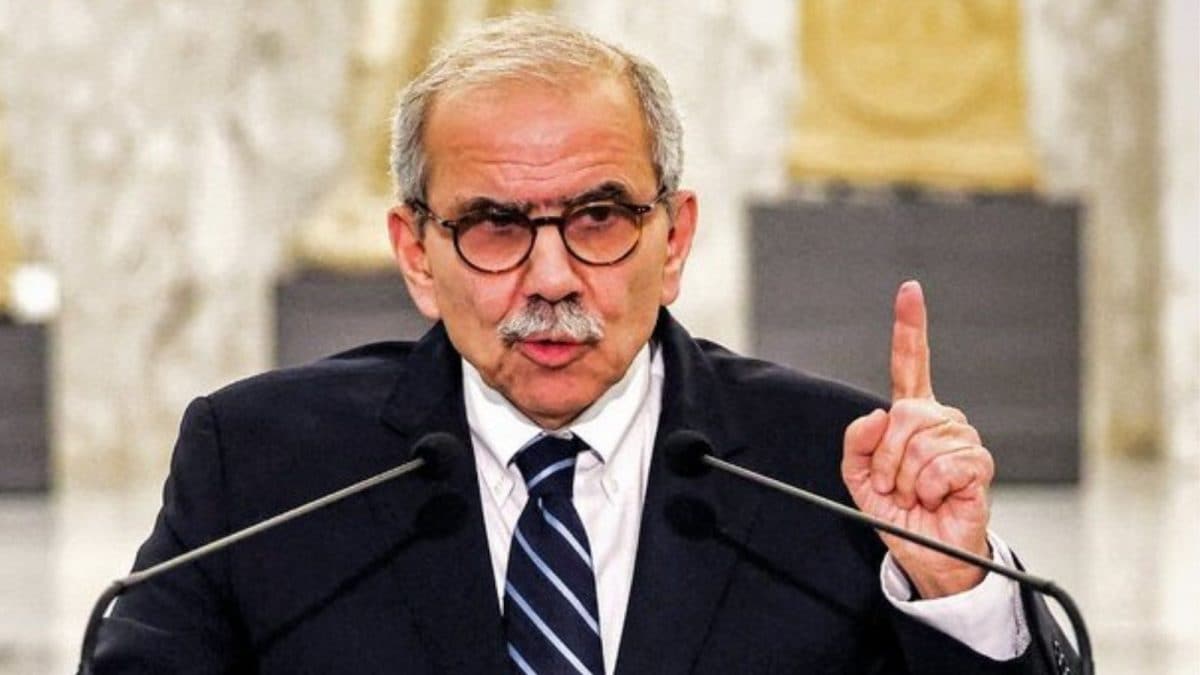
Palestinian Deputy Foreign Minister Dr Omar Awadallah. (@omarawd/X)
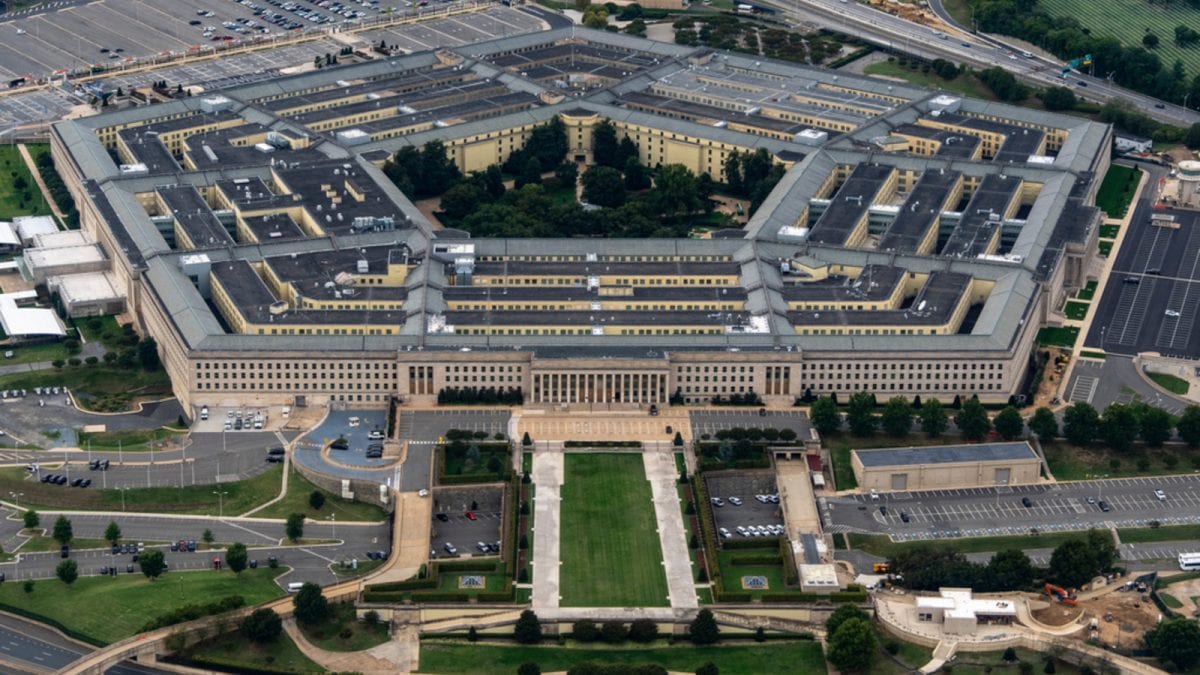
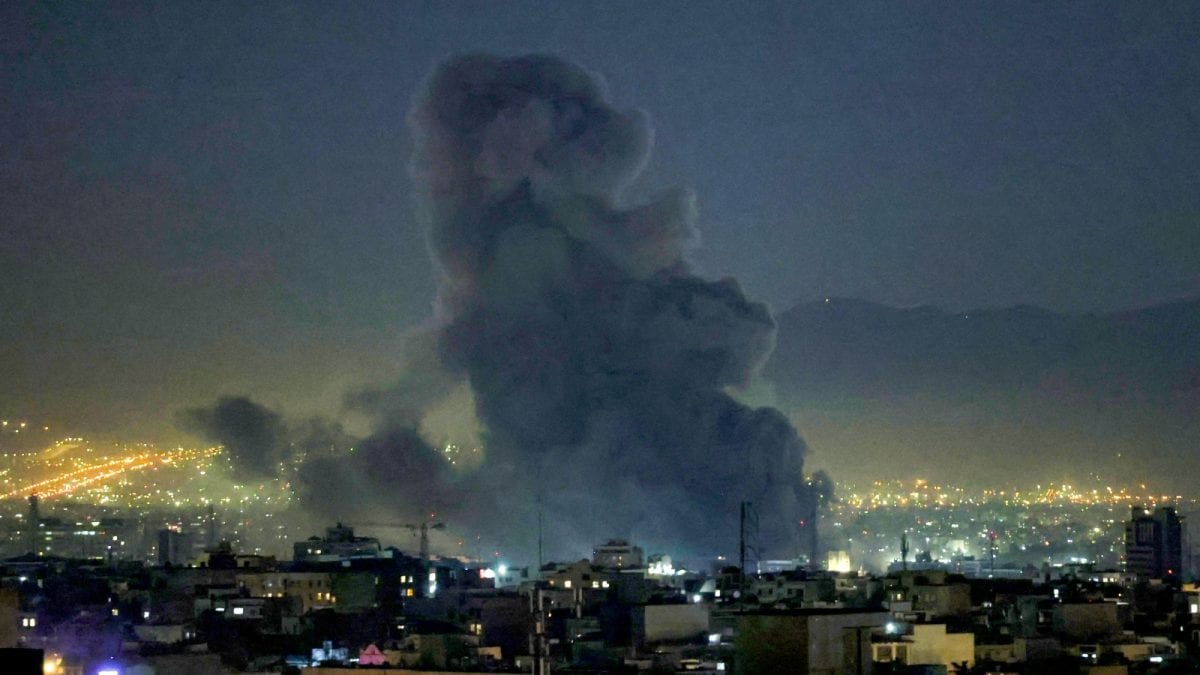
The Middle East has once again been pushed to the brink. A coordinated military offensive by the United States and Israel against Ayatollah Ali Khamenei and other senior Iranian leaders has triggered a wave of uncertainty and fear across the region.
In the opening salvo of strikes, Iran’s Supreme Leader was killed along with key military commanders and close aides, including members of his family, in what marks one of the most consequential escalations in recent Middle East history.
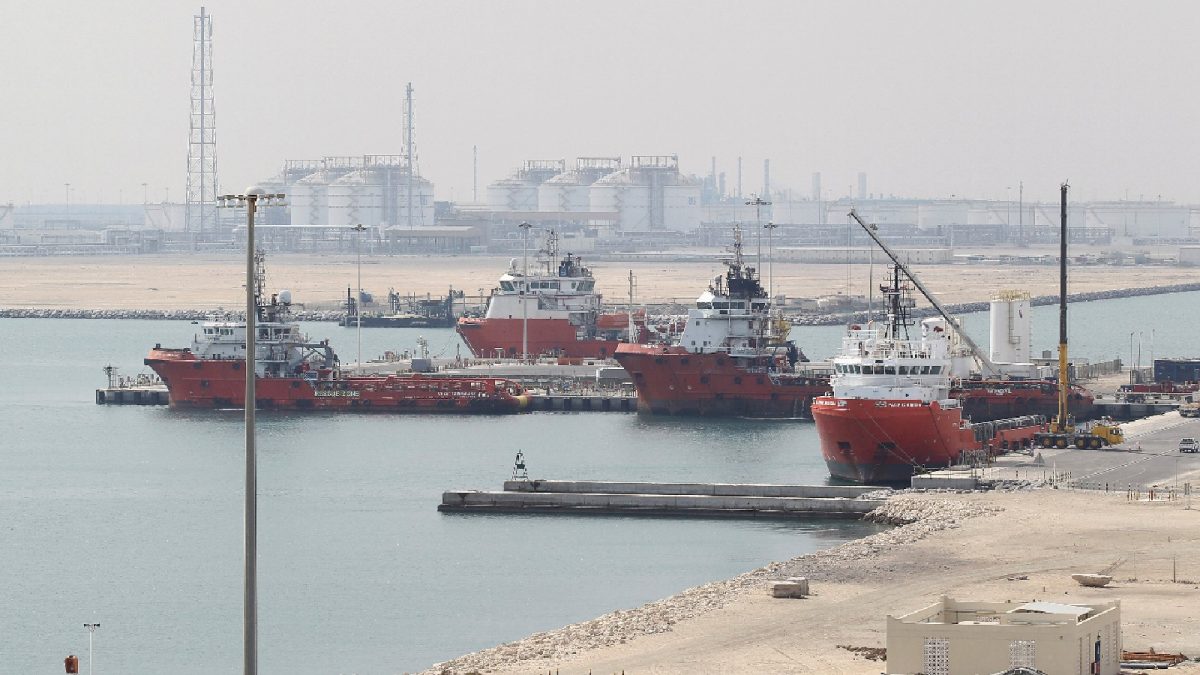
Missiles, airspace closures, and emergency alerts have rippled across the region, from the Gulf to Iraq, forcing countries such as Qatar, the UAE, and Kuwait into a heightened security posture amid fears of a wider regional war as retaliatory strikes continue.
However, as capitals brace for escalation, the sense of chaos is familiar terrain for Palestinians. For them, war is not a sudden rupture but a long-running reality. Gaza has endured relentless destruction, mass civilian suffering, and humanitarian collapse, while violence, displacement, and occupation continue unabated in the West Bank.
Against this backdrop, CNN-News18 sat down with Palestinian Deputy Foreign Minister, Dr Omar Awadallah, for a detailed and wide-ranging conversation. He spoke candidly about how Palestine views the rapidly spreading crisis, his government’s position on the assassination of Khamenei, and the risk of a full-scale regional war. The discussion also turned to India’s role at this critical juncture, and the expectations Palestine has from Prime Minister Narendra Modi, whose voice carries growing global weight amid one of the most volatile moments the Middle East has seen in years.
Edited excerpts:
What is the official Palestinian Authority position on the US-Israeli strikes on Iran and the death of Supreme Leader Ali Khamenei?
For 78 years, Israel has played a central role in destabilising the Middle East, alongside its 59-year occupation of the State of Palestine, including East Jerusalem. The latest escalation against Iran fits into a wider pattern of Israeli military actions and repeated violations of international law.
The State of Palestine has always taken a principled stand against breaches of international law. We reject policies of assassination and extrajudicial killings. The killing of Mr. Ali Khamenei does not advance de-escalation, nor does it bring the United States and Iran any closer to a diplomatic understanding.
Given the grave crimes endured by the Palestinian people, our foremost concern remains the protection of civilians and preventing the region from sliding into a wider war. Military escalation does not serve regional stability, nor does it advance the Palestinian cause.
Political disputes must be addressed through dialogue and diplomacy, grounded in respect for international law and established legal obligations.
With missiles and explosions reported across Israel, the Gulf states, and Iraqi cities, do you fear a wider Middle East war?
In truth, war is already underway. Israel continues to bomb, kill, and occupy the State of Palestine and parts of Arab territories. It has struck several Arab capitals and is now targeting Iran. So, unfortunately, the region is not on the brink of war. It is already living through one.
The real danger is that continued escalation could spiral into a far broader regional confrontation, with devastating consequences for all.
Regrettably, the current Israeli government has drawn the United States into what we see as its colonial agenda. We have condemned Israel’s bombing of Arab capitals and regional states, just as we have condemned Iran’s attacks on Arab countries. We reject all such actions unequivocally.
We believe Israel’s regional escalation serves a political purpose: to pull the United States deeper into direct confrontation and to shift global attention away from what we describe as genocide against the Palestinian people in Gaza, including the use of starvation as a weapon of war, along with war crimes and crimes against humanity in the West Bank. This includes annexation efforts, settlement expansion, settler violence, and repeated attacks on Christian and Islamic holy sites in occupied Jerusalem, the capital of the State of Palestine.
A comprehensive regional peace must rest on respect for the sovereignty, territorial integrity, and demographic realities of all states in the region, along with firm guarantees of non-aggression, as outlined in the New York Declaration and its annex on implementing the two-State solution."
What role should Arab League and Muslim-majority states play today? Is the current diplomatic response adequate?
Violations of international law cannot be the concern of a few states alone. They must be confronted collectively, by all nations, by the United Nations, by international courts, and by global institutions. Preventing genocide, war crimes, and crimes against humanity is a shared international responsibility, not a regional one.
When impunity is allowed to persist, it only paves the way for further violations. That culture of impunity is what has enabled Israel to continue its actions without accountability.
Regional organisations, including the Arab League, along with the broader international community, must take a more active role in preventing further escalation and safeguarding regional stability. This also means reaffirming that the Palestinian issue remains central to international peace and security.
The current diplomatic response needs to be more decisive and coordinated. Statements of concern are not enough. What is required is sustained political engagement focused on de-escalation and on restoring a credible path toward a just and lasting peace. That peace must end the occupation and secure the inalienable rights of the Palestinian people, foremost among them independence in the State of Palestine with Jerusalem as its capital, the right of return for refugees, and the right to self-determination."
Now that Mojtaba Khamenei, son of late Ali Khamenei, has been named as Supreme Leader of Iran, do you think he will prioritise economic stabilisation and social reform in the country, or continue a hardline approach like his father’s?
We do not have insight into Iran’s internal decision-making or appointment processes. The State of Palestine does not interfere in the internal affairs of other countries and expects the same respect in return.
It is, therefore, not our place to speculate on Iran’s internal political direction. Leadership transitions are sovereign matters for the Iranian people to determine.
From a regional perspective, what matters most at this moment is the urgent need for stability, economic development, and avoiding further escalation across the Middle East."
Speaking of the Gaza crisis, its reconstruction will require billions and long-term security guarantees. What concrete plan does Palestine have for rebuilding — and who do you believe must fund and guarantee it?
The Gaza Strip is an integral part of the State of Palestine. The Palestinian leadership has made clear its readiness to resume full governance and security responsibilities in Gaza, in order to facilitate relief, recovery, and reconstruction for our people following the genocide and other crimes committed by Israel, the occupying power.
The Government of Palestine has prepared a comprehensive relief, recovery, and reconstruction plan, which has already been endorsed at the Arab-Islamic Summit.
Reconstruction, however, cannot succeed without a clear political horizon. It must be underpinned by firm guarantees that Israel will not repeat its crimes, alongside guarantees for the realisation of Palestinian independence and statehood.
The process must move forward on parallel tracks:
Stabilisation: A sustained ceasefire, an end to famine, full and unhindered humanitarian access, restoration of basic services, prevention of forced displacement, and complete Israeli withdrawal from Gaza.
Relief and early recovery: Rebuilding and strengthening institutions and restoring their operations under the leadership of the Palestinian Authority.
Long-term reconstruction: A reconstruction process directly linked to a credible political pathway to end the occupation.
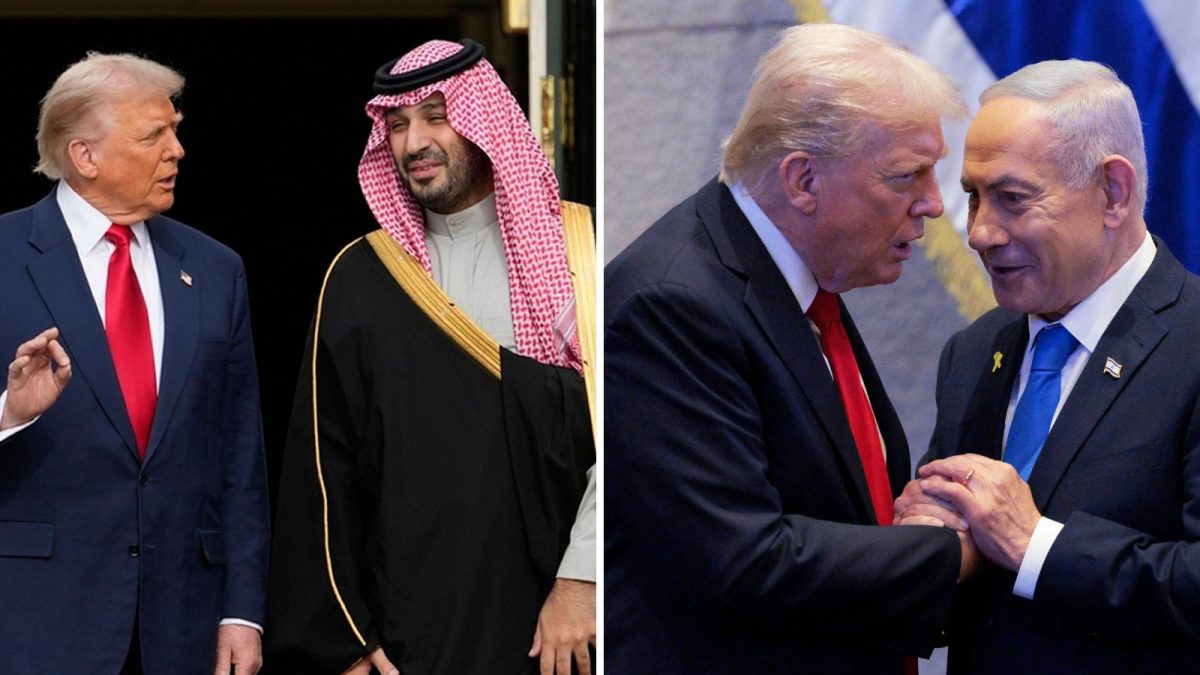
Many states, through the New York Conference and its declaration, as well as through President Donald Trump’s twenty-point plan, have expressed readiness to contribute to Gaza’s reconstruction. However, the international community must also recognise Israel’s responsibility as the occupying power. Israel deliberately destroyed Gaza and must bear financial responsibility for reconstruction, as well as reparations for the damage inflicted on our people."
While global attention is on Gaza, violence in the West Bank continues. Why do you believe the international community has failed to restrain Israel there?
President Donald Trump’s plan clearly rejects annexation, occupation, and forced displacement, both in Gaza and in the West Bank. The broader international community has also repeatedly articulated clear positions on these issues.
Yet in practice, Israel has acted as a rogue state, operating above the law due to the absence of accountability and the persistence of double standards. Strong rhetoric has not been matched by concrete action.
The failure to impose tangible consequences or sanctions has only encouraged policies that undermine the two-State solution. law must be applied consistently, not selectively."
Do you believe the United States has acted as a neutral mediator, or as Israel’s strategic partner? And have Egypt and Qatar been genuinely effective in pushing for a sustainable ceasefire?
It is widely recognised that the United States is Israel’s strategic partner, which inevitably shapes perceptions of its neutrality as a mediator.
That said, during the aggression and genocide in Gaza, the United States did play a central role in helping secure a ceasefire agreement. Alongside Egypt and Qatar, it contributed to mediation efforts that led to an agreement we welcomed.
Our position was guided by a single priority: stopping the genocide and enabling humanitarian relief, recovery, reconstruction, and the restoration of life in Gaza."
From the Palestinian perspective, what role do you expect India and Prime Minister Narendra Modi to play at this moment, and what specific support is Palestine seeking from New Delhi?
India is a historic partner whose support for the Palestinian people’s right to self-determination predates the establishment of Israel. At this moment, we expect India to reaffirm its principled support for these rights and for the two-State solution grounded in international law, one that ends the Israeli occupation and realises the legitimate rights of our people.
We believe India’s global standing and moral authority can be leveraged in several concrete ways: to hold Israel, as the occupying power, accountable for its non-compliance with international law, including its settlement expansion, annexation policies, and settler violence; to call for immediate de-escalation across the region; and to support a sustained ceasefire in Gaza, including the transition to the second phase of the agreement focused on Israeli withdrawal, preventing famine, and halting forced displacement.
We also look to India to reject any engagements that violate international law or contribute to sustaining the occupation, including by clearly distinguishing, in economic and trade relations, between Israel and the Occupied Palestinian Territory, including Jerusalem. Continued political, legal, diplomatic, humanitarian, and reconstruction support for the Palestinian people at international forums and within the United Nations remains vital.
India’s voice carries significant moral and political weight. Under the leadership of Narendra Modi, India can play a meaningful role in advancing stability, accountability, and a just peace, and in addressing the long-standing injustice inflicted on the Palestinian people under occupation.
First Published:
March 02, 2026, 17:03 IST
News world Khamenei Assassination Won’t Ease Tensions Or Advance US-Iran Talks: Palestinian Dy FM | Exclusive
Disclaimer: Comments reflect users’ views, not News18’s. Please keep discussions respectful and constructive. Abusive, defamatory, or illegal comments will be removed. News18 may disable any comment at its discretion. By posting, you agree to our Terms of Use and Privacy Policy.
Read More