1 hour ago
Last Updated:March 02, 2026, 18:52 IST
While Israel and Saudi are operating as a tacit "quasi-alliance" against Iran, formal diplomatic normalisation remains stalled due to the unresolved Palestinian conflict


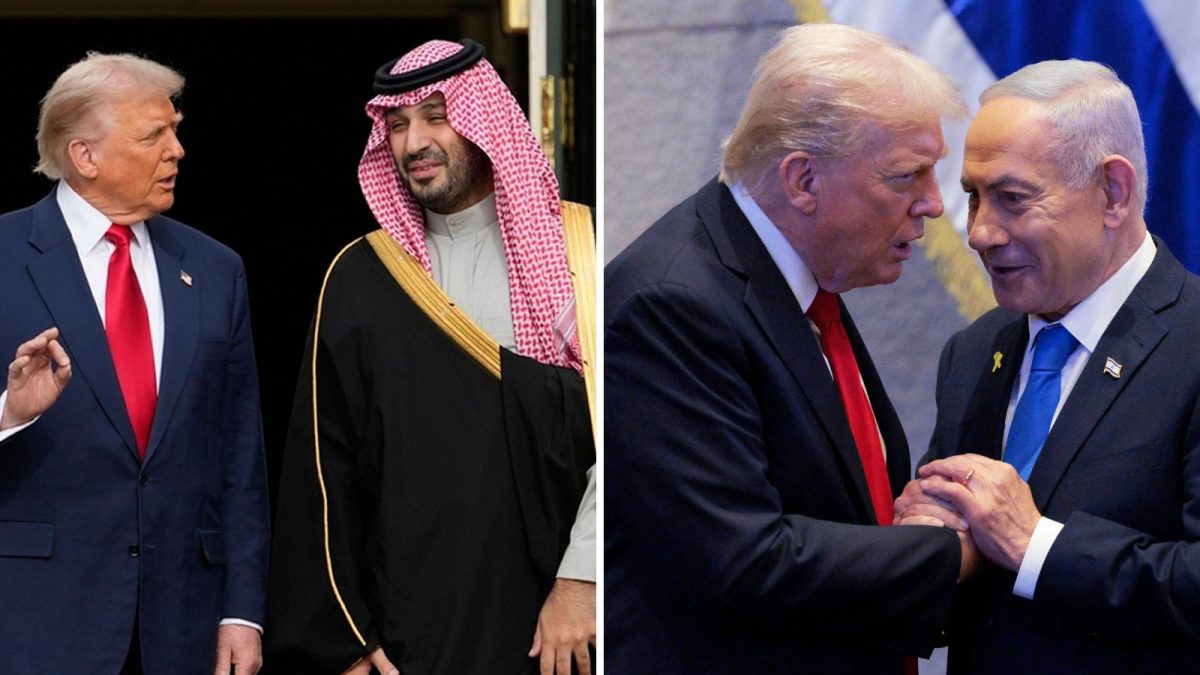
US President Donald Trump (extreme left) with Mohammad Bin Salman and Benjamin Netanyahu (extreme right). (AP File)
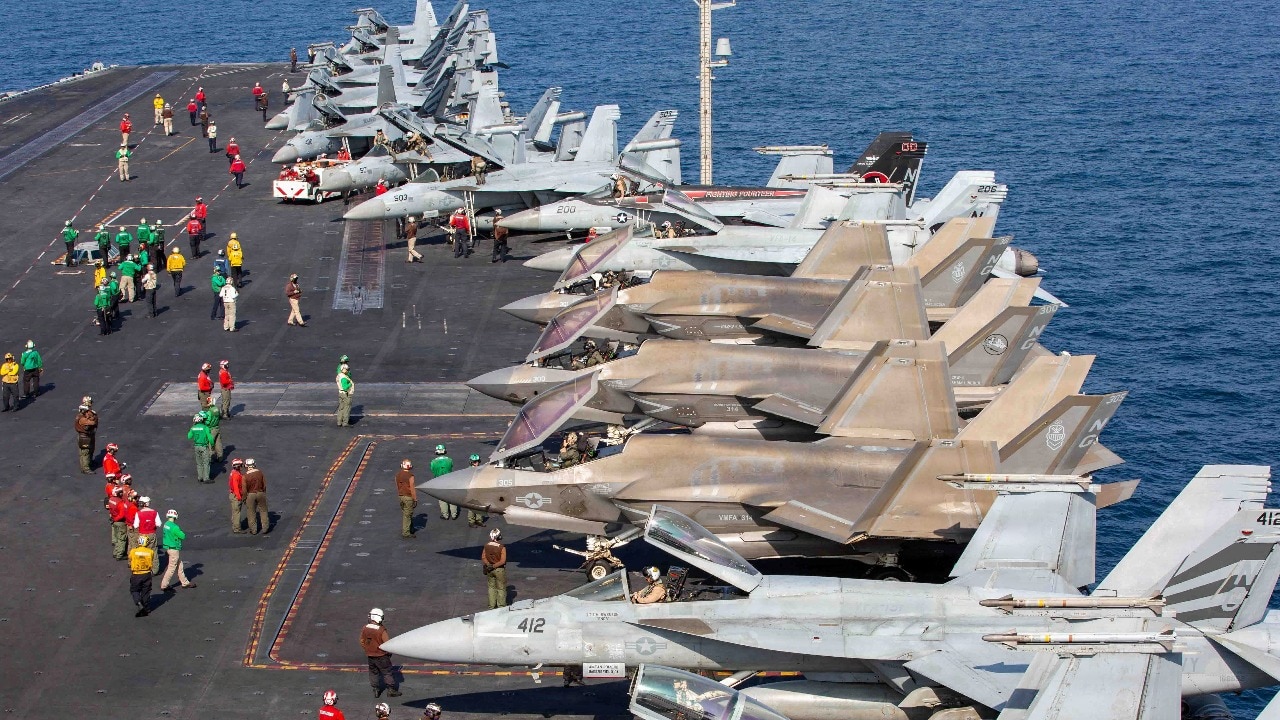
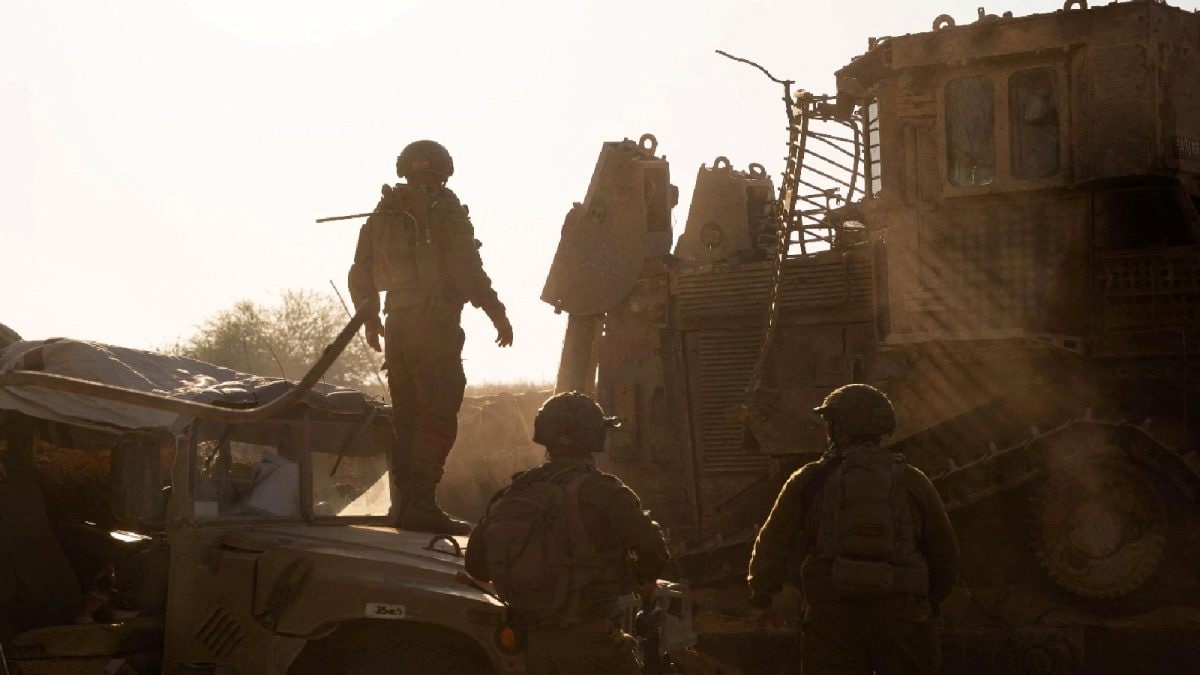
In a significant shift in Middle Eastern geopolitics, Saudi Arabia and Israel reportedly coordinated their influence to support a massive U.S.-led aerial campaign against Iran on Saturday.
Does that mean they are friends now? What about the Palestine issue? News18 explains
How Saudi, Israel came together
According to reports from The Washington Post and other major news outlets, the two nations came together through various channels.
Saudi Crown Prince Mohammed bin Salman (MBS) reportedly made multiple private phone calls to U.S. President Donald Trump in the weeks leading up to the attack. While publicly calling for a diplomatic solution, Saudi Arabia privately urged the U.S. to take decisive action to blunt Iran’s regional influence.
Israeli Prime Minister Benjamin Netanyahu maintained a long-standing public campaign for strikes, arguing that Iran’s nuclear and military infrastructure posed an existential threat.
Both nations viewed earlier diplomatic efforts as a strategic error that had failed to constrain Iran’s regional “activism".
Although the primary strikes were carried out by U.S. and Israeli forces, the Saudi capital, Riyadh, emerged as a critical regional hub during the conflict, providing a safe evacuation route for foreign nationals.
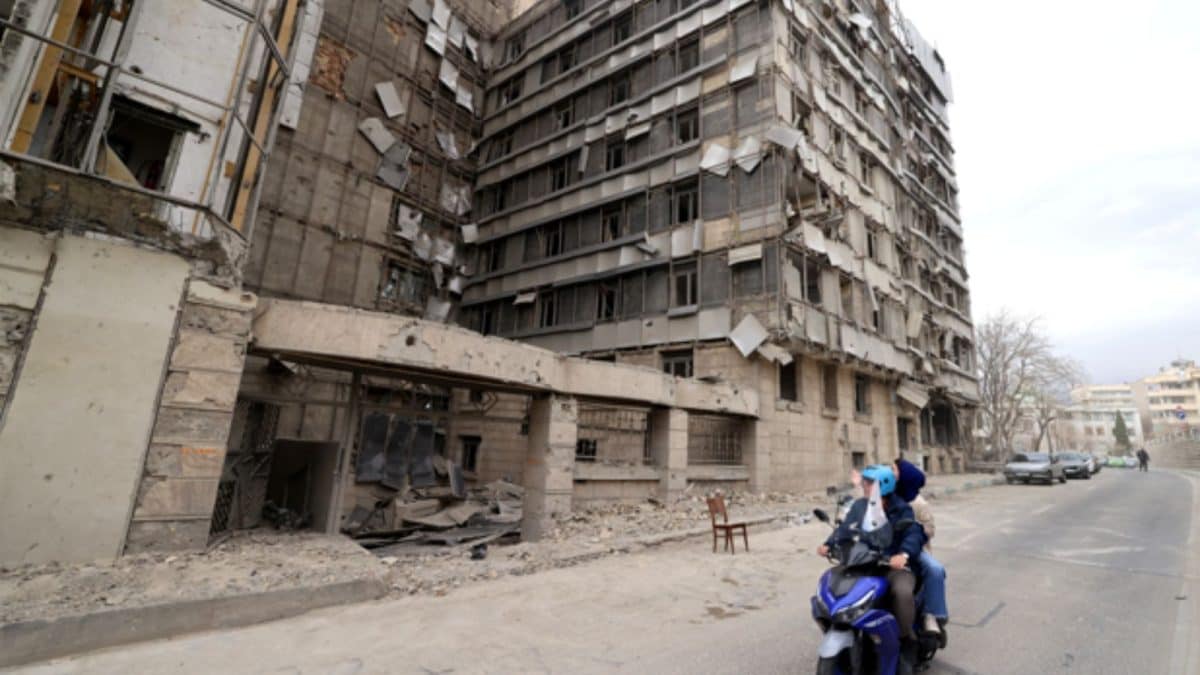
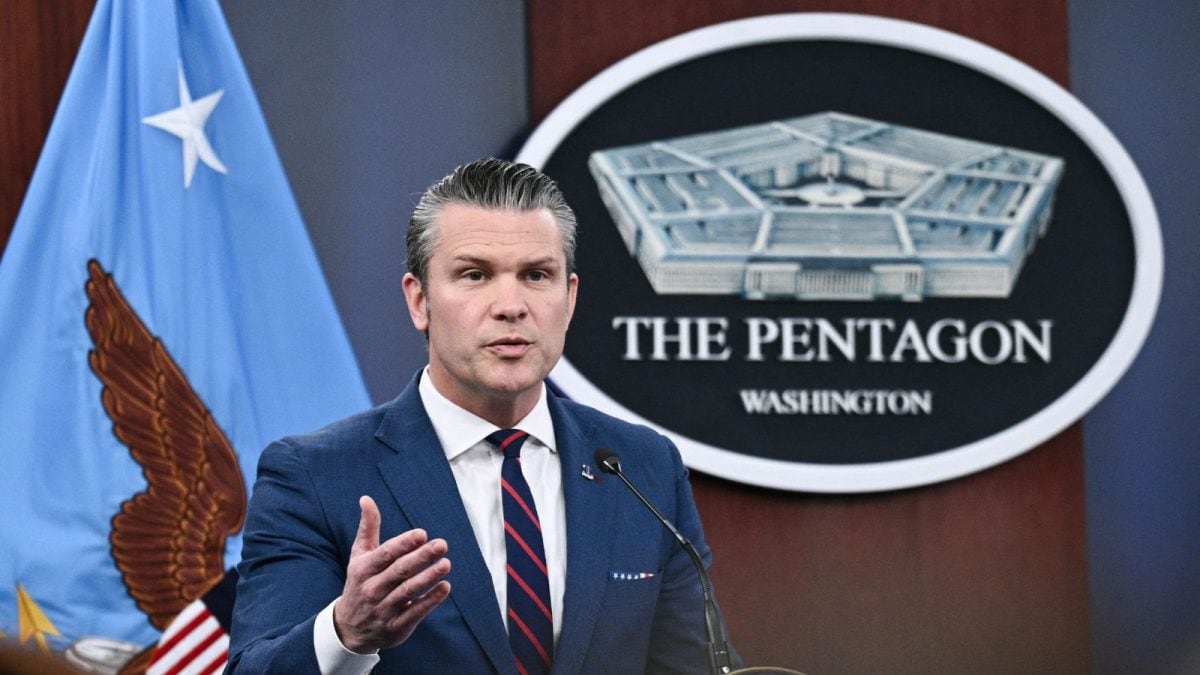
The initial strikes, dubbed ‘Operation Epic Fury’ by the Pentagon, resulted in the death of Iran’s Supreme Leader, Ayatollah Ali Khamenei, and targeted over 2,000 sites including nuclear and military facilities. Iran has since retaliated with missile attacks against Israel and various Gulf nations, including Saudi Arabia’s Ras Tanura oil refinery.
Formal ties unlikely? The Palestine factor
Saudi-Israeli relations are now at a critical and paradoxical juncture. While they are operating as a tacit “quasi-alliance" against Iran, formal diplomatic normalization remains stalled due to the unresolved Palestinian conflict, say experts.
Despite their military alignment, formal ties have not been established.
Saudi Crown Prince Mohammed bin Salman (MBS) has consistently stated that the Kingdom will not recognize Israel without a “clear and binding pathway" to an independent Palestinian state with East Jerusalem as its capital.
Massive domestic opposition in Saudi Arabia, fueled by the ongoing humanitarian crisis in Gaza and the West Bank, makes immediate normalisation politically risky for the Saudi leadership.
The current Israeli government has refused to grant the concessions on Palestinian statehood that Riyadh requires to finalise a “deal of the century".
Secretive trade continues, with Saudi Arabia reportedly utilising Israeli cybersecurity and irrigation technologies to support its Vision 2030 projects, according to reports.
Both nations maintain robust, non-public channels for sharing intelligence regarding Iranian proxy movements and regional terrorist threats.
While the two nations are closer than ever in terms of strategic necessity, they remain diplomatically distant due to the Palestinian issue, which Riyadh views as essential for its regional and religious legitimacy, according to analysts.
With agency inputs
First Published:
March 02, 2026, 18:44 IST
News explainers Israel, Saudi Supported US Against Iran: Are They Friends Now? What About Palestine? Ties Explained
Disclaimer: Comments reflect users’ views, not News18’s. Please keep discussions respectful and constructive. Abusive, defamatory, or illegal comments will be removed. News18 may disable any comment at its discretion. By posting, you agree to our Terms of Use and Privacy Policy.
Read More