 1 month ago
Last Updated:March 12, 2026, 11:30 IST
In the past 48 hours, statements from Iranian President Masoud Pezeshkian and US President Donald Trump have offered sharply different visions of what the endgame could look like.


US President Donald Trump, Iran President Masoud Pezeshkian and Israel PM Benjamin Netanyahu. (Image: AP)
As the war involving the United States, Israel and Iran enters another intense phase, leaders on all sides are caught in a war of words on how this conflict might end. In the past 48 hours, statements from Iranian President Masoud Pezeshkian and US President Donald Trump have offered sharply different visions of what the endgame could look like.
Pezeshkian has said Iran is ready for peace — but only under three conditions: recognition of Iran’s “legitimate rights," payment of reparations for damages caused by the war, and firm international guarantees that the United States and Israel will not launch future attacks. Trump, however, struck a very different tone on Wednesday while addressing a rally in Hebron, Kentucky. Declaring that Washington had already achieved decisive military success, he said: “You never like to say too early you won. We won. In the first hour, it was over." At the same time, he warned the conflict was not yet finished: “We don’t want to leave early, do we? We got to finish the job."
Together, these remarks suggest that while all sides are beginning to discuss the war’s eventual conclusion, they remain far apart on the terms under which it should happen.
The US’s Stance: What Donald Trump has said
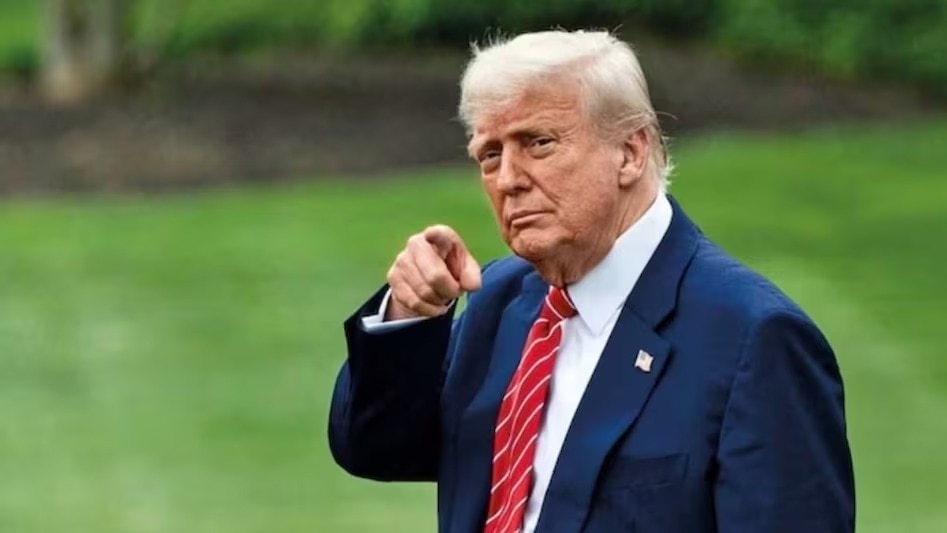
Over the past several days, Trump’s comments have alternated between declarations of victory and signals that the campaign is not over. On Wednesday, speaking at a rally in Hebron, Kentucky, Trump said the United States had effectively already won the war. “You never like to say too early you won. We won," he told supporters. “In the first hour, it was over."
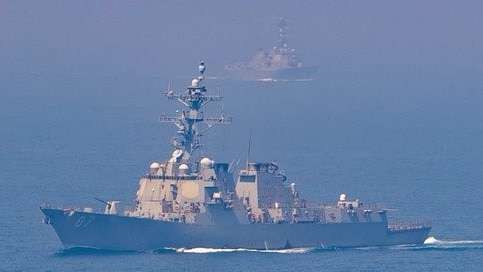
Trump also claimed that US forces had inflicted severe damage on Iran’s military, saying American operations had destroyed dozens of Iranian naval vessels and degraded the country’s military infrastructure. According to him, the United States had “virtually destroyed Iran" and eliminated much of its military capability.
Yet even while portraying the campaign as a success, Trump suggested that Washington would continue military operations for now. “We don’t want to leave early, do we?" he said. “We got to finish the job."
In separate remarks to the media earlier, Trump hinted that the war might not last much longer, saying there was “practically nothing left" for the United States to target in Iran and adding: “Any time I want it to end, it will end."
The overall message from Washington appears to be that the United States believes it has gained the upper hand militarily — but wants to ensure Iran’s capabilities are sufficiently weakened before declaring the conflict over.
Iran’s Stance: What Masoud Pezeshkian And Others Have Said
Iran’s messaging has taken a different direction, focusing less on battlefield outcomes and more on the political conditions required to end the war.
In a statement following conversations with leaders in Russia and Pakistan, Pezeshkian said Iran remained committed to peace but insisted that any end to the war must address what Tehran views as the root causes of the conflict.
Talking to leaders of Russia and Pakistan, I reaffirmed Iran’s commitment to peace in the region. The only way to end this war—ignited by the Zionist regime & US—is recognizing Iran’s legitimate rights, payment of reparations, and firm int’l guarantees against future aggression.— Masoud Pezeshkian (@drpezeshkian) March 11, 2026
“The only way to end this war—ignited by the Zionist regime and the US—is recognizing Iran’s legitimate rights, payment of reparations, and firm international guarantees against future aggression," he said.
The Iranian president reiterated the same position in subsequent remarks, framing the war as an act of aggression against Iran and emphasising that Tehran would not accept a settlement that simply pauses hostilities without addressing those grievances.
By laying out these three conditions — rights, reparations and guarantees — Iran appears to be signalling that the end of the war must involve political concessions from its adversaries, not merely a military ceasefire.
Earlier, there have also been rhetorical statements on who will decide the end of the war. After Donald Trump suggested the conflict could end whenever he chose, saying, “Any time I want it to end, it will end," Iran issued a swift response through the Islamic Revolutionary Guard Corps on March 10. Rejecting the idea that Washington could dictate the outcome, the IRGC declared, “It is we who will determine the end of the war." The statement went further, adding that “the equations and the future status of the region are now in the hands of our armed forces," signalling Tehran’s insistence that the conflict’s end will depend on its own military and strategic calculations rather than unilateral decisions from the United States.
Israel’s Stance: What Benjamin Netanyahu Has Said
Israel’s messaging has been less focused on timelines. Israeli officials have repeatedly indicated that the fight against Iran will continue until its strategic objectives are met. The Israeli leadership has framed the war not as a short-term operation but as a broader effort to weaken Iran’s military capabilities and its network of allied armed groups across the region.
Netanyahu has emphasised that Israel intends to continue the operation until it is confident that Iran can no longer threaten Israeli security.
In recent briefings, Israeli officials have indicated that the campaign would continue “as long as required" and without a fixed end date. This position reflects Israel’s long-standing strategic goal of degrading Iran’s ability to project power in the region.
Unlike Washington, which has occasionally hinted that the war could end soon, Israel’s leadership has largely avoided discussing timelines altogether.
What these statements mean for the war’s end
Taken together, the latest statements from Washington, Tehran and Jerusalem suggest that while leaders are increasingly talking about the war’s eventual end, their visions of how it should conclude remain fundamentally different.
The United States is signalling that it believes the military phase of the conflict is largely successful but wants to consolidate its gains before stepping back. Israel appears determined to continue operations until it is satisfied that Iran’s military and regional influence have been significantly weakened. Iran, meanwhile, is framing the end of the war as a diplomatic settlement that includes recognition of its rights, compensation and guarantees against future attacks even as the IRGC signals it’s a long fight ahead.
With none of these countries appearing to be on the same page, the end of the conflict seems as unpredictable as its beginning was.
First Published:
March 12, 2026, 11:30 IST
News world Is The End Of Iran War Near? Reading Between The Lines Of What Trump, Tehran And Israel Have Said
Disclaimer: Comments reflect users’ views, not News18’s. Please keep discussions respectful and constructive. Abusive, defamatory, or illegal comments will be removed. News18 may disable any comment at its discretion. By posting, you agree to our Terms of Use and Privacy Policy.
Read More